
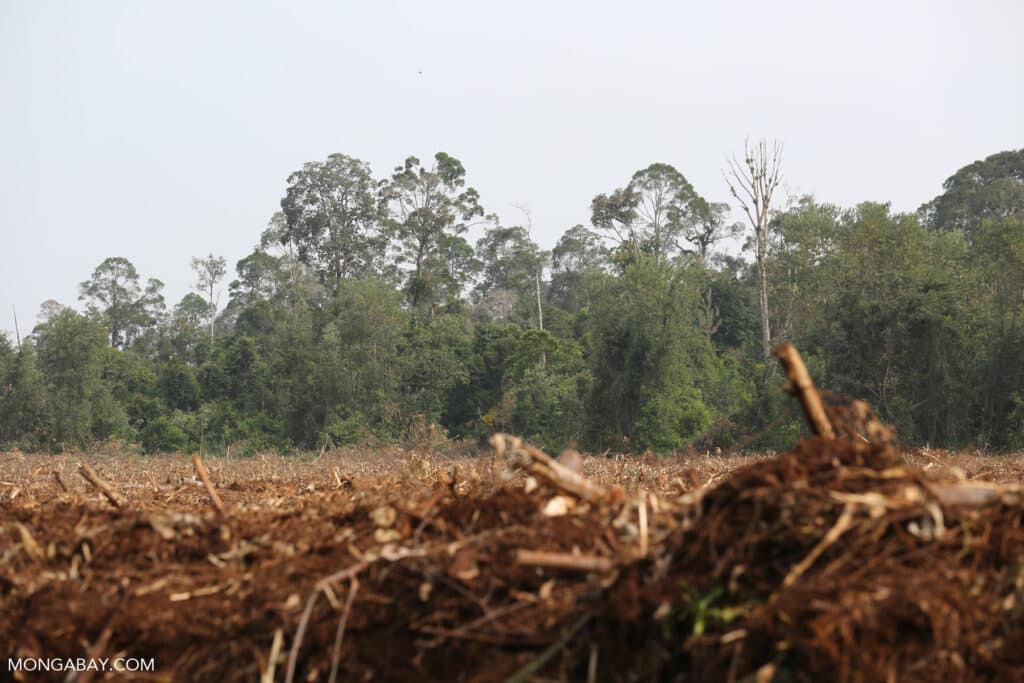
The issue of deforestation is a pressing global concern that has garnered significant attention in recent years. One of the major contributors to deforestation is animal agriculture, which involves the clearing of vast areas of land to make way for livestock production and feed crops. This practice not only poses a grave threat to biodiversity and natural habitats, but also exacerbates climate change and compromises the well-being of local communities.
In this blog post, we will delve into the detrimental effects of animal agriculture on deforestation. We will explore how the expansion of livestock farming leads to the destruction of forests, the loss of plant and animal species, and the disruption of delicate ecosystems. Additionally, we will examine the role of animal agriculture in climate change, as deforestation releases significant amounts of carbon dioxide into the atmosphere. By shedding light on this issue, we hope to raise awareness about the urgent need for sustainable and responsible farming practices that minimize the impact on our planet’s forests and ecosystems.
Promote plant-based diet alternatives
One of the most effective ways to combat deforestation caused by animal agriculture is to promote plant-based diet alternatives. By encouraging people to adopt a diet that is centered around plant-based foods, we can significantly reduce the demand for animal products.
Benefits of a plant-based diet
A plant-based diet offers numerous benefits for both the environment and our health. Here are some of the key advantages:
- Reduces greenhouse gas emissions: Animal agriculture is a major contributor to greenhouse gas emissions, particularly methane and nitrous oxide. By choosing plant-based alternatives, we can significantly lower our carbon footprint.
- Conserves water: Animal agriculture requires large amounts of water for animal feed production and livestock hydration. Shifting towards a plant-based diet can help conserve water resources.
- Preserves biodiversity: Deforestation for animal agriculture destroys natural habitats and leads to the loss of biodiversity. By promoting plant-based diets, we can help protect endangered species and preserve ecosystems.
- Improves personal health: Plant-based diets are rich in nutrients, fiber, and antioxidants, which can help reduce the risk of chronic diseases such as heart disease, diabetes, and certain types of cancer.
Tips for transitioning to a plant-based diet
Transitioning to a plant-based diet doesn’t have to be daunting. Here are some tips to help you get started:
- Gradual approach: Start by incorporating more plant-based meals into your diet and gradually reduce your consumption of animal products.
- Explore new recipes: Experiment with different plant-based recipes and ingredients to discover new flavors and textures.
- Find plant-based alternatives: There are now a wide variety of plant-based alternatives available for meat, dairy, and eggs. Explore these options and find the ones that suit your taste.
- Get support: Join online communities or local groups that promote plant-based diets. They can provide valuable support, advice, and recipe ideas.
- Be mindful of nutrients: Ensure you’re getting all the essential nutrients by incorporating a variety of plant-based foods in your diet, including legumes, whole grains, fruits, and vegetables.
By promoting plant-based diet alternatives, we can make a significant difference in reducing deforestation caused by animal agriculture. Together, we can create a more sustainable and environmentally-friendly future.
Support sustainable farming practices
The impact of animal agriculture on deforestation is a critical issue that needs to be addressed. It is widely recognized that the expansion of animal agriculture, especially for meat and dairy production, has contributed significantly to deforestation around the world.
Deforestation is the clearing of forests to make way for agricultural activities, including livestock grazing, crop cultivation, and the production of animal feed. The demand for animal products has led to the widespread conversion of forests into agricultural land, resulting in the loss of valuable habitats and ecosystems.
Supporting sustainable farming practices is essential to mitigate the impact of animal agriculture on deforestation. Here are some key ways to promote sustainable farming:
1. Reduce meat consumption
One of the most effective ways to support sustainable farming practices is to reduce meat consumption. By opting for plant-based alternatives or practicing meatless days, we can reduce the demand for animal products and the pressure to expand animal agriculture.
2. Choose sustainably sourced products
When purchasing meat, dairy, or other animal products, choose those that are sustainably sourced. Look for labels or certifications that ensure the products are produced with minimal impact on deforestation, such as organic, grass-fed, or Rainforest Alliance certified.
3. Support local and organic farming
Supporting local and organic farming helps to reduce the carbon footprint associated with transportation and chemical inputs. By purchasing locally grown produce and supporting organic farmers, we can contribute to a more sustainable food system and reduce the need for deforestation.
4. Encourage regenerative agriculture
Regenerative agriculture practices focus on improving soil health, biodiversity, and ecosystem services. By promoting regenerative farming methods, such as agroforestry and rotational grazing, we can restore degraded lands, enhance carbon sequestration, and reduce the need for deforestation.
5. Advocate for policy changes
Advocacy plays a crucial role in driving policy changes that support sustainable farming practices and protect forests. Write to your local representatives, support organizations working towards sustainable agriculture, and raise awareness about the impact of animal agriculture on deforestation.
By supporting sustainable farming practices, we can contribute to the preservation of forests, protect biodiversity, and mitigate climate change. It is essential to recognize the connection between animal agriculture and deforestation and take action to promote more sustainable alternatives.
Encourage reforestation and afforestation efforts
Reforestation and afforestation efforts play a crucial role in mitigating the impact of animal agriculture on deforestation. By actively encouraging and supporting these initiatives, we can help restore and expand our forests, which are essential for maintaining a balanced ecosystem.
Reforestation:
Reforestation involves the process of planting trees in areas where forests have been cleared or destroyed. This helps to restore the lost vegetation and bring back the natural habitat for various species. It also helps in reducing soil erosion, improving water quality, and providing a sustainable source of timber and other forest products.
Afforestation:
Afforestation refers to the establishment of forests in areas where they have never existed before. This involves planting trees in unused or barren lands, such as degraded pastures or abandoned agricultural fields. Afforestation helps in increasing the overall forest cover, enhancing biodiversity, and providing numerous ecological benefits.
Both reforestation and afforestation efforts contribute to carbon sequestration, which is the process of capturing and storing carbon dioxide from the atmosphere. Trees absorb carbon dioxide during photosynthesis, helping to reduce greenhouse gas emissions and combat climate change.
Benefits of reforestation and afforestation:
- Preservation of biodiversity by providing habitats for various plant and animal species
- Protection of watersheds and prevention of soil erosion
- Improvement of air quality by filtering pollutants and releasing oxygen
- Enhancement of local economies through sustainable forest management and eco-tourism
- Reduction of the effects of climate change by sequestering carbon dioxide
By supporting reforestation and afforestation projects, we can make a positive impact on the environment and help mitigate the consequences of animal agriculture on deforestation. It is important to collaborate with organizations and initiatives that focus on sustainable forestry practices and prioritize the conservation of our forests for future generations.
Advocate for stricter regulations on deforestation
Deforestation, particularly in regions where animal agriculture is prevalent, has a significant impact on our planet’s ecosystems. As advocates for a sustainable future, it is crucial to raise awareness about the detrimental effects of animal agriculture on deforestation and push for stricter regulations to mitigate its impact.
The link between animal agriculture and deforestation
Animal agriculture, especially in the form of livestock farming, is a major driver of deforestation worldwide. Forests are cleared to make way for cattle ranching, soybean plantations (used as animal feed), and the expansion of pastureland. This clearing of forests leads to the destruction of habitats for countless plant and animal species and contributes to the loss of biodiversity.
Furthermore, the process of clearing land for animal agriculture often involves slash-and-burn techniques, which release large amounts of carbon dioxide into the atmosphere. This contributes to climate change, exacerbating the environmental challenges we already face.
The environmental consequences
Deforestation caused by animal agriculture has far-reaching environmental consequences. Forests act as natural carbon sinks, absorbing carbon dioxide and helping to regulate the Earth’s climate. When forests are cleared, this natural carbon storage is lost, leading to increased greenhouse gas emissions and further contributing to climate change.
Additionally, deforestation disrupts water cycles and can result in soil erosion, reduced water quality, and increased vulnerability to flooding. It also threatens the livelihoods of indigenous communities who rely on forests for their sustenance and cultural practices.
The need for stricter regulations
To address the impact of animal agriculture on deforestation, stricter regulations are necessary. Governments must enforce laws that protect forests from being cleared for agricultural purposes and promote sustainable land use practices.
One key approach is to incentivize farmers to adopt sustainable farming methods that minimize deforestation. This can be achieved through financial support, education, and the promotion of alternative land-use practices such as agroforestry, which combines tree cultivation with agricultural crops or livestock.
Consumer education and awareness are also crucial. By making informed choices and opting for plant-based diets or supporting sustainable farming practices, individuals can contribute to reducing the demand for animal agriculture and consequently help prevent deforestation.
Furthermore, global cooperation and collaboration among governments, environmental organizations, and the agricultural industry are essential in addressing the complex issue of deforestation caused by animal agriculture. Together, we can work towards creating a more sustainable future for our planet.
Promote eco-friendly farming techniques
Animal agriculture has been identified as one of the leading contributors to deforestation worldwide. The demand for meat, dairy, and other animal products has led to the clearing of vast areas of forests to make way for grazing land and the production of animal feed.
To address this issue and promote a more sustainable approach to farming, it is crucial to encourage the adoption of eco-friendly farming techniques. These practices aim to minimize the negative environmental impacts of animal agriculture while still meeting the demand for animal products.
1. Agroforestry
Agroforestry is a farming technique that combines the cultivation of trees with the production of crops or livestock. By integrating trees into farming systems, agroforestry helps to restore and maintain ecosystem functions, including carbon sequestration and soil conservation.
2. Rotational grazing
Rotational grazing involves dividing grazing land into smaller paddocks and rotating livestock between them. This practice allows for more efficient use of pasture and reduces overgrazing, preventing soil erosion and degradation. It also promotes the growth of native grasses and improves soil fertility.
3. Precision agriculture
Precision agriculture utilizes technology and data analysis to optimize farming practices. By using sensors, drones, and GPS systems, farmers can monitor soil conditions, nutrient levels, and water usage. This information enables them to make informed decisions about fertilization, irrigation, and other inputs, reducing waste and minimizing environmental impacts.
4. Organic farming
Organic farming avoids the use of synthetic fertilizers, pesticides, and genetically modified organisms (GMOs). Instead, it focuses on building healthy soils through composting, crop rotation, and the use of natural pest control methods. Organic farming practices help to preserve biodiversity, promote soil health, and minimize pollution.
In conclusion, promoting eco-friendly farming techniques is essential to mitigate the impact of animal agriculture on deforestation. By implementing practices such as agroforestry, rotational grazing, precision agriculture, and organic farming, we can work towards a more sustainable and environmentally friendly food system.
Raise awareness about the link between animal agriculture and deforestation
Deforestation is a critical issue that is largely driven by human activities, and one of the major contributors to deforestation is animal agriculture. The production of meat, dairy, and other animal products has a significant impact on our planet’s forests, and it is important to raise awareness about this link.
The scale of animal agriculture’s impact on deforestation
Animal agriculture is responsible for a substantial amount of deforestation worldwide. Forests are often cleared to make way for pastureland for livestock, or to grow crops to feed the animals. This clearing of forests not only destroys valuable ecosystems and habitats but also releases massive amounts of carbon dioxide into the atmosphere, contributing to climate change.
The consequences of deforestation caused by animal agriculture
The consequences of deforestation caused by animal agriculture are far-reaching. Loss of forests leads to a decrease in biodiversity as many plant and animal species lose their habitats. Deforestation also disrupts local water cycles and can lead to soil erosion and degradation, impacting local communities and their livelihoods.
The role of consumers in addressing the issue
As consumers, we have the power to make a difference. By making conscious choices in our diet and reducing our consumption of animal products, we can significantly reduce the demand for animal agriculture. Choosing plant-based alternatives or opting for sustainably sourced and locally produced animal products can help mitigate the impact on deforestation.
Government and industry actions
Government policies and regulations play a crucial role in addressing deforestation caused by animal agriculture. Implementing stricter land-use policies, promoting sustainable farming practices, and supporting reforestation efforts can help combat deforestation. The industry also has a responsibility to adopt more sustainable practices, such as reducing waste, improving animal welfare standards, and investing in research and development of alternative protein sources.
Conclusion
Raising awareness about the link between animal agriculture and deforestation is essential in order to drive change. By understanding the impact of our food choices, we can make informed decisions that contribute to a more sustainable and environmentally friendly future.
Support organizations working to mitigate deforestation caused by animal agriculture
Supporting organizations working to mitigate deforestation caused by animal agriculture is crucial for addressing the environmental consequences of this industry. By contributing to these organizations, you can play an active role in promoting sustainable practices and protecting our planet’s forests.
1. Rainforest Foundation
The Rainforest Foundation is dedicated to protecting the world’s rainforests and the rights of indigenous peoples living within them. They work to address deforestation caused by various factors, including animal agriculture. By supporting the Rainforest Foundation, you can help fund their initiatives to prevent further destruction of these vital ecosystems.
2. Greenpeace
Greenpeace is a well-known environmental organization that campaigns for various causes, including deforestation. They actively advocate for sustainable agriculture practices and work to hold corporations accountable for their impact on forests. By supporting Greenpeace, you can contribute to their efforts in combating deforestation caused by animal agriculture.
3. World Wildlife Fund (WWF)
The World Wildlife Fund is a global conservation organization that focuses on protecting the world’s most vulnerable species and ecosystems. They work to promote sustainable agriculture and address the deforestation associated with animal agriculture. By donating to WWF, you can support their initiatives in mitigating the environmental impact of this industry.
4. Forest Stewardship Council (FSC)
The Forest Stewardship Council is an international organization that promotes responsible forest management. They provide certification for forest products that meet their strict sustainability criteria. By purchasing products with the FSC label and supporting their initiatives, you can contribute to reducing deforestation caused by industries like animal agriculture.
5. Amazon Environmental Research Institute (IPAM)
The Amazon Environmental Research Institute is dedicated to promoting sustainable development and conservation in the Amazon rainforest. They conduct research and work with local communities to find solutions to deforestation caused by various factors, including animal agriculture. By supporting IPAM, you can help fund their research and initiatives aimed at preserving the Amazon rainforest.
Remember, supporting these organizations is just one step towards mitigating deforestation caused by animal agriculture. It is also essential to make sustainable choices in our own lives, such as reducing meat consumption and supporting local, organic, and regenerative agriculture.
Frequently Asked Questions
1. How does animal agriculture contribute to deforestation?
Animal agriculture is a major driver of deforestation due to the expansion of land for livestock grazing and feed production.
2. What are the environmental consequences of deforestation caused by animal agriculture?
Deforestation for animal agriculture leads to habitat loss, biodiversity decline, increased greenhouse gas emissions, and soil degradation.
3. Are there sustainable alternatives to animal agriculture to reduce deforestation?
Yes, alternatives such as plant-based diets and sustainable farming practices can help reduce the impact of animal agriculture on deforestation.
4. How can individuals contribute to mitigating deforestation caused by animal agriculture?
Individuals can make a difference by choosing to consume less meat, supporting sustainable farming practices, and advocating for policies that promote forest conservation.

