When it comes to dietary restrictions, it can sometimes feel like navigating a maze. With so many different diets and lifestyles to consider, it can be challenging to determine what is and isn’t allowed. One common question that arises is whether vegans can eat gluten-free. In this article, we will explore the intersection of veganism and gluten-free diets to shed light on this topic.
Yes, vegans can eat gluten-free
The short answer is yes, vegans can eat gluten-free. While veganism and the gluten-free diet are different, they can overlap. Being vegan means eliminating animal protein, eggs, dairy, and fish from your diet. On the other hand, being gluten-free means eliminating gluten-containing grains like wheat and rye.
Veganism and the gluten-free diet are different but can overlap
Veganism is a lifestyle that seeks to avoid the use of animal products for ethical, environmental, and health reasons. It focuses on consuming plant-based foods and eliminating any form of animal exploitation. On the other hand, the gluten-free diet is primarily followed by individuals with celiac disease or gluten sensitivity. It involves avoiding gluten, a protein found in wheat, barley, and rye.
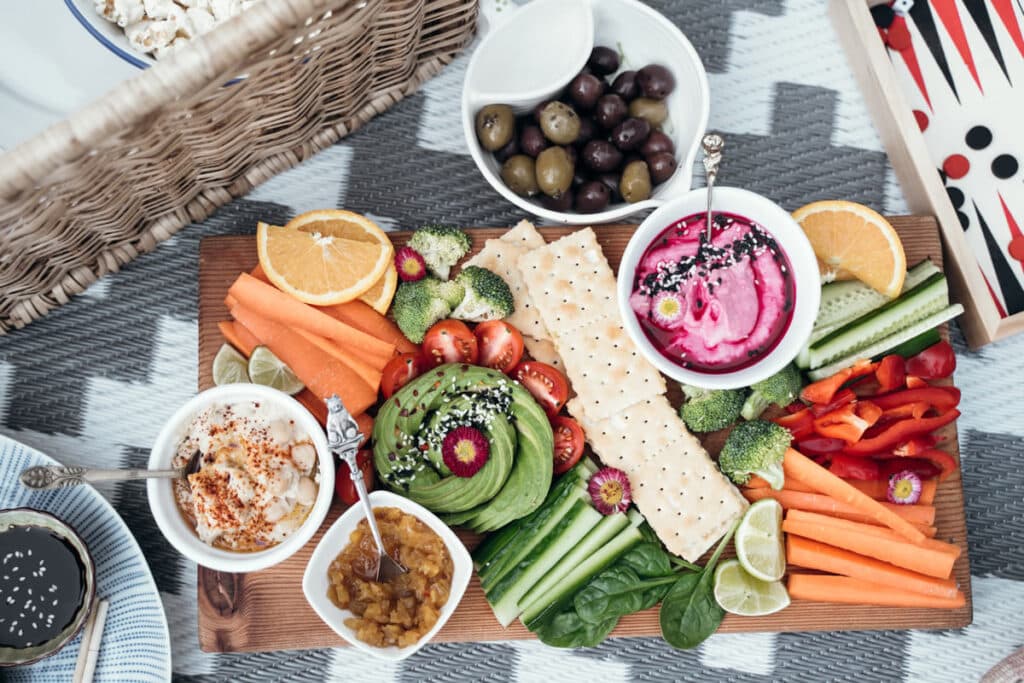
While these two diets have different motivations, they can overlap. Many vegan foods are naturally gluten-free, such as fruits, vegetables, beans, lentils, quinoa, and buckwheat. These foods can be enjoyed by both vegans and those following a gluten-free diet.
Being vegan means eliminating animal protein, eggs, dairy, and fish
Veganism is centered around the avoidance of animal products. This means eliminating animal protein, such as meat, poultry, and seafood, from the diet. Additionally, vegans do not consume eggs, dairy products, and fish. Instead, they rely on plant-based sources of protein, such as legumes, tofu, tempeh, and seitan.
Being gluten-free means eliminating gluten-containing grains like wheat and rye
The gluten-free diet, on the other hand, focuses on avoiding gluten-containing grains. This includes wheat, barley, and rye. These grains are commonly found in bread, pasta, cereals, and baked goods. Individuals following a gluten-free diet must carefully read food labels to ensure that products do not contain any hidden sources of gluten.
Some oats may also need to be eliminated if they are not labeled gluten-free
While oats themselves do not naturally contain gluten, they are often processed in facilities that also handle wheat, barley, and rye. This cross-contamination can result in oats containing traces of gluten. Therefore, individuals following a gluten-free diet should opt for oats that are specifically labeled as gluten-free.
Many vegan foods are naturally gluten-free
Fortunately, many vegan foods are naturally gluten-free. Fruits, vegetables, beans, lentils, quinoa, and buckwheat are all excellent options for both vegans and those following a gluten-free diet. These foods provide essential nutrients and can be enjoyed in a variety of delicious recipes.
However, cooking methods can introduce gluten to these foods
While the ingredients themselves may be gluten-free, it’s important to consider the cooking methods used. Cross-contamination can occur if utensils, cutting boards, or cooking surfaces are not properly cleaned after coming into contact with gluten-containing foods. To ensure a truly gluten-free meal, it’s crucial to use separate cooking tools and surfaces or thoroughly clean them before use.
Vegan gluten-free meals can be made at home by avoiding grains that contain gluten
Preparing vegan gluten-free meals at home is entirely possible by avoiding grains that contain gluten. Instead, opt for gluten-free alternatives like rice, quinoa, millet, and corn. These grains can be used as a base for dishes like stir-fries, grain bowls, and salads.
Additionally, there are many gluten-free flours available that can be used in baking. Almond flour, coconut flour, and chickpea flour are just a few examples. These flours can be used to make gluten-free bread, muffins, pancakes, and more.
When eating out, it is important to communicate dietary restrictions and ask for assistance
Eating out can be more challenging when following both a vegan and gluten-free diet. However, many restaurants are becoming more accommodating to dietary restrictions. When dining out, it’s important to communicate your dietary restrictions to the staff. They may be able to provide alternative options or make modifications to existing dishes to accommodate your needs.
It’s also a good idea to ask for assistance in identifying gluten-free and vegan options on the menu. Restaurant staff are often knowledgeable about the ingredients used in their dishes and can help guide you towards suitable choices.
Vegan gluten-free snacks should be labeled gluten-free and free of animal meat and dairy
When it comes to snacking, it’s important to choose options that are both vegan and gluten-free. Look for snacks that are specifically labeled as gluten-free to ensure they meet your dietary needs. Additionally, check the ingredient list to ensure they are free of animal meat and dairy products.
Some examples of vegan gluten-free snacks include fresh fruits and vegetables, rice cakes, popcorn, nuts and seeds, gluten-free granola bars, and dairy-free yogurt alternatives.
Soy sauce contains gluten and should be avoided in vegan gluten-free meals
One ingredient that vegans following a gluten-free diet should be aware of is soy sauce. Traditional soy sauce contains gluten, as it is made from fermented soybeans and wheat. However, there are gluten-free soy sauce alternatives available, such as tamari or coconut aminos. These can be used as a substitute in recipes that call for soy sauce.
Meal planning and selecting vegan snacks may require more attention for both diets
Both veganism and the gluten-free diet require careful attention to meal planning and snack selection. It’s important to ensure that you are getting a balanced diet that meets your nutritional needs. This may involve incorporating a variety of fruits, vegetables, whole grains, legumes, nuts, and seeds into your meals.
For individuals following both diets, it may be necessary to pay even closer attention to ingredient labels and seek out specific vegan and gluten-free products. This can help ensure that you are meeting your dietary requirements and enjoying a diverse range of foods.
Supplementation may be necessary for certain nutrients like iron and vitamin B12 for vegans
While a well-planned vegan diet can provide all the necessary nutrients, there are a few nutrients that may require supplementation for vegans. Iron and vitamin B12 are two nutrients that are commonly found in animal products. Vegans may need to consider taking supplements or incorporating fortified foods into their diet to ensure they are meeting their needs.
It’s important to consult with a healthcare professional or registered dietitian to determine if supplementation is necessary for your specific needs.
In conclusion, vegans can certainly eat gluten-free. While the two diets are different, there is overlap in the foods that can be enjoyed. By being mindful of ingredient labels, cooking methods, and communication when dining out, it is possible to follow both a vegan and gluten-free diet successfully.