Meal prepping is a popular strategy for many individuals who are looking to maintain a healthy and organized lifestyle. It involves preparing and portioning out meals in advance, usually for the week ahead. When it comes to following a vegan meal plan, meal prepping becomes even more important as it ensures that you have access to nutritious and satisfying meals that align with your dietary preferences.
In this blog post, we will explore the reasons why meal prepping is crucial for a successful vegan meal plan. We will discuss how meal prepping can save you time and money, help you stay on track with your nutritional goals, and provide you with a variety of delicious and balanced plant-based meals. Additionally, we will share some practical tips and ideas for effective meal prepping, including batch cooking, proper storage techniques, and creative ways to use leftovers. Whether you are new to veganism or a seasoned plant-based eater, incorporating meal prepping into your routine can make a significant difference in your overall well-being and success in sticking to a vegan meal plan.
Plan your meals in advance
Meal prepping is a crucial aspect of following a successful vegan meal plan. Planning your meals in advance allows you to stay organized, save time, and ensure that you have nutritious and delicious meals readily available throughout the week.
Benefits of meal prepping
There are several benefits to meal prepping for a vegan meal plan:
- Time-saving: By dedicating a few hours each week to meal prepping, you can save a significant amount of time during the week. Instead of spending time every day cooking, you can simply reheat or assemble the pre-prepared meals.
- Cost-effective: Meal prepping can also help you save money. By planning your meals in advance, you can buy ingredients in bulk, take advantage of sales, and avoid unnecessary purchases.
- Healthy choices: When you have pre-prepared meals on hand, you’re less likely to reach for unhealthy options or rely on takeout. You have control over the ingredients and can ensure that your meals are balanced, nutrient-dense, and aligned with your vegan lifestyle.
- Reduced food waste: Meal prepping allows you to utilize ingredients efficiently and minimize food waste. You can portion out ingredients and leftovers, ensuring that everything gets used before it spoils.
Tips for successful meal prepping
To make the most out of your meal prepping efforts, consider the following tips:
- Plan your menu: Decide on the meals you want to prepare for the week, taking into account your dietary preferences, nutritional needs, and any special occasions.
- Create a shopping list: Once you have your menu planned, make a shopping list with all the necessary ingredients. This will help you stay organized and ensure you have everything you need.
- Set aside dedicated time: Choose a specific day or time each week to dedicate to meal prepping. This will help you establish a routine and ensure that you have enough time to prepare all the meals.
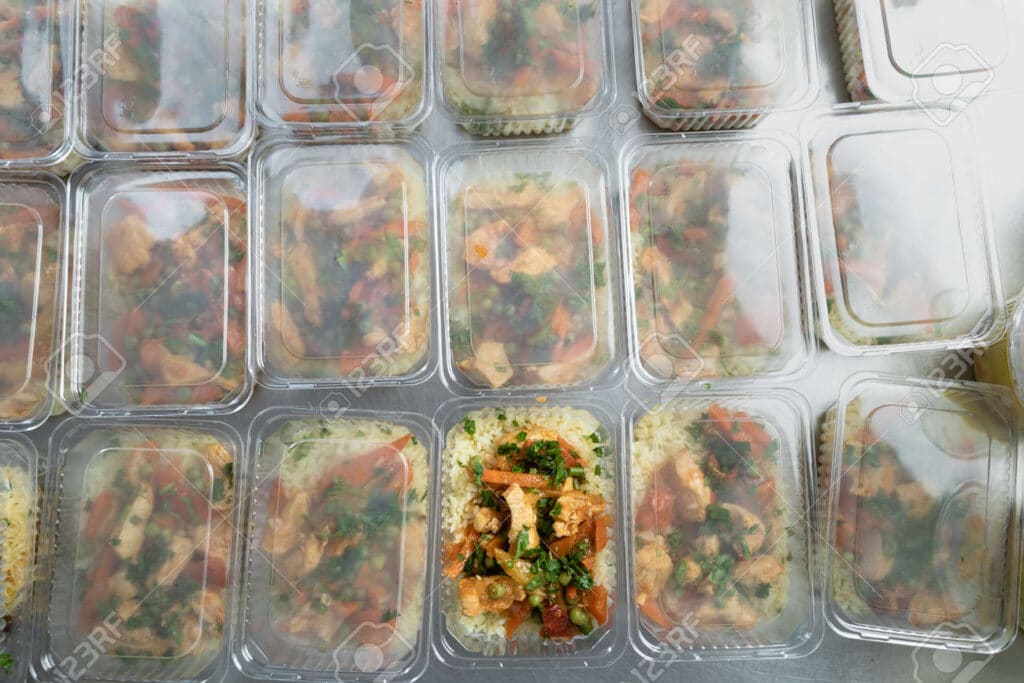
- Invest in quality containers: Having the right containers is essential for meal prepping. Look for durable, leak-proof containers that can hold an appropriate portion size.
- Batch cook: Prepare large quantities of certain recipes or ingredients that can be used in multiple meals throughout the week. This will save you time and ensure variety in your meals.
- Label and store properly: After preparing your meals, label them with the date and contents and store them properly in the refrigerator or freezer. This will help you stay organized and maintain food safety.
By incorporating meal prepping into your vegan meal plan, you can set yourself up for success. It allows you to maintain a healthy, balanced diet while saving time, money, and reducing food waste. So, start planning your meals in advance and enjoy the benefits of meal prepping!
Prep ingredients in bulk
One of the key strategies for a successful vegan meal plan is to prep ingredients in bulk. By preparing a large quantity of ingredients ahead of time, you can save yourself a lot of time and effort throughout the week.
Here are some tips for bulk prepping ingredients:
1. Wash and chop vegetables
Start by washing and chopping a variety of vegetables that you commonly use in your meals. This can include bell peppers, carrots, onions, broccoli, and more. Store them in airtight containers or ziplock bags in the refrigerator, so they’re ready to be used whenever you need them.
2. Cook grains and legumes
Cooking grains and legumes in bulk can save you a lot of time during the week. Prepare a large batch of quinoa, brown rice, lentils, chickpeas, or any other grains and legumes you prefer. Store them in the fridge or freezer, and simply reheat when needed.
3. Make sauces and dressings
Having a variety of homemade sauces and dressings on hand can elevate the flavors of your vegan meals. Spend some time to make a large batch of your favorite sauces, such as tahini sauce, marinara sauce, or peanut sauce. Store them in jars or bottles in the refrigerator.
4. Portion out snacks
To avoid mindless snacking and stay on track with your vegan meal plan, portion out healthy snacks in advance. This can include sliced fruits, veggie sticks with hummus, or homemade energy balls. Divide them into individual servings, so you can grab them easily when hunger strikes.
By prepping ingredients in bulk, you’ll have a well-stocked kitchen and save yourself time and stress when it comes to preparing vegan meals. It’s a great way to stay organized and set yourself up for success on your plant-based journey.
Use a variety of plant-based proteins
When following a vegan meal plan, it’s crucial to ensure that you’re getting enough protein to support your body’s needs. Fortunately, there are numerous plant-based sources of protein that you can incorporate into your meals.
Some excellent options for plant-based proteins include:
- Legumes, such as lentils, chickpeas, and black beans
- Tofu and tempeh
- Nuts and seeds, like almonds, walnuts, chia seeds, and hemp seeds
- Quinoa and other whole grains
- Seitan, which is made from gluten
By incorporating a variety of these plant-based proteins into your meals, you can ensure that you’re getting a complete amino acid profile and meeting your protein requirements.
Additionally, it’s important to keep in mind that some plant-based proteins are also rich in other nutrients, such as iron, calcium, and omega-3 fatty acids. For example, tofu and tempeh are excellent sources of calcium, while chia seeds are packed with omega-3s.
To maximize the nutritional benefits of your vegan meal plan, aim to include a combination of different plant-based proteins throughout the day. This will not only provide you with a diverse range of nutrients but also add variety and flavor to your meals.
Incorporate plenty of vegetables
When it comes to meal prepping for a successful vegan meal plan, incorporating plenty of vegetables is key. Vegetables are not only packed with essential nutrients, but they also add a variety of flavors and textures to your meals.
Here are some tips on how to incorporate plenty of vegetables into your meal prepping:
1. Choose a variety of colorful vegetables
When selecting your vegetables, aim for a rainbow of colors. Different colored vegetables provide different nutrients, so by including a variety, you ensure that you’re getting a wide range of vitamins and minerals.
2. Wash and chop your vegetables in advance
One of the benefits of meal prepping is saving time during the week. Take some time to wash and chop your vegetables in advance. This will make it easier to add them to your meals and snacks throughout the week.
3. Roast or sauté your vegetables
Roasting or sautéing your vegetables can enhance their flavors and bring out their natural sweetness. Consider making a large batch of roasted or sautéed vegetables to use throughout the week in salads, stir-fries, or as a side dish.
4. Include vegetables in every meal
Make it a goal to include vegetables in every meal, not just as a side dish. Add them to your breakfast smoothies, salads, sandwiches, wraps, stir-fries, and soups. By doing so, you’ll ensure that you’re getting a good amount of nutrients with every meal.
Remember, meal prepping is all about setting yourself up for success. By incorporating plenty of vegetables into your meal plan, you’re not only nourishing your body but also enjoying a wide range of flavors and textures.
Embrace whole grains and legumes
When it comes to meal prepping for a successful vegan meal plan, one of the key factors to consider is embracing whole grains and legumes. These plant-based foods are not only rich in essential nutrients but also provide a great source of protein, fiber, and complex carbohydrates.
Whole Grains
Whole grains such as quinoa, brown rice, oats, and whole wheat are excellent options to include in your vegan meal prep. They are packed with vitamins, minerals, and antioxidants that can contribute to your overall health and well-being. These grains are also versatile and can be used in a variety of dishes like salads, stir-fries, and grain bowls.
Legumes
Legumes like chickpeas, lentils, black beans, and tofu are fantastic sources of plant-based protein and should be a staple in your vegan meal plan. They are not only high in protein but also provide essential amino acids and iron. Incorporating legumes into your meal prep can be done by making bean-based soups, stews, curries, or even adding them to salads and wraps.
By including whole grains and legumes in your vegan meal prep, you are ensuring that you are getting a well-balanced and nutritious diet. These foods are not only filling but also provide the energy and nutrients needed to sustain an active lifestyle.
Tips for meal prepping with whole grains and legumes:
- Cook a large batch of grains and legumes at the beginning of the week and portion them out for easy access.
- Pre-soak and cook dried legumes to save time during the week.
- Experiment with different recipes and flavors to keep your meals interesting and flavorful.
- Store cooked grains and legumes in airtight containers in the fridge to maintain freshness.
- Consider freezing cooked grains and legumes in individual portions for longer shelf life.
Embracing whole grains and legumes in your vegan meal prep not only adds diversity to your meals but also ensures that you are meeting your nutritional needs. So, start incorporating these nutritious foods into your meal plan and reap the benefits of a successful and well-rounded vegan diet.
Experiment with different flavors and spices
When it comes to meal prepping for a successful vegan meal plan, one of the key aspects is to experiment with different flavors and spices. By incorporating a variety of flavors, you can ensure that your meals are interesting, satisfying, and enjoyable. Here are a few tips to help you in this process:
1. Explore international cuisines
One of the easiest ways to add excitement to your vegan meal plan is to explore different international cuisines. Each country has its own unique flavors and spices that can completely transform a dish. For example, you can try adding cumin and coriander for a Mexican-inspired meal, or turmeric and curry powder for an Indian twist. The possibilities are endless!
2. Don’t forget about herbs
Herbs are a fantastic way to add depth and freshness to your meals. Whether it’s fresh basil, parsley, cilantro, or dill, these herbs can elevate your dishes to a whole new level. Consider adding them to your salads, dressings, sauces, or even as a garnish. Not only do they add flavor, but they also provide added nutritional benefits.
3. Experiment with different spices
Spices are the secret weapon of any successful vegan meal plan. They can turn a bland dish into something extraordinary. Don’t be afraid to experiment with different spices such as paprika, cayenne pepper, cinnamon, or nutmeg. These spices can add warmth, depth, and complexity to your meals.
4. Invest in a variety of condiments
Condiments can be a game-changer when it comes to meal prepping. They can add that extra burst of flavor and variety to your meals. Stock up on a variety of condiments such as soy sauce, balsamic vinegar, hot sauce, tahini, or nutritional yeast. These condiments can be used to create dressings, sauces, or marinades that will take your meals to the next level.
5. Don’t be afraid to be bold
When experimenting with flavors and spices, don’t be afraid to be bold. Step out of your comfort zone and try new combinations. You never know what amazing flavors you might discover. Keep a record of your experiments and note down what works well for future reference.
By incorporating a variety of flavors and spices into your vegan meal plan, you can ensure that your meals are not only nutritious but also delicious. So, don’t be afraid to get creative and explore the vast world of flavors that vegan cooking has to offer!
Stay organized with a meal prep schedule
Meal prepping is a crucial aspect of maintaining a successful vegan meal plan. One of the key benefits of meal prepping is that it helps you stay organized and on track with your dietary goals. By creating a meal prep schedule, you can effectively plan your meals for the week ahead, ensuring that you have nutritious and delicious options readily available.
Here are some tips to help you stay organized with a meal prep schedule:
1. Plan your meals in advance
Take some time each week to plan your meals for the upcoming days. Consider your dietary needs, preferences, and any special occasions or events that may affect your meal choices. Write down a menu for each day, including breakfast, lunch, dinner, and snacks.
2. Create a shopping list
Once you have your meals planned out, make a shopping list of all the ingredients you will need. Having a list will not only help you stay organized but also prevent impulse purchases and unnecessary trips to the grocery store.
3. Set aside dedicated prep time
Choose a specific day or time each week to dedicate to meal prep. This could be on a Sunday afternoon or a weekday evening when you have some free time. By setting aside dedicated prep time, you can streamline the cooking process and ensure that you have meals ready to go throughout the week.
4. Batch cook and portion your meals
When preparing your meals, consider batch cooking. This involves cooking larger quantities of certain dishes and portioning them out into individual servings. This not only saves time but also ensures that you have balanced and portion-controlled meals readily available.
5. Use proper storage containers
Invest in high-quality storage containers that are suitable for storing your prepped meals. Look for containers that are microwave-safe, dishwasher-safe, and leak-proof to keep your meals fresh and convenient to heat up when needed.
6. Label and organize your meals
Once you have prepared your meals, label them with the date and contents. This will help you keep track of freshness and ensure that you consume them in the correct order. Additionally, organize your meals in the fridge or freezer in a way that makes them easily accessible and visible.
By following these tips and staying organized with a meal prep schedule, you can save time, reduce stress, and stay on track with your vegan meal plan. Not only will you have nutritious meals ready to go, but you will also be more likely to stick to your dietary goals and achieve long-term success.
Frequently Asked Questions
1. What is meal prepping?
Meal prepping is the act of preparing and portioning meals in advance.
2. Why is meal prepping important for a successful vegan meal plan?
Meal prepping ensures that you have nutritious and well-balanced meals ready to eat, making it easier to stick to your vegan meal plan.
3. How does meal prepping save time?
Meal prepping saves time by allowing you to cook and prepare multiple meals at once, reducing the time spent in the kitchen throughout the week.
4. Can meal prepping help with budgeting?
Yes, meal prepping can help with budgeting as it allows you to plan your meals, buy ingredients in bulk, and avoid unnecessary food waste.