
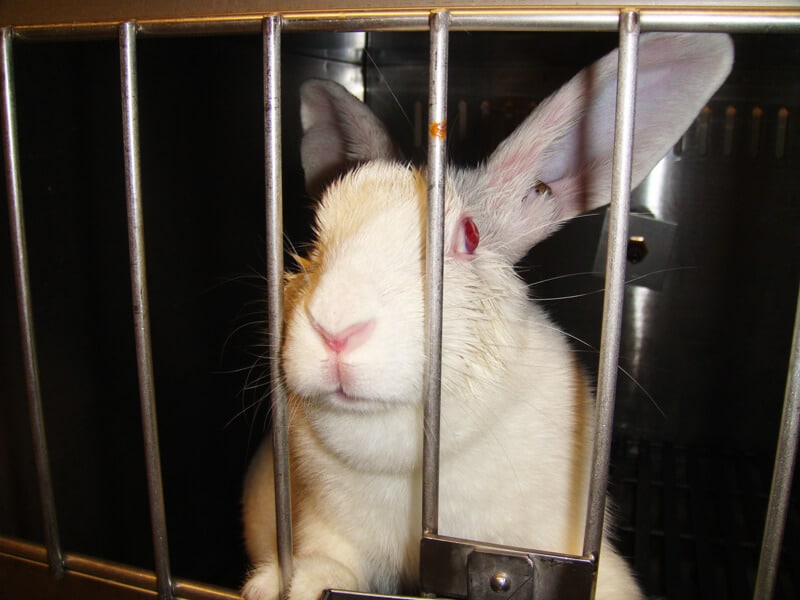
Animal testing has long been a controversial topic, with strong arguments on both sides. While some argue that it is necessary for medical advancements and ensuring the safety of products, others condemn it as cruel and unnecessary. It is important to delve into this issue and understand the realities of animal testing in order to make informed decisions and promote more ethical alternatives.
In this blog post, we will explore the reasons why animal testing is considered cruel and inhumane. We will look at the conditions in which animals are kept, the physical and psychological pain they endure, and the ethical implications of using animals for testing purposes. Additionally, we will discuss the advancements in technology and alternative testing methods that offer promising alternatives to animal testing. By understanding the cruelty behind animal testing and supporting these alternatives, we can contribute to a more compassionate and ethical society.
Promote awareness about animal testing
Animal testing is a controversial topic that has sparked widespread debate and concern. It involves conducting experiments on animals to assess the safety and efficacy of products, such as cosmetics, drugs, and chemicals. While animal testing has been instrumental in advancing scientific knowledge and developing life-saving treatments, it also raises ethical concerns due to the suffering and harm inflicted on animals.
Understanding the cruelty behind animal testing is crucial in promoting awareness and driving change towards more humane alternatives. Many animals used in experiments experience pain, distress, and long-term health issues. They are often subjected to invasive procedures, confinement, and even euthanasia after the experiments are completed.
The impact on animals
Animal testing involves a wide range of species, including mice, rats, rabbits, dogs, and primates. These animals have complex cognitive and emotional lives, and subjecting them to unnecessary suffering is morally objectionable. It is important to recognize that animals used in experiments are sentient beings capable of experiencing pain, fear, and distress.
Additionally, the use of animals in testing may not always provide reliable results for human applications. Species differences can affect the validity and applicability of the findings. Therefore, supporting alternatives to animal testing is not only ethically sound but also scientifically beneficial.
Supporting alternatives
There are numerous alternatives to animal testing that can provide reliable and accurate results while minimizing harm to animals. These alternatives include in vitro methods, computer simulations, and human-based clinical trials. By supporting and advocating for the use of these alternatives, individuals can contribute to the reduction and eventual elimination of animal testing.
Furthermore, supporting organizations that promote and fund research into alternative testing methods can help accelerate the development and implementation of these alternatives. By raising awareness about the availability and effectiveness of non-animal testing methods, we can encourage industries and regulatory bodies to adopt more compassionate and scientifically advanced approaches.
In conclusion, understanding the cruelty behind animal testing and supporting alternatives is essential for promoting a more compassionate and ethical approach to scientific research. By advocating for change, raising awareness, and supporting organizations dedicated to advancing non-animal testing methods, we can work towards a future where animals are no longer subjected to unnecessary suffering in the name of scientific progress.
Advocate for stricter regulations
Advocate for stricter regulations
Animal testing has long been a controversial topic, raising ethical concerns about the treatment of animals in scientific research. While some argue that it is necessary for medical advancements, others believe that it is a cruel practice that should be abolished. If you are someone who opposes animal testing and wants to make a difference, advocating for stricter regulations can be a powerful way to support alternatives and reduce the suffering of animals.
One effective way to advocate for stricter regulations is to educate yourself about the current laws and regulations in your country or region. Understanding the existing framework will enable you to identify the areas that need improvement and form a solid foundation for your advocacy efforts.
Educate others
Once you have a good grasp of the existing regulations, it’s important to share this knowledge with others. Spread awareness about the cruelty behind animal testing and the need for alternatives. You can do this by writing blog posts, sharing informative articles on social media, or organizing public talks or workshops.
Highlight the success stories of companies or organizations that have transitioned to alternative testing methods, showcasing that there are viable options available. By educating others, you can inspire them to join the cause and become advocates themselves.
Support and promote alternative testing methods
Another way to advocate for stricter regulations is to actively support and promote alternative testing methods. These methods include in vitro testing, computer simulations, and human tissue testing, among others. By highlighting the efficacy and reliability of these alternatives, you can demonstrate that there are viable options that can replace animal testing.
Supporting organizations that are dedicated to developing and promoting alternative testing methods is also crucial. Donate to these organizations, volunteer your time, or participate in fundraising events. By actively supporting these initiatives, you contribute to the growth of alternatives and help accelerate the transition away from animal testing.
Engage with policymakers
Engaging with policymakers is a critical step in advocating for stricter regulations on animal testing. Contact your local representatives, write letters or emails expressing your concerns, and request meetings to discuss the issue. Share your knowledge and personal experiences, and urge them to take action in enforcing stricter regulations and supporting alternative testing methods.
Additionally, consider joining or supporting lobbying groups or organizations that focus on animal rights and welfare. These groups often have established connections with policymakers and can amplify your voice in the political sphere.
Remember, advocating for stricter regulations requires persistence and consistency. Stay informed, educate others, support alternatives, and engage with policymakers. By taking these steps, you can contribute to the movement against animal testing and help bring about positive change.
Support cruelty-free and ethical brands
Supporting cruelty-free and ethical brands is one of the most effective ways to combat animal testing. By choosing to purchase products from these brands, you can actively contribute to ending the cruelty inflicted on animals in laboratories. Here are some steps you can take:
1. Educate yourself about cruelty-free certifications
Before making a purchase, make sure to familiarize yourself with different cruelty-free certifications. Look for logos such as the Leaping Bunny or PETA’s cruelty-free bunny logo. These certifications ensure that the brand does not test on animals at any stage of product development.
2. Research and make informed choices
Take the time to research brands and their policies on animal testing. Look for information on their websites and social media platforms. Some brands may claim to be cruelty-free, but may still sell products in countries where animal testing is required by law. Therefore, it’s important to gather all the necessary information before making your purchasing decisions.
3. Support brands that offer alternative testing methods
Many innovative companies are actively working on developing alternative testing methods that do not involve animals. Look for brands that support and invest in these alternatives. By supporting these brands, you are not only choosing cruelty-free products, but also promoting scientific advancements that can ultimately replace animal testing altogether.
4. Spread the word
Use your voice to raise awareness about the importance of supporting cruelty-free and ethical brands. Share your knowledge and experiences with others through social media, blog posts, or by simply having conversations with friends and family. Encourage them to join you in making conscious choices that prioritize the well-being of animals.
5. Vote with your wallet
Your purchasing power can make a significant impact. By choosing to support cruelty-free and ethical brands, you are sending a clear message to companies that animal testing is unacceptable. This can create a demand for alternative testing methods and push other companies to follow suit.
Remember, every small step counts. By supporting cruelty-free and ethical brands, you are contributing to the well-being of animals and promoting a more compassionate world. Together, we can make a difference and end animal testing once and for all.
Invest in alternative testing methods
Animal testing has long been a controversial topic, with many people questioning its ethical implications. While it has been used for years to test the safety and efficacy of various products and medications, there is a growing movement towards finding alternative testing methods that are both humane and reliable.
The cruelty behind animal testing
One of the main reasons why people advocate for alternatives to animal testing is the inherent cruelty involved in the process. Animals, often including mice, rats, rabbits, and even dogs and primates, are subjected to painful procedures and experiments that can cause immense suffering. From chemical exposure to surgical interventions, these tests can lead to physical and psychological trauma for the animals involved.
Furthermore, the conditions in which animals are kept during testing can be highly stressful and unnatural. They are often confined to small cages, deprived of social interaction, and exposed to unnatural environments. These factors not only add to their suffering but can also affect the accuracy and reliability of the test results.
Supporting alternative testing methods
Fortunately, advancements in science and technology have led to the development of alternative testing methods that can provide reliable data without the need for animal experimentation.
- In vitro testing: This method involves conducting experiments on cells, tissues, or organs outside of a living organism. By mimicking human physiological conditions, in vitro testing can provide valuable insights into the effects of substances without harming animals.
- Computer simulations: Utilizing sophisticated computer models, scientists can simulate the effects of substances on the human body. This approach offers a cost-effective and ethical alternative to animal testing, as it eliminates the need for live subjects.
- Human-based studies: Researchers can also conduct studies using human volunteers or human tissue samples. These studies allow for a more accurate representation of human responses to substances, reducing the need for animal testing.
By investing in and supporting these alternative testing methods, we can promote a more ethical and compassionate approach to scientific research. Not only do these methods minimize animal suffering, but they also offer more accurate results, as they are tailored specifically to human biology.
It is crucial for consumers to be aware of the cruelty behind animal testing and to actively choose products and medications that have been tested using alternative methods. By doing so, we can encourage companies and researchers to prioritize the development and implementation of these alternatives, ultimately leading to a future where animal testing is no longer necessary.
Encourage education on alternatives
Education plays a crucial role in promoting awareness and understanding of alternatives to animal testing. By providing accurate and accessible information, we can empower individuals to make informed decisions and actively support cruelty-free practices. Here are some key points to include in your blog post:
1. The importance of research
Begin by emphasizing the significance of scientific research in advancing medicine, cosmetics, and other industries. Highlight the need for testing new products and treatments to ensure safety and efficacy.
2. Ethical concerns
Discuss the ethical concerns surrounding animal testing, such as the suffering and potential harm inflicted on animals. Explain how animals used in experiments often endure pain, stress, and even death.
3. Understanding alternatives
Introduce various alternatives to animal testing that have been developed and are being utilized by researchers. These alternatives include in vitro studies, computer models, and human tissue cultures. Explain how these methods are more accurate, reliable, and humane.
4. Supporting organizations
Highlight the work of organizations dedicated to promoting alternative testing methods and ending animal testing. Encourage readers to support these organizations through donations, volunteering, or spreading awareness.
5. Consumer choices
Inform readers about the importance of making conscious consumer choices. Encourage them to look for cruelty-free labels and support companies that do not test on animals. Provide resources and tips on how to identify and purchase cruelty-free products.
6. Legislation and policy changes
Discuss the role of legislation and policy changes in reducing animal testing. Highlight recent advancements, such as bans on animal testing for cosmetics in certain countries, and encourage readers to support and advocate for stricter regulations.
7. Promoting a culture of compassion
End your blog post by emphasizing the need to foster a culture of compassion and empathy towards animals. Encourage readers to spread awareness, educate others, and actively support alternatives to animal testing in their personal and professional lives.
By providing a comprehensive overview of the cruelty behind animal testing and promoting alternatives, we can inspire change and contribute to a more compassionate future.
Promote the use of in vitro testing
Animal testing has long been a controversial topic, with many people questioning its ethical implications and the cruelty it entails. As society becomes more aware of animal rights and the need for cruelty-free alternatives, it is essential to promote the use of in vitro testing as a viable solution.
Understanding the cruelty behind animal testing
Animal testing involves subjecting animals to various experiments and procedures, often causing significant pain, distress, and suffering. Common practices include force-feeding, skin irritation tests, toxicity tests, and lethal dose testing.
Animals used in testing, such as mice, rabbits, and primates, are subjected to both acute and chronic pain and are often kept in confined spaces with limited access to natural environments. This confinement can lead to physical and psychological distress, causing immense suffering.
The limitations of animal testing
While animal testing has historically been used as a means to ensure product safety and efficacy, it has several limitations. First and foremost, the physiological differences between animals and humans make it challenging to extrapolate accurate results from animal studies to humans.
Additionally, the high costs, time-consuming nature, and ethical concerns associated with animal testing have prompted scientists and researchers to explore alternative methods that are both more efficient and humane.
Promoting the use of in vitro testing
In vitro testing, also known as test tube testing or cell culture testing, involves conducting experiments on cells or tissues outside of a living organism. This method offers several advantages over animal testing:
- Accuracy: In vitro tests can provide more accurate results as they directly involve human cells or tissues, eliminating the need for extrapolation.
- Efficiency: In vitro testing can be performed in a controlled laboratory environment, allowing for faster and more cost-effective experiments.
- Ethical considerations: In vitro testing eliminates the need for animal subjects, thereby reducing animal suffering and promoting ethical scientific practices.
By promoting the use of in vitro testing, we can contribute to the development and adoption of cruelty-free alternatives in various industries, including pharmaceuticals, cosmetics, and toxicology. Supporting research and funding initiatives focused on advancing in vitro testing methods can lead to a significant reduction in animal testing and a more compassionate approach to scientific advancement.
Lobby for funding for alternative research
Lobby for funding for alternative research
When it comes to animal testing, it’s essential to understand the cruelty behind it and support alternatives that can provide reliable and ethical results. One effective way to contribute to this cause is by lobbying for funding for alternative research.
By advocating for increased funding, you can help accelerate the development and implementation of innovative alternatives to animal testing. Here are some steps you can take to make a difference:
Educate yourself and others
Before you start lobbying for funding, it’s crucial to educate yourself about the various alternatives to animal testing that exist. Familiarize yourself with the latest scientific advancements, such as in vitro testing, microdosing, computer modeling, and tissue engineering. This knowledge will enable you to speak confidently about the effectiveness and reliability of alternative research methods when advocating for funding.
Additionally, share this information with others so that they, too, can understand the importance of supporting alternative research. Use social media, blog posts, or even public speaking opportunities to raise awareness about the cruelty of animal testing and the need for funding alternatives.
Find and join advocacy groups
There are numerous organizations and advocacy groups dedicated to promoting alternative research and ending animal testing. Research and find the groups that align with your values and goals, and join them. By joining forces with like-minded individuals, you can amplify your lobbying efforts and increase the chances of success.
Participate in the activities organized by these groups, such as campaigns, petitions, and protests. Be an active member and contribute your time and skills to further the cause.
Contact your representatives
One of the most effective ways to lobby for funding is by contacting your local and national representatives. Write letters, send emails, or make phone calls to express your concerns about animal testing and the importance of supporting alternative research. Be concise, passionate, and specific in your communication, highlighting the benefits and potential of alternative methods.
Consider organizing meetings with your representatives or attending town hall events to discuss the issue face-to-face. Building personal connections and sharing personal stories can have a powerful impact on decision-makers.
Support legislation and policies
Keep track of any proposed legislation or policies related to animal testing and alternative research. Stay informed about the progress of these initiatives and actively support those that align with your goals. Write letters of support, sign petitions, and encourage others to do the same.
Additionally, consider reaching out to relevant government agencies and institutions to urge them to prioritize funding for alternative research. Attend public hearings or comment on proposed regulations to make your voice heard.
Remember, lobbying for funding for alternative research is a long-term commitment. Stay engaged, collaborate with others, and continue advocating for change. Together, we can make a difference and put an end to the cruelty of animal testing.
Frequently Asked Questions
1. What is animal testing?
Animal testing refers to the use of animals in experiments and research for the purpose of scientific or medical advancement.
2. Why is animal testing considered cruel?
Animal testing is considered cruel because it often involves pain, suffering, and death for the animals involved.
3. Are there alternatives to animal testing?
Yes, there are alternative methods such as in vitro testing, computer modeling, and human tissue cultures that can replace animal testing.
4. Why should we support alternatives to animal testing?
We should support alternatives to animal testing because they can provide more accurate results, reduce animal suffering, and promote ethical research practices.

