As more people adopt a vegan lifestyle, the demand for delicious and nutritious plant-based meals is on the rise. Whether you are a long-time vegan or just exploring this dietary choice, it’s important to have a variety of tasty and nourishing recipes in your repertoire. In this blog post, we will explore some tips and tricks for making delicious and nourishing vegan meals that will satisfy your taste buds and nourish your body.
We will start by discussing the importance of incorporating a variety of plant-based proteins into your meals. From legumes and tofu to tempeh and seitan, there are countless options to choose from. We will also share some creative ways to use vegetables as the main focus of your meals, such as making cauliflower steaks or zucchini noodles. Additionally, we will explore different cooking techniques, like roasting and grilling, that can enhance the flavors of your vegan dishes. Lastly, we will provide some helpful tips for meal planning and prepping, so you can easily incorporate vegan meals into your busy lifestyle.
Explore plant-based protein sources
When it comes to making delicious and nutritious vegan meals, exploring plant-based protein sources is key. While many people think that protein can only come from animal products, there are actually plenty of options for vegans to get their protein fix.
1. Legumes
Legumes, such as lentils, chickpeas, and black beans, are excellent sources of plant-based protein. Not only are they rich in protein, but they also contain a good amount of fiber and essential nutrients. You can use legumes in a variety of vegan dishes, from soups and stews to salads and burgers.
2. Tofu and Tempeh
Tofu and tempeh are both made from soybeans and are great sources of protein for vegans. Tofu has a soft and silky texture, making it versatile for use in stir-fries, curries, and even desserts. Tempeh, on the other hand, has a firmer texture and a nutty flavor, making it perfect for grilling or sautéing.
3. Quinoa
Quinoa is a complete protein, meaning it contains all nine essential amino acids that our bodies need. It is also high in fiber and rich in other nutrients like magnesium and iron. Quinoa can be used as a base for salads, buddha bowls, or as a filling for stuffed peppers or mushrooms.
4. Nuts and Seeds
Nuts and seeds, such as almonds, walnuts, chia seeds, and hemp seeds, are not only delicious but also packed with protein and healthy fats. They can be added to smoothies, sprinkled on top of salads, or used as a base for homemade energy bars.
5. Plant-Based Meat Alternatives
If you’re looking for a more familiar taste and texture, there are now numerous plant-based meat alternatives available on the market. These products are typically made from soy or pea protein and can be used in recipes that call for meat, such as burgers, meatballs, and tacos.
By exploring these plant-based protein sources, you can create delicious and nutritious vegan meals that will satisfy your taste buds and provide you with the nutrients your body needs. So go ahead and get creative in the kitchen!
Experiment with different cooking techniques
Experimenting with different cooking techniques is a great way to add variety and flavor to your vegan meals. Here are some techniques you can try:
1. Roasting
Roasting vegetables and tofu can bring out their natural sweetness and add a delicious caramelized flavor. Simply toss your veggies or tofu in some olive oil, season with salt and pepper, and roast in the oven until golden brown and crispy.
2. Grilling
Grilling is a fantastic way to add a smoky flavor to your vegan meals. You can grill vegetables, tofu, tempeh, or seitan. Just marinate your protein of choice in a flavorful sauce, then grill until charred and cooked through.
3. Stir-frying
Stir-frying is a quick and easy cooking technique that works well with a variety of vegetables and proteins. Heat some oil in a wok or a large skillet, add your veggies and protein, and cook on high heat for a few minutes until everything is tender-crisp.
4. Steaming
Steaming is a healthy cooking technique that helps to retain the nutrients in your food. You can steam vegetables, tofu, or even make dumplings. Simply place your ingredients in a steamer basket or a heatproof dish, cover, and steam until tender.
5. Sautéing
Sautéing involves cooking your ingredients quickly in a hot pan with a small amount of oil. This technique works well for leafy greens, mushrooms, and thinly sliced tofu or tempeh. Add some garlic or onions for extra flavor.
By experimenting with these cooking techniques, you can transform simple vegan ingredients into delicious and nutritious meals. Don’t be afraid to get creative and try new combinations of flavors and textures!
Incorporate a variety of colorful vegetables
When it comes to making delicious and nutritious vegan meals, incorporating a variety of colorful vegetables is key. Not only do they add vibrant flavors to your dishes, but they also provide an array of essential nutrients.
Benefits of colorful vegetables
Colorful vegetables are packed with vitamins, minerals, and antioxidants that are beneficial for your overall health. Here are some of the benefits:
- Red vegetables: Rich in lycopene, which is known for its anti-inflammatory properties and may help reduce the risk of certain cancers.
- Orange vegetables: High in beta-carotene, which is converted into vitamin A in the body and is essential for good vision and a strong immune system.
- Yellow vegetables: Contain antioxidants like vitamin C and flavonoids that promote healthy skin and boost your immune system.
- Green vegetables: Packed with folate, iron, and fiber, which are essential for energy production, blood health, and digestion.
- Purple vegetables: Rich in anthocyanins, which have been linked to improved heart health and cognitive function.
How to incorporate colorful vegetables into your meals
Here are some ideas on how to incorporate a variety of colorful vegetables into your vegan meals:
- Make a rainbow salad with a mix of lettuce, cherry tomatoes, shredded carrots, bell peppers, and purple cabbage.
- Add roasted red bell peppers, sweet potatoes, and carrots to your favorite vegan curry for a burst of color.
- Sauté a medley of green vegetables like spinach, broccoli, and zucchini as a nutritious side dish.
- Make a vibrant stir-fry with yellow bell peppers, snap peas, and corn.
- Blend a variety of colorful vegetables like beets, carrots, and kale into a nourishing smoothie.
Remember, the more colorful your plate, the more nutrients you’ll be consuming. So, get creative and experiment with different combinations of colorful vegetables to make your vegan meals both delicious and nutritious!
Use herbs and spices for flavor
Using herbs and spices is a fantastic way to add flavor to your vegan meals. Not only do they enhance the taste, but they also provide numerous health benefits. Here are some essential herbs and spices you can use:
- Basil: Adds a sweet and aromatic flavor to your dishes. Perfect for tomato-based recipes and Italian cuisine.
- Cumin: Offers a smoky and earthy taste, commonly used in Mexican and Indian dishes.
- Turmeric: Known for its vibrant yellow color and warm, slightly bitter taste. Great for curries, rice, and roasted vegetables.
- Oregano: Provides a robust and slightly bitter flavor, perfect for Mediterranean dishes, pizzas, and pasta sauces.
- Garlic: Adds a pungent and savory taste to your meals. Use it minced, crushed, or roasted for a more intense flavor.
- Ginger: Offers a spicy and slightly sweet flavor. Ideal for Asian-inspired dishes and adds a zing to smoothies and teas.
- Parsley: Known for its fresh and grassy taste. Use it as a garnish or mix it into salads, soups, and sauces.
Experiment with different combinations of herbs and spices to create unique and delicious flavors in your vegan meals. Don’t be afraid to try new ones and adjust the amounts according to your taste preferences.
Try new vegan recipes regularly
One of the best ways to make delicious and nutritious vegan meals is to constantly try new recipes. This keeps your meals exciting and helps you discover new flavors and ingredients. Here are some tips to help you in your culinary adventures:
1. Explore different cuisines
Step out of your comfort zone and explore different cuisines from around the world. There are countless vegan recipes from various cultures that are not only delicious but also packed with nutrients. Try making Indian curries, Mexican tacos, Mediterranean salads, or Thai stir-fries.
2. Experiment with plant-based proteins
Protein is an essential part of a balanced vegan meal, and luckily there are plenty of plant-based options to choose from. Experiment with tofu, tempeh, seitan, legumes, and different types of beans to add variety and texture to your dishes. Don’t be afraid to try new cooking methods like marinating, grilling, or baking to enhance the flavors.
3. Incorporate a variety of colorful vegetables
Make your vegan meals visually appealing and nutrient-rich by incorporating a variety of colorful vegetables. Opt for leafy greens, bell peppers, tomatoes, carrots, broccoli, and other seasonal vegetables. Not only do they add vibrant colors to your plate, but they also provide a wide range of vitamins, minerals, and antioxidants.
4. Use herbs, spices, and condiments
Don’t underestimate the power of herbs, spices, and condiments in elevating the flavors of your vegan meals. Experiment with different combinations and find your favorites. Add fresh herbs like basil, cilantro, or parsley; spices like cumin, turmeric, or paprika; and condiments like soy sauce, tahini, or nutritional yeast to enhance the taste of your dishes.
5. Get creative with plant-based substitutes
Vegan cooking is all about finding creative substitutes for animal-based ingredients. Explore plant-based alternatives like almond milk, coconut milk, nutritional yeast, vegan cheese, and plant-based meats. These ingredients can help you recreate your favorite non-vegan dishes while keeping them delicious and nutritious.
6. Don’t be afraid to make mistakes
Remember, cooking is all about experimentation, and not every recipe will turn out perfectly the first time. Don’t be afraid to make mistakes and learn from them. Keep a positive attitude and enjoy the process of discovering new flavors and improving your cooking skills.
7. Share your creations and get inspired
Finally, don’t forget to share your vegan creations with others. Join online vegan communities, participate in recipe swaps, and get inspired by others’ creations. This will not only help you stay motivated but also give you a chance to learn from others and discover even more delicious and nutritious vegan meal ideas.
Remember, the key to making delicious and nutritious vegan meals is to keep trying new recipes, ingredients, and cooking methods. With a little bit of creativity and experimentation, you can create a wide variety of flavorful and satisfying vegan dishes that will impress even non-vegans.
Stay organized with meal planning
Meal planning is an essential tool for anyone looking to make delicious and nutritious vegan meals. By staying organized and planning ahead, you can ensure that you have all the necessary ingredients on hand and that you’re making the most of your time in the kitchen.
Here are some tips for staying organized with meal planning:
1. Create a weekly meal plan
Start by creating a weekly meal plan. This can be as simple as jotting down your planned meals for each day of the week. Consider your schedule and choose meals that are realistic and manageable for each day.
2. Make a shopping list
Once you have your meal plan, make a shopping list of all the ingredients you’ll need. Take inventory of your pantry and fridge to see what items you already have and what you need to buy.
3. Prep ingredients in advance
To save time during the week, consider prepping some ingredients in advance. This could include chopping vegetables, cooking grains, or making sauces and dressings. Store these prepped ingredients in containers or bags so that they’re ready to use when you need them.
4. Batch cook and freeze
Another great way to stay organized with meal planning is to batch cook and freeze meals. Choose a day or two during the week to cook larger quantities of your favorite dishes and then portion them out into individual servings. Label and freeze these meals so that you can easily grab them when you’re short on time.
5. Mix and match recipes
Don’t be afraid to mix and match recipes to create new meals. Use your meal plan as a guide and get creative with the ingredients you have on hand. This can help prevent food waste and keep your meals interesting.
By following these meal planning tips, you’ll be well on your way to making delicious and nutritious vegan meals. Stay organized, be creative, and enjoy the process of cooking and nourishing your body with plant-based goodness!
Don’t be afraid to get creative!
When it comes to making delicious and nutritious vegan meals, the key is to not be afraid to get creative in the kitchen. With so many plant-based ingredients and flavors to explore, the possibilities are endless.
One great way to get creative with vegan cooking is to experiment with different flavors and spices. Instead of relying on traditional meat-based seasonings, such as salt and pepper, try using herbs like basil, thyme, and rosemary to add depth and complexity to your dishes. You can also experiment with spices like cumin, paprika, and turmeric to give your meals a unique and delicious twist.
Another way to get creative with vegan meals is to try new ingredients. From nutrient-packed vegetables like kale, spinach, and sweet potatoes, to protein-rich legumes like chickpeas and lentils, there are so many options to choose from. Don’t be afraid to try new things and incorporate them into your recipes. You might just discover a new favorite ingredient or combination.
One important aspect of making delicious and nutritious vegan meals is ensuring that you are getting a variety of nutrients. This means incorporating a wide range of fruits, vegetables, whole grains, and plant-based proteins into your diet. By doing so, you can ensure that you are getting all the essential vitamins, minerals, and antioxidants your body needs to thrive.
Meal planning and prepping
Meal planning and prepping can be extremely helpful when it comes to making delicious and nutritious vegan meals. By taking the time to plan out your meals for the week and prep ingredients in advance, you can save time and ensure that you always have healthy options on hand.
Start by creating a meal plan for the week. This can include breakfast, lunch, dinner, and snacks. Consider what ingredients you already have on hand and what you need to buy. Try to incorporate a variety of flavors, textures, and colors into your meals to keep things interesting.
Once you have your meal plan, take some time to prep ingredients in advance. This can include washing and chopping vegetables, cooking grains and legumes, and portioning out ingredients for easy assembly later. By prepping in advance, you can save time during the week and make it easier to stick to your vegan meal plan.
Easy and delicious vegan recipes
Looking for some inspiration? Here are a few easy and delicious vegan recipes to get you started:
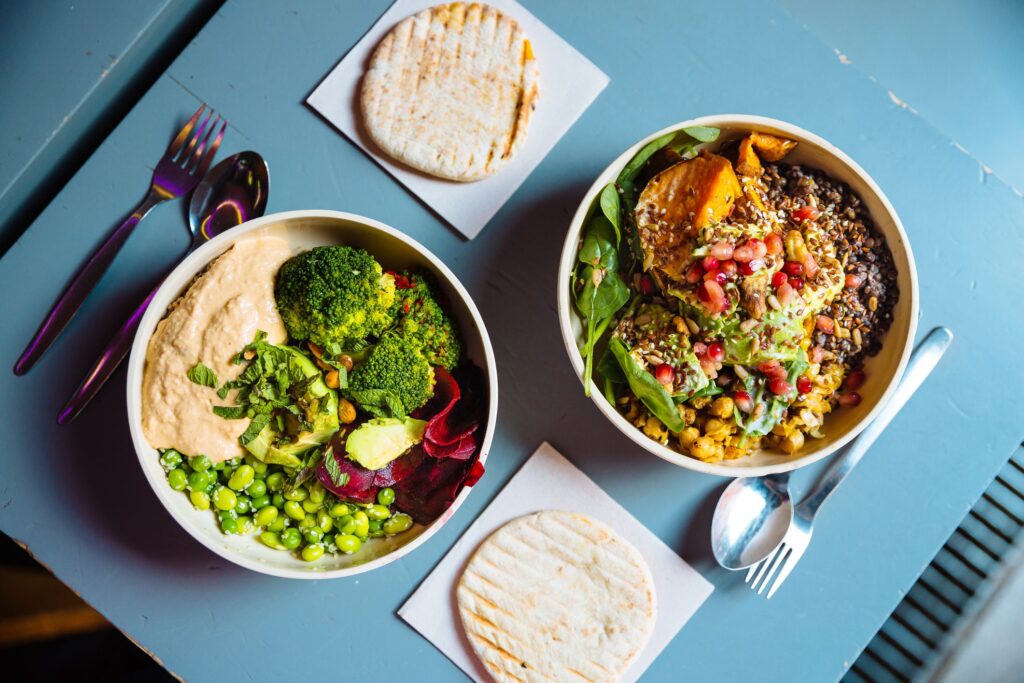
- Vegan Buddha Bowl: Packed with roasted vegetables, tofu or tempeh, and a flavorful sauce, this Buddha Bowl is a nutritious and satisfying meal. Customize it with your favorite veggies and grains.
- Quinoa Stuffed Bell Peppers: These colorful bell peppers are filled with a delicious mixture of quinoa, black beans, corn, and spices. They make for a hearty and protein-rich meal.
- Chickpea Curry: This creamy and flavorful curry is made with chickpeas, coconut milk, and a blend of spices. Serve it over rice or with naan bread for a satisfying meal.
- Vegan Lentil Soup: This hearty lentil soup is packed with vegetables, lentils, and aromatic spices. It’s a comforting and nutritious option for chilly days.
Remember, the key to making delicious and nutritious vegan meals is to not be afraid to get creative, try new ingredients, and experiment with flavors. With a little bit of imagination and some kitchen know-how, you can create meals that are both satisfying and good for you.
Frequently Asked Questions
1. What is a vegan diet?
A vegan diet is a plant-based diet that excludes all animal products, including meat, dairy, eggs, and honey.
2. Can you get enough protein on a vegan diet?
Yes, it is possible to get enough protein on a vegan diet by consuming a variety of plant-based protein sources such as beans, lentils, tofu, tempeh, and quinoa.
3. What are some good sources of calcium on a vegan diet?
Good sources of calcium on a vegan diet include fortified plant-based milks, tofu, tempeh, leafy green vegetables like kale and broccoli, and almonds.
4. How can I ensure I get all the necessary nutrients on a vegan diet?
You can ensure you get all the necessary nutrients on a vegan diet by eating a variety of fruits, vegetables, whole grains, legumes, nuts, and seeds, and considering supplements for nutrients like vitamin B12 and omega-3 fatty acids.