
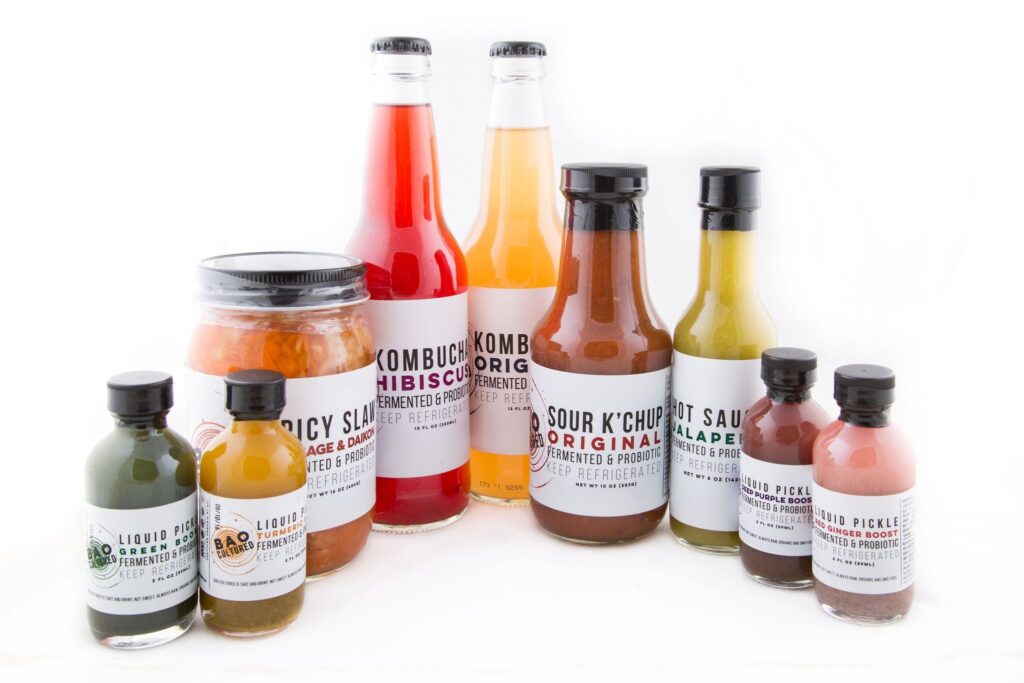
When it comes to the vegan diet, there are often questions about what can and cannot be consumed. One common question is whether vegans can eat bacteria. Bacteria are microscopic organisms that can be found in various foods and beverages. In this article, we will explore the vegan perspective on consuming bacteria and discuss some vegan-friendly options that contain beneficial bacteria.
1. Yes, vegans can consume bacteria
Contrary to popular belief, vegans can consume bacteria. Bacteria are naturally occurring microorganisms that play a crucial role in various biological processes. While some bacteria can cause illness, many bacteria are beneficial and essential for our health.
Vegans follow a plant-based diet that excludes all animal products, including meat, dairy, eggs, and honey. However, bacteria are not considered animals and are therefore not excluded from the vegan diet. In fact, consuming certain types of bacteria can have numerous health benefits.
2. Bacteria in various foods and beverages
Bacteria can be found in a wide range of foods and beverages, both plant-based and animal-based. Some examples of foods and beverages that naturally contain bacteria include fermented foods, probiotic supplements, yogurts, kefirs, sourdough bread, tempeh, miso, pickles, kimchi, sauerkraut, kombucha, and many more.
It’s important to note that not all bacteria are the same. Some bacteria are harmful and can cause foodborne illnesses, while others are beneficial and can promote gut health and overall well-being. When consuming bacteria, it’s crucial to choose sources that contain beneficial bacteria and have been produced in a safe and controlled environment.
3. Fermented foods with beneficial bacteria
Fermented foods are a great source of beneficial bacteria for vegans. Fermentation is a natural process that involves the breakdown of carbohydrates by bacteria and yeast. This process not only enhances the flavor and texture of foods but also increases their nutritional value.
Some examples of vegan-friendly fermented foods that contain beneficial bacteria include sauerkraut, kimchi, kombucha, tempeh, miso, pickles, and sourdough bread. These foods undergo a fermentation process that allows beneficial bacteria to thrive, resulting in a product that is rich in probiotics.
4. Probiotic supplements for vegans
In addition to consuming fermented foods, vegans can also take probiotic supplements to ensure an adequate intake of beneficial bacteria. Probiotics are live bacteria and yeasts that are beneficial for our digestive system.
Probiotic supplements are available in various forms, including capsules, tablets, powders, and liquids. It’s important to choose vegan-friendly probiotic supplements that do not contain any animal-derived ingredients. Reading the product labels and checking for vegan certifications can help ensure that the supplements are suitable for vegans.
5. Vegan-friendly yogurts and dairy-free kefirs with bacterial cultures
Yogurts and kefirs are traditionally made from dairy milk and contain bacterial cultures that provide probiotic benefits. However, there are now many vegan-friendly alternatives available that are made from plant-based ingredients and still contain beneficial bacterial cultures.
Vegan yogurts and dairy-free kefirs are typically made from ingredients like soy, almond, coconut, or cashews. These products are fermented with bacterial cultures, such as Lactobacillus acidophilus and Bifidobacterium lactis, which provide the same probiotic benefits as their dairy counterparts.
6. Vegan cheese and yogurt with bacterial cultures
Vegan cheese and yogurt are popular dairy alternatives for vegans. While these products are typically made from plant-based ingredients, some varieties also contain bacterial cultures to enhance their flavor and texture.
When choosing vegan cheese and yogurt, look for options that specifically mention the presence of bacterial cultures on the label. These products can provide the same probiotic benefits as traditional dairy cheese and yogurt.
7. Vegan-friendly sourdough bread with naturally occurring bacteria
Sourdough bread is a type of bread that is made through a fermentation process involving naturally occurring bacteria and yeast. The fermentation process gives sourdough bread its distinct tangy flavor and chewy texture.
Vegans can enjoy sourdough bread as it does not contain any animal products. The naturally occurring bacteria in sourdough bread can contribute to a healthy gut microbiome and provide some probiotic benefits.
8. Tempeh: a fermented soy product with beneficial bacteria
Tempeh is a traditional Indonesian food made from fermented soybeans. It is a popular plant-based protein source for vegans and vegetarians. The fermentation process involved in making tempeh allows beneficial bacteria to grow, resulting in a product that is rich in probiotics.
Vegans can incorporate tempeh into their diet to enjoy the probiotic benefits along with the nutritional benefits of soybeans.
9. Miso: a traditional Japanese seasoning with bacteria
Miso is a traditional Japanese seasoning made from fermented soybeans, rice, or barley. It is commonly used in soups, marinades, and dressings. Miso contains live bacteria, including the probiotic strain Lactobacillus plantarum, which can support gut health.
Vegans can enjoy miso as a flavorful addition to their meals while also benefiting from the probiotic properties it offers.
10. Natto: a traditional Japanese food with bacteria
Natto is another traditional Japanese food made from fermented soybeans. It has a unique taste and texture and is often enjoyed as a breakfast food. Natto contains a specific strain of bacteria called Bacillus subtilis, which has been shown to have probiotic properties.
Vegans can include natto in their diet to experience the probiotic benefits along with the nutritional benefits of soybeans.
11. Vegan-friendly pickles and pickled vegetables made through fermentation
Pickles and pickled vegetables are a popular snack and condiment. While some pickles are made using vinegar, others are made through the process of fermentation, which involves the growth of beneficial bacteria.
Vegans can enjoy pickles and pickled vegetables that have been made through fermentation to benefit from the probiotic properties they offer.
12. Vegan-friendly kimchi: a Korean side dish with bacteria
Kimchi is a traditional Korean side dish made from fermented vegetables, such as cabbage and radishes. It is known for its spicy and tangy flavor. Kimchi contains various strains of bacteria, including Lactobacillus plantarum, which can support gut health.
Vegans can enjoy kimchi as a flavorful addition to their meals while also benefiting from the probiotic properties it provides.
13. Vegan-friendly sauerkraut: a fermented cabbage dish with bacteria
Sauerkraut is a fermented cabbage dish that originated in Germany. It is made by fermenting cabbage with salt, which allows beneficial bacteria to grow. Sauerkraut contains various strains of bacteria, including Lactobacillus plantarum and Leuconostoc mesenteroides, which can support gut health.
Vegans can enjoy sauerkraut as a tasty and probiotic-rich addition to their meals.
14. Vegan-friendly kombucha: a fermented tea beverage with bacteria
Kombucha is a fermented tea beverage that has gained popularity in recent years. It is made by fermenting sweetened tea with a symbiotic culture of bacteria and yeast (SCOBY). The fermentation process allows beneficial bacteria and yeasts to thrive, resulting in a probiotic-rich beverage.
Vegans can enjoy kombucha as a refreshing and probiotic-packed alternative to sugary drinks.
15. Vegan-friendly water kefir: a fermented beverage made from sugar water with bacteria
Water kefir is a fermented beverage made from sugar water and water kefir grains. These grains contain a mixture of bacteria and yeasts that ferment the sugar water, resulting in a probiotic-rich beverage.
Vegans can enjoy water kefir as a refreshing and probiotic-packed alternative to sugary drinks.
16. Some vegan-friendly miso soups with bacteria
Miso soup is a traditional Japanese soup made from miso paste and various ingredients like tofu, seaweed, and vegetables. Miso paste contains live bacteria, including the probiotic strain Lactobacillus plantarum, which can support gut health.
Vegans can enjoy miso soup as a warm and comforting dish while also benefiting from the probiotic properties it offers.
17. Vegan-friendly probiotic drinks like coconut water kefir with bacteria
Coconut water kefir is a probiotic-rich beverage made from fermented coconut water. It contains live bacteria and yeasts that provide probiotic benefits.
Vegans can enjoy coconut water kefir as a refreshing and probiotic-packed alternative to sugary drinks.
18. Vegan-friendly probiotic capsules and tablets with bacteria
In addition to consuming bacteria through food and beverages, vegans can also take probiotic capsules and tablets. These supplements contain live bacteria and can be a convenient way to ensure an adequate intake of beneficial bacteria.
It’s important to choose vegan-friendly probiotic supplements that do not contain any animal-derived ingredients. Reading the product labels and checking for vegan certifications can help ensure that the supplements are suitable for vegans.
19. Some vegan-friendly plant-based yogurts with bacterial cultures
Plant-based yogurts made from ingredients like soy, almond, coconut, or cashews can also contain bacterial cultures. These yogurts are fermented with bacterial cultures, such as Lactobacillus acidophilus and Bifidobacterium lactis, which provide probiotic benefits.
Vegans can enjoy plant-based yogurts as a delicious and probiotic-rich alternative to dairy yogurts.
20. Vegan-friendly fermented soy products like soy sauce and tamari with bacteria
Soy sauce and tamari are popular condiments made from fermented soybeans. The fermentation process allows beneficial bacteria to grow, resulting in a product that is rich in probiotics.
Vegans can use soy sauce and tamari to add flavor to their dishes while also benefiting from the probiotic properties they offer.
21. Some vegan-friendly fermented vegetables like beet kvass and cortido with bacteria
Beet kvass and cortido are examples of vegan-friendly fermented vegetables that contain beneficial bacteria. Beet kvass is a fermented beverage made from beets, while cortido is a traditional Salvadoran sauerkraut made from cabbage, carrots, and other vegetables.
Vegans can enjoy beet kvass and cortido as flavorful additions to their meals while also benefiting from the probiotic properties they provide.
22. Vegan-friendly fermented condiments like hot sauce and mustard with bacteria
Hot sauce and mustard are condiments that can be made through the process of fermentation, which involves the growth of beneficial bacteria. Fermented hot sauces and mustards can provide probiotic benefits in addition to adding flavor to dishes.
Vegans can enjoy fermented hot sauce and mustard as tasty and probiotic-rich additions to their meals.
23. Some vegan-friendly fermented bean pastes like doenjang and doubanjiang with bacteria
Doenjang and doubanjiang are traditional fermented bean pastes used in Korean and Chinese cuisines, respectively. These pastes are made from fermented soybeans and can contain beneficial bacteria.
Vegans can use doenjang and doubanjiang to add depth of flavor to their dishes while also benefiting from the probiotic properties they offer.
24. Vegan-friendly fermented grain products like sourdough bread and injera with bacteria
Sourdough bread and injera are examples of vegan-friendly fermented grain products that contain beneficial bacteria. Sourdough bread is made through a fermentation process involving naturally occurring bacteria and yeast, while injera is a traditional Ethiopian flatbread made from fermented teff flour.
Vegans can enjoy sourdough bread and injera as tasty and probiotic-rich alternatives to regular bread.
25. Vegan-friendly fermented fruit products like apple cider vinegar and fruit kvass with bacteria
Apple cider vinegar and fruit kvass are examples of vegan-friendly fermented fruit products that contain beneficial bacteria. Apple cider vinegar is made through a fermentation process involving apples, while fruit kvass is a fermented beverage made from fruit and water.
Vegans can use apple cider vinegar and fruit kvass in their cooking and enjoy the probiotic benefits they provide.
26. Some vegan-friendly fermented tea beverages like jun and water kefir with bacteria
Jun and water kefir are examples of vegan-friendly fermented tea beverages that contain beneficial bacteria. Jun is made by fermenting green tea and honey, while water kefir is made by fermenting sugar water with water kefir grains.
Vegans can enjoy jun and water kefir as refreshing and probiotic-packed alternatives to sugary drinks.
27. Vegan-friendly fermented nut and seed products like almond yogurt and tahini with bacteria
Almond yogurt and tahini are examples of vegan-friendly fermented nut and seed products that contain beneficial bacteria. Almond yogurt is made from fermented almond milk, while tahini is made from ground sesame seeds.
Vegans can enjoy almond yogurt and tahini as creamy and probiotic-rich alternatives to dairy-based yogurts and spreads.
28. Some vegan-friendly fermented seaweed products like nori and wakame with bacteria
Nori and wakame are examples of vegan-friendly fermented seaweed products that contain beneficial bacteria. These seaweeds undergo a fermentation process that allows beneficial bacteria to thrive, resulting in a product that is rich in probiotics.
Vegans can enjoy nori and wakame as nutritious and probiotic-rich additions to their meals.
29. Vegan-friendly fermented mushroom products like tempeh and reishi tea with bacteria
Tempeh and reishi tea are examples of vegan-friendly fermented mushroom products that contain beneficial bacteria. Tempeh is a traditional Indonesian food made from fermented soybeans, while reishi tea is made from fermented reishi mushrooms.
Vegans can enjoy tempeh and reishi tea as flavorful and probiotic-rich additions to their diet.
30. Some vegan-friendly fermented legume products like chickpea miso and black bean tempeh with bacteria
Chickpea miso and black bean tempeh are examples of vegan-friendly fermented legume products that contain beneficial bacteria. Chickpea miso is made from fermented chickpeas, while black bean tempeh is made from fermented black beans.
Vegans can enjoy chickpea miso and black bean tempeh as protein-rich and probiotic-packed alternatives to traditional miso and tempeh.
In conclusion, vegans can consume bacteria through various foods and beverages. Fermented foods, probiotic supplements, vegan-friendly yogurts, kefirs, sourdough bread, tempeh, miso, pickles, kimchi, sauerkraut, kombucha, and many other options are available to provide beneficial bacteria and probiotic benefits. It’s important for vegans to choose sources that contain beneficial bacteria and have been produced in a safe and controlled environment. By incorporating these foods and beverages into their diet, vegans can support their gut health and overall well-being.

