
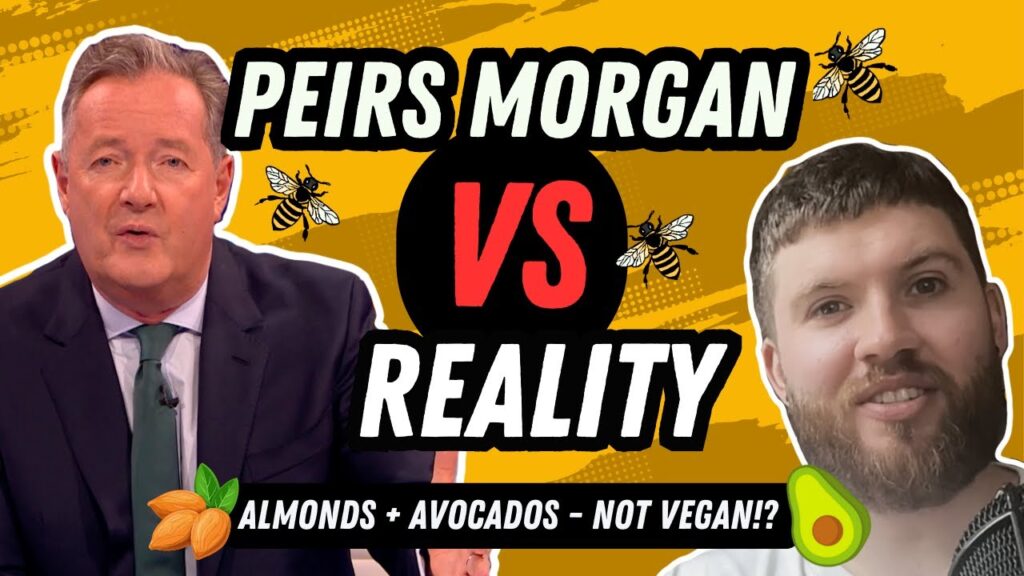
Debated topic among vegans
The question of whether vegans can eat avocados is a topic of debate among the vegan community. While avocados are a popular and nutritious fruit, their cultivation involves the use of bees for pollination. This has raised concerns among some vegans who believe that any use of animals for human consumption goes against the principles of veganism.
Reliance on bees for pollination
Avocado trees rely on bees for pollination in order to produce fruit. Bees play a crucial role in the pollination process by transferring pollen from the male flowers to the female flowers, allowing for fertilization and fruit development. Without bees, avocados would not be able to reproduce and bear fruit.
Migratory beekeeping for avocado cultivation
Many avocado farms use migratory beekeeping practices to ensure successful pollination. This involves transporting beehives long distances to avocado orchards during the blooming season. Beekeepers move their hives from one location to another, following the bloom of different crops, including avocados.
Transporting bees long distances for pollination
The practice of transporting bees long distances for pollination has been criticized by some vegans. They argue that it is an unnatural use of animals for human benefit and goes against the principles of veganism, which aim to minimize harm to animals.
Unnatural use of animals by some vegans
For some vegans, the use of animals for any purpose, including pollination, is considered exploitation. They believe that animals should not be used as a means to an end and that their rights should be respected. This perspective challenges the idea of consuming avocados, as they rely on bees for their production.
Potential exploitation of bees in avocado cultivation
There are concerns that the migratory beekeeping practices used in avocado cultivation may exploit bees. The long-distance transportation of bees can be stressful for them and may have negative impacts on their health and well-being. Some vegans argue that this exploitation of bees goes against the principles of veganism.
Alternative methods of avocado pollination
While many avocado farms rely on migratory beekeeping, not all farms use this method. Some smaller farms practice natural, local beekeeping, where bees are kept in the vicinity of the avocado orchards. These bees naturally pollinate the avocado trees without the need for long-distance transportation.
Accessibility of naturally-pollinated avocados
While natural, locally-pollinated avocados may be available from some smaller farms, it may not be practical or possible for everyone to access them. Large-scale avocado production often relies on migratory beekeeping due to the high demand for avocados and the need for efficient pollination methods.
Different opinions among vegan experts and activists
Vegan experts and activists have different opinions on whether avocados can be considered vegan. Some argue that as long as avocados are not directly exploiting animals for their consumption, they can be included in a vegan diet. Others believe that any use of animals, including bees, goes against the principles of veganism.
Vegan Society’s definition of veganism
The Vegan Society, one of the leading organizations in the vegan movement, defines veganism as «a way of living which seeks to exclude, as far as is possible and practicable, all forms of exploitation of, and cruelty to, animals for food, clothing or any other purpose.» This definition allows for some forms of exploitation that are not possible to avoid in current society.
Striving to minimize harm to animals
Vegans strive to minimize harm to animals as much as possible within the constraints of the world we live in. While some vegans may choose to avoid avocados due to their reliance on bees, others may see it as a practical compromise in their efforts to reduce harm to animals.
Reliance on bees in large-scale produce farming
It is important to note that bees play a crucial role in large-scale produce farming, not just in avocado cultivation. Many fruits and vegetables rely on bees for pollination, and without their contribution, our food system would be severely impacted. The challenge lies in finding sustainable and ethical ways to meet the demand for food while minimizing harm to animals.
Challenges in breaking away from current farming practices
Breaking away from current farming practices that rely on animal exploitation is not an easy task. Modern society and overpopulation have created a demand for large-scale food production, which often involves the use of animals for various purposes, including pollination. Transitioning to alternative methods of farming requires significant changes in infrastructure, technology, and consumer behavior.
Making choices that align with vegan values
While the debate around avocados and veganism continues, it is ultimately up to each individual vegan to make choices that align with their values. Some vegans may choose to avoid avocados due to their reliance on bees, while others may see it as a practical compromise in their efforts to reduce harm to animals.
Welcoming changes in farming practices
Vegans are advocates for change and welcome improvements in farming practices that reduce harm to animals. As awareness grows and consumer demand for ethical and sustainable products increases, there is hope for the development of alternative methods of pollination that do not rely on the exploitation of bees or other animals.

