
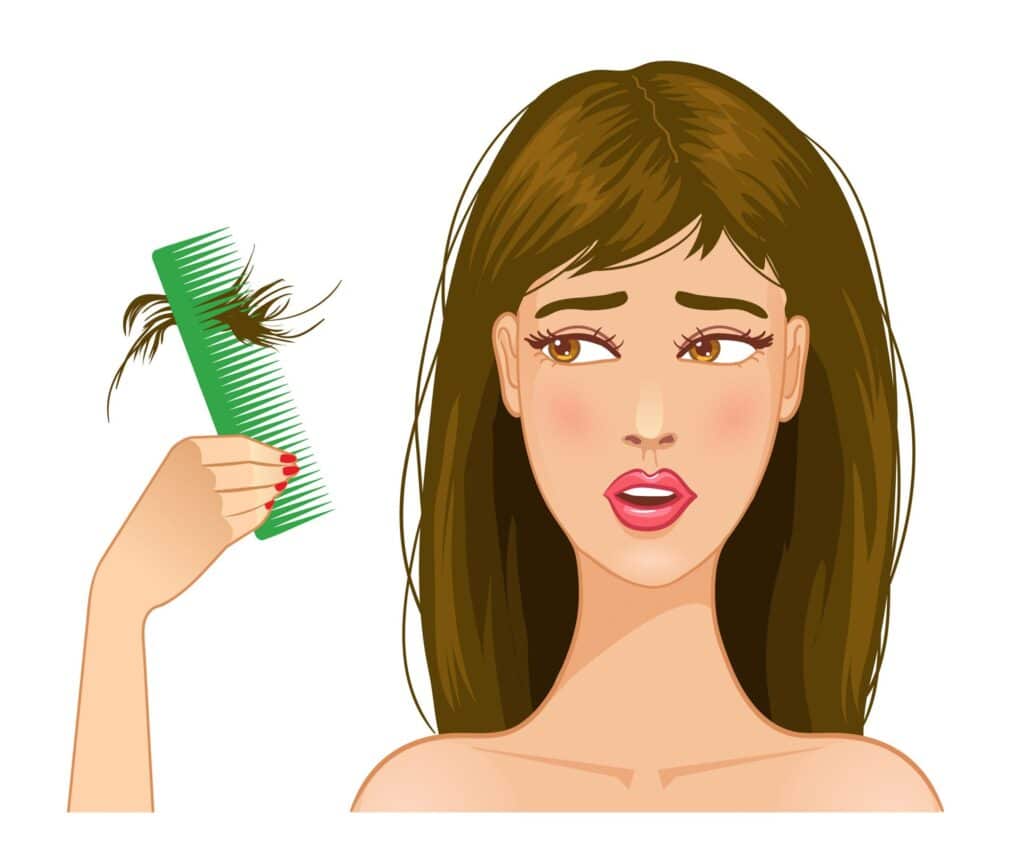
There has been a growing interest in veganism and vegetarianism in recent years, with many people adopting these diets for various reasons, including ethical, environmental, and health concerns. However, one common concern that arises when it comes to following a plant-based diet is the potential for hair loss. Does veganism cause hair loss? In this article, we will explore the truth behind vegetarian and vegan hair loss and discuss the impact of nutritional deficiencies on hair health.
Common Nutritional Deficiencies
When following a vegan or vegetarian diet, it is important to ensure that you are getting all the necessary nutrients for optimal health. Unfortunately, certain nutrients that are essential for hair health are more commonly found in animal-based products. Let’s take a look at some of the common nutritional deficiencies that can occur in a vegan or vegetarian diet:
Iron deficiency
Iron is an essential mineral for hair growth and health. It helps in the production of hemoglobin, which carries oxygen to the hair follicles. A deficiency in iron can lead to hair loss and thinning. While plant-based sources of iron do exist, they are not as easily absorbed by the body as heme iron found in animal products.
Vitamin B12 deficiency
Vitamin B12 is crucial for the production of red blood cells, which carry oxygen to the scalp and hair follicles. It is primarily found in animal-based foods, making it difficult for vegans to obtain adequate amounts of this vitamin. A deficiency in vitamin B12 can lead to hair loss and other health issues.
Biotin deficiency
Biotin, also known as vitamin B7, is essential for the production of keratin, a protein that makes up the structure of hair. It is commonly found in animal-based foods such as eggs and dairy products. Vegans may have a higher risk of biotin deficiency, which can result in hair loss and brittle hair.
Zinc deficiency
Zinc plays a vital role in hair tissue growth and repair. It helps to keep the oil glands around the hair follicles functioning properly. Plant-based sources of zinc, such as legumes and whole grains, contain phytic acid, which can inhibit the absorption of zinc in the body. This can lead to a deficiency and subsequent hair loss.
Cysteine deficiency
Cysteine is an amino acid that is essential for the production of keratin, the protein that makes up the structure of hair. It is primarily found in animal-based foods such as meat, poultry, and eggs. Vegans may have a lower intake of cysteine, which can affect the health and strength of their hair.
Lysine deficiency
Lysine is an essential amino acid that is important for the production of collagen, a protein that provides structure to the hair. It is commonly found in animal-based foods such as meat, fish, and dairy products. Vegans may have a lower intake of lysine, which can impact the health and growth of their hair.
Selenium toxicity
Selenium is a trace mineral that is important for hair health. However, excessive intake of selenium can lead to toxicity, which can cause hair loss. Plant-based sources of selenium, such as Brazil nuts, can be high in this mineral, and excessive consumption can lead to adverse effects.
Protein deficiency
Protein is essential for hair growth and strength. It provides the building blocks for the hair shaft and helps to repair and maintain hair follicles. While it is possible to obtain adequate protein on a vegan or vegetarian diet, it requires careful planning and a variety of plant-based protein sources.
Impact on Hair Health
The nutritional deficiencies mentioned above can have a significant impact on hair health. Let’s take a closer look at how these deficiencies can affect the hair:
Lack of essential nutrients for healthy hair
When the body lacks essential nutrients for hair health, it can lead to hair loss, thinning, and brittle hair. Without an adequate supply of nutrients such as iron, B vitamins, biotin, zinc, cysteine, lysine, and selenium, the hair follicles may not receive the necessary support for optimal growth and health.
Reduced intake of heme iron
Heme iron, found in animal-based foods, is more easily absorbed by the body compared to non-heme iron found in plant-based sources. Iron deficiency can lead to anemia, which can result in hair loss. Vegans and vegetarians may have a higher risk of iron deficiency due to the reduced intake of heme iron.
Difficulty absorbing B12 through vegan food sources
Vitamin B12 is primarily found in animal-based foods, making it challenging for vegans to obtain adequate amounts of this vitamin. B12 deficiency can lead to anemia and hair loss. While some plant-based foods are fortified with B12, it may not be enough to meet the body’s needs.
Lack of biotin in vegan diet
Biotin is essential for the production of keratin, the protein that makes up the structure of hair. While biotin is found in small amounts in some plant-based foods, it is more abundant in animal-based foods. Vegans may have a higher risk of biotin deficiency, which can result in hair loss and brittle hair.
Phytic acid in plant-based foods inhibiting zinc absorption
Plant-based sources of zinc contain phytic acid, which can inhibit the absorption of zinc in the body. Zinc deficiency can lead to hair loss and impaired hair growth. Vegans and vegetarians may need to be mindful of their zinc intake and consider supplementation if necessary.
Insufficient cysteine for keratin production
Cysteine is an amino acid that is essential for the production of keratin, the protein that makes up the structure of hair. Animal-based foods are rich in cysteine, while plant-based sources may not provide adequate amounts. A deficiency in cysteine can affect the health and strength of the hair.
Inadequate lysine for collagen production
Lysine is an essential amino acid that is important for the production of collagen, a protein that provides structure to the hair. Animal-based foods are high in lysine, while plant-based sources may not provide sufficient amounts. A deficiency in lysine can impact the health and growth of the hair.
Excess selenium causing hair loss
While selenium is important for hair health, excessive intake can lead to toxicity and hair loss. Plant-based sources of selenium, such as Brazil nuts, can be high in this mineral. It is important to monitor selenium intake and avoid excessive consumption.
Reduction in protein intake affecting hair health
Protein is essential for hair growth and strength. A reduction in protein intake, whether intentional or unintentional, can lead to hair loss and weakened hair follicles. Vegans and vegetarians need to ensure they are getting enough protein from plant-based sources to support hair health.
Addressing Nutritional Deficiencies
If you are experiencing hair loss or thinning on a vegan or vegetarian diet, it is important to address any potential nutritional deficiencies. Here are some strategies to consider:
Need for supplements to replace missing nutrients
In some cases, it may be necessary to supplement your diet with specific nutrients that are lacking. For example, vegans may need to take a B12 supplement to ensure they are getting enough of this essential vitamin. Consult with a healthcare professional or registered dietitian to determine if supplementation is necessary.
Diet changes to include zinc, B vitamins, and iron-rich foods
Make an effort to include foods rich in zinc, B vitamins, and iron in your diet. Zinc-rich foods include pumpkin seeds, cashews, almonds, chickpeas, and kidney beans. B vitamins can be found in nutritional yeast, whole grains, and fortified plant-based milk. Iron-rich foods include lentils, spinach, nuts, seeds, dark chocolate, and skin-on potatoes.
Monitoring selenium intake
While selenium is important for hair health, excessive intake can lead to toxicity. Be mindful of your selenium intake and avoid excessive consumption of selenium-rich foods, such as Brazil nuts.
Recommended Vegan Foods for Hair Health
While following a vegan or vegetarian diet may present some challenges when it comes to hair health, there are still plenty of plant-based foods that can support optimal hair growth and health. Here are some recommended vegan foods for hair health:
Foods rich in iron
Lentils, spinach, nuts, seeds, dark chocolate, and skin-on potatoes.
Foods rich in protein
Nuts, beans, soy-based products, quinoa, nutritional yeast, and vegan protein powders.
Foods rich in zinc
Pumpkin seeds, cashews, almonds, chickpeas, and kidney beans.
Foods rich in biotin
Peanuts, rolled oats, mushrooms, avocado, and seeds.
Foods rich in lysine
Tofu, soybeans, chickpeas, kidney beans, and lentils.
Foods rich in cysteine
Soy, nuts, seeds, and oatmeal.
Avoiding dairy to prevent hair loss
Dairy products can contribute to inflammation and hormonal imbalances, which can negatively affect hair health. Avoiding dairy and opting for plant-based alternatives can help prevent hair loss and promote overall hair health.
Treatment Options
If you are experiencing hair loss or thinning on a vegan or vegetarian diet, you may be wondering about treatment options. Here are some options to consider:
Medical treatment options may be ineffective
It is important to note that medical treatment options for hair loss may not be as effective for individuals following a vegan or vegetarian diet. This is because the underlying cause of hair loss in these cases is often nutritional deficiencies, which need to be addressed through diet and supplementation.
Topical hair loss medication (Minoxidil) to stimulate hair follicles
Minoxidil is a topical medication that is commonly used to treat hair loss. It works by stimulating hair follicles and promoting hair growth. While it can be used by individuals following a vegan or vegetarian diet, it is important to address any underlying nutritional deficiencies for optimal results.
Switching to vegan-friendly hair care products
Many hair care products contain animal-derived ingredients or are tested on animals. Switching to vegan-friendly hair care products can align with your ethical beliefs and support overall hair health.
Using black seed oil for hair regrowth and scalp health
Black seed oil has been used for centuries for its potential benefits for hair growth and scalp health. It is rich in antioxidants and essential fatty acids, which can nourish the hair follicles and promote healthy hair growth. Incorporating black seed oil into your hair care routine may help with hair regrowth.
Keeping scalp healthy and hydrated for optimal hair growth
A healthy scalp is essential for optimal hair growth. Keep your scalp clean and well-hydrated by washing it regularly and using a gentle shampoo. Avoid using harsh chemicals or excessive heat on your hair, as these can damage the hair follicles and lead to hair loss.
Sulphate-free, naturally-derived hair care products for growth and hydration
Opt for sulphate-free and naturally-derived hair care products that are gentle on the hair and scalp. Look for ingredients such as aloe vera, coconut oil, and argan oil, which can nourish and hydrate the hair follicles for optimal hair growth.
Conclusion
While veganism and vegetarianism have many health benefits, it is important to be aware of the potential for hair loss due to nutritional deficiencies. Vegan thinning hair is a common side effect of a plant-based diet, but it can be managed with better management of essential nutrients and vegan hair care products. By addressing any potential deficiencies and incorporating nutrient-rich foods into your diet, you can support optimal hair growth and reverse hair loss. Remember to consult with a healthcare professional or registered dietitian for personalized advice and guidance.

