
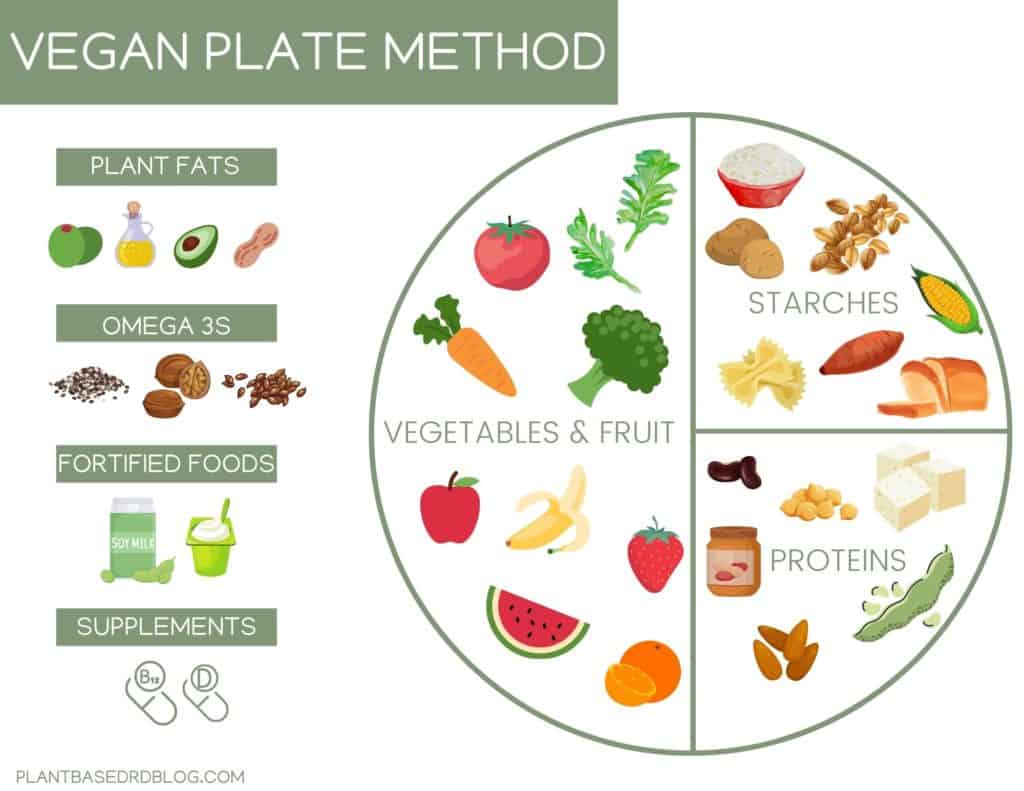
With the increasing popularity of veganism, many people are curious about whether a vegan diet can provide all the necessary nutrients for optimal health. Veganism is a lifestyle that excludes the consumption of animal products, including meat, dairy, eggs, and honey. While some may argue that a vegan diet is limited and lacks essential nutrients, others believe that with proper planning and knowledge, it can be a healthy and balanced way of eating.
In this blog post, we will explore the potential benefits and challenges of a vegan diet in terms of meeting nutritional needs. We will discuss the key nutrients that may be lacking in a vegan diet and provide practical tips on how to ensure an adequate intake of these nutrients. Whether you are considering going vegan or are already following a vegan lifestyle, this post will provide valuable insights into how to maintain a well-rounded and nutritious diet.
Yes, a well-planned vegan diet can provide all necessary nutrients
Switching to a vegan diet doesn’t mean sacrificing essential nutrients. By carefully planning your meals and incorporating a variety of plant-based foods, you can meet all your nutritional needs.
Protein
Contrary to popular belief, it is possible to get enough protein on a vegan diet. Plant-based sources of protein include legumes (such as beans, lentils, and chickpeas), tofu, tempeh, seitan, and edamame. Nuts, seeds, and whole grains also contribute to your protein intake.
Iron
Iron is essential for transporting oxygen throughout the body. Plant-based sources of iron include dark leafy greens (like spinach and kale), lentils, chickpeas, quinoa, tofu, and fortified cereals. Consuming vitamin C-rich foods alongside iron-rich foods can enhance iron absorption.
Calcium
While dairy products are a common source of calcium in traditional diets, vegans can obtain this mineral from plant-based sources such as fortified plant milk, tofu, tempeh, almonds, tahini, and leafy greens like broccoli and kale.
Vitamin B12
Vitamin B12 is primarily found in animal products, so it’s important for vegans to supplement or consume fortified foods like plant-based milks, breakfast cereals, and nutritional yeast. Consult with a healthcare professional to determine the right dosage for you.
Omega-3 Fatty Acids
Omega-3 fatty acids are vital for brain health and reducing inflammation. Vegans can obtain these fatty acids from sources like flaxseeds, chia seeds, hemp seeds, walnuts, and algae-based supplements.
Vitamin D
Vitamin D is necessary for bone health and immune function. While sunlight is the best source of vitamin D, fortified plant milks and cereals, as well as supplements, can help vegans meet their needs.
Remember, it’s essential to eat a well-balanced vegan diet that includes a variety of fruits, vegetables, whole grains, legumes, nuts, and seeds to ensure you’re getting all the necessary nutrients. If you have any concerns or specific nutritional needs, consult with a registered dietitian or healthcare professional.
Focus on diverse plant-based foods
A vegan diet can absolutely provide all the necessary nutrients, as long as it is well-planned and includes a variety of plant-based foods. Here are some key points to keep in mind:
1. Protein
Contrary to popular belief, it is possible to meet protein needs on a vegan diet. Sources of plant-based protein include legumes (such as beans, lentils, and chickpeas), tofu, tempeh, seitan, nuts, and seeds. It is important to include a variety of these protein-rich foods in your meals to ensure you are getting all the essential amino acids.
2. Calcium
While dairy products are a common source of calcium, there are plenty of plant-based alternatives. Calcium-rich foods for vegans include fortified plant milks, tofu made with calcium sulfate, leafy greens (such as kale, broccoli, and bok choy), and fortified orange juice. It is important to consume adequate amounts of these foods to meet your calcium needs.
3. Iron
Iron is found in both animal and plant foods. Vegans can obtain iron from sources like legumes, tofu, tempeh, quinoa, fortified cereals, nuts, seeds, and dark leafy greens. Consuming vitamin C-rich foods (such as citrus fruits, berries, and bell peppers) alongside iron-rich foods can enhance iron absorption.
4. Vitamin B12
Vitamin B12 is essential for vegans as it is primarily found in animal products. Vegans should ensure they consume fortified plant-based milk, breakfast cereals, nutritional yeast, or take a B12 supplement to meet their needs. It’s important to regularly check vitamin B12 levels and consult a healthcare professional for guidance.
5. Omega-3 fatty acids
Omega-3 fatty acids are important for brain health and heart health. While fish is a common source of omega-3s, vegans can obtain them from plant-based sources like flaxseeds, chia seeds, hemp seeds, walnuts, and algae-based supplements.
Remember, it’s important to have a diverse and balanced diet that includes a variety of fruits, vegetables, whole grains, legumes, nuts, and seeds. If you have any concerns or questions about meeting your nutritional needs on a vegan diet, it is always best to consult with a registered dietitian or healthcare professional.
Include sources of protein like legumes, tofu, and tempeh
When following a vegan diet, it is important to include sources of protein to ensure that you are meeting your nutritional needs. Luckily, there are many plant-based sources of protein that can be easily incorporated into a vegan diet.
Legumes, such as lentils, chickpeas, and black beans, are excellent sources of protein. They are also rich in fiber, vitamins, and minerals. Including legumes in your meals can help you meet your protein requirements.
Tofu is another great source of protein for vegans. It is made from soybeans and is a versatile ingredient that can be used in a variety of dishes. Tofu is also a good source of calcium, iron, and other minerals.
Tempeh is another soy-based protein option. It is made from fermented soybeans and has a slightly nutty flavor. Tempeh is rich in protein, fiber, and various nutrients, making it a nutritious addition to a vegan diet.
In addition to legumes, tofu, and tempeh, there are also other plant-based sources of protein that can be incorporated into a vegan diet. These include quinoa, seitan, nuts, and seeds.
It is important to vary your protein sources to ensure that you are getting a wide range of essential amino acids. By including these plant-based protein sources in your meals, you can easily meet your protein needs on a vegan diet.
Ensure adequate intake of vitamins B12 and D
It is important for vegans to ensure they are getting enough vitamins B12 and D, as these nutrients are primarily found in animal-based foods. Here are some ways to ensure adequate intake:
Vitamin B12:
Vitamin B12 is essential for the production of red blood cells and proper functioning of the nervous system. Since it is primarily found in animal products, vegans may need to supplement their diet with vitamin B12 or consume fortified foods.
- Take a vitamin B12 supplement: This is the most reliable way to ensure adequate intake of vitamin B12. There are various forms of supplements available, such as tablets, sublingual drops, or sprays. Consult with a healthcare professional to determine the appropriate dosage for you.
- Consume fortified foods: Some plant-based milks, cereals, and nutritional yeast are fortified with vitamin B12. Check the labels to ensure they contain adequate amounts of vitamin B12.
Vitamin D:
Vitamin D is important for bone health, immune function, and overall well-being. While it can be synthesized by the body through sunlight exposure, it can be challenging for vegans to get enough vitamin D from sunlight alone, especially in areas with limited sun exposure.
- Get sunlight exposure: Spend time outdoors, especially during the hours when the sun is strongest. Expose your skin (face, arms, and legs) to the sunlight for about 10-30 minutes a day, depending on your skin type and the intensity of the sun.
- Consume fortified foods: Some plant-based milks, cereals, and orange juice are fortified with vitamin D. Check the labels to ensure they contain adequate amounts of vitamin D.
- Consider a vitamin D supplement: If you are unable to get enough vitamin D from sunlight and fortified foods, you may need to supplement your diet with vitamin D. Consult with a healthcare professional to determine the appropriate dosage for you.
By ensuring adequate intake of vitamins B12 and D, vegans can meet their nutritional needs and maintain good health on a plant-based diet.
Include sources of calcium like fortified plant-based milk
To ensure a vegan diet provides all the necessary nutrients, it is important to include sources of calcium. One way to do this is by consuming fortified plant-based milk. Fortified plant-based milk, such as almond milk or soy milk, can provide a good amount of calcium that is essential for bone health. Make sure to check the labels and choose a variety that is fortified with calcium.
Incorporate omega-3 fatty acids from flaxseeds, chia seeds, or walnuts
Omega-3 fatty acids are essential for a healthy diet, and they are commonly found in fish and seafood. However, for vegans, it is important to find alternative sources of these essential nutrients. Luckily, there are several plant-based options available.
One way to incorporate omega-3 fatty acids into a vegan diet is by consuming flaxseeds. These tiny seeds are rich in alpha-linolenic acid (ALA), which is a type of omega-3 fatty acid. You can easily add flaxseeds to your meals by sprinkling them on top of your cereal, yogurt, or salads.
Another great source of omega-3 fatty acids for vegans is chia seeds. These small black seeds are packed with ALA, fiber, and protein. You can include chia seeds in your diet by adding them to smoothies, oatmeal, or even making chia seed pudding.
Walnuts are also an excellent source of omega-3 fatty acids. They contain a type of omega-3 called alpha-linolenic acid (ALA) which can be converted to other forms of omega-3s in the body. You can snack on walnuts, add them to your salads or use them as a crunchy topping for your dishes.
By incorporating these plant-based sources of omega-3 fatty acids into your vegan diet, you can ensure that you are getting all the necessary nutrients for optimal health.
Seek guidance from a registered dietitian
When following a vegan diet, it is important to ensure that you are getting all the necessary nutrients for optimal health. While it is possible to meet your nutritional needs on a vegan diet, it may require some planning and guidance.
One of the best ways to ensure you are meeting your nutritional needs is to seek guidance from a registered dietitian who specializes in vegan nutrition. They can help you create a well-balanced meal plan that provides all the necessary nutrients your body needs.
A registered dietitian will consider your individual needs, such as age, gender, activity level, and any specific health concerns you may have. They will provide personalized recommendations on the best food choices and portion sizes to meet your nutrient needs.
It is important to note that a vegan diet can be rich in many essential nutrients. However, there are a few nutrients that may require special attention:
- Protein: While it is possible to get enough protein on a vegan diet, it is important to consume a variety of plant-based protein sources such as legumes, tofu, tempeh, seitan, and whole grains.
- Vitamin B12: Vitamin B12 is primarily found in animal products, so it is important for vegans to supplement or consume fortified foods that are a reliable source of this vitamin.
- Iron: Plant-based sources of iron include legumes, tofu, spinach, and fortified cereals. Pairing iron-rich foods with sources of vitamin C can enhance iron absorption.
- Calcium: Plant-based sources of calcium include leafy greens, fortified plant-based milks, tofu, and sesame seeds. Ensuring adequate calcium intake is important for bone health.
- Omega-3 fatty acids: Vegans can obtain omega-3 fatty acids from sources such as flaxseeds, chia seeds, hemp seeds, and walnuts. Consider incorporating these foods into your diet regularly.
Remember, it is always best to consult with a registered dietitian to ensure you are meeting your specific nutrient needs on a vegan diet. They can provide individualized advice and help you navigate any potential challenges to ensure you are thriving on your plant-based journey.
Frequently Asked Questions
Can a vegan diet provide all the necessary nutrients?
Yes, a well-planned vegan diet can meet all nutritional needs.
What are some good plant-based sources of protein?
Legumes, tofu, tempeh, quinoa, and nuts are all good sources of plant-based protein.
Is it possible to get enough calcium on a vegan diet?
Yes, calcium can be obtained from plant-based sources such as tofu, leafy greens, and fortified non-dairy milks.
Are there any vegan sources of omega-3 fatty acids?
Yes, flaxseeds, chia seeds, hemp seeds, and walnuts are all vegan sources of omega-3 fatty acids.

