What is soy milk?
Soy milk is a plant-based milk alternative that is made from soybeans. It is a popular choice for those who are lactose intolerant or follow a vegan or dairy-free diet. Soy milk has a creamy texture and a slightly nutty flavor, making it a versatile option for various culinary uses.
Is soy milk vegan?
Yes, soy milk is considered vegan. It is made entirely from plant-based ingredients, with soybeans being the main component. Vegans choose to avoid animal products and by-products, and soy milk fits into this category as it does not contain any dairy or animal-derived ingredients.
Why do vegans drink soy milk?
Vegans choose to drink soy milk for several reasons. Firstly, it is a great alternative to dairy milk for those who are lactose intolerant or have a dairy allergy. Soy milk provides a similar creamy texture and can be used in the same way as dairy milk in recipes and beverages.
Secondly, soy milk is a sustainable choice. The production of soy milk requires fewer resources, such as water and land, compared to dairy milk. Additionally, soybeans are a renewable crop, making soy milk a more environmentally friendly option.
Lastly, soy milk is a good source of plant-based protein. It contains all nine essential amino acids, making it a complete protein source. This is particularly beneficial for vegans who may struggle to meet their protein needs without consuming animal products.
Health benefits of soy milk
Soy milk offers several health benefits, making it a popular choice among vegans and non-vegans alike. Here are some of the key health benefits of soy milk:
1. Nutritional profile: Soy milk is a good source of essential nutrients such as protein, calcium, vitamin D, and vitamin B12. It is often fortified with these nutrients to ensure it provides a similar nutritional profile to dairy milk.
2. Heart health: Soy milk is low in saturated fat and cholesterol, making it a heart-healthy choice. It also contains omega-3 fatty acids, which have been shown to reduce the risk of heart disease.
3. Bone health: Soy milk is often fortified with calcium and vitamin D, which are essential for maintaining strong and healthy bones. This is particularly important for vegans who may have limited sources of these nutrients in their diet.
4. Hormonal balance: Soy milk contains natural compounds called phytoestrogens, which are similar to the hormone estrogen found in the human body. These compounds may help regulate hormone levels and reduce the risk of certain hormone-related conditions.
5. Digestive health: Soy milk is lactose-free, making it a suitable option for those with lactose intolerance. It is also easier to digest compared to dairy milk, making it a gentler choice for those with sensitive stomachs.
How is soy milk made?
Soy milk is made by soaking, grinding, and boiling soybeans. Here is a step-by-step process of how soy milk is made:
1. Soaking: Soybeans are soaked in water overnight to soften them and remove any impurities.
2. Grinding: The soaked soybeans are then ground into a fine paste using a blender or food processor. Water is added during this process to create a smooth consistency.
3. Straining: The soybean paste is strained through a cheesecloth or fine mesh strainer to separate the liquid (soy milk) from the solids (okara).
4. Boiling: The strained soy milk is then heated to a boil and simmered for a few minutes to remove any raw taste and ensure it is safe to consume.
5. Flavoring and sweetening: After boiling, the soy milk can be flavored and sweetened according to personal preference. Common flavorings include vanilla, chocolate, or matcha.
6. Cooling and storing: The soy milk is then cooled and stored in the refrigerator. It is best consumed within a few days.
Is soy milk a good alternative to dairy milk?
Yes, soy milk is a good alternative to dairy milk for those who are lactose intolerant, have a dairy allergy, or follow a vegan or dairy-free diet. It has a similar creamy texture and can be used in the same way as dairy milk in recipes and beverages.
Soy milk also offers several health benefits, such as being a good source of plant-based protein, heart-healthy fats, and essential nutrients like calcium and vitamin D. It is often fortified with these nutrients to ensure it provides a similar nutritional profile to dairy milk.
However, it is important to note that soy milk may not be suitable for everyone. Some individuals may have soy allergies or sensitivities, and in such cases, alternative dairy-free milk options should be considered.
Other dairy-free milk options for vegans
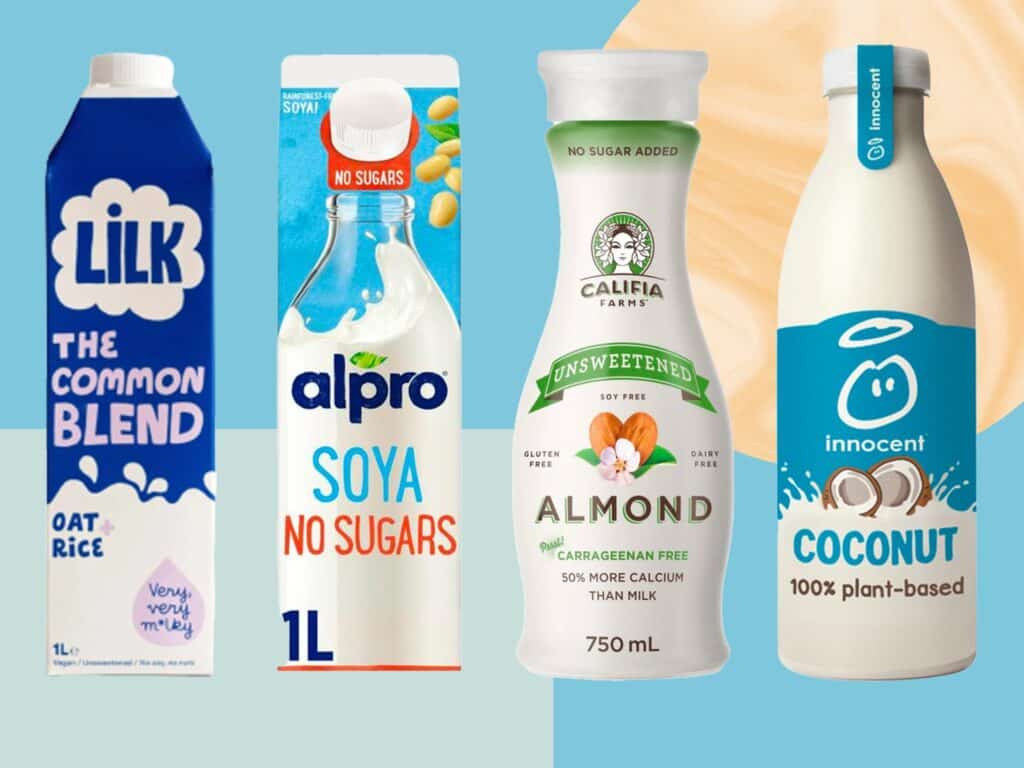
While soy milk is a popular choice, there are several other dairy-free milk options available for vegans. Here are some of the most common alternatives:
1. Almond milk: Made from ground almonds and water, almond milk has a slightly sweet and nutty flavor. It is low in calories and a good source of vitamin E.
2. Oat milk: Made from oats and water, oat milk has a creamy texture and a mild, slightly sweet taste. It is often fortified with nutrients like calcium and vitamin D.
3. Coconut milk: Made from the flesh of coconuts and water, coconut milk has a rich and creamy texture with a subtle coconut flavor. It is high in healthy fats and can be used in both sweet and savory dishes.
4. Rice milk: Made from milled rice and water, rice milk has a mild and slightly sweet taste. It is often fortified with nutrients like calcium and vitamin D.
5. Hemp milk: Made from hemp seeds and water, hemp milk has a nutty flavor and a creamy texture. It is a good source of omega-3 fatty acids and plant-based protein.
These dairy-free milk alternatives can be found in most grocery stores and are suitable for vegans and those with dairy allergies or intolerances.
Conclusion
In conclusion, yes, vegans can drink soy milk. Soy milk is a plant-based milk alternative that is made from soybeans and is considered vegan as it does not contain any dairy or animal-derived ingredients. It is a sustainable choice, offers several health benefits, and can be used as a good alternative to dairy milk in various recipes and beverages.
However, it is important to note that soy milk may not be suitable for everyone, especially those with soy allergies or sensitivities. In such cases, there are other dairy-free milk options available, such as almond milk, oat milk, coconut milk, rice milk, and hemp milk.
Ultimately, the choice of dairy-free milk depends on personal preference, dietary needs, and any allergies or intolerances. It is always recommended to consult with a healthcare professional or registered dietitian before making any significant changes to your diet.