
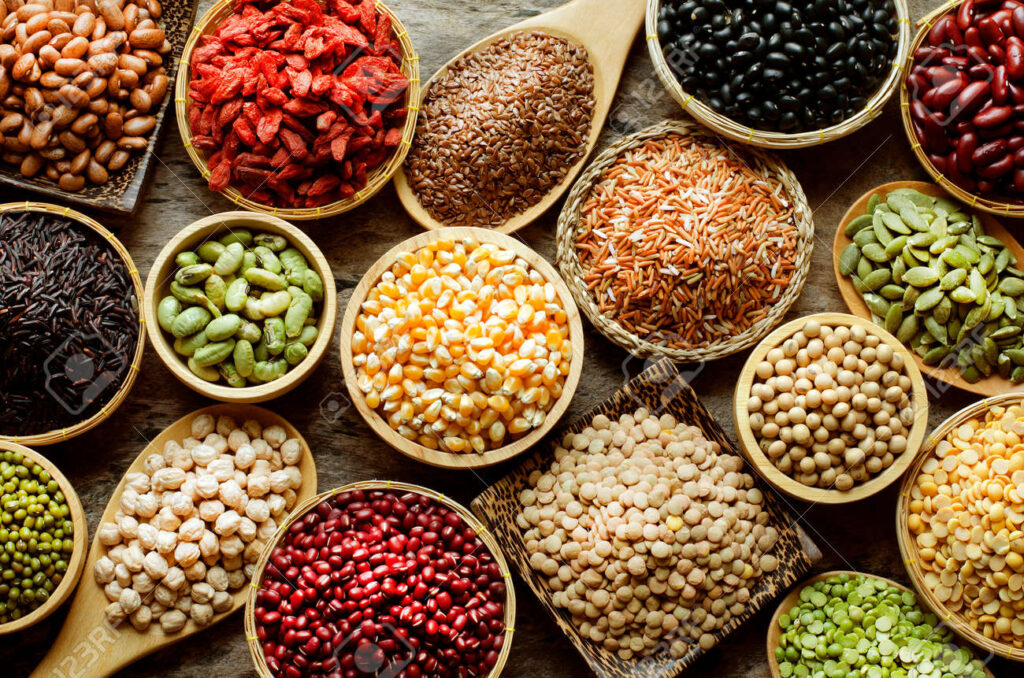
Grains and legumes are essential staples in many cuisines around the world. Not only are they nutritious, but they also offer a wide range of flavors and textures that can elevate any dish. Whether you’re a seasoned cook or a beginner in the kitchen, understanding how to cook with grains and legumes can open up a world of possibilities in your culinary adventures.
In this blog post, we will explore the different types of grains and legumes available, their nutritional benefits, and how to properly cook and incorporate them into your meals. From hearty rice dishes to protein-packed lentil soups, we will provide you with tips, techniques, and delicious recipes to help you master the art of cooking with grains and legumes. So, get ready to discover new flavors, enhance your cooking skills, and nourish your body with these wholesome ingredients.
Soak grains and legumes overnight
Soaking grains and legumes overnight is an essential step in the cooking process. This simple technique helps to soften the grains and legumes, making them easier to cook and digest. Here is a guide on how to properly soak grains and legumes:
1. Choose the right container:
Use a large bowl or container that allows enough space for the grains and legumes to expand as they soak.
2. Measure the grains and legumes:
Measure the desired amount of grains and legumes that you want to soak. It’s recommended to soak 1 cup of grains or legumes with 3 cups of water.
3. Rinse the grains and legumes:
Before soaking, rinse the grains and legumes under cold water to remove any dirt or debris.
4. Add water:
Place the rinsed grains and legumes in the container and add enough water to fully submerge them. The water should be at least 2 inches above the grains and legumes.
5. Cover and soak overnight:
Cover the container with a lid or a clean kitchen towel and let the grains and legumes soak overnight, or for at least 8-12 hours.
6. Drain and rinse:
After soaking, drain the water from the grains and legumes and give them a final rinse under cold water. This helps to remove any residual phytic acid or enzyme inhibitors.
7. Cook as desired:
Now that your grains and legumes are soaked, they are ready to be cooked. Follow your desired recipe or cooking instructions to prepare them.
Soaking grains and legumes overnight not only helps to improve their texture and digestibility, but it also reduces cooking time and enhances their nutritional value. Incorporating soaked grains and legumes into your diet is a great way to add variety and nutrient-rich ingredients to your meals.
Rinse them thoroughly before cooking
Before cooking grains and legumes, it is important to rinse them thoroughly. This helps remove any dirt, debris, or unwanted particles that may be present. Rinsing also helps to reduce any bitterness or off flavors that some grains and legumes may have.
To rinse grains and legumes, start by placing them in a fine-mesh strainer or colander. Hold the strainer under cold running water and gently agitate the grains or legumes with your hands. Continue rinsing until the water runs clear, indicating that they are clean.
Rinsing is especially important for certain grains and legumes, such as quinoa, which has a natural coating called saponin that can taste bitter if not rinsed off. Lentils and beans should also be rinsed to remove any dirt or impurities.
Once you have rinsed the grains or legumes, you are ready to cook them according to your desired recipe. Remember to follow the cooking instructions for each specific grain or legume, as cooking times and methods may vary.
Use a 2:1 ratio of water to grain
When cooking with grains and legumes, it is important to use the correct ratio of water to grain to ensure that they cook properly and have the desired texture. A general rule of thumb is to use a 2:1 ratio of water to grain.
For example, if you are cooking 1 cup of grains or legumes, you would use 2 cups of water. This ratio can vary slightly depending on the type of grain or legume you are cooking, so it is always a good idea to check the specific cooking instructions for the grain or legume you are using.
Using the correct amount of water will help to ensure that your grains and legumes are cooked evenly and have a nice, fluffy texture. It will also help to prevent them from becoming too mushy or dry.
Add salt or seasonings to enhance flavor
When cooking grains and legumes, adding salt or seasonings can greatly enhance the flavor of your dishes. Here are a few tips to keep in mind:
- Salt: Adding salt to the cooking water helps to infuse the grains or legumes with flavor from the inside out. It is recommended to use about 1/2 to 1 teaspoon of salt per cup of grains or legumes. However, you can adjust the amount to suit your taste preferences.
- Herbs and spices: Experiment with different herbs and spices to add depth and complexity to your dishes. Common choices include garlic, onion powder, cumin, paprika, turmeric, and dried herbs like thyme, rosemary, or basil. You can add them directly to the cooking water or sauté them with some oil before adding the grains or legumes.
- Broths or stocks: Instead of using plain water, you can cook your grains or legumes in vegetable, chicken, or beef broth to infuse them with additional flavor. This is particularly useful when making soups or stews.
- Liquid seasonings: Consider adding liquid seasonings like soy sauce, tamari, coconut aminos, or Worcestershire sauce to your cooking liquid for an extra burst of flavor. Be mindful of the sodium content if using soy sauce or other salty condiments.
Remember, the amount of salt and seasonings you use will depend on your personal taste preferences. It’s always a good idea to taste and adjust as you go along to ensure the perfect balance of flavors in your dishes.
Cook on low heat for optimal texture
When it comes to cooking with grains and legumes, one important factor to consider is heat. Cooking these ingredients on low heat can help achieve optimal texture and ensure that they are cooked evenly.
Stir occasionally to prevent sticking
When cooking with grains and legumes, it is important to stir occasionally to prevent sticking. This ensures that the ingredients are cooked evenly and prevents them from becoming clumpy or burnt.
Here are some tips for cooking with grains and legumes:
- Choose your grains and legumes: There are a wide variety of grains and legumes available, including rice, quinoa, lentils, and chickpeas. Choose the ones that you enjoy and that suit your dietary needs.
- Rinse before cooking: Before cooking, it is recommended to rinse grains and legumes under cold water to remove any dirt or debris.
- Soak if necessary: Some grains and legumes, such as beans and chickpeas, benefit from soaking overnight to reduce their cooking time and improve digestibility.
- Follow the cooking instructions: Each grain and legume has its own cooking time and water ratio. Follow the instructions on the packaging or refer to a reliable recipe to ensure proper cooking.
- Use a suitable cooking method: Grains and legumes can be cooked using various methods, such as boiling, steaming, or simmering. Choose the method that works best for the specific ingredient you are cooking.
- Add flavor: While grains and legumes can be delicious on their own, you can enhance their flavor by adding herbs, spices, or broth during the cooking process.
- Stir occasionally: As mentioned earlier, stir occasionally to prevent sticking and ensure even cooking.
- Test for doneness: To determine if your grains and legumes are cooked to your liking, taste them periodically during the cooking process. They should be tender but still have a slight bite.
- Let them rest: Once your grains and legumes are cooked, remove them from the heat and let them rest for a few minutes. This allows them to absorb any remaining liquid and results in a better texture.
- Enjoy your creations: Now that your grains and legumes are cooked to perfection, you can use them in a variety of dishes, such as salads, soups, stews, or even as a side dish.
By following these tips, you can confidently cook with grains and legumes, creating delicious and nutritious meals for yourself and your loved ones.
Enjoy nutritious and delicious meals
Grains and legumes are versatile and nutritious ingredients that can add variety and flavor to your meals. In this guide, we will explore different types of grains and legumes and provide tips on how to cook and incorporate them into your diet.
Types of Grains:
Grains are the edible seeds of grasses and are a staple in many cuisines around the world. Here are some common types of grains:
- Rice: Rice is a staple grain in many Asian and Middle Eastern cuisines. It comes in different varieties, such as white, brown, and wild rice.
- Quinoa: Quinoa is a pseudocereal that is gluten-free and packed with protein. It has a nutty flavor and can be used as a substitute for rice or couscous.
- Barley: Barley is a versatile grain that can be used in soups, salads, and risottos. It has a chewy texture and a slightly nutty taste.
- Wheat: Wheat is one of the most widely consumed grains in the world. It is used to make bread, pasta, and various baked goods.
Types of Legumes:
Legumes are plants that produce pods containing seeds. They are a great source of plant-based protein and are commonly used in vegetarian and vegan diets. Here are some popular types of legumes:
- Lentils: Lentils come in various colors, such as red, green, and black. They cook quickly and are often used in soups, stews, and salads.
- Chickpeas: Chickpeas, also known as garbanzo beans, are a versatile legume that can be used in curries, hummus, and salads.
- Black beans: Black beans are commonly used in Latin American and Caribbean cuisines. They are delicious in rice and bean dishes, tacos, and salads.
- Lima beans: Lima beans have a creamy texture and are often used in stews and casseroles. They are also a good source of dietary fiber.
When cooking with grains and legumes, it’s important to rinse them thoroughly before cooking to remove any dirt or debris. You can also soak them overnight to reduce cooking time and improve digestibility. Experiment with different recipes and seasonings to create flavorful and nutritious meals. Enjoy the benefits of incorporating grains and legumes into your diet!
Frequently Asked Questions
1. What are grains and legumes?
Grains are seeds from grasses, and legumes are seeds from plants in the Fabaceae family.
2. What are some examples of grains?
Rice, wheat, oats, and quinoa are examples of grains.
3. What are some examples of legumes?
Beans, lentils, chickpeas, and peas are examples of legumes.
4. How do I cook grains and legumes?
Grains and legumes are typically cooked by boiling them in water or broth until they are tender.

