1. High sodium intake
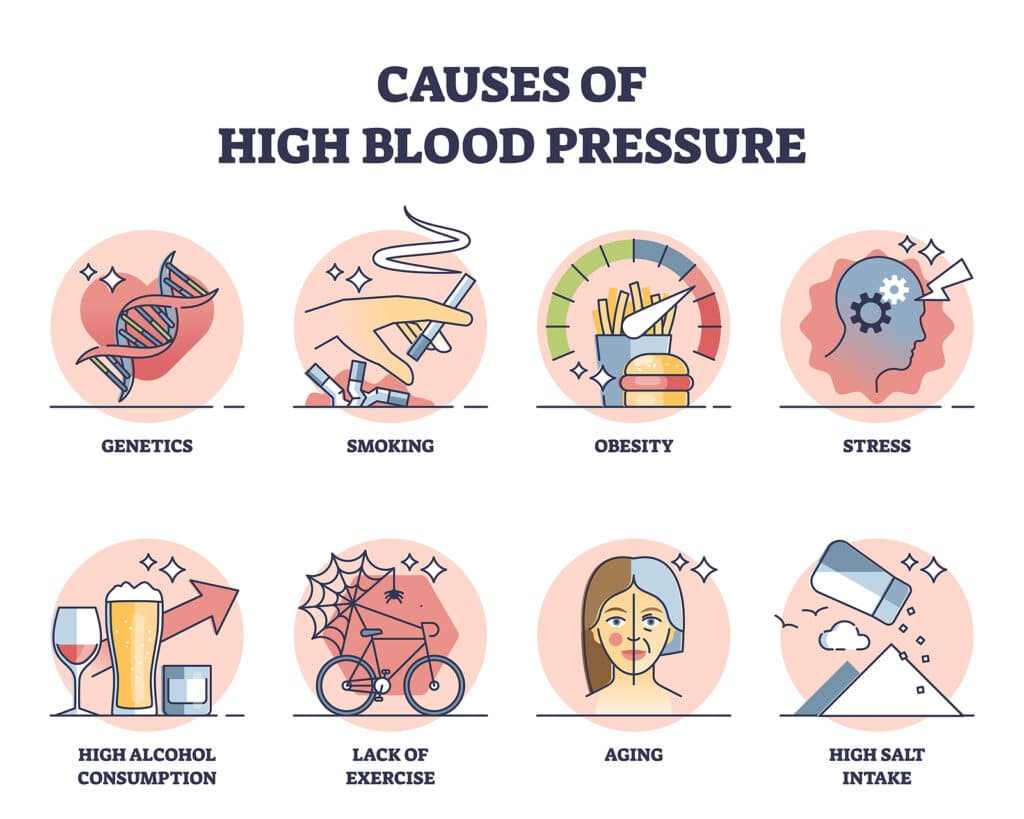
One of the main causes of high blood pressure in vegans is a high sodium intake. While a plant-based diet is generally low in sodium, some vegan processed foods can be high in salt. Consuming too much sodium can lead to fluid retention and increased blood pressure. It is important for vegans to be mindful of their sodium intake and opt for low-sodium alternatives whenever possible.
2. Lack of certain nutrients like potassium and magnesium
Vegans may also be at risk of developing high blood pressure due to a lack of certain nutrients like potassium and magnesium. These minerals play a crucial role in regulating blood pressure. Potassium helps to relax blood vessel walls, while magnesium helps to dilate blood vessels. Without adequate intake of these nutrients, blood pressure can increase.
3. Excessive consumption of processed vegan foods
Excessive consumption of processed vegan foods can contribute to high blood pressure. These foods often contain high levels of sodium, unhealthy fats, and added sugars. Regularly consuming these processed foods can lead to weight gain, inflammation, and elevated blood pressure.
4. Insufficient intake of fruits and vegetables
A plant-based diet is typically rich in fruits and vegetables, which are important for maintaining a healthy blood pressure. These foods are high in potassium, magnesium, and other beneficial compounds that help to lower blood pressure. However, if a vegan diet lacks a variety of fruits and vegetables, it can contribute to high blood pressure.
5. Genetic predisposition
Some individuals may have a genetic predisposition to developing high blood pressure, regardless of their dietary choices. If there is a family history of hypertension, vegans may be at a higher risk of developing high blood pressure.
6. Obesity or overweight
Being overweight or obese is a risk factor for high blood pressure. While a plant-based diet can help with weight management, it is still possible for vegans to consume excessive calories and gain weight. Maintaining a healthy weight is important for preventing high blood pressure.
7. Sedentary lifestyle
A sedentary lifestyle can contribute to high blood pressure. Regular physical activity helps to lower blood pressure and improve overall cardiovascular health. Vegans who lead a sedentary lifestyle may be at a higher risk of developing hypertension.
8. Chronic stress
Chronic stress can have a negative impact on blood pressure. Stress hormones can cause blood vessels to constrict and increase heart rate, leading to elevated blood pressure. Vegans who experience chronic stress may be more susceptible to developing hypertension.
9. Smoking
Smoking is a well-known risk factor for high blood pressure. It can damage blood vessels and increase the risk of heart disease. Vegans who smoke are at a higher risk of developing hypertension.
10. Excessive alcohol consumption
Excessive alcohol consumption can raise blood pressure. It can also lead to weight gain and other health issues that contribute to hypertension. Vegans who consume alcohol in excess may be more prone to developing high blood pressure.
11. Use of certain medications
Some medications, such as nonsteroidal anti-inflammatory drugs (NSAIDs) and certain antidepressants, can increase blood pressure. Vegans who take these medications may need to monitor their blood pressure closely and work with their healthcare provider to manage hypertension.
12. Underlying health conditions like kidney disease or diabetes
Underlying health conditions like kidney disease or diabetes can contribute to high blood pressure. Vegans with these conditions need to carefully manage their diet and work closely with their healthcare provider to prevent and manage hypertension.
13. Hormonal imbalances
Hormonal imbalances, such as an underactive thyroid or adrenal gland disorders, can affect blood pressure. Vegans with hormonal imbalances may be at a higher risk of developing hypertension.
14. Age-related changes in blood vessels
As individuals age, their blood vessels may become less flexible and more prone to narrowing. This can lead to increased blood pressure. Vegans who are older may be more susceptible to age-related changes in blood vessels.
15. Poor sleep quality
Poor sleep quality or sleep disorders, such as sleep apnea, can contribute to high blood pressure. Vegans who struggle with sleep issues may be at a higher risk of developing hypertension.
16. Inadequate hydration
Inadequate hydration can lead to dehydration and increased blood pressure. It is important for vegans to drink enough water and stay properly hydrated to maintain a healthy blood pressure.
17. Consumption of caffeine
Caffeine can temporarily raise blood pressure. While moderate caffeine consumption is generally safe, excessive intake can contribute to hypertension. Vegans who consume large amounts of caffeinated beverages may need to monitor their blood pressure.
18. Excessive intake of added sugars
Consuming excessive amounts of added sugars can contribute to weight gain, inflammation, and high blood pressure. Vegans who consume a lot of sugary foods and beverages may be at a higher risk of developing hypertension.
19. Consumption of high-fat vegan foods
While a plant-based diet is typically low in saturated fats, some vegan foods can be high in unhealthy fats. Consuming excessive amounts of high-fat vegan foods can contribute to weight gain and elevated blood pressure.
20. Inadequate intake of omega-3 fatty acids
Omega-3 fatty acids have been shown to have a positive effect on blood pressure. Vegans who do not consume enough plant-based sources of omega-3 fatty acids, such as flaxseeds, chia seeds, and walnuts, may be at a higher risk of developing hypertension.
In conclusion, there are several factors that can contribute to high blood pressure in vegans. It is important for vegans to be mindful of their sodium intake, ensure they are getting enough potassium and magnesium, and consume a variety of fruits and vegetables. Additionally, maintaining a healthy weight, being physically active, managing stress, and avoiding smoking and excessive alcohol consumption are all important for preventing hypertension. Working closely with a healthcare provider and monitoring blood pressure regularly can help vegans manage their risk of developing high blood pressure.