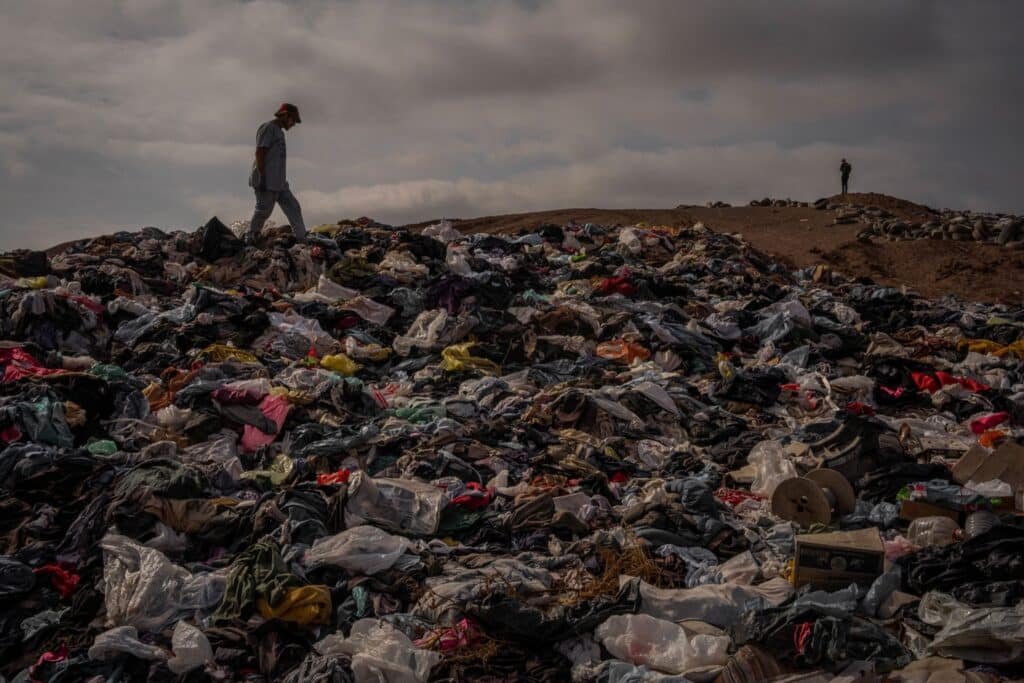
Fast fashion has become a global phenomenon in recent years, with the rise of large retail chains offering trendy and affordable clothing. While this may seem like a positive development for consumers, the impact of fast fashion on the environment and animals is alarming. The fast fashion industry relies on rapid production and low-cost materials, leading to high levels of waste, pollution, and exploitation of animals.
In this blog post, we will explore the detrimental effects of fast fashion on the environment and animals. We will examine the excessive consumption and disposal of clothing, the use of harmful chemicals in production, and the impact on animals through the use of fur, leather, and other animal-derived materials. By understanding these issues, we can make more informed choices as consumers and contribute to a more sustainable and ethical fashion industry.
Choose sustainable and ethical brands
One way to combat the negative impact of fast fashion on the environment and animals is to choose sustainable and ethical brands. By supporting these brands, you can contribute to a more sustainable and ethical fashion industry.
What are sustainable and ethical brands?
Sustainable brands are those that prioritize environmentally friendly practices throughout their entire supply chain. They focus on reducing waste, using renewable resources, and minimizing their carbon footprint. Ethical brands, on the other hand, prioritize fair labor practices and ensure that workers in their supply chain are treated fairly and paid a living wage.
Why should you choose sustainable and ethical brands?
Choosing sustainable and ethical brands has a positive impact on the environment and animals in several ways:
- Reduced carbon footprint: Sustainable brands often prioritize using renewable energy sources and reducing greenhouse gas emissions. By supporting these brands, you contribute to the reduction of carbon emissions, helping to mitigate climate change.
- Reduced water pollution: Fast fashion is known for its heavy water usage and pollution. Sustainable brands aim to reduce their water consumption and implement wastewater treatment systems to minimize water pollution.
- Support for animal rights: Many sustainable and ethical brands avoid using animal-derived materials, such as fur or leather, and opt for cruelty-free alternatives. By choosing these brands, you help reduce the demand for animal exploitation in the fashion industry.
- Promotion of fair labor practices: Ethical brands ensure that workers in their supply chain are treated fairly, paid fair wages, and provided safe working conditions. By supporting these brands, you contribute to the fight against labor exploitation and promote fair working conditions.
How to identify sustainable and ethical brands?
Identifying sustainable and ethical brands can sometimes be challenging, but there are several factors to consider:
- Certifications: Look for certifications such as Fair Trade, GOTS (Global Organic Textile Standard), or B Corp, which indicate a brand’s commitment to sustainability and ethical practices.
- Transparency: Sustainable and ethical brands are often transparent about their supply chain and manufacturing processes. Look for brands that openly share information about their sourcing, production, and labor practices.
- Materials: Check the materials used by the brand. Sustainable brands often prioritize organic, recycled, or upcycled materials and avoid using harmful chemicals.
- Public commitments: Research a brand’s public commitments to sustainability and ethical practices. Look for their initiatives and goals related to reducing environmental impact and ensuring fair labor practices.
By choosing sustainable and ethical brands, you can make a positive impact on the environment and animals while still enjoying fashion.
Reduce your clothing consumption
One of the most effective ways to combat the negative impact of fast fashion on the environment and animals is to reduce our clothing consumption. By being more mindful of our purchasing habits, we can significantly reduce the demand for fast fashion products and encourage more sustainable and ethical practices within the fashion industry.
Here are some tips on how to reduce your clothing consumption:
1. Evaluate your wardrobe
Start by taking a close look at your current wardrobe. Identify the pieces that you truly love and wear regularly, and those that you rarely or never wear. This will help you understand your personal style and make more conscious choices when shopping.
2. Prioritize quality over quantity
Instead of buying cheap and poorly made fast fashion items that only last a few wears, invest in high-quality clothing made from sustainable materials. While these items may be more expensive upfront, they will last longer and ultimately save you money in the long run.
3. Shop second-hand or vintage
Consider shopping at thrift stores, consignment shops, or online platforms that specialize in second-hand and vintage clothing. Not only will you be giving pre-loved items a new life, but you’ll also be reducing the demand for new fast fashion products.
4. Borrow or swap clothes
If you have a special occasion or event coming up, instead of buying a new outfit, consider borrowing from a friend or participating in clothing swap events. This way, you can enjoy a new look without contributing to the fast fashion cycle.
5. Take care of your clothes
Extend the lifespan of your clothing by properly caring for them. Follow the care instructions on the labels, mend any damages, and store them correctly. This will help you avoid unnecessary replacements and reduce your overall clothing consumption.
By implementing these strategies, we can all make a positive impact on the environment and animals affected by fast fashion. Remember, every small step counts towards creating a more sustainable and ethical fashion industry.
Opt for second-hand or vintage clothing
One of the best ways to reduce the impact of fast fashion on the environment and animals is to opt for second-hand or vintage clothing. By buying pre-loved items, you are giving them a second life and preventing them from ending up in landfills. Additionally, buying second-hand clothing reduces the demand for new items, which in turn reduces the need for production and the associated environmental and animal welfare issues.
When you choose second-hand or vintage clothing, you are also supporting a more sustainable and ethical fashion industry. Second-hand stores and online platforms provide a wide range of options, from trendy pieces to timeless classics, allowing you to express your personal style while being environmentally conscious.
By purchasing second-hand clothing, you are also contributing to the circular economy. This concept promotes the reuse and recycling of goods, aiming to minimize waste and extend the lifespan of products. By participating in the second-hand market, you are helping to create a more sustainable and responsible fashion system.
So next time you’re looking to update your wardrobe, consider opting for second-hand or vintage clothing. Not only will you be reducing your environmental impact and supporting animal welfare, but you’ll also be adding a unique and personal touch to your style.
Donate or recycle your unwanted clothes
Donate or recycle your unwanted clothes.
One of the most effective ways to reduce the environmental impact of fast fashion and minimize harm to animals is by donating or recycling your unwanted clothes. By doing so, you can extend the lifespan of your garments and contribute to a more sustainable and ethical fashion industry.
Donation:
Donating your clothes to charities, thrift stores, or local community organizations is a great way to give your unwanted garments a second life. These organizations often sell the donated clothes at affordable prices, allowing others to enjoy stylish clothing without supporting the fast fashion industry.
When donating, make sure to select organizations that have a transparent and responsible donation process. Research and choose organizations that prioritize fair labor practices and support social and environmental causes.
Recycling:
If your clothes are no longer suitable for donation, recycling is the next best option. Textile recycling programs can turn old clothes into new materials or products, reducing the need for virgin resources and minimizing waste.
Look for local textile recycling programs or drop-off locations in your area. These programs often accept a wide range of textiles, including clothes, shoes, and accessories. Some companies even offer mail-in recycling services, allowing you to send in your unwanted clothes for recycling.
Upcycling:
If you have a creative streak, consider upcycling your old clothes into new, unique pieces. Upcycling involves transforming or repurposing old garments into something different and fashionable. This not only reduces waste but also allows you to express your personal style in a sustainable way.
There are plenty of online resources, tutorials, and communities dedicated to upcycling clothes. Get inspired, learn new techniques, and start upcycling your wardrobe!
Conclusion:
By donating, recycling, or upcycling your unwanted clothes, you can play a significant role in mitigating the negative impact of fast fashion on the environment and animals. Every small action counts, and together, we can move towards a more sustainable and ethical fashion industry.
Support local and independent designers
In recent years, the fashion industry has been under scrutiny for its negative impact on the environment and animals. The rise of fast fashion, characterized by the production of low-cost clothing in response to rapidly changing fashion trends, has led to a number of concerning consequences.
One way to mitigate the negative effects of fast fashion is to support local and independent designers. These designers often prioritize ethical and sustainable practices, which can help reduce the environmental and animal harm caused by the fashion industry.
Benefits of supporting local and independent designers:
- Ethical production: Local and independent designers are more likely to prioritize fair labor practices, ensuring that garment workers are paid fair wages and work in safe conditions.
- Sustainable materials: Many local designers use eco-friendly and sustainable materials in their collections, such as organic cotton, recycled fabrics, and natural dyes. This reduces the reliance on harmful chemicals and reduces the environmental impact of clothing production.
- Reduced waste: Local designers often produce clothing in small quantities, reducing the likelihood of excess inventory and waste. They also tend to create timeless and durable pieces that are meant to last, encouraging a shift towards a more sustainable and mindful approach to fashion.
- Supporting creativity and diversity: By supporting local and independent designers, you are contributing to a more diverse and creative fashion landscape. These designers often bring unique perspectives and innovative designs to the industry, challenging mainstream trends and promoting individuality.
- Community impact: When you choose to support local designers, you are helping to stimulate the local economy and support small businesses. This has a positive ripple effect on the community, creating job opportunities and fostering creativity and entrepreneurship.
So, the next time you’re looking to update your wardrobe, consider supporting local and independent designers. Not only will you be making a fashion statement, but you’ll also be contributing to a more sustainable and ethical fashion industry.
Educate yourself and spread awareness
One of the most pressing issues in the fashion industry today is the impact of fast fashion on the environment and animals. Fast fashion refers to the production of inexpensive clothing that is quickly produced and discarded, leading to negative consequences for both the planet and the animals involved.
To address this issue, it is crucial to educate ourselves and spread awareness about the environmental and animal welfare implications of fast fashion. By understanding the impact of our clothing choices, we can make more informed decisions and work towards a more sustainable and ethical fashion industry.
The Environmental Impact of Fast Fashion
The production of fast fashion garments involves significant amounts of water, energy, and chemicals. From growing raw materials like cotton to dyeing fabrics and manufacturing clothing, the entire process contributes to pollution, deforestation, and the depletion of natural resources.
In addition, fast fashion encourages a culture of overconsumption and disposability. Many consumers buy cheaply made clothing items and discard them after just a few wears, leading to excessive waste and landfill overcrowding.
Furthermore, the transportation of fast fashion goods across the globe also contributes to carbon emissions and climate change. With clothes being produced in one country, shipped to another for retail, and then transported to consumers, the carbon footprint of each garment is extensive.
The Impact on Animals
Fast fashion also has a significant impact on animals. The production of certain materials like leather, fur, and wool involves the exploitation and mistreatment of animals. Animals are often raised in cruel conditions, subjected to painful procedures, and killed for their skins or fibers.
Moreover, the chemical dyes and treatments used in fast fashion can also be harmful to animals and the ecosystems they inhabit. The discharge of toxic waste from textile factories into rivers and oceans can lead to water pollution, affecting marine life and other wildlife.
Take Action
To mitigate the impact of fast fashion on the environment and animals, there are several steps we can take:
- Support sustainable and ethical fashion brands that prioritize environmental and animal welfare.
- Reduce, reuse, and recycle clothing items to minimize waste and extend their lifespan.
- Opt for second-hand or vintage clothing, which reduces the demand for new fast fashion products.
- Choose organic and natural fibers that have a lower environmental impact.
- Spread awareness by sharing information on social media, organizing events, or starting conversations with friends and family.
By taking these actions, we can contribute to a more sustainable and compassionate fashion industry that respects both the environment and animals.
Advocate for stricter regulations and policies
One effective way to address the impact of fast fashion on the environment and animals is to advocate for stricter regulations and policies. By implementing comprehensive regulations, we can ensure that the fashion industry operates in a more sustainable and ethical manner.
1. Supporting legislation for transparency in supply chains
A crucial step in advocating for stricter regulations is to support legislation that promotes transparency in fashion supply chains. This includes laws that require companies to disclose information about their sourcing practices, production methods, and the treatment of workers and animals involved in the manufacturing process.
2. Pushing for sustainable production and materials
Another important aspect is pushing for regulations that encourage the use of sustainable production methods and materials. This can involve promoting the adoption of eco-friendly technologies, such as water-saving dyeing processes and renewable energy sources. Additionally, advocating for the use of natural and organic fibers can help reduce the environmental impact of clothing production.
3. Strengthening animal welfare laws
Fast fashion often relies on the use of animal products, such as fur, leather, and wool. To protect animals from unethical treatment, it is essential to advocate for stronger animal welfare laws. These laws should ensure that animals are treated humanely throughout the fashion supply chain and prohibit the use of materials obtained through cruel practices, such as fur farming or live plucking of feathers.
4. Promoting circular fashion initiatives
In addition to stricter regulations, promoting circular fashion initiatives is an effective way to reduce the environmental impact of fast fashion. This involves encouraging clothing brands to implement recycling and upcycling programs, as well as supporting the development of innovative technologies that can transform textile waste into new materials.
By advocating for stricter regulations and policies, we can work towards a more sustainable and ethical fashion industry that minimizes its impact on the environment and animals. It is essential to raise awareness, support relevant legislation, and encourage industry stakeholders to adopt responsible practices.
Frequently Asked Questions
1. What is fast fashion?
Fast fashion refers to the rapid production and consumption of low-cost clothing items.
2. How does fast fashion impact the environment?
Fast fashion contributes to pollution, waste, and depletion of natural resources.
3. What are the environmental consequences of fast fashion?
Fast fashion leads to water pollution, greenhouse gas emissions, and deforestation.
4. How does fast fashion affect animals?
Fast fashion often involves the use of animal-derived materials like fur and leather, which raises ethical concerns.