
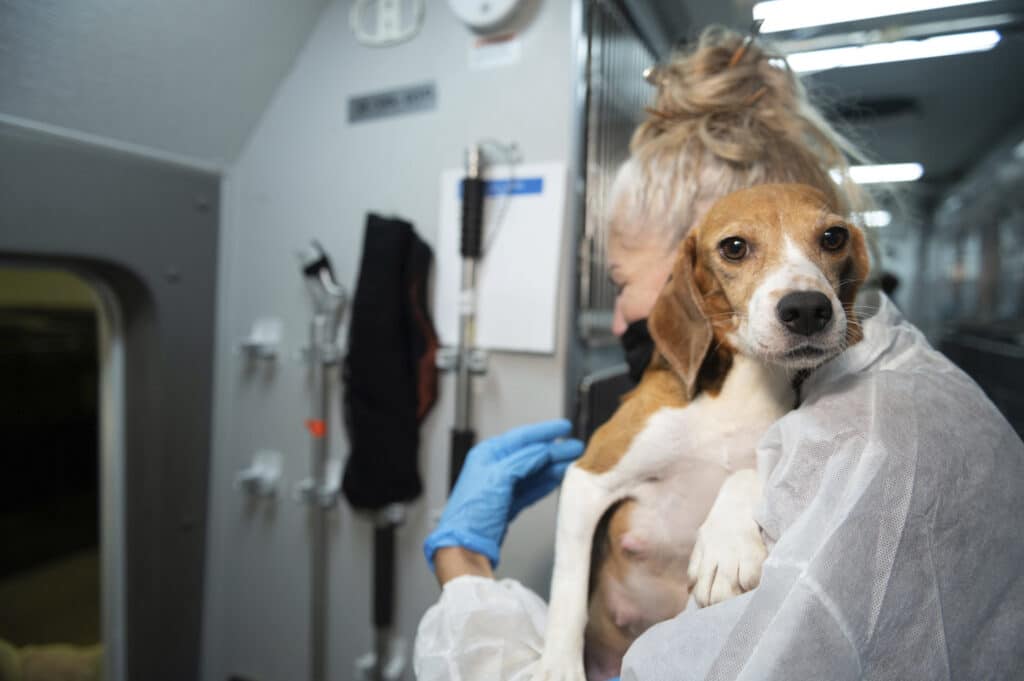
Animal testing has long been a controversial topic, with passionate arguments on both sides. While it has been instrumental in advancing medical and scientific research, there are growing concerns about its ethical implications and environmental consequences. In this blog post, we will delve deeper into the environmental impacts of animal testing, shedding light on the various ways in which it affects our planet.
In this article, we will discuss:
– The use of animals in toxicology studies and its impact on ecosystems
– The waste generated from animal testing facilities and its potential pollution
– The alternatives to animal testing that are being explored to mitigate environmental harm
By understanding the environmental consequences of animal testing, we can foster a more informed and responsible approach towards scientific research and strive for a more sustainable future.
Promote alternative methods for testing
Animal testing has long been a controversial issue due to the ethical concerns it raises and the potential harm it can cause to animals. Fortunately, there are alternative methods for testing that can help reduce or replace the need for animal experimentation. These alternative methods not only have the potential to save countless animal lives but also offer a more accurate and reliable means of testing.
In vitro testing
In vitro testing involves conducting experiments on cells or tissues outside of a living organism. This method allows researchers to study the effects of substances on specific cells or tissues, providing valuable insights into their potential toxicity or efficacy. In vitro testing can be used to evaluate a wide range of products, from cosmetics to pharmaceuticals, reducing the need for animal testing.
Computer modeling
Computer modeling, also known as in silico testing, is another alternative method that can simulate biological processes and predict the potential effects of substances. By using advanced algorithms and mathematical models, researchers can analyze the interactions between molecules and predict their behavior in living organisms. This approach not only eliminates the need for animal testing but also offers a more cost-effective and time-efficient way of conducting experiments.
Human-based testing methods
Human-based testing methods, such as tissue engineering and organ-on-a-chip technology, aim to recreate human physiological systems in the laboratory. These methods involve growing human cells or tissues in controlled environments to mimic the complexity of the human body. By using these human-based testing methods, researchers can obtain more relevant and accurate results compared to animal testing, reducing the risk of adverse reactions in humans.
Validating alternative methods
While alternative methods for testing show great promise, it is crucial to validate their effectiveness and reliability before fully replacing animal testing. Regulatory agencies and organizations dedicated to animal welfare, such as the National Institutes of Health (NIH) and the European Union Reference Laboratory for Alternatives to Animal Testing (EURL ECVAM), play a vital role in evaluating and approving these alternative methods. Through rigorous testing and validation processes, these organizations ensure that alternative methods meet the necessary scientific standards and can effectively replace animal testing.
In conclusion, promoting alternative methods for testing is essential for reducing the environmental consequences associated with animal testing. In vitro testing, computer modeling, and human-based testing methods offer more ethical, accurate, and reliable ways of evaluating the safety and efficacy of products. By embracing these alternative methods, we can contribute to a more sustainable and compassionate future, where the environmental impact of animal testing is significantly reduced.
Advocate for stricter regulations on animal testing
Animal testing has long been a controversial topic, with both supporters and critics voicing their opinions. While there are arguments for the necessity of animal testing in certain situations, it is crucial to acknowledge and explore the environmental consequences associated with this practice.
The Impact on Wildlife
One of the significant environmental consequences of animal testing is the potential harm it can cause to wildlife populations. Testing facilities often release various chemicals and substances into the environment, either intentionally or unintentionally. These chemicals can contaminate waterways and soil, leading to adverse effects on the ecosystems and the organisms living within them. Additionally, the disposal of animal carcasses and waste from testing facilities can pose risks to local wildlife populations.
Air and Water Pollution
Animal testing frequently involves the use of hazardous substances, including chemicals, drugs, and toxins. These substances can be released into the air and water during testing procedures or when disposing of testing materials. As a result, air and water pollution can occur, affecting the quality of the environment and potentially harming both human and animal populations.
Deforestation and Habitat Loss
Animal testing often requires extensive laboratory facilities and infrastructure, which can lead to deforestation and habitat loss. Forests and natural habitats are often cleared to make way for testing facilities, disrupting ecosystems and displacing wildlife. This destruction of natural habitats can have long-term consequences for biodiversity and the overall health of ecosystems.
Alternative Methods and Solutions
Given the environmental consequences associated with animal testing, it is essential to explore and promote alternative methods that can replace or reduce the need for animal testing. These alternatives include in vitro testing, computer modeling, and the use of human cell cultures. By advocating for stricter regulations on animal testing and supporting the development and adoption of alternative methods, we can work towards minimizing the environmental impact of testing procedures.
It is crucial to approach the topic of animal testing from a comprehensive perspective that considers not only the ethical implications but also the environmental consequences. By raising awareness and advocating for change, we can strive towards a more sustainable and responsible approach to scientific research and testing.
Educate consumers about cruelty-free products
One of the most effective ways to combat animal testing is to educate consumers about cruelty-free products. By providing information and raising awareness, we can empower individuals to make informed choices and support brands that prioritize ethical practices.
Understanding cruelty-free certifications
When shopping for beauty or household products, it’s important to look for cruelty-free certifications. These certifications ensure that the product and its ingredients were not tested on animals. Some popular cruelty-free certifications include:
- Leaping Bunny: This certification is internationally recognized and guarantees that no animal testing was conducted at any stage of product development.
- PETA’s Beauty Without Bunnies: Products with this certification are not tested on animals and do not contain any animal-derived ingredients.
- Certified Vegan: This certification ensures that the product is free from animal ingredients and has not been tested on animals.
By familiarizing ourselves with these certifications, we can easily identify cruelty-free products and support companies that align with our values.
Researching brands’ animal testing policies
Another important step in educating consumers is to research and understand the animal testing policies of different brands. Many companies have adopted alternative testing methods or have completely eliminated animal testing from their practices.
When exploring a brand’s animal testing policy, consider the following:
- No animal testing: Look for brands that explicitly state that they do not conduct animal testing on their products or ingredients.
- Third-party testing: Some brands may claim to be cruelty-free but still allow third-party testing. Make sure the brand’s policy includes a commitment to not test on animals at any stage of production, including outsourcing.
- Transparency: Brands that are truly committed to cruelty-free practices will often provide detailed information about their testing policies on their websites or product packaging.
By conducting thorough research and supporting brands with ethical practices, we can contribute to the demand for cruelty-free products and encourage more companies to adopt animal-friendly alternatives.
Overall, educating consumers about cruelty-free products is crucial in creating a more compassionate and ethical world. By making conscious choices and supporting brands that prioritize animal welfare, we can play a significant role in reducing the environmental consequences of animal testing.
Support organizations working towards animal rights
Supporting organizations that work towards animal rights is crucial in order to create a positive impact and protect animals from unnecessary harm. These organizations dedicate their efforts to raise awareness about the environmental consequences of animal testing and advocate for alternative methods.
Why support animal rights organizations?
Animal rights organizations play a vital role in advocating for the well-being and protection of animals. By supporting these organizations, you contribute to their ongoing efforts to raise awareness, promote ethical practices, and push for legislative changes.
How can you support animal rights organizations?
There are several ways in which you can support animal rights organizations:
- Donate: Financial contributions are a crucial source of funding for these organizations. Your donations can help fund their campaigns, rescue efforts, and educational initiatives.
- Volunteer: Offer your time and skills by volunteering at local animal shelters or participating in events organized by these organizations. Your involvement can make a significant difference.
- Spread awareness: Use your voice and platforms to raise awareness about the environmental consequences of animal testing. Share educational content, engage in discussions, and encourage others to support animal rights organizations.
- Adopt, don’t shop: Consider adopting pets from animal shelters instead of purchasing them from breeders. This helps reduce the demand for animals bred for testing purposes.
Recommended animal rights organizations
Here are some recommended animal rights organizations that focus on the environmental consequences of animal testing:
- PETA (People for the Ethical Treatment of Animals): PETA is one of the largest animal rights organizations globally. They actively campaign against animal testing and promote cruelty-free alternatives.
- Humane Society International: HSI works globally to protect animals and promote animal-friendly policies. They actively advocate for alternatives to animal testing and support initiatives that promote the reduction and replacement of animal experiments.
- The Physicians Committee for Responsible Medicine (PCRM): PCRM is a nonprofit organization that focuses on promoting alternatives to animal testing in medical research. They advocate for the use of human-relevant methods and support the development of innovative technologies.
By supporting these organizations, you contribute to a more compassionate and environmentally conscious society. Together, we can make a difference in the lives of animals and work towards ending the environmental consequences of animal testing.
Encourage research on non-animal testing methods
One of the key ways to address the environmental consequences of animal testing is by encouraging research on non-animal testing methods. By investing in and promoting alternative testing methods, we can significantly reduce the number of animals used in experiments, leading to a positive impact on the environment.
Why are non-animal testing methods important?
Non-animal testing methods are crucial for several reasons:
- Animal welfare: Using animals for testing purposes often involves subjecting them to painful procedures and potentially harmful substances. Non-animal testing methods provide a more humane alternative.
- Cost-effective: Non-animal testing methods can be more cost-effective in the long run, as they eliminate the need for the care and maintenance of animals used in experiments.
- Accuracy: Advances in technology have made non-animal testing methods more accurate and reliable, providing more precise results that can be translated to human applicability.
- Regulatory acceptance: Many regulatory bodies now accept and even encourage the use of non-animal testing methods, making it easier to implement these alternatives in various industries.
Types of non-animal testing methods
There are several non-animal testing methods that can be used as alternatives to traditional animal testing:
- In vitro testing: This involves testing on cells and tissues grown in a laboratory setting, allowing researchers to study the potential effects of substances without using animals.
- Computer modeling: Using computer simulations and mathematical models to predict the effects of substances on human systems.
- Microdosing: Administering extremely small doses of substances to human volunteers and analyzing the effects.
- Organ-on-a-chip: Creating miniature versions of human organs on a chip to mimic their functions and study the effects of substances.
These non-animal testing methods not only reduce the environmental impact of animal testing but also provide more accurate and relevant results for human health and safety. By promoting and investing in these alternatives, we can contribute to a more sustainable and ethical approach to scientific research.
Promote the use of computer models and simulations
One way to explore the environmental consequences of animal testing is to promote the use of computer models and simulations. These tools can provide valuable insights into the potential impacts of various testing methods on the environment.
Computer models allow researchers to simulate different scenarios and evaluate the outcomes without actually conducting the tests on animals. This can help reduce the number of animals used in experiments, minimizing the environmental footprint of testing practices.
Furthermore, simulations can provide a more comprehensive understanding of the potential consequences of animal testing. Researchers can analyze various factors such as chemical interactions, exposure pathways, and the long-term effects on ecosystems.
By using computer models and simulations, scientists can identify potential environmental risks associated with different testing methods. This knowledge can inform the development of alternative testing approaches that are more environmentally friendly.
In addition, computer models and simulations allow for the exploration of alternative testing methods that do not involve animals. Researchers can assess the effectiveness and environmental impact of these alternatives, such as in vitro testing or the use of human cell cultures.
Overall, promoting the use of computer models and simulations can contribute to a more sustainable and environmentally conscious approach to testing. By reducing the reliance on animal testing and gaining a better understanding of its environmental consequences, we can work towards more ethical and eco-friendly research practices.
Raise awareness about the ethical implications of animal testing
Animal testing has long been a controversial topic, sparking debates about its ethical implications. It involves conducting experiments on animals to assess the safety and effectiveness of products or procedures intended for human use. While it has contributed to scientific advancements, it also raises concerns about the potential environmental consequences.
1. Environmental impact of laboratories
Animal testing requires dedicated laboratory facilities that consume significant amounts of energy and produce waste. These facilities often use large amounts of electricity for lighting, heating, and cooling, contributing to greenhouse gas emissions and climate change. Additionally, the disposal of hazardous waste generated during experiments can pose a risk to the environment if not properly managed.
2. Deforestation for laboratory supplies
Many laboratory supplies used in animal testing, such as cages, bedding, and disposable materials, are made from paper and wood. The demand for these supplies contributes to deforestation, as trees are cut down to produce them. Deforestation not only leads to the loss of biodiversity but also contributes to climate change as trees play a crucial role in absorbing carbon dioxide.
3. Water pollution from chemical substances
Animal testing often involves the use of various chemical substances, such as drugs, cosmetics, and cleaning agents. These substances can potentially contaminate water sources if not properly disposed of or if they enter the environment through wastewater. Water pollution can have detrimental effects on aquatic ecosystems and the organisms that rely on them.
4. Impact on wildlife populations
Animal testing can directly impact wildlife populations if the animals used in experiments are sourced from natural habitats. Over-harvesting or capturing animals for testing can disrupt ecosystems and lead to declines in population numbers. Furthermore, the release of genetically modified organisms (GMOs) used in some experiments can have unforeseen consequences on native species if they escape into the wild.
5. Alternatives to animal testing
Recognizing the environmental consequences of animal testing, there has been a growing movement to develop and promote alternative testing methods. These include in vitro testing using human cell cultures, computer models, and advanced imaging techniques. By advocating for the use of these alternatives, we can reduce the environmental impact of animal testing while still ensuring the safety and efficacy of products and procedures.
In conclusion, exploring the environmental consequences of animal testing is crucial to raise awareness about the ethical implications of this practice. By understanding these consequences, we can work towards finding more sustainable and humane ways to advance scientific knowledge and protect both animals and the environment.
Frequently Asked Questions
1. What is animal testing?
Animal testing is the use of animals in scientific experiments to understand the effects of substances or products on living organisms.
2. Why is animal testing used?
Animal testing is used to evaluate the safety and effectiveness of products, as well as to advance scientific knowledge and develop new treatments.
3. What are the environmental consequences of animal testing?
The environmental consequences of animal testing include waste generation, water and air pollution, and the depletion of natural resources.
4. Are there alternatives to animal testing?
Yes, there are alternative methods such as in vitro testing, computer modeling, and human tissue cultures that can reduce or replace the need for animal testing.

