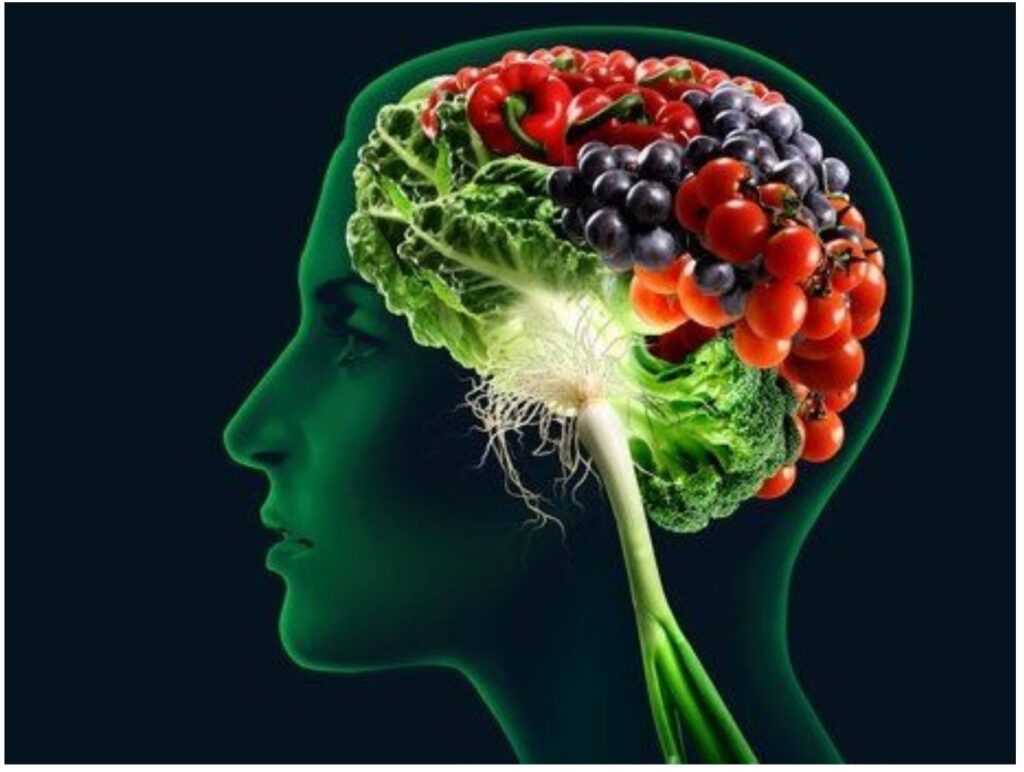
Conflicting Studies on Veganism and Depression
There has been ongoing debate and conflicting studies regarding the potential link between veganism and depression. Some studies suggest that individuals following a vegetarian or vegan diet may have an increased risk of depression and other mental illnesses. However, other studies find either no change in risk or even a lower risk of depression among those following a plant-based diet.
Factors Influencing Study Findings
The conflicting findings in these studies may be attributed to several factors. One possible factor is the presence of pre-existing mental health issues in the study participants. It is important to consider that individuals who choose to follow a vegan diet may already have a higher prevalence of mental health conditions, which could skew the results.
Another factor that may influence the findings is the personal ethics and motivations behind adopting a vegan lifestyle. Some individuals may choose to follow a vegan diet due to ethical concerns for animal welfare or environmental sustainability. These personal motivations may have a positive impact on mental well-being and could potentially counteract any negative effects on mood.
The Role of Nutrients in Mood Regulation
The nutrient content of the diet is another important factor to consider when exploring the link between veganism and depression. Certain nutrients, such as omega-3 fatty acids, choline, vitamins B-6 and B-12, and folate, play a crucial role in mood regulation and mental health.
Omega-3 fatty acids, in particular, have been extensively studied for their potential benefits in reducing symptoms of depression and anxiety. Choline, vitamins B-6 and B-12, and folate are essential for the production of neurotransmitters that regulate mood, such as serotonin and dopamine.
The Importance of a Well-Planned Vegan Diet
While a well-planned vegan diet can provide sufficient amounts of these essential nutrients, it is important to note that a poorly-planned vegan diet may lack them. This is why it is crucial for individuals following a vegan diet to ensure they are obtaining all the necessary nutrients through a variety of plant-based sources.
It is worth mentioning that most studies examining the link between veganism and depression do not provide information on the participants’ nutrient status or the composition of their vegan diet. Therefore, it is difficult to draw definitive conclusions about the impact of veganism on mental health based solely on these studies.
The Need for More Research
Given the conflicting findings and the lack of comprehensive data on nutrient status and diet composition, more research is needed to fully understand the potential link between veganism and depression. Future studies should consider factors such as nutrient intake, nutrient status, and the overall quality of the vegan diet.
Consulting a Registered Dietitian for Nutrient Needs
For individuals with depression who are considering adopting a vegan diet, it is highly recommended to consult a registered dietitian who specializes in plant-based diets. A dietitian can help ensure that all nutrient needs are met and provide guidance on meal planning and supplementation if necessary.
It is important to note that diet changes alone are not proven to cure mental health conditions. While a well-planned vegan diet can support overall health and potentially have a positive impact on mental well-being, it should be seen as a complementary approach to other treatment avenues for depression.
Diet Changes and Mental Health Conditions
It is crucial for individuals with depression or any other mental health condition to seek professional help from a mental health provider. They can provide appropriate diagnosis, treatment, and support tailored to the individual’s specific needs.
Essential Nutrients for Mood Regulation
As mentioned earlier, certain nutrients play a vital role in mood regulation and mental health. These include omega-3 fatty acids, choline, vitamins B-6 and B-12, and folate.
Omega-3 fatty acids are primarily found in fatty fish, but plant-based sources such as flaxseeds, chia seeds, and walnuts provide a precursor called alpha-linolenic acid (ALA). The body can convert ALA into long-chain omega-3s, although the conversion rate is relatively low. Therefore, it is important for vegans to pay attention to their intake of ALA-rich foods or consider supplementation with algae-based omega-3 supplements.
Choline is found in foods such as eggs, liver, and soybeans. Vegans can obtain choline from plant-based sources like cruciferous vegetables, legumes, and whole grains.
Vitamin B-6 is abundant in foods such as bananas, potatoes, and chickpeas. Vitamin B-12, on the other hand, is primarily found in animal-derived foods. Vegans should ensure they are getting an adequate amount of vitamin B-12 through fortified foods or supplements.
Folate is found in a variety of plant-based foods, including leafy greens, legumes, and fortified grains. A well-planned vegan diet can provide sufficient amounts of folate.
Attention to Vitamin B-12 and Omega-3 Intake
Vitamin B-12 and long-chain omega-3s are two nutrients that are commonly lacking in vegan diets. Therefore, special attention should be given to ensure sufficient intake of these nutrients.
Foods Fortified with Vitamin B-12
Vegans can obtain vitamin B-12 through fortified foods such as plant-based milks, breakfast cereals, nutritional yeast, and certain mock meats. It is important to read labels and choose products that are fortified with vitamin B-12.
Sources of Long-Chain Omega-3s for Vegans
While vegan sources of long-chain omega-3s are limited, algae and algae oil supplements can provide a direct source of these essential fatty acids. Consuming foods rich in ALA, such as flaxseeds, chia seeds, and hemp seeds, may also help the body produce more long-chain omega-3s.
The Link Between Diet Quality and Depression Risk
It is important to note that the quality of the diet, regardless of whether it is vegan or not, plays a significant role in mental health. Several studies have shown that high-quality diets, characterized by a high intake of fruits, vegetables, whole grains, and legumes, are associated with a lower risk of depression.
Favoring Whole and Minimally-Processed Plant Foods
To ensure a high-quality vegan diet, it is recommended to focus on consuming whole and minimally-processed plant foods. This includes a variety of fruits, vegetables, whole grains, legumes, nuts, and seeds. These foods provide a wide range of nutrients and phytochemicals that support overall health and well-being.
Considering All Treatment Avenues for Depression
While diet can play a role in mental health, it is important to consider all treatment avenues for depression. This includes seeking professional help from mental health providers, exploring therapy options, and potentially considering medication if recommended by a healthcare professional.
In conclusion, the link between veganism and depression is complex and still not fully understood. Conflicting studies, personal motivations, and nutrient considerations all contribute to the varying findings. A well-planned vegan diet can provide all the necessary nutrients for mood regulation, but attention should be given to nutrients that are commonly lacking in vegan diets, such as vitamin B-12 and long-chain omega-3s. Consulting a registered dietitian specializing in plant-based diets is highly recommended to ensure nutrient needs are met. It is important to remember that diet changes alone are not proven to cure mental health conditions, and seeking professional help is crucial for individuals with depression or any other mental health condition.