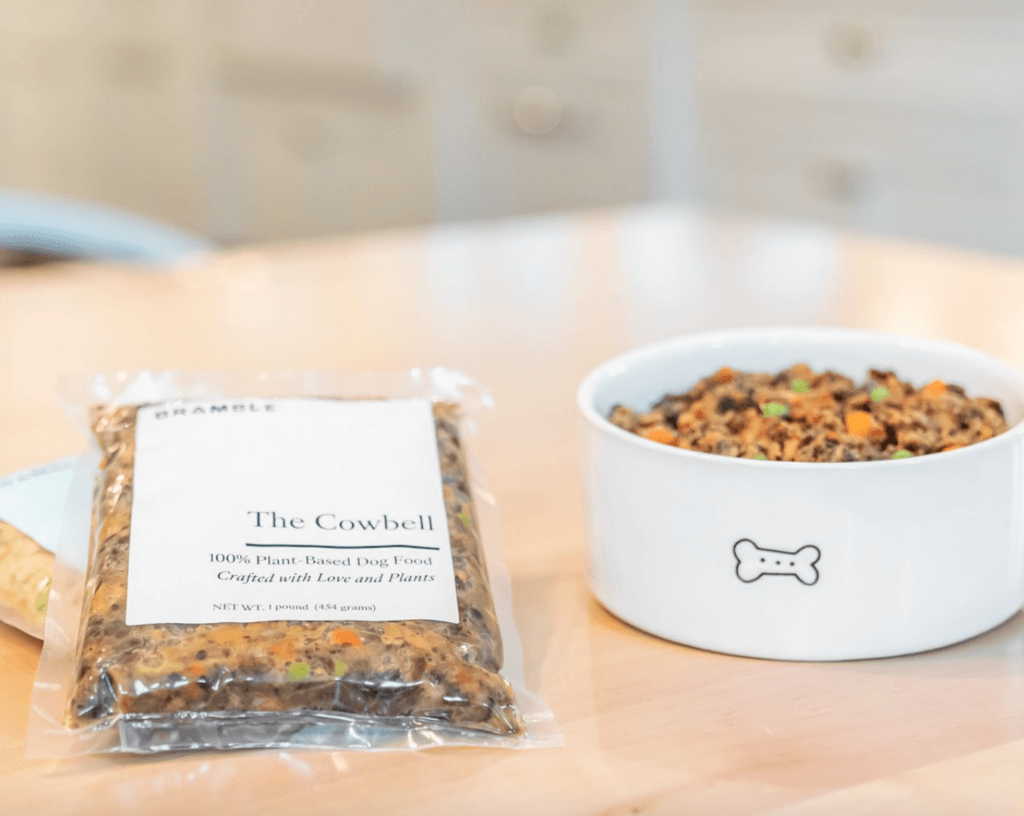
As more people adopt a vegan lifestyle, they often wonder what options are available for feeding their beloved pets. Fortunately, there are a variety of vegan pet food options on the market that provide all the necessary nutrients for a healthy and balanced diet. In this article, we will explore the different types of vegan pet food available, as well as the ingredients used in these products.
Plant-based kibble
One of the most common types of vegan pet food is plant-based kibble. This dry food is typically made from a combination of grains, legumes, and vegetables. Some popular ingredients found in plant-based kibble include lentils, peas, and other legumes. These ingredients provide a good source of protein, fiber, and essential nutrients for your pet.
Vegan wet food
In addition to dry kibble, there are also vegan wet food options available for pets. These canned or pouch-based foods are often made with a combination of plant-based proteins, such as soy or wheat, along with fruits and vegetables. They provide a moist and flavorful alternative to dry kibble and can be a great option for pets with dental issues or those who prefer wet food.
Homemade vegan pet food recipes
For pet owners who prefer to make their own pet food, there are plenty of homemade vegan pet food recipes available. These recipes typically include a combination of plant-based proteins, such as tofu or tempeh, along with a variety of fruits, vegetables, and grains. It’s important to ensure that homemade pet food recipes are nutritionally balanced and meet all of your pet’s dietary needs.
Vegan freeze-dried pet food
Another option for vegan pet food is freeze-dried pet food. This type of food is made by removing the moisture from fresh ingredients, which helps to preserve their nutritional value. Freeze-dried pet food often includes a variety of plant-based proteins, fruits, and vegetables. It can be rehydrated with water before serving to your pet.
Vegan dehydrated pet food
Similar to freeze-dried pet food, dehydrated pet food is made by removing the moisture from fresh ingredients. However, dehydrated pet food is typically in a powdered or flake form, which can be rehydrated with water before serving. This type of pet food often includes a variety of plant-based proteins, grains, and vegetables.
Vegan pet treats
In addition to main meals, there are also vegan pet treats available for your furry friends. These treats are often made with plant-based ingredients, such as fruits, vegetables, and grains. They can be a great way to reward your pet or provide them with a tasty snack between meals.
Vegan pet supplements
To ensure that your pet is getting all the necessary nutrients, you may also consider adding vegan pet supplements to their diet. These supplements are specifically formulated to provide additional vitamins, minerals, and other essential nutrients that may be lacking in a vegan pet diet. It’s important to consult with your veterinarian before adding any supplements to your pet’s diet.
Vegan pet food brands
There are several vegan pet food brands on the market that specialize in providing high-quality, plant-based pet food. Some popular vegan pet food brands include V-Dog, Wild Earth, and Amì. These brands offer a variety of options, including kibble, wet food, and treats, to meet the dietary needs of your pet.
Vegan pet food delivery services
If you prefer the convenience of having pet food delivered to your doorstep, there are also vegan pet food delivery services available. These services offer a variety of vegan pet food options and deliver them directly to your home on a regular basis. This can be a great option for busy pet owners or those who want to ensure that their pet always has access to nutritious food.
Vegan pet food made from lentils, peas, and other legumes
Lentils, peas, and other legumes are commonly used in vegan pet food as a source of protein and fiber. These ingredients are rich in essential nutrients and can help support your pet’s overall health and well-being. They are also easily digestible for most pets.
Vegan pet food made from soy, wheat, and other grains
Soy, wheat, and other grains are often used in vegan pet food as a source of protein and carbohydrates. These ingredients provide the necessary energy for your pet and can help keep them feeling full and satisfied. It’s important to choose high-quality, non-GMO grains to ensure that your pet is getting the best nutrition.
Vegan pet food made from fruits and vegetables
Fruits and vegetables are an important part of a vegan pet diet as they provide essential vitamins, minerals, and antioxidants. Some common fruits and vegetables found in vegan pet food include apples, carrots, spinach, and sweet potatoes. These ingredients not only provide nutritional benefits but also add flavor and variety to your pet’s meals.
Vegan pet food made from algae and seaweed
Algae and seaweed are often included in vegan pet food as a source of omega-3 fatty acids and other essential nutrients. These ingredients can help support your pet’s immune system, promote healthy skin and coat, and support overall brain health. They are also a sustainable and eco-friendly option for pet food.
Vegan pet food made from nuts and seeds
Nuts and seeds, such as almonds, flaxseeds, and chia seeds, are often used in vegan pet food as a source of healthy fats and protein. These ingredients can help support your pet’s joint health, promote a healthy coat, and provide essential nutrients for overall well-being.
Vegan pet food made from mushrooms
Mushrooms are a unique ingredient often found in vegan pet food. They are rich in antioxidants, vitamins, and minerals, and can help support your pet’s immune system and overall health. Some common mushrooms used in pet food include shiitake, maitake, and reishi.
Vegan pet food made from nutritional yeast
Nutritional yeast is a popular ingredient in vegan pet food as it provides a cheesy flavor and is a good source of B vitamins. It can help support your pet’s immune system, promote healthy digestion, and provide essential nutrients for overall health.
Vegan pet food made from coconut and coconut oil
Coconut and coconut oil are often used in vegan pet food as a source of healthy fats and medium-chain triglycerides (MCTs). These ingredients can help support your pet’s skin and coat health, promote a healthy immune system, and provide a source of energy.
Vegan pet food made from hemp and hempseed
Hemp and hempseed are becoming increasingly popular in vegan pet food due to their high protein content and omega-3 fatty acids. These ingredients can help support your pet’s joint health, promote a healthy coat, and provide essential nutrients for overall well-being.
Vegan pet food made from flaxseed and flaxseed oil
Flaxseed and flaxseed oil are often included in vegan pet food as a source of omega-3 fatty acids and fiber. These ingredients can help support your pet’s cardiovascular health, promote a healthy coat, and support overall well-being.
Vegan pet food made from chia seeds
Chia seeds are a popular ingredient in vegan pet food as they are a good source of omega-3 fatty acids, fiber, and antioxidants. These seeds can help support your pet’s digestive health, promote a healthy coat, and provide essential nutrients for overall well-being.
Vegan pet food made from quinoa and other pseudocereals
Quinoa and other pseudocereals, such as amaranth and buckwheat, are often used in vegan pet food as a source of protein, fiber, and essential nutrients. These ingredients can help support your pet’s overall health and provide a good source of energy.
Vegan pet food made from spirulina and other superfoods
Spirulina and other superfoods, such as kale, blueberries, and turmeric, are often included in vegan pet food for their high nutritional value. These ingredients can help support your pet’s immune system, promote healthy digestion, and provide essential vitamins and minerals.
Vegan pet food made from herbs and botanicals
Herbs and botanicals, such as parsley, chamomile, and ginger, are often used in vegan pet food for their medicinal properties. These ingredients can help support your pet’s digestive health, promote a healthy coat, and provide additional flavor and aroma to their meals.
Vegan pet food made from probiotics and digestive enzymes
Probiotics and digestive enzymes are often added to vegan pet food to support healthy digestion and nutrient absorption. These ingredients can help maintain a healthy gut flora and promote optimal digestion for your pet.
Vegan pet food made from essential fatty acids
Essential fatty acids, such as omega-3 and omega-6 fatty acids, are crucial for your pet’s overall health and well-being. Vegan pet food often includes ingredients rich in these fatty acids, such as flaxseed oil, chia seeds, and hempseed oil.
Vegan pet food made from vitamins and minerals
Vitamins and minerals are essential for your pet’s overall health and well-being. Vegan pet food is often fortified with a variety of vitamins and minerals to ensure that your pet is getting all the necessary nutrients.
Vegan pet food made from natural flavors and colors
Vegan pet food is often made with natural flavors and colors derived from fruits, vegetables, and herbs. These ingredients provide a tasty and visually appealing meal for your pet without the need for artificial additives.
Vegan pet food made from non-GMO ingredients
Many vegan pet food brands prioritize using non-GMO ingredients to ensure that their products are free from genetically modified organisms. This can provide peace of mind for pet owners who are concerned about the potential health and environmental impacts of GMOs.
Vegan pet food made from organic ingredients
Organic ingredients are often used in vegan pet food to ensure that the products are free from pesticides, herbicides, and other harmful chemicals. Choosing organic pet food can help support sustainable farming practices and reduce your pet’s exposure to potentially harmful substances.
Vegan pet food made from sustainable and eco-friendly sources
Many vegan pet food brands prioritize using ingredients that are sourced from sustainable and eco-friendly sources. This can include ingredients that are grown using regenerative farming practices, as well as ingredients that are sourced from renewable resources.
Vegan pet food made without artificial preservatives, additives, or fillers
Vegan pet food is often made without the use of artificial preservatives, additives, or fillers. Instead, natural preservatives, such as vitamin E, are used to ensure the freshness and quality of the food. This can help reduce the risk of allergic reactions and other health issues in your pet.
Vegan pet food made without animal by-products or animal testing
One of the key principles of vegan pet food is that it is made without the use of animal by-products or animal testing. This means that the ingredients used in vegan pet food are sourced from plant-based sources and that the products are not tested on animals.
Vegan pet food made with ethical and cruelty-free practices
Vegan pet food brands often prioritize ethical and cruelty-free practices throughout the production process. This can include sourcing ingredients from suppliers who adhere to high animal welfare standards and ensuring that the manufacturing process is free from any harm or exploitation of animals.
Vegan pet food made with the health and well-being of animals in mind
Ultimately, vegan pet food is made with the health and well-being of animals in mind. These products are designed to provide all the necessary nutrients for your pet’s optimal health, while also promoting sustainable and ethical practices in the pet food industry.
In conclusion, there are a wide variety of options available for vegans who are looking to feed their pets a plant-based diet. From plant-based kibble and wet food to homemade recipes and specialized vegan pet food brands, there are plenty of choices to suit your pet’s needs. Whether you choose to feed your pet a commercially available vegan pet food or make your own, it’s important to ensure that their diet is nutritionally balanced and meets all of their dietary requirements. By choosing vegan pet food, you can provide your pet with a healthy and compassionate diet that supports their overall health and well-being.