
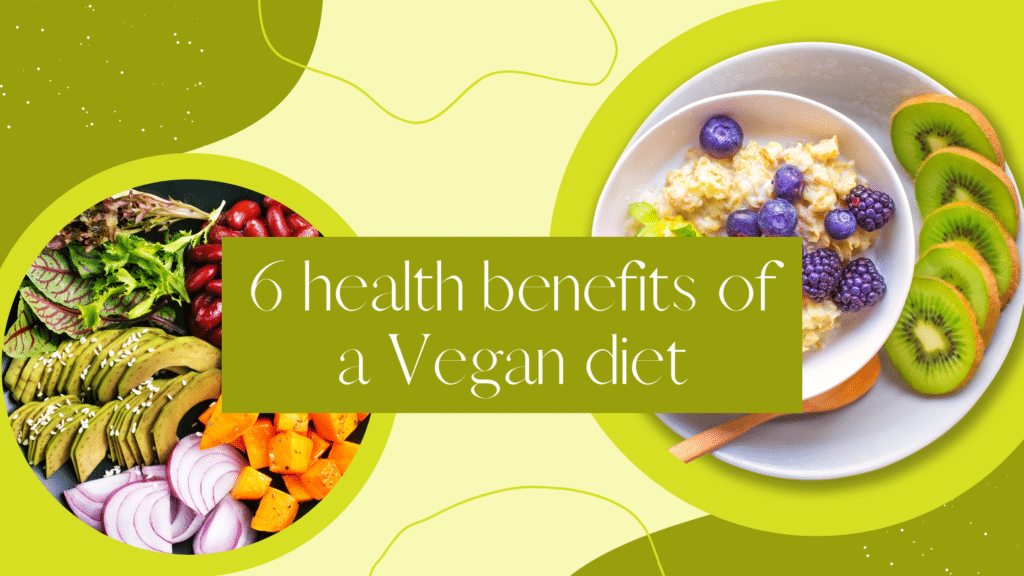
There has been a growing interest in plant-based diets in recent years, with many people opting to follow a vegan lifestyle. But are vegans really healthier than meat eaters? In this article, we will explore the truth about plant-based diets and their impact on health.
Vegan diets provide adequate intakes of key nutrients
One of the main concerns when it comes to vegan diets is whether they provide enough nutrients. However, research has shown that well-planned vegan diets can provide all the necessary nutrients for good health. This includes protein, which is often associated with meat consumption. Plant-based sources of protein such as legumes, tofu, tempeh, and seitan can easily meet the recommended daily intake.
Are vegans more healthy than meat eaters? Yes, vegans can obtain all the necessary nutrients from plant-based sources.
Vegan diets are usually low in saturated fat
Saturated fat is often linked to an increased risk of heart disease and other health problems. One of the benefits of a vegan diet is that it is typically low in saturated fat. This is because animal products, such as meat and dairy, are the main sources of saturated fat in the diet. By eliminating these foods, vegans can significantly reduce their saturated fat intake.
Are vegans more healthy than meat eaters? Yes, vegans tend to consume less saturated fat, which can have a positive impact on their health.
Vegan diets are high in dietary fiber
Dietary fiber is essential for a healthy digestive system and can help prevent constipation, lower cholesterol levels, and control blood sugar levels. Plant-based diets, which are rich in fruits, vegetables, whole grains, and legumes, are naturally high in dietary fiber. This can contribute to better overall health and a reduced risk of chronic diseases such as heart disease and type 2 diabetes.
Are vegans more healthy than meat eaters? Yes, the high dietary fiber content of vegan diets can have numerous health benefits.
Vegans are relatively lean
Obesity is a major health concern worldwide and is associated with an increased risk of various diseases, including heart disease, type 2 diabetes, and certain types of cancer. Studies have shown that vegans tend to have lower body mass indexes (BMIs) and lower body fat percentages compared to meat eaters. This may be due to the lower calorie density of plant-based foods and the higher fiber content, which can promote feelings of fullness and reduce overall calorie intake.
Are vegans more healthy than meat eaters? Yes, vegans generally have lower BMIs and body fat percentages, which can contribute to better overall health.
Vegans have lower blood cholesterol levels
High blood cholesterol levels are a major risk factor for heart disease. Animal products, especially those high in saturated fat, can raise cholesterol levels. On the other hand, plant-based diets are naturally cholesterol-free and can help lower cholesterol levels. Several studies have shown that vegans tend to have lower total cholesterol, LDL cholesterol (the «bad» cholesterol), and triglyceride levels compared to meat eaters.
Are vegans more healthy than meat eaters? Yes, vegans often have lower blood cholesterol levels, which is beneficial for heart health.
Vegans have lower blood pressure levels
High blood pressure, or hypertension, is a common health problem that can increase the risk of heart disease, stroke, and kidney disease. Plant-based diets, which are low in sodium and high in potassium, have been shown to help lower blood pressure levels. This is because fruits, vegetables, and whole grains are rich in potassium, which can help counteract the effects of sodium on blood pressure.
Are vegans more healthy than meat eaters? Yes, vegans often have lower blood pressure levels, reducing their risk of cardiovascular diseases.
Vegans have a lower risk of some digestive tract disorders
Diverticular disease is a condition characterized by the formation of small pouches in the colon. It can cause symptoms such as abdominal pain, bloating, and changes in bowel habits. Research has shown that a high intake of dietary fiber, which is abundant in plant-based diets, can reduce the risk of diverticular disease. On the other hand, diets high in red and processed meats have been associated with an increased risk of this condition.
Are vegans more healthy than meat eaters? Yes, vegans may have a lower risk of digestive tract disorders such as diverticular disease.
Vegans may have a higher risk of bone fractures
One concern often raised about vegan diets is the potential for lower calcium intake, which could increase the risk of bone fractures and osteoporosis. Calcium is essential for maintaining strong and healthy bones. While it is possible to obtain enough calcium from plant-based sources such as fortified plant milks, tofu, and leafy green vegetables, some vegans may not consume enough of these foods. Therefore, it is important for vegans to ensure an adequate intake of calcium through diet or supplementation.
Are vegans more healthy than meat eaters? Yes, vegans may have a higher risk of bone fractures due to lower calcium intakes.
Vegans may have a lower risk of ischaemic heart disease
Ischaemic heart disease, also known as coronary artery disease, is the leading cause of death worldwide. It occurs when the arteries that supply blood to the heart become narrowed or blocked, reducing blood flow and oxygen to the heart. Several studies have shown that plant-based diets are associated with a lower risk of ischaemic heart disease. This may be due to the lower intake of saturated fat and cholesterol, as well as the higher intake of dietary fiber and antioxidants found in plant-based foods.
Are vegans more healthy than meat eaters? Yes, vegans may have a lower risk of ischaemic heart disease, the leading cause of death globally.
Vegans may have a higher risk of stroke
While plant-based diets have been associated with a lower risk of heart disease, some studies have suggested a potential increased risk of stroke among vegans. This may be due to lower intakes of certain nutrients such as vitamin B12 and omega-3 fatty acids, which are mainly found in animal products. However, more research is needed to fully understand the relationship between vegan diets and stroke risk.
Are vegans more healthy than meat eaters? Yes, vegans may have a higher risk of stroke, although more research is needed to confirm this association.
No evidence of a difference in life expectancy between vegans and meat eaters
While there are clear health benefits associated with vegan diets, there is currently no evidence to suggest that vegans live longer than meat eaters. Factors such as overall diet quality, lifestyle choices, and genetics can all play a role in determining life expectancy. It is important to note that a vegan diet does not guarantee good health, as it is still possible to consume unhealthy vegan foods such as processed snacks and sugary drinks.
Are vegans more healthy than meat eaters? There is no evidence to suggest that vegans have a longer life expectancy compared to meat eaters.
Processed meat linked to increased risk of colorectal cancer
Colorectal cancer is the third most common cancer worldwide. Several studies have shown a strong link between the consumption of processed meat and an increased risk of colorectal cancer. Processed meats such as bacon, sausages, and deli meats are often high in sodium, nitrates, and other additives, which may contribute to the development of cancer. Reducing or eliminating processed meat from the diet can help lower the risk of colorectal cancer.
Are vegans more healthy than meat eaters? Yes, avoiding processed meat can reduce the risk of colorectal cancer.
Unprocessed red meat may increase the risk of colorectal cancer
While the link between processed meat and colorectal cancer is well-established, the association between unprocessed red meat and cancer risk is less clear. Some studies have suggested that high consumption of red meat, especially when cooked at high temperatures or processed, may increase the risk of colorectal cancer. However, more research is needed to fully understand the relationship between unprocessed red meat and cancer risk.
Are vegans more healthy than meat eaters? Yes, reducing the consumption of unprocessed red meat may lower the risk of colorectal cancer.
Average lifetime risk for colorectal cancer increases with higher intake of processed meat
The average lifetime risk for colorectal cancer is influenced by various factors, including diet. Studies have shown that the risk of colorectal cancer increases with higher intake of processed meat. For example, in the UK, the average lifetime risk for colorectal cancer is about 1 in 17 for people with a low intake of processed meat. However, this risk would rise to about 1 in 14 for people with a 50 gram per day higher intake of processed meat.
Are vegans more healthy than meat eaters? Yes, reducing the intake of processed meat can lower the average lifetime risk for colorectal cancer.
Average lifetime risk for colorectal cancer in the UK with low intake of processed meat
For individuals with a low intake of processed meat in the UK, the average lifetime risk for colorectal cancer is about 1 in 17. This risk is relatively low compared to other types of cancer. However, it is still important to maintain a healthy lifestyle and consume a balanced diet to further reduce the risk of colorectal cancer.
Are vegans more healthy than meat eaters? Yes, individuals with a low intake of processed meat have a lower average lifetime risk for colorectal cancer.
Average lifetime risk for colorectal cancer in the UK with higher intake of processed meat
For individuals with a higher intake of processed meat in the UK, the average lifetime risk for colorectal cancer is about 1 in 14. This represents a slightly higher risk compared to those with a low intake of processed meat. It is important for individuals with a high intake of processed meat to consider reducing their consumption and opting for healthier alternatives.
Are vegans more healthy than meat eaters? Yes, individuals with a higher intake of processed meat have a higher average lifetime risk for colorectal cancer.
In conclusion, while there are numerous health benefits associated with vegan diets, it is important to note that simply following a vegan lifestyle does not guarantee good health. It is essential to consume a well-planned and balanced diet that meets all the necessary nutrient requirements. Additionally, lifestyle factors such as regular physical activity, stress management, and avoiding smoking and excessive alcohol consumption also play a crucial role in overall health and well-being.

