
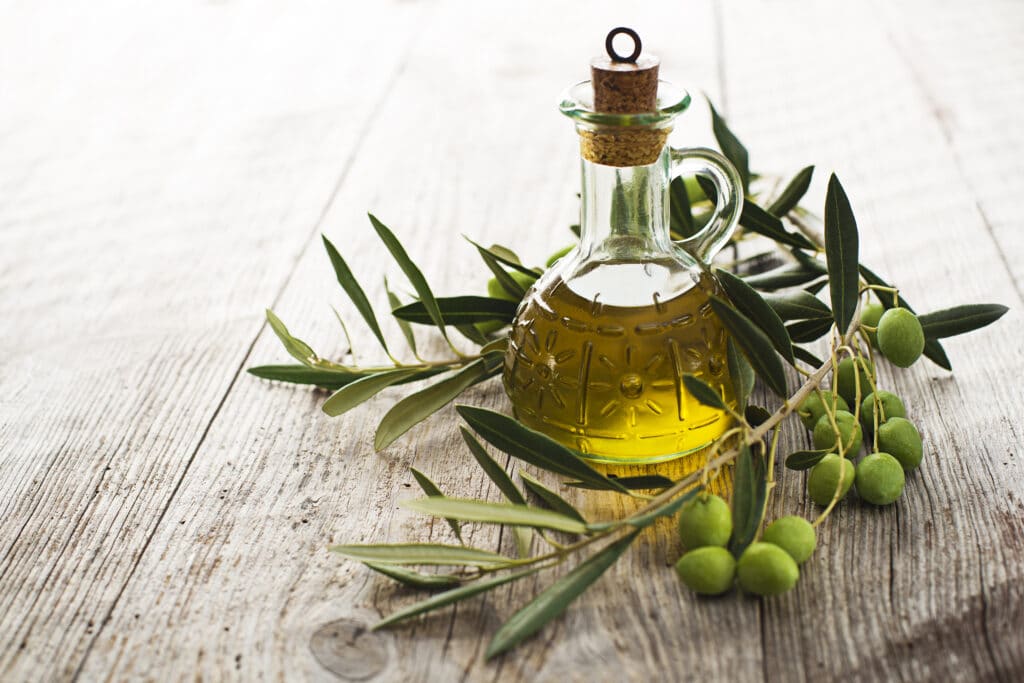
Olive oil is plant-based
Olive oil is derived from the fruit of the olive tree, making it a plant-based product. It is extracted by pressing the olives to release the oil. This means that olive oil does not contain any animal products and is suitable for vegans.
It does not contain animal products
As mentioned earlier, olive oil is made solely from olives, which are fruits. There are no animal products involved in the production of olive oil, making it a suitable choice for vegans who avoid consuming any animal-derived ingredients.
Some vegans choose not to consume olive oil due to its environmental impact
While olive oil is vegan-friendly, some vegans choose to avoid consuming it due to concerns about its environmental impact. The production of olive oil can have negative consequences for the environment, which we will explore in the following sections.
Olive oil production can lead to land erosion
One of the environmental concerns associated with olive oil production is the potential for land erosion. Olive trees are often grown on steep slopes, and the removal of vegetation to make way for the trees can leave the soil vulnerable to erosion. This can result in the loss of fertile topsoil and damage to the surrounding ecosystem.
Olive trees require a lot of water for growth
Olive trees are known to be relatively water-intensive crops. They require a significant amount of water for their growth and development. This can put a strain on water resources, especially in regions where water scarcity is already a concern.
Excessive water use is needed to produce olive oil
In addition to the water required for the growth of olive trees, the production process of olive oil also involves the use of water. This includes washing the olives before pressing them and separating the oil from the water content. The excessive use of water in olive oil production can contribute to water scarcity and environmental degradation.
Olive oil is considered healthier than other cooking oils
Despite the environmental concerns associated with olive oil production, it is widely regarded as a healthier option compared to other cooking oils. Olive oil is rich in monounsaturated fats, which are considered heart-healthy fats. It also contains antioxidants and has been associated with various health benefits, including reducing the risk of heart disease.
The decision to consume olive oil is subjective and personal for vegans
Whether or not a vegan chooses to consume olive oil is a subjective and personal decision. While some vegans may choose to avoid it due to its environmental impact, others may prioritize the health benefits and consider it a part of their plant-based diet. Ultimately, it is up to each individual vegan to decide whether or not to include olive oil in their diet.
Some vegans argue against olive oil production and consumption
There are vegans who argue against the production and consumption of olive oil due to the environmental concerns mentioned earlier. They believe that the negative impact on the environment outweighs any potential health benefits. These vegans may opt for alternative cooking oils that have a lower environmental footprint.
The impact of olive oil production on the environment is up for debate
While there are valid concerns about the environmental impact of olive oil production, the extent of this impact is still a topic of debate. Some argue that sustainable farming practices can mitigate the negative effects, while others believe that the overall impact is too significant to ignore. It is important to consider different perspectives and gather accurate information when forming an opinion on this matter.
Olive oil can be used sparingly to minimize its environmental impact
For vegans who choose to consume olive oil but are concerned about its environmental impact, one approach is to use it sparingly. By using smaller amounts of olive oil in cooking and opting for other plant-based fats and oils when possible, the overall environmental footprint can be reduced.
The quality of the soil in olive plantations is often poor
Another environmental concern related to olive oil production is the quality of the soil in olive plantations. Olive trees are often grown in areas with poor soil quality, which can be further degraded by the intensive farming practices associated with olive oil production. This can have long-term consequences for the fertility and health of the soil.
Other plants are removed to maximize olive production
In order to maximize olive production, other plants and vegetation are often removed from the olive plantations. This can result in the loss of biodiversity and disrupt the natural balance of the ecosystem. It also reduces the habitat for various species of plants and animals.
Olive trees need to be spread out across a wider area for better crop yield
Olive trees require a certain amount of space to grow and produce a good crop yield. This means that olive plantations need to be spread out across a wider area, which can lead to the fragmentation of natural habitats and the loss of wildlife corridors. This can have negative consequences for local biodiversity.
Olive oil production is common in southern continental Europe and Mediterranean countries and islands
Olive oil production is particularly common in southern continental Europe and Mediterranean countries and islands. These regions have a long history of olive cultivation and are known for producing high-quality olive oil. However, the environmental impact of olive oil production can vary depending on the specific farming practices employed in each region.
Olive trees have been shown to have a positive impact on the environment compared to other crops
While there are concerns about the environmental impact of olive oil production, it is worth noting that olive trees have been shown to have a positive impact on the environment compared to other crops. They are known to be drought-tolerant and can help prevent soil erosion. Additionally, olive trees can act as carbon sinks, absorbing and storing carbon dioxide from the atmosphere.
The use of olive oil is a personal decision for vegans
Ultimately, the decision to use olive oil as a vegan is a personal one. It involves weighing the potential health benefits against the environmental concerns associated with its production. Some vegans may choose to consume olive oil in moderation, while others may opt for alternative cooking oils. It is important for vegans to consider their own values and priorities when making this decision.
Olive oil is a source of healthy fats
From a nutritional standpoint, olive oil is considered a source of healthy fats. It is rich in monounsaturated fats, which have been associated with various health benefits, including improved heart health. Including moderate amounts of olive oil in a balanced plant-based diet can provide essential fatty acids and contribute to overall health and well-being.

