Vegan Diets and Carbon Footprint
Veganism has gained significant attention in recent years due to its potential to reduce carbon footprint and combat climate change. A vegan diet is one that excludes all animal products, including meat, dairy, eggs, and honey. By eliminating these products from their diet, vegans significantly reduce their carbon footprint and contribute to a more sustainable food system.
Environmental Impact of Livestock Farming
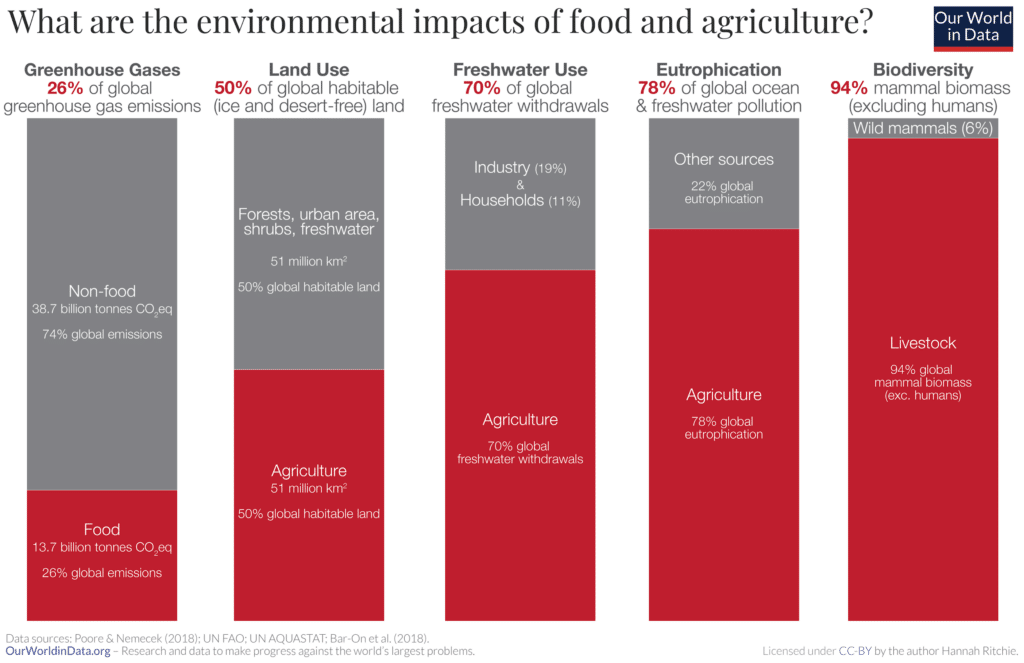
Livestock farming, particularly the production of meat and dairy products, has a substantial environmental impact. The process of raising animals for food requires large amounts of food, water, energy, and land. These resources contribute to greenhouse gas emissions, deforestation, water pollution, and habitat destruction.
Carbon Footprint of the Meat and Dairy Industry
The meat and dairy industry is a major contributor to greenhouse gas emissions. According to the Food and Agriculture Organization of the United Nations (FAO), the livestock sector is responsible for approximately 14.5% of global greenhouse gas emissions. This is more than the emissions from the entire transportation sector.
Greenhouse Gas Emissions from Ruminant Animals
Ruminant animals, such as cattle and sheep, are particularly significant contributors to greenhouse gas emissions. These animals have a unique digestive system that produces methane, a potent greenhouse gas. Methane has a much higher global warming potential than carbon dioxide, making it a major driver of climate change.
Methane Emissions from Cows
Cows, in particular, are responsible for a significant amount of methane emissions. When cows digest their food, they produce methane as a byproduct. This methane is released into the atmosphere through belching and flatulence. According to the FAO, methane emissions from livestock account for approximately 44% of total global methane emissions.
Land, Water, and Resource Requirements of Beef Production
Beef production requires a significant amount of land, water, and resources compared to plant-based foods. Cattle need large grazing areas and consume vast amounts of water and feed. The production of feed crops for livestock also requires extensive land use and contributes to deforestation.
Reducing Greenhouse Gas Emissions through Vegan Diets
By adopting a vegan diet, individuals can significantly reduce their greenhouse gas emissions. Plant-based foods have a much lower carbon footprint compared to animal products. This is because plant-based foods require fewer resources, such as land, water, and energy, to produce.
Mitigating Climate Change through Plant-Based Diets
Plant-based diets have the potential to mitigate climate change by reducing deforestation and land degradation associated with animal farming. The production of animal feed crops often leads to the clearing of forests, which contributes to carbon emissions and loss of biodiversity. By choosing plant-based foods, individuals can help protect forests and preserve natural habitats.
Local Production and Transportation Emissions
Another advantage of vegan diets is that many plant-based foods can be produced locally, reducing the carbon emissions associated with transportation. Locally sourced fruits, vegetables, grains, and legumes have a lower carbon footprint compared to imported foods that have traveled long distances.
Seasonal Diets and Carbon Footprint
Eating a seasonal diet can further reduce the carbon footprint of vegan foods. Seasonal produce is often grown locally and requires fewer resources for cultivation and transportation. By choosing fruits and vegetables that are in season, individuals can reduce the energy and emissions associated with growing and transporting food.
Reducing Carbon Emissions from the Food Sector
The food sector is a significant contributor to greenhouse gas emissions. By adopting vegan diets, individuals can help reduce the overall carbon emissions from the food sector. This includes emissions from livestock farming, food processing, packaging, and transportation.
Plant-Based Alternatives and Carbon Footprint
Plant-based alternatives to animal products, such as plant-based meats and dairy substitutes, can also contribute to reducing carbon footprint. These alternatives are often made from plant ingredients that require fewer resources to produce compared to animal-based products. Additionally, the production of plant-based alternatives emits fewer greenhouse gases compared to traditional animal agriculture.
Promoting a Sustainable Food System
Veganism promotes a more sustainable and environmentally friendly food system. By reducing the demand for animal agriculture, individuals can help shift the food industry towards more sustainable practices. This includes supporting organic farming, regenerative agriculture, and local food systems.
Individual Carbon Footprint and Vegan Diets
Adopting a vegan diet can have a significant impact on an individual’s carbon footprint. The carbon footprint of an individual’s diet is influenced by various factors, including the types of foods consumed, their source, and the methods of production. By choosing plant-based foods, individuals can reduce their reliance on resource-intensive animal agriculture and contribute to a more sustainable future.
Going Vegan: A Powerful Action Against Climate Change
Going vegan is one of the most effective actions individuals can take to reduce their carbon footprint and combat climate change. By eliminating animal products from their diet, individuals can significantly reduce their greenhouse gas emissions, conserve resources, and promote a more sustainable food system. Veganism offers a powerful solution to the urgent challenge of climate change and provides hope for a more sustainable future.