
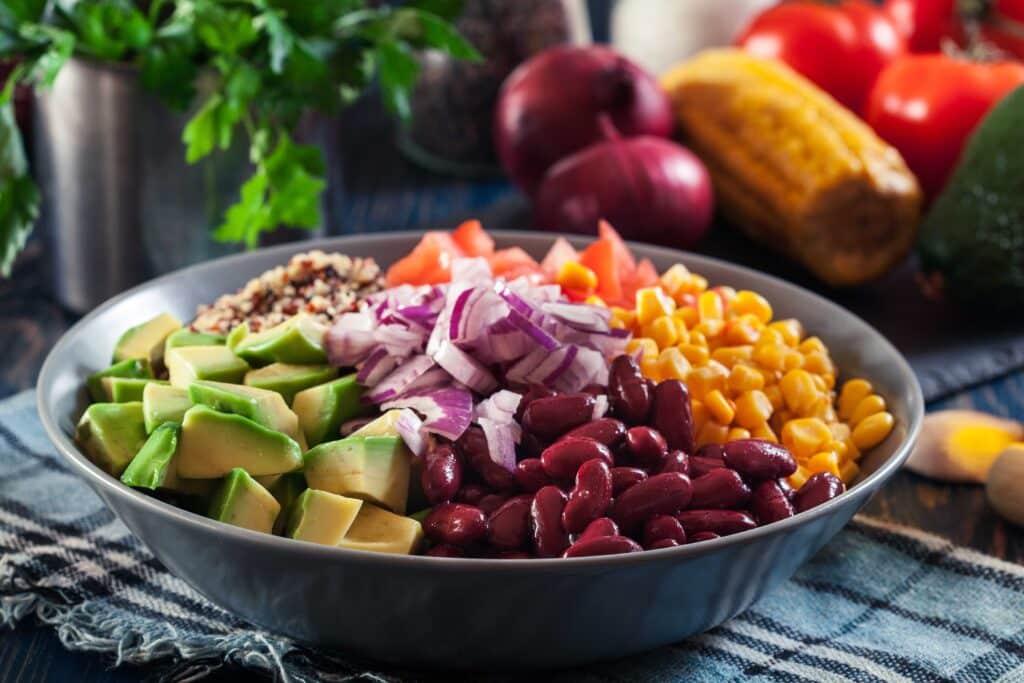
Following a vegan diet can have numerous health benefits, such as reducing the risk of heart disease, diabetes, and certain types of cancer. However, one concern that often arises when adopting a vegan lifestyle is getting enough calcium, a vital mineral for bone health. Many people associate calcium with dairy products, but there are plenty of plant-based sources that can provide you with this essential nutrient.
In this blog post, we will explore the different plant-based foods that are rich in calcium and how you can incorporate them into your vegan diet. We will discuss the importance of calcium for bone health and other functions in the body, as well as debunk some common myths surrounding calcium absorption and vegan diets. Whether you are a new vegan or simply looking to increase your calcium intake, this guide will provide you with the necessary information and tips to ensure you are meeting your calcium needs while following a plant-based lifestyle.
Choose calcium-fortified plant milks
One of the easiest ways to ensure you’re getting enough calcium on a vegan diet is to choose calcium-fortified plant milks. Many brands now offer plant-based milks that are fortified with calcium, making them an excellent source of this essential nutrient.
When shopping for plant milks, be sure to check the label and look for options that specifically mention calcium fortification. Some popular choices include almond milk, soy milk, oat milk, and rice milk.
Calcium-fortified plant milks not only provide the calcium your body needs, but they are also often fortified with other important nutrients like vitamin D and vitamin B12, which are commonly lacking in a vegan diet.
Remember to shake the plant milk well before consuming it to ensure that the calcium is evenly distributed throughout the liquid.
Incorporate tofu into your meals
One great way to ensure you are getting enough calcium on a vegan diet is by incorporating tofu into your meals. Tofu is a versatile and nutritious plant-based protein that is also a good source of calcium.
Here are some ideas on how to incorporate tofu into your meals:
- Tofu scrambles: Replace eggs with crumbled tofu in your breakfast scrambles. Add your favorite vegetables and spices for a delicious and calcium-rich start to your day.
- Tofu stir-fries: Use cubed tofu in stir-fries along with your favorite vegetables and sauces. The tofu will absorb the flavors of the dish and provide a good amount of calcium.
- Tofu salads: Add cubed tofu to your salads for an extra boost of protein and calcium. Pair it with leafy greens, vegetables, and a tasty dressing.
- Tofu smoothies: Blend silken tofu into your smoothies for a creamy and protein-packed addition. You won’t even taste the tofu, but you’ll benefit from its calcium content.
Remember to choose fortified tofu, which is typically made with calcium sulfate, to maximize your calcium intake. Incorporating tofu into your meals is a delicious and easy way to ensure you are meeting your calcium needs on a vegan diet.
Snack on calcium-rich almonds
Almonds are not only a delicious snack, but they are also a great source of calcium for those following a vegan diet. Just a handful of almonds can provide you with a substantial amount of calcium.
In addition to being rich in calcium, almonds also offer other essential nutrients such as protein, healthy fats, and fiber. They are a versatile snack that can be enjoyed on their own, added to salads, or incorporated into various recipes.
To maximize your calcium intake from almonds, it is recommended to choose unsalted and unroasted almonds, as these will provide the highest nutritional value. You can also try almond butter or almond milk as alternatives to dairy-based products.
Remember that while almonds are a good source of calcium, it is important to include a variety of other calcium-rich foods in your diet to ensure you meet your daily requirements. Calcium-fortified plant-based milk, tofu, leafy green vegetables, and fortified breakfast cereals are some other options to consider.
Eat leafy green vegetables regularly
Leafy green vegetables are a fantastic source of calcium for those following a vegan diet. Incorporating them into your meals regularly can help ensure you are getting enough calcium. Some great options include:
- Spinach
- Kale
- Collard greens
- Broccoli
These vegetables not only provide calcium, but they are also packed with other essential nutrients, such as vitamin K and folate.
To maximize the absorption of calcium from leafy greens, it’s recommended to consume them with a source of vitamin C, such as citrus fruits or bell peppers. This combination can enhance the absorption of calcium in the body.
Try incorporating leafy greens into your salads, stir-fries, smoothies, or even as a side dish to ensure you are getting enough calcium on your vegan diet.
Consider taking a calcium supplement
While it is possible to get enough calcium on a vegan diet, it can sometimes be challenging. If you are concerned about meeting your calcium needs through dietary sources alone, you may want to consider taking a calcium supplement.
Calcium supplements are available in different forms, such as calcium carbonate and calcium citrate. It is important to choose a supplement that is suitable for vegans, as some calcium supplements may contain animal-derived ingredients.
When taking a calcium supplement, it is recommended to divide the dosage throughout the day, as the body can only absorb a certain amount of calcium at a time. Additionally, it is important to take the supplement with meals to enhance absorption.
It is always best to consult with a healthcare professional before starting any new supplement to determine the appropriate dosage and to ensure it is suitable for your individual needs.
Include fortified breakfast cereals
Include fortified breakfast cereals
Breakfast cereals can be a great source of calcium for those following a vegan diet. Look for fortified breakfast cereals that are specifically enriched with calcium. These cereals typically contain added nutrients, including calcium, to help meet your daily requirements.
When selecting fortified breakfast cereals, be sure to check the nutrition label to ensure they provide a significant amount of calcium. Aim for cereals that contain at least 20% of the recommended daily intake of calcium per serving.
In addition to being a good source of calcium, fortified breakfast cereals can also be a convenient and delicious way to start your day. Pair them with non-dairy milk, such as almond milk or soy milk, for an even higher calcium boost.
Try calcium-fortified orange juice
One great way to get enough calcium on a vegan diet is by opting for calcium-fortified orange juice. This fortified juice is an excellent source of calcium and can help you meet your daily calcium needs.
Calcium-fortified orange juice is made by adding calcium carbonate, a common calcium supplement, to the juice. This process ensures that the juice contains a significant amount of calcium, making it a convenient and tasty way to boost your calcium intake.
When choosing a calcium-fortified orange juice, make sure to check the label for the calcium content. Aim for a juice that provides at least 30% of the daily value of calcium per serving.
Drinking a glass of calcium-fortified orange juice with your breakfast or as a snack can help you reach your recommended daily intake of calcium. Adding this delicious beverage to your vegan diet is a simple and effective way to ensure you’re getting enough calcium.
Frequently Asked Questions
1. Can a vegan diet provide enough calcium?
Yes, a vegan diet can provide enough calcium through plant-based sources such as tofu, leafy greens, and fortified plant milks.
2. What are some calcium-rich foods for vegans?
Some calcium-rich foods for vegans include kale, broccoli, almonds, chia seeds, and fortified plant milks.
3. Do vegans need to take calcium supplements?
It depends on individual needs and dietary intake. Consult with a healthcare professional to determine if calcium supplementation is necessary.
4. How can vegans enhance calcium absorption?
Vegans can enhance calcium absorption by consuming foods high in vitamin D, such as fortified plant milks, mushrooms, and spending time in the sun.

