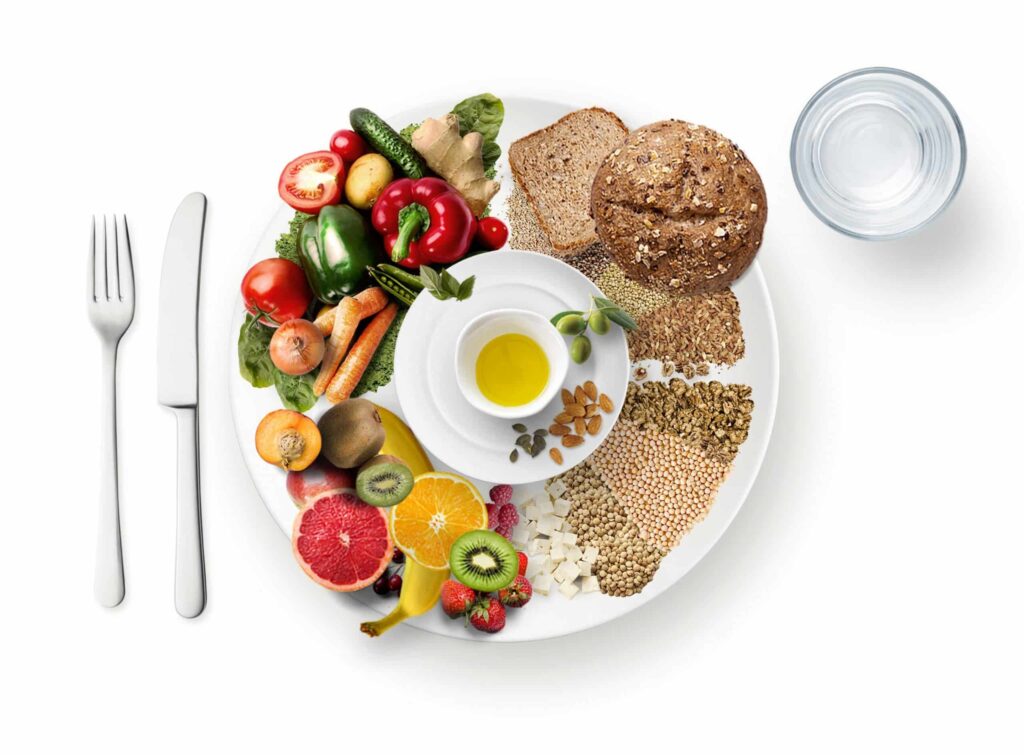
Following a vegan diet can have numerous health benefits, such as reducing the risk of chronic diseases and promoting weight loss. However, one concern that often arises when it comes to plant-based eating is getting enough protein. Many people believe that animal products are the only reliable source of this essential nutrient. However, with proper planning and knowledge, it is entirely possible to meet your protein needs on a vegan diet.
In this blog post, we will explore various plant-based protein sources and provide tips on how to ensure you’re getting enough protein on a vegan diet. We will discuss the importance of protein, the recommended daily intake, and debunk common myths around plant-based protein. Additionally, we will dive into specific vegan protein sources, such as legumes, tofu, tempeh, quinoa, and nuts. We will also provide guidance on meal planning and combining different plant-based foods to create complete protein sources. By the end of this post, you will have a better understanding of how to meet your protein needs while following a vegan lifestyle.
Include plant-based protein sources
One of the most important aspects of following a vegan diet is ensuring that you are getting enough protein. While many people believe that protein can only come from animal sources, there are actually plenty of plant-based protein sources that can provide all the necessary amino acids that your body needs.
Legumes and Pulses
Legumes and pulses such as lentils, chickpeas, and black beans are excellent sources of protein for vegans. They are not only packed with protein, but also high in fiber, iron, and other essential nutrients. You can add them to your meals in various ways, such as in soups, salads, or as a main dish.
Tofu and Tempeh
Tofu and tempeh are soy-based products that are rich in protein. Tofu is a versatile ingredient that can be used in stir-fries, curries, or even as a substitute for eggs in baking. Tempeh, on the other hand, can be marinated and grilled or used in sandwiches and wraps.
Nuts and Seeds
Nuts and seeds are not only a great source of healthy fats, but also contain protein. Almonds, walnuts, chia seeds, and hemp seeds are just a few examples of nuts and seeds that are high in protein. You can snack on them, sprinkle them over salads, or use them in homemade energy bars or granola.
Quinoa and Other Whole Grains
Quinoa is a complete protein, meaning it contains all nine essential amino acids. Other whole grains like brown rice, oats, and barley also provide a good amount of protein. Incorporate these grains into your meals as a side dish or as a base for salads and stir-fries.
Plant-Based Protein Powders
If you find it challenging to consume enough protein through whole foods alone, you can also supplement your diet with plant-based protein powders. These powders are typically made from ingredients like peas, brown rice, or hemp, and can be added to smoothies or used in baking.
By including a variety of these plant-based protein sources in your meals, you can ensure that you are meeting your protein needs on a vegan diet. Remember to also focus on consuming a balanced diet that includes plenty of fruits, vegetables, and whole grains to optimize your overall nutrient intake.
Eat a variety of legumes
Legumes are an excellent source of protein for vegans. They include beans, lentils, chickpeas, and soy products like tofu and tempeh. Incorporating a variety of legumes into your diet ensures that you’re getting a diverse range of amino acids, which are the building blocks of protein.
Here are some ways to include legumes in your meals:
- Add beans or lentils to soups, stews, and chili.
- Make a bean-based veggie burger or falafel.
- Use tofu or tempeh in stir-fries or as a meat substitute in recipes.
- Try making a lentil or chickpea curry.
- Snack on roasted chickpeas or make your own hummus.
Be sure to soak and cook dried legumes properly to improve their digestibility and reduce any potential gas-causing effects.
Note: If you have a soy allergy or intolerance, there are plenty of other legumes to choose from that can still provide you with adequate protein.
Incorporate tofu or tempeh
One of the best ways to ensure you’re getting enough protein on a vegan diet is by incorporating tofu or tempeh into your meals. These plant-based protein sources are not only high in protein, but they are also versatile and can be used in a variety of dishes.
Tofu is made from soybeans and is a great source of complete protein. It can be marinated, grilled, stir-fried, or even used in smoothies to add a creamy texture. Tempeh, on the other hand, is made from fermented soybeans and has a slightly nutty flavor. It can be crumbled, sautéed, or used as a meat substitute in burgers or tacos.
Both tofu and tempeh can be found in most grocery stores and are a great addition to any vegan diet. They are not only packed with protein but also contain essential amino acids, iron, and calcium.
If you’re new to cooking with tofu or tempeh, there are plenty of delicious recipes available online that can help you get started. From tofu scrambles for breakfast to tempeh stir-fries for dinner, the options are endless!
Include whole grains in meals
One important way to ensure you’re getting enough protein on a vegan diet is to include whole grains in your meals. Whole grains are a great source of plant-based protein and can be incorporated into a variety of dishes.
Here are some examples of whole grains you can include:
- Brown rice
- Quinoa
- Millet
- Oats
- Barley
These whole grains can be cooked and used as a base for your meals or added to salads, soups, and stir-fries for an extra protein boost. They are not only rich in protein but also provide important nutrients like fiber, vitamins, and minerals.
By incorporating whole grains into your meals, you can ensure that you’re getting enough protein to meet your dietary needs on a vegan diet.
Add nuts and seeds
One great way to ensure you’re getting enough protein on a vegan diet is to add nuts and seeds to your meals and snacks.
Nuts such as almonds, walnuts, and cashews are packed with protein and make a delicious and nutritious addition to your diet. You can enjoy them as a snack on their own, or incorporate them into your meals by sprinkling them over salads, adding them to stir-fries, or using them as a topping for oatmeal or smoothie bowls.
Seeds, such as chia seeds, flaxseeds, and hemp seeds, are also excellent sources of protein. They can be easily incorporated into your diet by adding them to smoothies, sprinkling them over yogurt or cereal, or using them as a topping for avocado toast.
By including nuts and seeds in your meals and snacks, you can increase your protein intake on a vegan diet and ensure that you’re meeting your nutritional needs.
Use plant-based protein powders
Plant-based protein powders are a great way to ensure you’re getting enough protein on a vegan diet. They are made from various plant sources such as peas, hemp, brown rice, and soy. These powders are not only a convenient option but also provide a good amount of protein per serving.
Choose a high-quality powder
When selecting a plant-based protein powder, it’s important to choose a high-quality product. Look for powders that are organic, non-GMO, and free from artificial additives and sweeteners. Reading product labels and customer reviews can help you make an informed decision.
Experiment with different flavors
Plant-based protein powders come in a variety of flavors such as chocolate, vanilla, and berry. Try different flavors to find the ones you enjoy the most. This can make consuming protein powder more enjoyable and help you stick to your vegan diet.
Include protein powder in your meals and snacks
Protein powder can be easily incorporated into your meals and snacks. You can mix it with water or plant-based milk to create a protein shake, or add it to smoothies, oatmeal, pancakes, or baked goods. This way, you can boost your protein intake throughout the day.
Combine protein powder with other protein-rich foods
While protein powder is a convenient option, it’s also important to include other protein-rich foods in your diet. This can include legumes, tofu, tempeh, seitan, quinoa, chia seeds, and nuts. Combining different protein sources ensures you’re getting a variety of amino acids.
- Legumes: lentils, chickpeas, black beans, and kidney beans
- Tofu: a versatile soy-based protein source
- Tempeh: a fermented soy product with a nutty flavor
- Seitan: made from wheat gluten and has a meat-like texture
- Quinoa: a complete protein source containing all essential amino acids
- Chia seeds: a plant-based source of omega-3 fatty acids
- Nuts: almonds, walnuts, and cashews are high in protein
By combining plant-based protein powders with other protein-rich foods, you can ensure you’re meeting your protein needs while following a vegan diet.
Remember to consult with a healthcare professional or registered dietitian before making any significant changes to your diet, especially if you have specific dietary requirements or health concerns.
Consider fortified plant-based milk
Consider fortified plant-based milk
One great way to ensure you’re getting enough protein on a vegan diet is to incorporate fortified plant-based milk into your daily routine. Fortified plant-based milk, such as soy milk or almond milk, is a great source of protein and can be easily incorporated into a variety of meals and snacks.
When choosing a fortified plant-based milk, it’s important to look for options that are fortified with additional nutrients, such as calcium, vitamin D, and vitamin B12. These nutrients are commonly found in dairy products, so it’s important to make sure you’re getting enough of them on a vegan diet.
In addition to being a good source of protein, fortified plant-based milk also provides other important nutrients, such as omega-3 fatty acids and fiber. These nutrients are important for overall health and can help ensure you’re getting a well-rounded diet.
There are many ways to incorporate fortified plant-based milk into your diet. You can use it as a base for smoothies, pour it over cereal, or use it in recipes that call for milk. You can also enjoy it on its own as a refreshing beverage.
Overall, fortified plant-based milk is a versatile and convenient way to ensure you’re getting enough protein on a vegan diet. By choosing options that are fortified with additional nutrients, you can also ensure you’re meeting your nutritional needs and maintaining a healthy lifestyle.
Frequently Asked Questions
1. Can you get enough protein on a vegan diet?
Yes, you can get enough protein on a vegan diet by consuming a variety of plant-based protein sources such as legumes, tofu, tempeh, seitan, and quinoa.
2. What are some good plant-based sources of protein?
Good plant-based sources of protein include beans, lentils, chickpeas, soy products, quinoa, chia seeds, hemp seeds, and nuts.
3. How much protein do I need on a vegan diet?
The recommended protein intake for adults is 0.8 grams per kilogram of body weight. However, athletes and physically active individuals may require slightly more protein.
4. Can I combine plant-based protein sources to create a complete protein?
Yes, you can combine plant-based protein sources to create a complete protein. For example, combining legumes with grains or seeds can provide all the essential amino acids your body needs.