
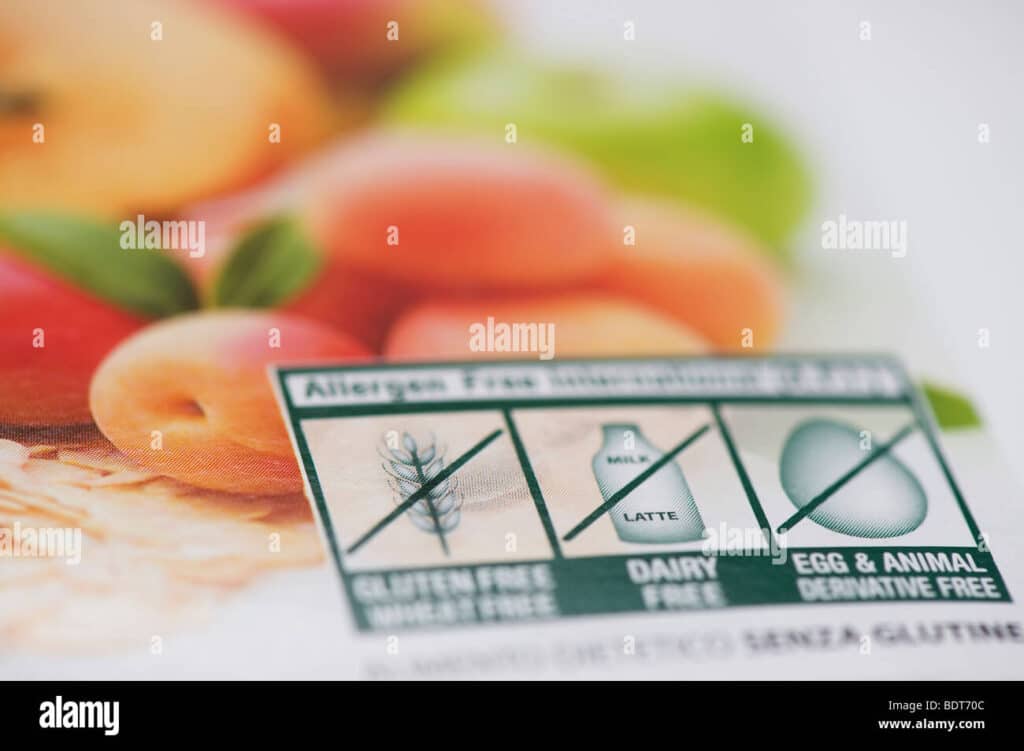
When it comes to buying products, more and more people are looking for options that align with their values and beliefs. This includes being conscious of the ingredients used in those products, especially when it comes to animal-derived ingredients. Whether you follow a vegan lifestyle, have dietary restrictions, or simply want to make more informed choices, understanding how to read product labels for animal-derived ingredients can be incredibly helpful.
In this blog post, we will explore the importance of reading product labels and understanding animal-derived ingredients. We will discuss common animal-derived ingredients to look out for, such as gelatin, whey, and lanolin. Additionally, we will provide tips and strategies for decoding product labels, including understanding different labeling claims and certifications. By the end of this post, you will have a better understanding of how to navigate product labels and make informed choices that align with your values and dietary preferences.
Check for «Contains» statement
When reading product labels for animal-derived ingredients, one of the first things to look for is the «Contains» statement. This statement usually appears near the ingredients list and provides a quick overview of any major animal-derived ingredients present in the product.
If the «Contains» statement mentions any animal-derived ingredients that you are trying to avoid, it’s best to skip that product and look for alternatives.
However, keep in mind that not all animal-derived ingredients may be listed in the «Contains» statement. Therefore, it’s important to also review the actual ingredients list for a more detailed understanding of what the product contains.
Look for specific animal names
When reading product labels to identify animal-derived ingredients, it is important to start by looking for specific animal names. These names will indicate the presence of ingredients derived from animals. Here are some common animal names to watch out for:
- Gelatin: Gelatin is derived from animal bones, skin, and connective tissues. It is commonly used as a thickening or gelling agent.
- Lard: Lard is rendered pig fat and is commonly used in baking and frying.
- Tallow: Tallow is a rendered form of beef or mutton fat and is commonly used in soap and candles.
- Casein: Casein is a milk protein and is often found in dairy products, protein bars, and supplements.
- Whey: Whey is another milk protein and is commonly found in dairy products, protein powders, and bars.
- Carmine: Carmine, also known as cochineal extract, is a red pigment derived from crushed cochineal insects. It is commonly used as a food coloring.
- Shellac: Shellac is a resin secreted by the female lac bug. It is commonly used as a coating or glaze on confectionery products.
By being aware of these specific animal names, you can easily identify whether a product contains animal-derived ingredients. However, it is important to note that some ingredients may have alternative names or be listed as «natural flavors» or «natural colors.» In such cases, further research or contacting the manufacturer may be necessary to obtain accurate information.
Watch out for common animal-derived ingredients
When it comes to reading product labels, it’s important to be aware of common animal-derived ingredients that are often used in various products. By understanding what to look for, you can make informed choices about the products you purchase and ensure they align with your dietary preferences or lifestyle.
1. Gelatin
Gelatin is a commonly used ingredient derived from animal collagen. It is often found in gummy candies, marshmallows, and some dairy products. If you follow a vegetarian or vegan diet, you may want to avoid products containing gelatin.
2. Carmine or cochineal extract
Carmine or cochineal extract is a red dye derived from crushed cochineal insects. It is used as a coloring agent in various food and cosmetic products. If you prefer to avoid animal-derived ingredients, look for alternative products that use plant-based or synthetic dyes.
3. Lanolin
Lanolin is a waxy substance derived from sheep’s wool. It is commonly used in skincare products, such as lip balms and moisturizers. If you are vegan or have wool allergies, you may want to choose products that do not contain lanolin.
4. Lard or tallow
Lard and tallow are fats derived from pigs and cows, respectively. They are often used in the production of soaps, candles, and even some processed foods. If you follow a vegetarian or vegan lifestyle, be cautious of products that contain lard or tallow.
5. Casein
Casein is a protein found in milk. It is commonly used in the production of cheese, yogurt, and other dairy-based products. If you have lactose intolerance or follow a dairy-free diet, it’s important to check for the presence of casein in the ingredients list.
6. Beeswax
Beeswax is a natural wax produced by honeybees. It is commonly used in cosmetic products, candles, and even some food products. If you follow a vegan lifestyle or have bee-related allergies, consider opting for products that do not contain beeswax.
Remember, always read product labels carefully and if you have any specific dietary restrictions or preferences, don’t hesitate to reach out to the manufacturer for clarification. Being informed about the ingredients used in the products you consume is essential for making conscious choices.
Look for vegan certifications or logos
When it comes to reading product labels for animal-derived ingredients, one of the easiest ways to identify whether a product is vegan-friendly or not is to look for vegan certifications or logos. These certifications are typically displayed on the packaging and indicate that the product has been verified to be free from any animal-derived ingredients or animal testing.
Some common vegan certifications to look for include:
- Vegan Society: This certification is one of the most recognized globally and ensures that the product is free from animal ingredients and has not been tested on animals.
- Leaping Bunny: The Leaping Bunny certification guarantees that the product and its ingredients are cruelty-free and have not been tested on animals.
- PETA’s Beauty Without Bunnies: Similar to the Leaping Bunny certification, PETA’s Beauty Without Bunnies logo indicates that the product is cruelty-free and not tested on animals.
- Certified Vegan: This certification is granted by the Vegan Awareness Foundation and guarantees that the product does not contain any animal-derived ingredients or by-products.
By looking for these vegan certifications or logos, you can easily identify products that align with your vegan lifestyle and avoid supporting companies that use animal-derived ingredients or test on animals.
Use online resources for guidance
When it comes to reading product labels for animal-derived ingredients, it can be quite challenging to decipher the complex list of ingredients. Thankfully, there are several online resources available that can provide guidance and help you make informed decisions about the products you choose to purchase.
1. Vegan Society
The Vegan Society website offers a comprehensive database of common animal-derived ingredients found in various products. You can search for specific ingredients or browse through their extensive lists to better understand what to look out for. Additionally, they provide helpful guides and articles to educate consumers on how to read and interpret product labels.
2. Cruelty-Free Kitty
Cruelty-Free Kitty is another valuable resource that provides a list of animal-derived ingredients commonly found in personal care and cosmetic products. They also highlight brands that are cruelty-free and vegan-friendly, making it easier for you to make ethical choices.
3. PETA’s Beauty Without Bunnies
PETA’s Beauty Without Bunnies database is a fantastic resource for identifying animal-derived ingredients in cosmetics and personal care products. They have a searchable database and a mobile app that allows you to quickly check if a brand or product is cruelty-free and vegan.
4. Happy Cow
If you’re looking for information about animal-derived ingredients in food products, Happy Cow is a great resource. It focuses on providing a guide to vegan, vegetarian, and veg-friendly restaurants and stores worldwide. Their website and app include user reviews, ingredient lists, and helpful tips for finding plant-based options.
5. Ingredient Dictionary
For a more general approach, you can use ingredient dictionaries like the one provided by Cosmetics Info. These dictionaries provide detailed information about individual ingredients, including their source and common uses. By familiarizing yourself with these ingredients, you can better understand which ones are derived from animals.
By utilizing these online resources, you can become more knowledgeable about animal-derived ingredients and make conscious choices that align with your values. Remember to always double-check labels and consult reliable sources to ensure the products you purchase are truly cruelty-free and vegan.
Contact the manufacturer for clarification
Contacting the manufacturer is an essential step when it comes to reading product labels for animal-derived ingredients. While product labels often provide information about the ingredients used, it is not always clear whether these ingredients are derived from animals or not. Therefore, reaching out to the manufacturer directly can help you obtain accurate and up-to-date information.
When contacting the manufacturer, it is important to ask specific questions regarding the presence of animal-derived ingredients in their products. Some key questions to consider include:
- Are any of the ingredients in this product derived from animals?
- Are there any animal by-products used in the manufacturing process?
- Are the ingredients sourced from animals raised for food?
- Is the product tested on animals?
By asking these questions, you can gather important information about the product and make an informed decision about whether it aligns with your values and preferences.
It is worth noting that some manufacturers may have detailed information about their products’ ingredients and production methods available on their website or in their customer service department. Be sure to check these resources before reaching out to the manufacturer directly.
Remember, the goal is to gather accurate information about the animal-derived ingredients in a product, so you can make choices that align with your ethical or dietary preferences. Contacting the manufacturer directly is an effective way to ensure you have all the necessary information to make an informed decision.
Choose products labeled «vegan» or «plant-based»
When it comes to reading product labels for animal-derived ingredients, it can be quite overwhelming, especially if you are new to a vegan or plant-based lifestyle. However, there are a few key things you can look out for to make the process easier.
1. Scan for the «vegan» or «plant-based» label
The easiest way to ensure that a product does not contain any animal-derived ingredients is to look for labels that explicitly state «vegan» or «plant-based.» These labels are usually prominently displayed on the packaging, making it quick and convenient for consumers to identify suitable products.
2. Check for common animal-derived ingredients
If a product does not have a vegan or plant-based label, you will need to examine the ingredients list more closely. Look out for common animal-derived ingredients such as:
- Gelatin: A protein obtained from animal tissues and bones.
- Lard: Rendered fat from pigs.
- Honey: A natural sweetener produced by bees.
- Dairy: Milk, cheese, butter, and other products derived from animals.
- Eggs: Typically listed as «egg» or «egg whites.»
3. Be aware of hidden animal ingredients
Some animal-derived ingredients may not be as obvious. Here are a few examples of hidden animal ingredients:
- Casein: A protein derived from milk.
- Whey: A byproduct of cheese production.
- Carmine: A red pigment made from crushed cochineal insects.
- Isinglass: A substance derived from fish bladders and used in some alcoholic beverages.
It’s always a good idea to familiarize yourself with these hidden animal ingredients to ensure that you are making informed choices.
4. Use helpful resources
If you come across an ingredient that you are unsure about, there are several resources available to help you. Online databases, mobile apps, and vegan community forums can provide valuable information on specific ingredients and their vegan status.
By following these tips and being diligent in reading product labels, you can confidently choose products that align with your vegan or plant-based lifestyle.
Note: It’s important to remember that product labels can vary depending on your country or region. Always double-check the ingredients list and consult reliable sources to ensure that the products you choose are truly animal-free.
Frequently Asked Questions
1. What are animal-derived ingredients?
Ingredients that come from animals, such as meat, milk, eggs, and honey.
2. How can I identify animal-derived ingredients on product labels?
Look for specific words like «milk,» «egg,» «honey,» or «gelatin» in the ingredient list.
3. Are there any common animal-derived ingredients that may have different names?
Yes, some animal-derived ingredients may be listed as «albumin,» «casein,» or «lactose.»
4. Are there any symbols or logos that indicate animal-free products?
Yes, some products may display symbols like the «Certified Vegan» or «Cruelty-Free» logos.

