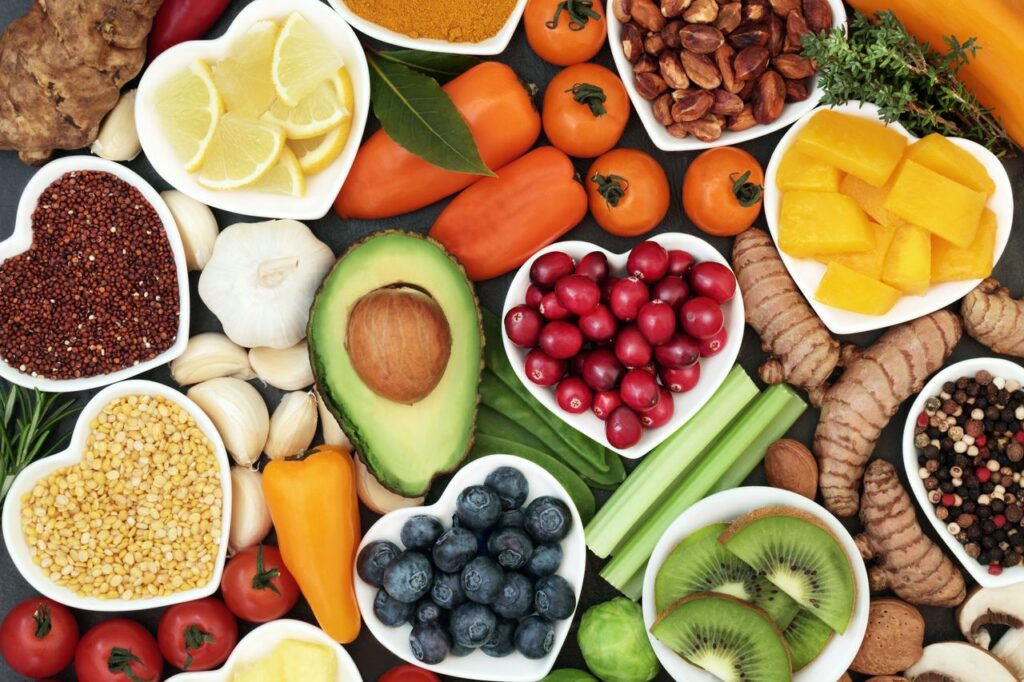
Veganism has been gaining popularity in recent years, with more and more people choosing to adopt a plant-based diet. But is veganism making any impact on the environment? The answer is a resounding yes. A vegan diet has numerous environmental benefits that can help combat climate change, reduce pollution, and protect wildlife. Let’s take a closer look at the environmental benefits of a vegan diet.
Reduced Climate-Heating Emissions
One of the most significant environmental benefits of a vegan diet is the reduction in climate-heating emissions. Animal agriculture is a major contributor to greenhouse gas emissions, particularly methane and nitrous oxide. Methane is a potent greenhouse gas that has a much higher warming potential than carbon dioxide. By eliminating animal products from our diet, we can significantly reduce our carbon footprint.
Studies have shown that a vegan diet can reduce climate-heating emissions by up to 75%. This reduction is mainly due to the elimination of methane emissions from livestock, as well as the reduced energy requirements for growing crops for animal feed and processing animal products.
Less Water Pollution
Animal agriculture is a leading cause of water pollution. The excessive use of fertilizers and pesticides in feed crops contaminates water sources, leading to algal blooms and dead zones in rivers, lakes, and oceans. Additionally, the waste produced by livestock, including manure and urine, often ends up in water bodies, further contributing to water pollution.
A vegan diet can help reduce water pollution by up to 75%. By eliminating animal agriculture, we can reduce the use of fertilizers and pesticides, as well as the amount of waste entering our water systems. This, in turn, helps protect aquatic ecosystems and ensures the availability of clean water for human consumption.
Reduced Land Use
Animal agriculture is a major driver of deforestation and habitat destruction. Large areas of land are cleared to make way for livestock grazing and the cultivation of feed crops. This not only leads to the loss of biodiversity but also contributes to climate change by releasing carbon stored in forests.
A vegan diet can help reduce land use by up to 75%. By eliminating the need for animal agriculture, we can free up vast areas of land that can be restored to their natural state or used for other purposes, such as reforestation or sustainable agriculture. This can help mitigate climate change, protect wildlife habitats, and preserve biodiversity.
Less Destruction of Wildlife
Animal agriculture is a major threat to wildlife. The expansion of livestock farming often leads to the destruction of natural habitats, displacing native species and driving them to extinction. Additionally, the use of pesticides and herbicides in feed crops can harm pollinators and other beneficial insects.
A vegan diet can help reduce the destruction of wildlife by up to 66%. By eliminating animal agriculture, we can protect natural habitats and allow wildlife populations to recover. This is crucial for maintaining healthy ecosystems and preserving biodiversity.
Lower Water Consumption
Animal agriculture is a water-intensive industry. Livestock farming requires vast amounts of water for drinking, cleaning, and irrigation of feed crops. This puts a strain on water resources, particularly in regions already facing water scarcity.
A vegan diet can help reduce water consumption by up to 54%. By eliminating animal agriculture, we can significantly reduce the demand for water in food production. This can help alleviate water scarcity and ensure the availability of water for other essential needs.
Comparison to High Meat Diets
When comparing a vegan diet to diets with high meat consumption, the environmental benefits become even more apparent. Studies have shown that a vegan diet has a lower impact on the environment compared to diets with more than 100g of meat per day.
A vegan diet can reduce greenhouse gas emissions by up to 75% compared to high meat diets. It also reduces water pollution by up to 75% and land use by up to 75%. These significant reductions highlight the positive impact of a vegan diet on the environment.
Comparison to High Meat and Dairy Diets
Diets that include both high meat and dairy consumption have an even greater environmental impact compared to high meat diets alone. Animal agriculture for meat and dairy production requires more resources and generates more emissions and waste.
A vegan diet can help reduce the environmental impact even further compared to diets with high meat and dairy consumption. By eliminating both meat and dairy products, we can significantly reduce greenhouse gas emissions, water pollution, land use, and wildlife destruction.
Comparison to Low-Meat Diets
While low-meat diets are often considered more environmentally friendly than high meat diets, they still have a significant impact on the environment. Studies have shown that a vegan diet has a lower impact on the environment compared to diets with low-meat consumption.
A vegan diet can reduce greenhouse gas emissions, water pollution, land use, and wildlife destruction by a greater extent compared to low-meat diets. This highlights the importance of eliminating animal products from our diet to achieve significant environmental benefits.
Low-Meat Diets vs High-Meat Diets
When comparing low-meat diets to high-meat diets, the environmental benefits of reducing meat consumption become evident. Low-meat diets have approximately half the impact of high-meat diets on greenhouse gas emissions, water pollution, and land use.
While low-meat diets can help reduce the environmental impact to some extent, a vegan diet still has a lower overall impact on the environment. By eliminating animal products entirely, we can achieve even greater environmental benefits.
Significantly Lower Methane Emissions
Methane is a potent greenhouse gas that is produced by cattle and sheep during digestion. It has a much higher warming potential than carbon dioxide and contributes to climate change.
A vegan diet can reduce methane emissions by up to 93% compared to diets that include animal products. By eliminating livestock farming, we can significantly reduce the amount of methane released into the atmosphere, helping to mitigate climate change.
Contributing to Reducing the UK’s Environmental Footprint
The environmental benefits of a vegan diet extend beyond individual choices. By adopting a vegan diet, we can contribute to reducing the environmental footprint of our country as a whole.
In the UK, livestock farming is a significant contributor to greenhouse gas emissions, water pollution, and land use. By reducing our consumption of animal products, we can help reduce the overall environmental impact of the country.
The Need for Radical Reductions in Meat and Dairy Consumption
While a vegan diet has numerous environmental benefits, it is important to recognize that it is not the only solution. To achieve sustainable global food production, radical reductions in meat and dairy consumption are necessary, particularly in rich nations.
By reducing our reliance on animal products, we can free up resources, reduce emissions, and protect the environment. This requires a shift in our food system and a transition to more sustainable and plant-based diets.
Supporting Sustainable Diets with Mandatory Environmental Labeling
To encourage the adoption of sustainable diets, it is essential to provide consumers with information about the environmental impact of their food choices. Mandatory environmental labeling on foods can help consumers make informed decisions and choose products with a lower environmental footprint.
In addition to labeling, regulations on promotions and taxation of high-carbon foods can further support sustainable diets. These measures can incentivize the food industry to reduce its environmental impact and promote the production and consumption of plant-based foods.
Considering Alternative Solutions
While a vegan diet is an effective way to reduce our environmental impact, it is important to consider alternative solutions as well. For example, researchers are exploring the possibility of genetically modifying cows to emit less methane.
While this technology is still in its early stages, it highlights the importance of exploring innovative solutions to reduce the environmental impact of animal agriculture. However, it is crucial to prioritize sustainable and plant-based diets as the primary solution to achieve significant environmental benefits.
In conclusion, veganism is making a significant impact on the environment. A vegan diet has numerous environmental benefits, including reduced climate-heating emissions, less water pollution, reduced land use, less destruction of wildlife, and lower water consumption. It has a lower impact on the environment compared to diets with high meat consumption, high meat and dairy consumption, and low-meat consumption. By adopting a vegan diet, we can contribute to reducing our individual and collective environmental footprint and help combat climate change and protect the planet for future generations.