
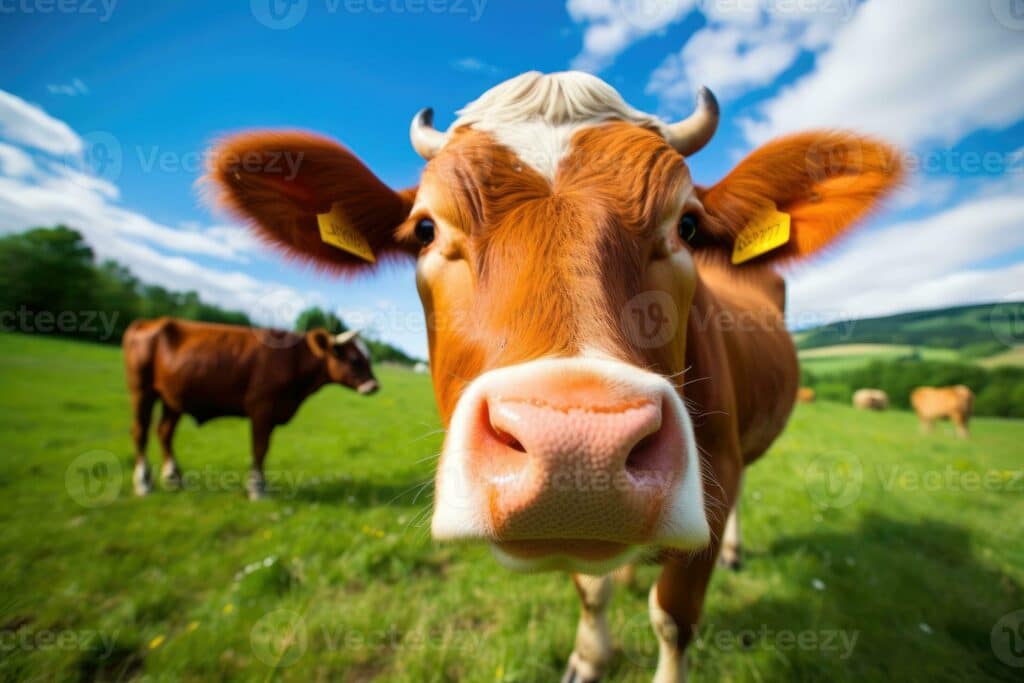
Veganism has gained significant popularity in recent years as people become more conscious of the impact of their food choices on the environment, their health, and animal welfare. This lifestyle choice involves abstaining from the consumption of animal products, including meat, dairy, eggs, and honey. While it is often associated with health benefits and environmental sustainability, one of the main driving factors for many individuals to adopt a vegan lifestyle is the desire to reduce animal suffering and improve their welfare.
In this blog post, we will explore the impact of veganism on animal welfare. We will discuss how the demand for animal products fuels the cruel practices of factory farming, which often involve cramped living conditions, routine mutilations, and inhumane slaughter methods. Additionally, we will examine how the shift towards a vegan diet can help decrease the demand for these products, leading to a decrease in animal exploitation and suffering. Furthermore, we will highlight the various organizations and initiatives that are working towards improving animal welfare and promoting veganism as a solution.
Promotes ethical treatment of animals
Veganism is a lifestyle that promotes ethical treatment of animals. By adopting a vegan diet and lifestyle, individuals are actively choosing not to contribute to the suffering and exploitation of animals.
One of the key ways in which veganism promotes ethical treatment of animals is by eliminating the consumption of animal products. This means not consuming meat, dairy, eggs, and other animal-derived foods. By doing so, vegans are directly reducing the demand for these products, which in turn leads to a decrease in the number of animals being raised and killed for food.
Furthermore, veganism also extends to other aspects of life, such as clothing and personal care products. Vegans choose to avoid wearing or using items made from animal skins, fur, or other animal-derived materials. This helps to reduce the demand for products that involve animal cruelty or exploitation.
Additionally, veganism encourages the adoption of a compassionate mindset towards animals. It promotes the idea that all sentient beings deserve to live free from suffering and harm. By choosing to follow a vegan lifestyle, individuals are actively expressing their empathy and concern for animal welfare.
Overall, veganism plays a crucial role in promoting ethical treatment of animals. It helps to reduce the demand for animal products, encourages compassion towards animals, and contributes to the overall improvement of animal welfare.
Reduces animal suffering and exploitation
Veganism has a profound impact on animal welfare, as it directly reduces animal suffering and exploitation. By adopting a vegan lifestyle, individuals choose to avoid consuming any animal products, including meat, dairy, eggs, and honey. This decision is driven by the belief that animals should not be raised and killed for human consumption.
One of the main ways in which veganism helps animal welfare is by eliminating the demand for factory farming. Factory farming is notorious for subjecting animals to inhumane conditions, such as overcrowding, confinement, and physical mutilations. By not supporting this industry, vegans contribute to reducing the suffering experienced by billions of animals every year.
Vegans also avoid contributing to the exploitation of animals for other purposes, such as clothing. The fur and leather industries, for example, involve the killing and skinning of animals solely for their pelts. By choosing cruelty-free alternatives, such as synthetic materials or plant-based fibers, vegans actively promote a more ethical and compassionate treatment of animals.
Benefits for animals in the wild
Moreover, veganism extends its positive impact to animals in the wild. The production of animal-based foods often involves large-scale deforestation to make way for livestock grazing or the cultivation of animal feed crops. This destruction of natural habitats results in the displacement and loss of countless species, leading to a decrease in biodiversity.
By adopting a vegan diet, individuals can help mitigate this environmental damage and preserve the habitats of wild animals. The cultivation of plant-based foods requires significantly less land, water, and resources compared to animal agriculture. Consequently, veganism contributes to the conservation of natural ecosystems, allowing animals in the wild to thrive in their natural habitats.
Supporting animal sanctuaries and rescue organizations
Another way in which veganism positively impacts animal welfare is by supporting animal sanctuaries and rescue organizations. Many vegans actively donate their time, money, or resources to these organizations that provide shelter, rehabilitation, and care for animals rescued from abusive situations.
By promoting a vegan lifestyle, individuals also raise awareness about the ethical treatment of animals and the importance of animal welfare. This increased awareness can lead to changes in societal attitudes and policies, ultimately resulting in greater protection and rights for animals.
In conclusion, the impact of veganism on animal welfare is significant and far-reaching. By choosing to live a vegan lifestyle, individuals actively reduce animal suffering and exploitation, protect natural habitats, and support organizations working towards animal rescue and rehabilitation. Veganism represents a compassionate and ethical choice that can contribute to a more humane and sustainable world for animals.
Supports sustainable farming practices
Veganism is not only beneficial for animal welfare, but also supports sustainable farming practices. By adopting a vegan lifestyle, individuals contribute to the reduction of greenhouse gas emissions and the preservation of natural resources.
One of the main reasons why veganism supports sustainable farming practices is because it eliminates the need for intensive animal farming. Animal agriculture is a major contributor to greenhouse gas emissions, deforestation, and water pollution. By choosing plant-based alternatives, individuals reduce the demand for animal products, which in turn reduces the environmental impact of animal farming.
Furthermore, veganism promotes the conservation of natural resources. Animal farming requires large amounts of land, water, and feed. By eliminating the need for animal agriculture, more resources can be redirected towards sustainable practices such as organic farming, permaculture, and regenerative agriculture. These practices focus on using resources efficiently and minimizing waste, resulting in a more sustainable and resilient food system.
Additionally, veganism also helps to protect biodiversity. Animal farming often involves the destruction of natural habitats to create space for livestock and grow feed crops. This habitat loss leads to the displacement and extinction of many species. By reducing the demand for animal products, veganism helps to mitigate the negative impact on biodiversity and preserve ecosystems.
In conclusion, veganism not only benefits animal welfare but also supports sustainable farming practices. By choosing plant-based alternatives, individuals contribute to the reduction of greenhouse gas emissions, the preservation of natural resources, and the protection of biodiversity. Adopting a vegan lifestyle is a powerful way to make a positive impact on the environment and promote a more sustainable future.
Encourages biodiversity conservation efforts
Veganism has a significant impact on animal welfare and one aspect of this is its encouragement of biodiversity conservation efforts.
By choosing a vegan lifestyle, individuals are actively reducing their contribution to animal exploitation and the destruction of natural habitats. Livestock farming, especially for meat and dairy production, is a major driver of deforestation, land degradation, and habitat loss. This destruction has detrimental effects on various animal species, including endangered ones.
Veganism promotes the conservation of biodiversity by minimizing the demand for animal products. This reduces the need for large-scale industrial agriculture, which often relies on intensive farming practices that harm local ecosystems. Instead, plant-based diets focus on utilizing plant resources more efficiently and sustainably.
Furthermore, veganism also helps protect biodiversity by lessening the pressure on wild animal populations. Animal agriculture often involves hunting or capturing wild animals for various purposes, such as using their body parts for traditional medicine or exotic dishes. By eliminating the demand for animal products, veganism reduces these harmful practices and helps preserve wildlife populations.
In addition to these direct effects, veganism indirectly supports biodiversity conservation through advocacy and education. Many vegans actively promote the importance of biodiversity and the need for sustainable food systems. By raising awareness and encouraging others to adopt vegan or plant-based diets, they contribute to the conservation of animal habitats and the protection of endangered species.
Decreases demand for factory farming
Veganism has a significant impact on animal welfare as it decreases the demand for factory farming. By choosing a vegan lifestyle, individuals are actively reducing the demand for animal products, which in turn reduces the need for intensive animal farming practices.
Factory farming is often associated with inhumane conditions for animals, where they are cramped in small spaces, subjected to physical alterations, and have limited access to natural environments. These conditions can lead to immense suffering and distress for animals, both physically and psychologically.
By decreasing the demand for animal products, vegans are effectively sending a message to the industry that the current system is not sustainable and that alternatives need to be explored. This shift in consumer demand can drive the industry towards more ethical and sustainable farming practices.
Furthermore, veganism promotes a shift towards plant-based diets, which significantly reduces the number of animals bred and raised for consumption. This decrease in demand helps to alleviate the strain on natural resources such as land, water, and feed, which are often overexploited in factory farming.
Overall, the adoption of veganism has a positive impact on animal welfare by reducing the demand for factory farming and promoting more ethical and sustainable practices. By choosing a vegan lifestyle, individuals are actively contributing to a future where animals are treated with compassion and respect.
Raises awareness about animal rights
Veganism has a profound impact on animal welfare by raising awareness about animal rights. By adopting a vegan lifestyle, individuals actively choose not to contribute to the exploitation and cruelty inflicted upon animals in various industries.
Through education and advocacy, vegans inform others about the suffering animals endure in factory farms, slaughterhouses, and other forms of animal exploitation. They shed light on the ethical implications of using animals for food, clothing, entertainment, and experimentation.
By promoting the principles of veganism, individuals encourage others to consider the moral implications of their choices and to explore alternative ways of living that minimize harm to animals.
Moreover, veganism challenges societal norms and prompts a critical examination of the relationship between humans and animals. It emphasizes the inherent value and rights of all sentient beings, regardless of their species.
Benefits for animals
Veganism directly benefits animals by reducing the demand for animal products. This decreased demand leads to a decrease in the number of animals bred, raised, and ultimately killed for human consumption.
Animals raised for food often endure miserable conditions, confined in overcrowded spaces, subjected to physical mutilations, and deprived of natural behaviors. By adopting a vegan lifestyle, individuals refuse to support these cruel practices and contribute to the demand for animal products.
Furthermore, veganism extends beyond dietary choices. It also encompasses the rejection of animal-derived clothing, such as fur, leather, and wool. By avoiding these products, vegans avoid supporting industries that exploit and harm animals for their skin and fur.
Advancing animal rights
Veganism plays a crucial role in advancing animal rights by challenging the status quo and promoting a more compassionate and ethical society. By practicing and advocating for veganism, individuals contribute to a growing movement that seeks to protect and respect the rights of animals.
Through their choices, vegans demonstrate that it is possible to live a fulfilling and healthy life without relying on the exploitation of animals. They show that alternative options exist, such as plant-based diets, cruelty-free products, and animal-friendly entertainment.
In conclusion, veganism raises awareness about animal rights by educating others, reducing the demand for animal products, and promoting a more compassionate society. By adopting a vegan lifestyle, individuals actively contribute to the well-being and welfare of animals, striving towards a world where all sentient beings are treated with kindness and respect.
Encourages compassion and empathy
Veganism has a profound impact on animal welfare, as it encourages compassion and empathy towards animals. By adopting a vegan lifestyle, individuals consciously choose not to contribute to the suffering and exploitation of animals for food, clothing, or any other purpose.
When people become aware of the cruelty and abuse that animals endure in industries such as factory farming, they often feel compelled to make a change. Veganism promotes a shift in mindset, urging individuals to view animals as sentient beings deserving of respect and kindness.
By abstaining from consuming animal products, vegans actively participate in reducing the demand for animal agriculture. This, in turn, helps to alleviate the suffering of countless animals who would otherwise be subjected to confinement, overcrowding, and inhumane treatment.
Veganism also encourages empathy towards animals by promoting a deeper understanding of their needs and natural behaviors. When individuals choose plant-based alternatives, they demonstrate a willingness to prioritize the well-being of animals over personal preferences and convenience.
Furthermore, veganism extends beyond dietary choices and encompasses the use of animal-derived products such as fur, leather, and cosmetics tested on animals. By boycotting these industries, vegans send a powerful message that animal exploitation for human gain is unacceptable.
In conclusion, the impact of veganism on animal welfare is undeniable. It fosters compassion and empathy, encourages a shift in mindset, and actively works towards reducing animal cruelty and exploitation. By embracing a vegan lifestyle, individuals contribute to a more compassionate and ethical world for animals.
Frequently Asked Questions
1. How does veganism contribute to animal welfare?
Veganism reduces demand for animal products, leading to decreased animal exploitation and suffering.
2. Can a vegan diet provide all necessary nutrients?
Yes, with proper planning, a vegan diet can meet all nutritional needs.
3. Is veganism more environmentally friendly?
Yes, the production of plant-based foods generally has a lower environmental impact compared to animal agriculture.
4. Can veganism help reduce global hunger?
By prioritizing plant-based food production, resources can be more efficiently used, potentially reducing global hunger.

