
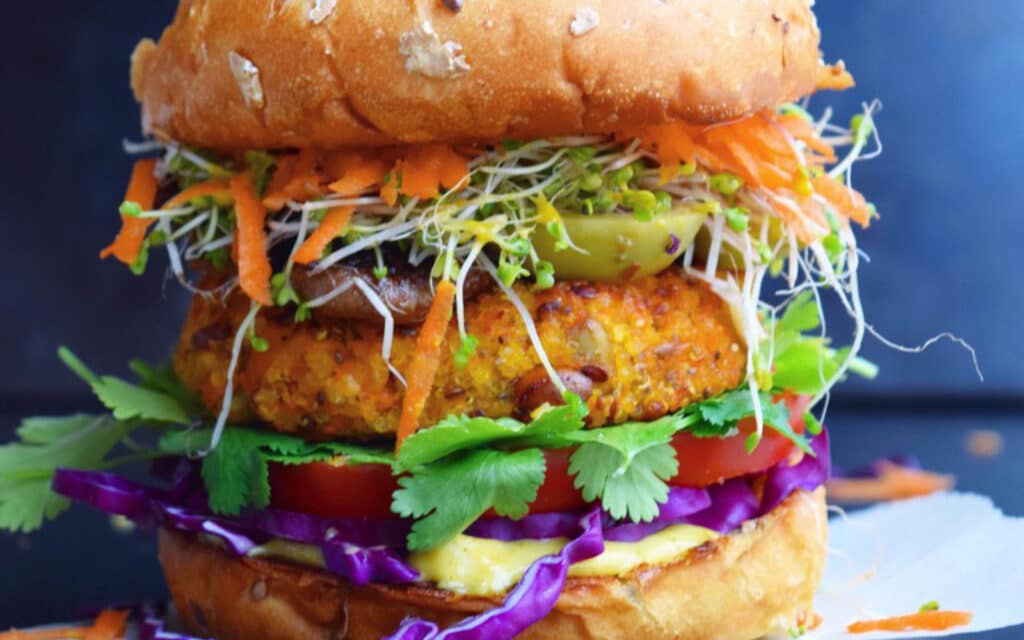
Being an athlete or an active individual requires proper nutrition to fuel your body and support optimal performance. While there are various dietary approaches out there, the vegan diet has gained popularity among athletes due to its potential health benefits and ethical considerations. However, many people still have concerns about getting enough nutrients and meeting their energy needs on a vegan meal plan.
In this blog post, we will explore some delicious and nutrient-rich vegan meal plan ideas specifically tailored for athletes and active individuals. We will discuss the importance of macronutrients like protein, carbohydrates, and fats, as well as micronutrients such as iron, calcium, and vitamin B12. Additionally, we will provide examples of plant-based meals and snacks that can help you meet your nutritional needs and enhance your athletic performance. Whether you are a seasoned vegan or just starting to incorporate more plant-based foods into your diet, this blog post will serve as a helpful guide to optimize your nutrition and fuel your active lifestyle.
Incorporate plant-based protein sources
When it comes to meal planning for athletes and active individuals following a vegan diet, it’s important to ensure that you are getting an adequate amount of protein to support your physical activity and muscle recovery. Fortunately, there are plenty of plant-based protein sources that you can incorporate into your meals.
1. Legumes
Legumes such as lentils, chickpeas, and black beans are not only rich in protein but also packed with fiber, iron, and other essential nutrients. You can add them to salads, soups, stews, or even make veggie burgers or falafels.
2. Quinoa
Quinoa is a complete protein, meaning it contains all nine essential amino acids. It’s also a great source of fiber, magnesium, and iron. Use quinoa as a base for grain bowls, salads, or as a side dish.
3. Tofu and Tempeh
Tofu and tempeh are made from soybeans and are excellent sources of protein. They are versatile and can be grilled, baked, stir-fried, or added to sandwiches, wraps, or salads.
4. Nuts and Seeds
Nuts and seeds, such as almonds, walnuts, chia seeds, and hemp seeds, are not only high in protein but also provide healthy fats and other essential nutrients. They can be eaten as a snack, added to smoothies, or used as toppings for salads or oatmeal.
5. Seitan
Seitan, also known as wheat meat or wheat gluten, is a high-protein food made from gluten, the main protein in wheat. It has a meaty texture and is often used as a meat substitute in dishes like stir-fries, stews, and sandwiches.
6. Plant-Based Protein Powders
If you find it challenging to meet your protein needs through whole foods alone, you can also consider incorporating plant-based protein powders into your diet. Choose powders made from sources like peas, brown rice, or hemp.
Remember to vary your protein sources throughout the day and include a variety of fruits, vegetables, whole grains, and healthy fats to ensure you’re getting a balanced and nutrient-dense meal plan. Consulting with a registered dietitian who specializes in sports nutrition can also be helpful in creating a personalized meal plan that meets your specific needs as an athlete or active individual following a vegan diet.
Include a variety of vegetables
Adding a variety of vegetables to your vegan meal plan is essential for athletes and active individuals. Vegetables are packed with important vitamins, minerals, and antioxidants that can support your overall health and performance.
Here are some ideas for including vegetables in your meals:
1. Roasted Veggie Bowl
Create a delicious and nutritious bowl by roasting a mix of colorful vegetables like sweet potatoes, bell peppers, broccoli, and carrots. Serve it over a bed of quinoa or brown rice, and add a protein source like tofu or chickpeas.
2. Stir-Fried Veggies
Stir-frying is a quick and easy way to incorporate a variety of vegetables into your meal. Use a mix of your favorite veggies like bok choy, mushrooms, snow peas, and carrots. Add some protein like tempeh or edamame, and season with soy sauce or a vegan stir-fry sauce.
3. Veggie-packed Smoothies
Don’t forget to include vegetables in your smoothies! Spinach, kale, or cucumber are great options that can be easily blended with fruits and plant-based milk. You can also add some protein powder to make it a complete post-workout meal.
4. Veggie Wraps or Sandwiches
Make a satisfying and nutritious meal by filling whole wheat wraps or bread with a variety of vegetables like lettuce, tomatoes, cucumbers, avocado, and sprouts. Add a protein source like hummus, grilled tofu, or tempeh for an extra boost.
5. Veggie-packed Salads
Salads are a classic way to incorporate vegetables into your meal plan. Use a mix of leafy greens like spinach or kale, and add a variety of colorful veggies like cherry tomatoes, bell peppers, cucumber, and shredded carrots. Top it off with some beans, seeds, or nuts for added protein and healthy fats.
Remember to experiment with different vegetables and cooking methods to keep your meals interesting and flavorful. Eating a variety of vegetables will ensure that you’re getting a wide range of nutrients to support your active lifestyle.
Opt for whole grains and legumes
Whole grains and legumes are essential components of a vegan meal plan for athletes and active individuals. They provide a good source of complex carbohydrates, protein, fiber, and various nutrients. Incorporating them into your diet can boost your energy levels and support muscle recovery.
Whole grains:
- Quinoa
- Brown rice
- Barley
- Buckwheat
- Millet
Legumes:
- Chickpeas
- Lentils
- Black beans
- Kidney beans
- Adzuki beans
Incorporate these whole grains and legumes into your meals by adding them to salads, stir-fries, soups, or as a side dish. They are versatile and can be cooked in various ways, allowing you to enjoy a variety of flavors and textures.
Remember to soak and cook dried legumes properly to ensure optimal digestion and nutrient absorption. Canned legumes are also a convenient option if you’re short on time.
Including whole grains and legumes in your vegan meal plan will provide you with the necessary nutrients to fuel your workouts and support your overall athletic performance.
Prioritize nutrient-dense foods
When it comes to fueling your body as an athlete or active individual, it’s important to prioritize nutrient-dense foods. These are foods that are rich in vitamins, minerals, and antioxidants, providing you with the necessary fuel to perform at your best. Here are some vegan meal plan ideas that can help you meet your nutritional needs:
1. Breakfast
Start your day with a nutritious breakfast to kickstart your metabolism. Consider having a bowl of oatmeal topped with fruits, nuts, and seeds. You can also try a tofu scramble with lots of vegetables and whole grain toast.
2. Snacks
Snacks are a great way to keep your energy levels up throughout the day. Opt for nutrient-dense options like a handful of nuts, a piece of fruit with nut butter, or veggie sticks with hummus.
3. Lunch
For lunch, focus on incorporating a good balance of carbohydrates, proteins, and healthy fats. You could have a quinoa salad with mixed greens, roasted vegetables, and a protein source like chickpeas or tempeh. Top it off with a homemade dressing.
4. Pre-Workout
Before your workout, it’s important to have a snack that provides you with energy. Consider having a banana with almond butter or a homemade energy bar made with oats, nuts, and dried fruits.
5. Post-Workout
After a workout, your body needs to replenish its glycogen stores and repair muscle tissue. Opt for a protein-packed meal like a lentil and vegetable stir-fry with brown rice or a smoothie made with plant-based protein powder, fruits, and greens.
6. Dinner
For dinner, aim for a well-balanced meal that includes a variety of vegetables, whole grains, and plant-based proteins. Consider having a veggie stir-fry with quinoa or a bowl of whole grain pasta with a homemade tomato sauce loaded with veggies.
Remember to stay hydrated throughout the day and listen to your body’s hunger and fullness cues. It’s also a good idea to consult with a registered dietitian to ensure you’re meeting your specific nutritional needs as an athlete or active individual.
Stay hydrated with water and electrolytes
Proper hydration is essential for athletes and active individuals, especially when following a vegan meal plan. Water and electrolytes help maintain optimal bodily functions and performance during physical activity.
To stay hydrated, aim to drink at least 8-10 glasses of water per day. You can also include natural electrolyte sources such as coconut water or homemade electrolyte drinks made with ingredients like lemon, sea salt, and honey or maple syrup.
Remember to listen to your body and drink water throughout the day, not just during workouts. Hydrating before, during, and after exercise is crucial to replenish fluids lost through sweat and maintain proper hydration levels.
Plan meals and snacks ahead
Planning your meals and snacks ahead of time is essential for staying on track with your vegan diet as an athlete or active individual. By having a well-thought-out meal plan, you can ensure that you are getting all the necessary nutrients to fuel your workouts and promote recovery.
Include a variety of fruits and vegetables
Fruits and vegetables are packed with essential vitamins, minerals, and antioxidants that are crucial for maintaining optimal health and performance. Aim to include a variety of colors in your meals to ensure you are getting a wide range of nutrients.
Focus on plant-based protein sources
Protein is an important macronutrient for athletes and active individuals as it helps repair and build muscle tissue. Incorporate plant-based protein sources such as legumes (beans, lentils, chickpeas), tofu, tempeh, seitan, and edamame into your meals to meet your protein needs.
Incorporate whole grains and complex carbohydrates
Whole grains and complex carbohydrates provide a steady source of energy for your workouts. Include options like brown rice, quinoa, oats, whole wheat bread, and sweet potatoes in your meal plan to fuel your body effectively.
Don’t forget healthy fats
Healthy fats are important for maintaining overall health and supporting optimal performance. Include sources like avocados, nuts, seeds, and olive oil in your meals to provide your body with essential fatty acids.
Stay hydrated
Proper hydration is crucial for athletes and active individuals. Make sure to drink enough water throughout the day and consider incorporating hydrating foods like watermelon, cucumber, and citrus fruits into your meals.
Snack wisely
Include nutritious snacks in your meal plan to keep your energy levels stable throughout the day. Opt for options like fresh fruit, raw nuts and seeds, veggie sticks with hummus, or homemade energy bars.
Listen to your body
Every individual is unique, and what works for one person may not work for another. Pay attention to how your body responds to different foods and adjust your meal plan accordingly. If you have specific dietary restrictions or allergies, make sure to accommodate them as well.
Consult a professional
If you’re unsure about creating a vegan meal plan that meets your specific needs as an athlete or active individual, consider consulting a registered dietitian or nutritionist who specializes in sports nutrition. They can help you design a personalized meal plan that supports your goals and ensures you’re meeting all your nutritional requirements.
Remember, a well-planned vegan meal plan can provide all the nutrients your body needs to thrive as an athlete or active individual. Take the time to plan ahead and prioritize your nutrition to optimize your performance and recovery.
Consult with a registered dietitian
Consulting with a registered dietitian is crucial when designing a vegan meal plan for athletes and active individuals. They have the expertise to help you create a well-balanced and nutrient-dense diet that meets your specific needs.
A dietitian will consider your training schedule, energy requirements, and personal goals to develop a plan that optimizes your performance and supports your overall health.
Here are some key considerations they may address:
1. Adequate calorie intake
As an athlete or active individual, you require more calories to fuel your workouts and support your daily activities. A dietitian will ensure your vegan meal plan provides enough calories to meet your energy needs.
2. Sufficient protein intake
Protein is essential for muscle repair and growth. A dietitian will help you incorporate a variety of plant-based protein sources, such as legumes, tofu, tempeh, seitan, and plant-based protein powders, into your meals.
3. Balanced macronutrients
A well-rounded vegan meal plan for athletes should include a balance of carbohydrates, proteins, and fats. A dietitian will help you determine the appropriate ratio of these macronutrients based on your individual needs and goals.
4. Micronutrient adequacy
Vegan diets can sometimes be lacking in certain nutrients, such as vitamin B12, iron, zinc, calcium, and omega-3 fatty acids. A dietitian will ensure your meal plan includes adequate amounts of these nutrients through careful food selection and, if necessary, supplementation.
5. Meal timing and pre/post-workout nutrition
Timing your meals and snacks around your training sessions is important to optimize performance and recovery. A dietitian can help you plan your meals to ensure you have enough energy before workouts and provide the necessary nutrients for recovery after exercise.
Remember, everyone’s nutritional needs are unique, so it’s important to work with a registered dietitian who can tailor a vegan meal plan specifically for you as an athlete or active individual.
Frequently Asked Questions
1. Can vegans get enough protein for athletic performance?
Yes, there are plenty of plant-based protein sources available such as tofu, tempeh, lentils, and quinoa.
2. How can vegans ensure they are getting enough nutrients for optimal performance?
By including a variety of fruits, vegetables, whole grains, legumes, nuts, and seeds in their diet.
3. Are there any vegan meal plan options specifically designed for athletes?
Yes, there are many vegan meal plans available that cater to the nutritional needs of athletes and active individuals.
4. Can a vegan diet provide enough energy for intense workouts?
Yes, a well-planned vegan diet can provide all the necessary energy for intense workouts by incorporating nutrient-dense foods.

