
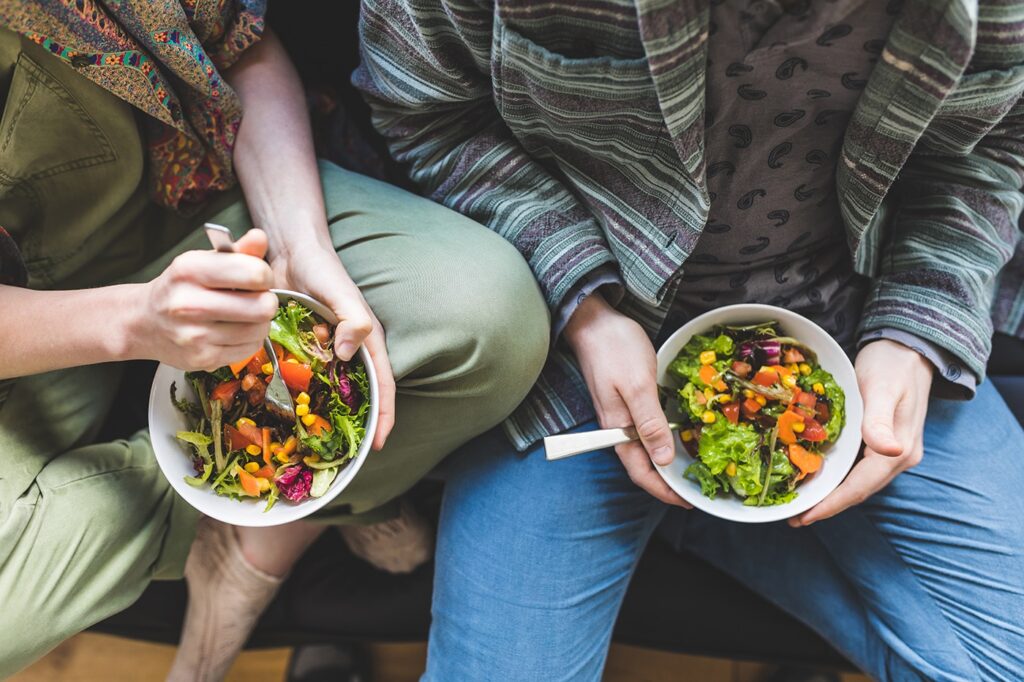
When it comes to nutrition and athletic performance, the traditional belief has always been that animal-based products, such as meat and dairy, are essential for strength, endurance, and muscle growth. However, in recent years, there has been a significant shift in the sports world, with more and more athletes choosing to adopt a plant-based diet. These vegan athletes are proving that you don’t need to consume animal products to excel in sports and achieve peak performance.
In this blog post, we will explore the benefits of plant-based eating for athletes and how it can enhance their performance. We will discuss the various nutrients found in plant-based foods that are crucial for athletes, such as protein, carbohydrates, and antioxidants. Additionally, we will highlight some successful vegan athletes who have debunked the myth that you need animal products to be a top performer in your chosen sport. So, if you’re curious about how plant-based eating can fuel your athletic endeavors, keep reading!
Focus on nutrient-dense plant foods
Vegan athletes understand the importance of fueling their bodies with nutrient-dense plant foods. By focusing on these types of foods, they are able to optimize their performance and achieve their fitness goals.
Benefits of nutrient-dense plant foods for athletes
There are several benefits that vegan athletes can enjoy by incorporating nutrient-dense plant foods into their diets:
- Improved energy levels: Nutrient-dense plant foods provide a steady source of energy, allowing athletes to sustain high-intensity workouts.
- Enhanced recovery: Plant foods are rich in antioxidants and anti-inflammatory compounds, which aid in reducing exercise-induced inflammation and promoting faster recovery.
- Increased endurance: The high fiber content in plant foods helps to regulate blood sugar levels, leading to better endurance during workouts.
- Optimal nutrient intake: Nutrient-dense plant foods provide a wide range of vitamins, minerals, and phytonutrients that are essential for overall health and athletic performance.
Recommended nutrient-dense plant foods for vegan athletes
Here are some examples of nutrient-dense plant foods that vegan athletes should consider including in their diets:
- Leafy greens: Spinach, kale, and Swiss chard are packed with vitamins, minerals, and antioxidants.
- Whole grains: Quinoa, brown rice, and oats provide a good source of carbohydrates and fiber.
- Legumes: Beans, lentils, and chickpeas are excellent sources of plant-based protein, fiber, and iron.
- Nuts and seeds: Almonds, walnuts, chia seeds, and flaxseeds offer healthy fats, protein, and essential nutrients.
- Berries: Blueberries, strawberries, and raspberries are rich in antioxidants, which help to reduce exercise-induced oxidative stress.
By incorporating these nutrient-dense plant foods into their diets, vegan athletes can enhance their performance and achieve their fitness goals while enjoying the benefits of a plant-based lifestyle.
Include a variety of protein sources
When it comes to fueling your body as a vegan athlete, it’s important to include a variety of protein sources in your diet. While many people believe that animal products are the only way to get enough protein, there are actually plenty of plant-based options that can provide the nutrients you need to enhance your athletic performance.
One excellent plant-based protein source is tofu. Made from soybeans, tofu is not only rich in protein but also contains all nine essential amino acids. It’s also a versatile ingredient that can be used in a variety of dishes, from stir-fries to smoothies.
Another great option is tempeh, which is made from fermented soybeans. Tempeh is not only high in protein but also contains probiotics, which can aid in digestion and support overall gut health. You can use tempeh in sandwiches, salads, or even as a meat substitute in dishes like tacos or burgers.
Lentils and beans are also fantastic sources of protein for vegan athletes. These legumes are not only high in protein but also packed with fiber, which can help regulate blood sugar levels and promote satiety. You can incorporate lentils and beans into your diet by adding them to soups, stews, or as a base for veggie burgers.
Quinoa, a gluten-free grain, is another excellent option for plant-based protein. It contains all nine essential amino acids and is also a good source of fiber, iron, and magnesium. You can enjoy quinoa as a side dish, in salads, or as a base for grain bowls.
Lastly, don’t forget about nuts and seeds. These small but mighty powerhouses are not only rich in protein but also packed with healthy fats and antioxidants. Almonds, walnuts, chia seeds, and hemp seeds are all great options to include in your diet as a vegan athlete.
Remember, variety is key when it comes to getting enough protein as a vegan athlete. By incorporating a diverse range of protein sources into your meals, you can ensure that you’re getting all the nutrients you need to support your athletic performance and overall health.
Optimize carbohydrate intake for energy
Carbohydrates are the primary source of energy for athletes, including vegan athletes. It is important to optimize carbohydrate intake in order to fuel your workouts and enhance performance.
When following a plant-based diet, there are plenty of carbohydrate-rich foods to choose from. Whole grains such as quinoa, brown rice, and oats are excellent sources of complex carbohydrates. These provide a slow and steady release of energy, keeping you fueled throughout your training sessions.
Fruits and vegetables are also great sources of carbohydrates. They not only provide energy but also essential vitamins, minerals, and antioxidants. Incorporate a variety of fruits and vegetables into your meals and snacks to ensure you’re getting a wide range of nutrients.
Timing is key
In addition to the type of carbohydrates, timing is also crucial for optimizing energy levels. Consuming carbohydrates before, during, and after your workouts can help replenish glycogen stores and provide a continuous source of energy.
Before your workout, aim to have a meal or snack containing carbohydrates about 1-3 hours beforehand. This gives your body enough time to digest and absorb the nutrients. Examples of pre-workout snacks include a banana with nut butter, a bowl of oatmeal with berries, or a whole grain wrap with vegetables and hummus.
During longer workouts or intense training sessions, consuming carbohydrates in the form of energy gels, sports drinks, or easily digestible snacks like dates or dried fruit can help maintain energy levels and prevent fatigue.
After your workout, it’s important to replenish your glycogen stores by consuming carbohydrates along with protein. This can be achieved through a post-workout meal or snack such as a smoothie with fruits and plant-based protein powder, a bowl of quinoa and roasted vegetables, or a plant-based protein bar.
The importance of proper hydration
Alongside carbohydrate intake, proper hydration is essential for optimal athletic performance. Adequate water intake helps maintain body temperature, lubricate joints, and transport nutrients to cells.
Make sure to drink water throughout the day and especially before, during, and after your workouts. The exact amount of water needed varies depending on factors such as body weight, activity level, and climate. However, a general guideline is to aim for at least 8 cups (64 ounces) of water per day.
Remember, every athlete’s nutritional needs are unique, so it’s important to listen to your body and make adjustments accordingly. Experiment with different foods and hydration strategies to find what works best for you and supports your athletic performance.
Prioritize healthy fats for recovery
When it comes to recovery, healthy fats play a crucial role in supporting and enhancing athletic performance. Incorporating plant-based sources of healthy fats into your diet can help speed up muscle repair, reduce inflammation, and provide long-lasting energy.
Avocado
Avocado is a nutrient-packed fruit that is rich in monounsaturated fats, which are beneficial for heart health and reducing inflammation. It also contains vitamins C, E, and K, as well as potassium and fiber.
Chia Seeds
Chia seeds are a great source of omega-3 fatty acids, which are known for their anti-inflammatory properties. They also provide a good amount of protein, fiber, and various vitamins and minerals.
Nuts and Seeds
Nuts and seeds, such as almonds, walnuts, flaxseeds, and hemp seeds, are excellent sources of healthy fats. They are also packed with protein, fiber, and micronutrients like vitamin E and magnesium.
Coconut Oil
Coconut oil is a versatile and flavorful source of healthy fats. It contains medium-chain triglycerides (MCTs), which are quickly metabolized by the body for energy. It can be used for cooking, baking, or adding a creamy texture to smoothies.
By incorporating these plant-based sources of healthy fats into your diet, you can support your body’s recovery process and enhance your athletic performance. Remember to prioritize whole, unprocessed foods to maximize the nutritional benefits.
Stay hydrated for optimal performance
One of the key factors for optimal athletic performance is staying hydrated. This is especially important for vegan athletes who rely on plant-based nutrition to fuel their workouts and competitions.
Water is essential for maintaining proper body temperature, lubricating joints, and transporting nutrients to muscles. It also plays a crucial role in digestion, absorption, and elimination, helping to maintain overall health and performance.
Here are some tips to stay hydrated as a vegan athlete:
1. Drink plenty of water
Make sure to drink enough water throughout the day, especially before, during, and after your workouts. The amount of water you need may vary depending on factors such as your body weight, activity level, and climate.
2. Include hydrating foods in your diet
In addition to drinking water, you can also increase your hydration by consuming foods with high water content. Some examples include fruits like watermelon, grapes, and oranges, as well as vegetables like cucumber and lettuce.
3. Consume electrolytes
When you sweat during exercise, you lose electrolytes like sodium, potassium, and magnesium. Replenishing these electrolytes is important for maintaining proper hydration and supporting muscle function. You can find electrolytes in foods like bananas, avocados, and coconut water.
4. Avoid excessive caffeine and alcohol
Caffeine and alcohol can have dehydrating effects on the body. While moderate consumption is generally fine, it’s important to be mindful of your intake and balance it with adequate water consumption.
5. Listen to your body
Pay attention to your body’s thirst cues and drink water when you feel thirsty. It’s important to not ignore these signals and to stay hydrated throughout the day, not just during workouts.
Remember, staying hydrated is essential for optimal athletic performance. By prioritizing water intake and incorporating hydrating foods into your diet, you can support your body’s needs as a vegan athlete and enhance your overall performance.
Supplement wisely for essential nutrients
When following a plant-based diet as an athlete, it’s important to supplement wisely to ensure you’re getting all the essential nutrients your body needs. While a well-planned vegan diet can provide most of the necessary nutrients, there are a few key supplements that can help optimize your performance.
Vitamin B12
Vitamin B12 is primarily found in animal products, so it’s important for vegans to supplement with this nutrient. B12 is essential for red blood cell production and nervous system function, both of which are crucial for athletic performance. Look for a vegan-friendly B12 supplement or consume foods fortified with B12, such as plant-based milks or cereals.
Omega-3 Fatty Acids
Omega-3 fatty acids are important for reducing inflammation and promoting heart health, which can benefit athletes by improving recovery and endurance. While fish is a common source of omega-3s, vegans can obtain these essential fats from plant-based sources such as flaxseeds, chia seeds, and walnuts. Alternatively, you can consider taking an algae-based omega-3 supplement.
Iron
Iron is necessary for the production of hemoglobin, which carries oxygen to the muscles. Plant-based sources of iron include legumes, tofu, spinach, and quinoa. However, the iron found in plant foods is not as easily absorbed by the body as the iron found in animal products. To ensure you’re meeting your iron needs, consider consuming iron-rich foods along with vitamin C-rich foods to enhance absorption, or consult with a healthcare professional about taking an iron supplement.
Protein
Protein is essential for muscle repair and growth, making it a key nutrient for athletes. While many people associate protein with animal products, there are plenty of plant-based sources of protein that can meet your needs. Include a variety of legumes, tofu, tempeh, seitan, quinoa, and nuts and seeds in your diet to ensure you’re getting an adequate amount of protein.
Remember, it’s important to consult with a healthcare professional or registered dietitian when considering supplements, as they can help you determine what is best for your individual needs and athletic goals.
Listen to your body’s needs
When it comes to athletic performance, it’s important to listen to your body’s needs. This is especially true for vegan athletes who rely on plant-based eating to enhance their performance. By paying attention to what your body requires, you can optimize your nutrition and fuel your workouts effectively.
Plant-based protein sources
One common concern for vegan athletes is obtaining enough protein to support muscle growth and repair. Thankfully, there are plenty of plant-based protein sources to choose from. Some popular options include:
- Tofu
- Tempeh
- Lentils
- Quinoa
- Chickpeas
- Hemp seeds
These protein-rich foods can be incorporated into meals and snacks to ensure you’re meeting your protein needs as a vegan athlete.
Essential nutrients for performance
In addition to protein, vegan athletes should pay attention to other essential nutrients that can support performance. These include:
- Vitamin B12: Found primarily in fortified plant-based milk, nutritional yeast, and supplements.
- Iron: Sources include leafy greens, legumes, and fortified cereals.
- Omega-3 fatty acids: Flaxseeds, chia seeds, and walnuts are excellent sources.
- Calcium: Fortified plant-based milk, tofu, and leafy greens can provide this essential mineral.
By incorporating these nutrient-rich foods into your diet, you can ensure that your body has what it needs to perform at its best.
Meal planning for optimal performance
Meal planning is essential for vegan athletes to ensure they’re getting a well-rounded and balanced diet. Here are some tips for effective meal planning:
- Include a variety of fruits, vegetables, whole grains, and plant-based proteins in your meals.
- Prep meals and snacks in advance to save time during busy training days.
- Experiment with different recipes and flavors to keep your meals exciting and enjoyable.
- Stay hydrated and incorporate plenty of water-rich foods like cucumbers, watermelon, and leafy greens.
By following these meal planning tips, you can ensure that you’re properly nourished and ready to take on your athletic endeavors.
In conclusion, following a plant-based diet as a vegan athlete can enhance your performance, but it’s important to listen to your body’s needs and ensure you’re getting the necessary nutrients. By incorporating protein-rich foods, paying attention to essential nutrients, and effectively meal planning, you can optimize your performance and take your athletic journey to the next level.
Frequently Asked Questions
1. Can athletes get enough protein on a vegan diet?
Yes, athletes can get enough protein on a vegan diet by incorporating plant-based protein sources such as legumes, tofu, tempeh, and seitan.
2. Are vegan diets lacking in essential nutrients for athletes?
No, a well-planned vegan diet can provide all the essential nutrients athletes need, including iron, calcium, zinc, and omega-3 fatty acids.
3. Can vegan diets support muscle growth and recovery?
Yes, vegan diets can support muscle growth and recovery by providing adequate protein, carbohydrates, and healthy fats from plant-based sources.
4. What are the benefits of a plant-based diet for athletes?
Plant-based diets can improve athletic performance by increasing energy levels, reducing inflammation, and promoting faster recovery times.

