
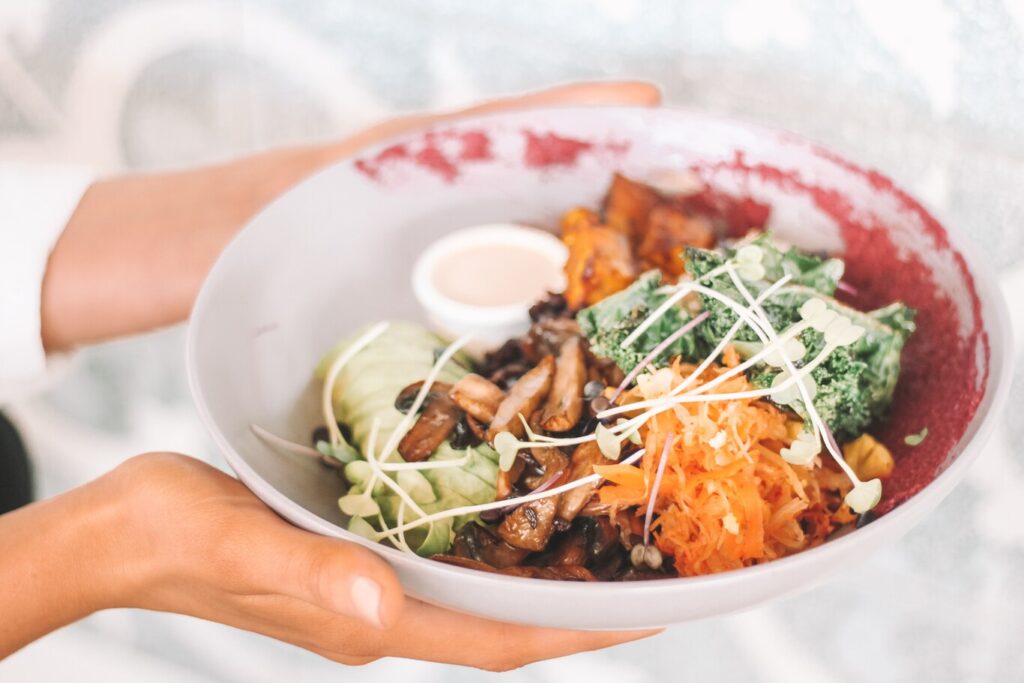
There is a common misconception that a vegan diet automatically leads to anemia. While it is true that a vegan diet can increase the risk of developing anemia, it is not an inevitable outcome. With proper planning and attention to nutrient intake, vegans can meet their nutritional needs and prevent anemia.
Yes, a vegan diet can lead to anemia if not properly planned and balanced
Anemia is a condition characterized by a deficiency of red blood cells or hemoglobin in the blood, resulting in reduced oxygen-carrying capacity. It can lead to symptoms such as fatigue, weakness, shortness of breath, and pale skin. While anemia can affect anyone, vegans may be at a higher risk due to the exclusion of animal products from their diet.
Animal products, such as meat, poultry, fish, and dairy, are rich sources of iron, a mineral essential for the production of red blood cells. Iron from animal sources, known as heme iron, is more easily absorbed by the body compared to non-heme iron found in plant-based foods.
Lack of iron in a vegan diet can contribute to anemia
Vegans rely on plant-based sources of iron, such as legumes, tofu, tempeh, whole grains, nuts, and seeds. While these foods can provide an adequate amount of iron, the body may not absorb it as efficiently as heme iron. This is because certain compounds found in plant foods, such as phytates and tannins, can inhibit iron absorption.
Additionally, vegans may consume less iron overall compared to non-vegans, as plant-based foods tend to have lower iron content than animal products. This can further increase the risk of developing anemia if not compensated for through careful dietary choices.
Plant-based sources of iron may not be as easily absorbed by the body as animal-based sources
To enhance iron absorption from plant-based sources, it is important for vegans to pair iron-rich foods with vitamin C-rich foods. Vitamin C can help convert non-heme iron into a more absorbable form. Including foods like citrus fruits, berries, bell peppers, and leafy greens in meals can help maximize iron absorption.
Cooking methods can also affect iron absorption. For example, soaking and sprouting legumes and grains can reduce the levels of phytates, making iron more bioavailable. Combining iron-rich foods with acidic ingredients, such as lemon juice or vinegar, can also enhance iron absorption.
Vegans may need to consume more iron-rich foods to meet their daily requirements
The recommended daily intake of iron for adults is 18 mg for women and 8 mg for men. However, vegans may need to consume higher amounts of iron to compensate for lower absorption rates. It is recommended that vegan women aim for 32 mg of iron per day, while vegan men should aim for 14 mg.
Incorporating a variety of iron-rich plant foods into meals is essential. Some examples of iron-rich plant-based foods include lentils, chickpeas, black beans, quinoa, spinach, kale, pumpkin seeds, and fortified cereals. Including these foods in daily meals can help vegans meet their iron requirements.
Vegans should also ensure they are getting enough vitamin B12, as deficiency can lead to anemia
Vitamin B12 is primarily found in animal products, making it a nutrient of concern for vegans. A deficiency in vitamin B12 can lead to anemia and other health complications. While some plant-based foods, such as nutritional yeast and fortified plant milks, may contain vitamin B12, they may not provide enough to meet daily requirements.
Supplementation is often necessary for vegans to ensure adequate vitamin B12 intake. There are various forms of vitamin B12 supplements available, including tablets, sublingual drops, and fortified foods. It is important for vegans to regularly check their vitamin B12 levels through blood tests and adjust their supplementation accordingly.
Plant-based sources of vitamin B12 are limited, so supplementation may be necessary for vegans
Vegans should also pay attention to their overall nutrient intake to support healthy blood cell production. Protein is essential for the synthesis of hemoglobin, so including plant-based protein sources like legumes, tofu, tempeh, and seitan in meals is important.
Calcium is another nutrient to consider, as it plays a role in red blood cell production. While dairy products are a common source of calcium, vegans can obtain it from fortified plant milks, tofu, tempeh, leafy greens, and calcium-set tofu.
Omega-3 fatty acids, particularly the long-chain fatty acids EPA and DHA, are important for overall health and can support healthy blood cell production. Vegans can obtain these fatty acids from algae-based supplements or by consuming foods fortified with omega-3s, such as flaxseeds, chia seeds, and walnuts.
Vegans should also pay attention to their overall nutrient intake, including protein, calcium, and omega-3 fatty acids, to support healthy blood cell production
With careful meal planning and attention to nutrient intake, it is possible for vegans to meet their nutritional needs and prevent anemia. However, it is important for vegans to be proactive in monitoring their nutrient levels and seeking guidance from healthcare professionals or registered dietitians if needed.
Regular blood tests can help monitor iron levels and detect any deficiencies or anemia. If anemia is detected, healthcare professionals can provide guidance on appropriate supplementation and dietary adjustments to address the deficiency.
In conclusion, while a vegan diet can increase the risk of anemia, it is not an inevitable outcome. By incorporating a variety of iron-rich plant foods, pairing them with vitamin C-rich foods, ensuring adequate vitamin B12 intake, and paying attention to overall nutrient intake, vegans can maintain healthy blood cell production and prevent anemia.

