There has been a growing interest in the relationship between diet and cancer prevention. Many people wonder if adopting a vegan diet can actually cure cancer. In this article, we will explore the truth about plant-based diets and their impact on cancer risk.
A Vegan Diet and Cancer Risk
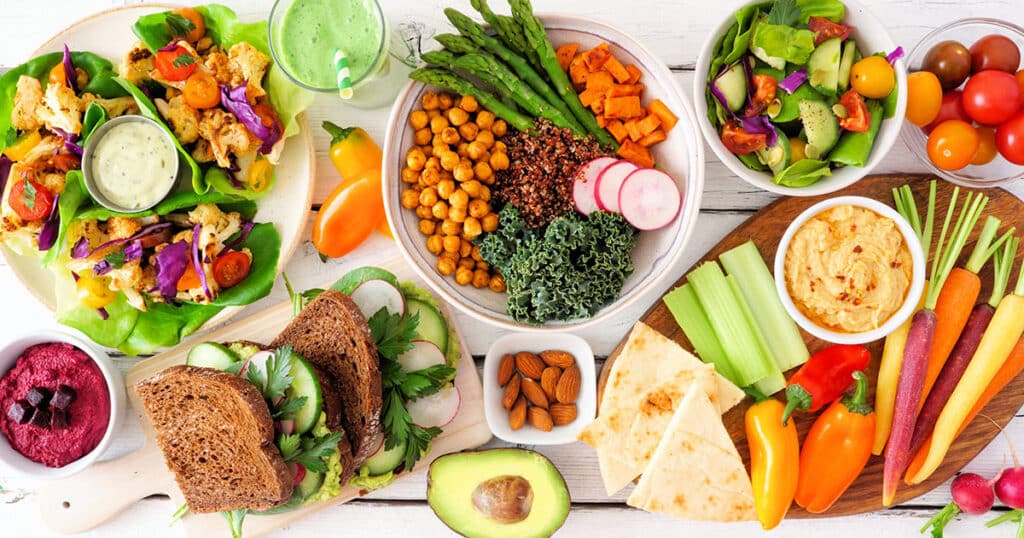
A vegan diet is a type of vegetarian diet that excludes all animal-based foods, including meat, poultry, fish, dairy, and eggs. Instead, it focuses on consuming plant-based foods such as fruits, vegetables, whole grains, legumes, nuts, and seeds.
Some studies suggest that following a vegan diet may help lower the risk for certain types of cancer. This is because plant-based diets tend to be rich in fiber, vitamins, minerals, and antioxidants, which have been shown to have protective effects against cancer.
However, it is important to note that there is not enough evidence to conclude that a vegan diet is superior to other plant-based diets, such as vegetarian or Mediterranean diets, when it comes to reducing cancer risk. The key is to focus on consuming a variety of nutrient-rich plant foods, regardless of whether you follow a vegan or vegetarian diet.
Avoiding Animal-Based Foods
One of the main principles of a vegan diet is to avoid all foods that come from animals. This includes not only meat, but also dairy products, eggs, and even honey. By eliminating these animal-based foods, vegans rely solely on plant-based sources for their nutritional needs.
While it is true that animal-based foods can contribute to an increased risk of certain types of cancer, such as colorectal cancer, it is important to note that not all animal-based foods are equally harmful. For example, lean sources of poultry and fish can be part of a healthy diet and may even have protective effects against certain types of cancer.
It is also worth mentioning that following a strict vegan diet may require careful planning to ensure adequate intake of certain nutrients, such as vitamin B12, iron, calcium, and omega-3 fatty acids. These nutrients are commonly found in animal-based foods and may need to be supplemented in a vegan diet.
Is a Vegan Diet Superior to Other Plant-Based Diets?
As mentioned earlier, there is not enough evidence to suggest that a vegan diet is superior to other plant-based diets when it comes to reducing cancer risk. The key is to focus on consuming a variety of nutrient-rich plant foods, regardless of whether you follow a vegan, vegetarian, or Mediterranean diet.
What matters most is the quality of the foods you consume. A diet that is primarily based on nutrient-rich plant foods, such as fruits, vegetables, whole grains, legumes, nuts, and seeds, offers excellent benefits for overall health and may help reduce the risk of cancer.
The Benefits of a Plant-Based Diet
Plant-based diets have been associated with numerous health benefits, including a reduced risk of heart disease, obesity, type 2 diabetes, and certain types of cancer. This is because plant-based diets are typically low in saturated fat and high in fiber, vitamins, minerals, and antioxidants.
Fiber, in particular, plays a crucial role in maintaining a healthy digestive system and may help prevent colorectal cancer. Additionally, the antioxidants found in plant foods help protect cells from damage caused by free radicals, which can contribute to the development of cancer.
Furthermore, plant-based diets are often lower in calories and higher in nutrient density compared to diets that include animal-based foods. This can help with weight management and reduce the risk of obesity, which is a known risk factor for several types of cancer.
Adding Nutrients with a Plant-Based Diet
One of the advantages of a plant-based diet is that it naturally adds more vitamins, minerals, and fiber to the diet. Fruits and vegetables, in particular, are rich in vitamins A, C, and E, as well as folate and potassium.
Whole grains, such as brown rice, quinoa, and whole wheat bread, provide important nutrients like B vitamins, iron, and magnesium. Legumes, such as beans, lentils, and chickpeas, are excellent sources of protein, fiber, and minerals like iron and zinc.
Nuts and seeds are also nutrient powerhouses, providing healthy fats, protein, fiber, and a wide range of vitamins and minerals. Including a variety of nuts and seeds in your diet can help ensure you are getting a good balance of essential nutrients.
Plant-Based Eating for Heart Health and Chronic Disease Prevention
Plant-based diets have been shown to have significant benefits for heart health and may help reduce the risk of other chronic diseases, such as type 2 diabetes and hypertension. These diets are typically low in saturated fat and cholesterol, which can contribute to the development of heart disease.
Additionally, the high fiber content of plant-based diets can help lower cholesterol levels and improve blood sugar control. This can be particularly beneficial for individuals with diabetes or those at risk of developing the disease.
Furthermore, plant-based diets are rich in antioxidants, which help reduce inflammation in the body. Chronic inflammation is believed to play a role in the development of many chronic diseases, including cancer.
Nutrient-Rich Plant Foods for Health and Recovery
Eating a wide variety of plant foods provides the nutrients needed to support health and recovery. For individuals undergoing cancer treatment, a plant-based diet can help optimize nutrition and support the body’s healing process.
Fruits and vegetables are packed with vitamins, minerals, and antioxidants that can help strengthen the immune system and protect against cell damage. Including a variety of colorful fruits and vegetables in your diet can provide a wide range of nutrients that are essential for overall health.
Whole grains, legumes, nuts, and seeds are also important sources of protein, which is crucial for tissue repair and recovery. These plant-based protein sources can be incorporated into meals and snacks to ensure an adequate intake of this essential nutrient.
Recommended Vegetable and Fruit Intake for Lowering Cancer Risk
The American Institute for Cancer Research recommends eating a minimum of 3 1/2 to 5 cups of vegetables and fruits each day for overall good health and to lower cancer risk. This recommendation is based on the evidence linking plant-based diets to a reduced risk of cancer.
When it comes to cancer prevention, it is important to choose a colorful variety of vegetables and fruits to get the most nutrients. Different colors indicate different types of antioxidants and phytochemicals, which have unique health benefits.
For example, orange fruits and vegetables, such as carrots and sweet potatoes, are rich in beta-carotene, which is converted to vitamin A in the body and helps support healthy vision and immune function. Leafy green vegetables, like spinach and kale, are packed with folate, iron, and other important nutrients.
Building a Plant-Based Plate
When following a plant-based diet, it is important to fill at least two-thirds (or more) of your plate with plant-based foods. This includes fruits, vegetables, whole grains, legumes, nuts, and seeds.
One-third or less of your plate can be dedicated to animal proteins, such as lean poultry, fish, or dairy products. It is important to choose lean sources of animal proteins and limit the intake of processed meats, which have been linked to an increased risk of cancer.
By focusing on plant-based foods, you can ensure that you are getting a wide range of nutrients and maximizing the health benefits of your diet.
Replacing Animal Proteins with Plant Proteins
One of the key principles of a plant-based diet is to replace animal proteins with plant proteins whenever possible. Plant proteins, such as those found in legumes, tofu, tempeh, and seitan, offer numerous health benefits and can be just as satisfying and nutritious as animal proteins.
Plant proteins are typically lower in saturated fat and cholesterol and higher in fiber compared to animal proteins. They also provide important nutrients like iron, zinc, and B vitamins.
By incorporating a variety of plant proteins into your diet, you can ensure that you are meeting your protein needs while reducing your intake of animal-based foods.
Transitioning to a More Plant-Based Diet
If you are interested in adopting a more plant-based diet but are not ready to go fully vegan or vegetarian, it is perfectly fine to start with small changes. Gradually work your way to eating more plant-based foods and reducing your intake of animal-based foods.
For example, you can start by incorporating Meatless Mondays into your routine, where you have one day a week dedicated to plant-based meals. You can also experiment with new plant-based recipes and gradually replace animal proteins with plant proteins in your favorite dishes.
Remember, every small step towards a more plant-based diet can have a positive impact on your health and may help reduce your risk of cancer and other chronic diseases.
Flexibility in Vegetarian and Vegan Diets
It is important to note that following a strict vegetarian or vegan diet is not necessary to reduce cancer risk. Even small changes, such as increasing your intake of fruits and vegetables, can have a significant impact on your health.
Vegetarian and vegan diets can be flexible and can be tailored to individual preferences and nutritional needs. It is important to focus on consuming a variety of nutrient-rich plant foods and to ensure adequate intake of essential nutrients.
If you are considering adopting a vegetarian or vegan diet, it may be helpful to consult with a registered dietitian or nutritionist who can provide guidance and support to help you meet your nutritional needs.
The Key to Reducing Cancer Risk: Focus on Plants
While there is no definitive cure for cancer, adopting a plant-based diet can play a significant role in reducing the risk of developing the disease. The key is to focus on eating more plants and incorporating a variety of nutrient-rich plant foods into your diet.
By consuming a wide range of fruits, vegetables, whole grains, legumes, nuts, and seeds, you can provide your body with the essential nutrients it needs to support overall health and reduce the risk of cancer.
Personalized Cancer Prevention Plans
If you are concerned about your cancer risk or would like personalized guidance on cancer prevention, it may be helpful to consult with a healthcare professional or a specialized clinic, such as the Cancer Risk and Prevention Clinic.
These clinics can assess your individual risk factors, provide personalized recommendations, and help you develop a comprehensive plan to reduce your risk of cancer. They can also provide support and guidance throughout your journey towards a healthier lifestyle.
In conclusion, while there is no definitive cure for cancer, adopting a plant-based diet can have significant benefits for overall health and may help reduce the risk of developing certain types of cancer. The key is to focus on consuming a variety of nutrient-rich plant foods and to make gradual changes towards a more plant-based diet.