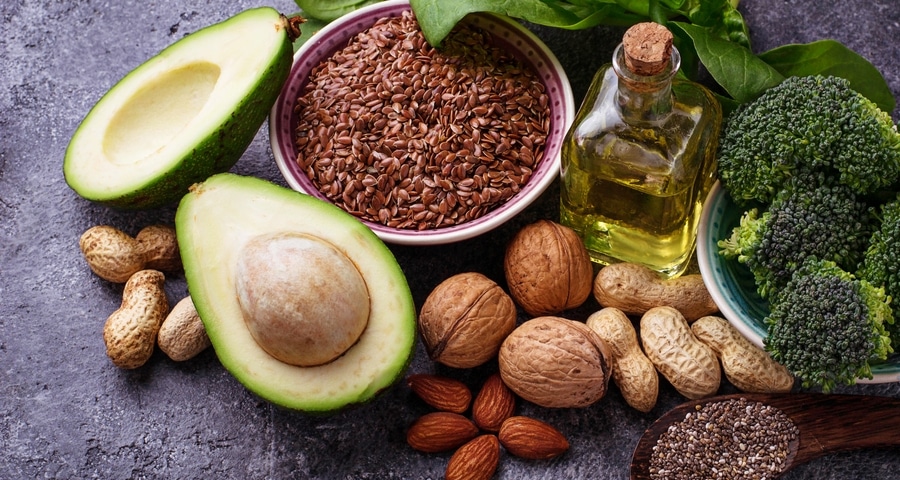
Omega-3 fatty acids are essential nutrients that play a crucial role in our overall health. They are known for their anti-inflammatory properties and are important for brain function, heart health, and reducing the risk of chronic diseases. While omega-3 fatty acids are commonly found in fish and seafood, vegans can obtain these essential nutrients from plant-based sources.
Vegan Sources of Omega-3 Fatty Acids
Plant-based sources of omega-3 fatty acids include flaxseeds, chia seeds, hemp seeds, walnuts, and algae-based supplements. These sources contain a type of omega-3 fatty acid called alpha-linolenic acid (ALA). ALA is considered an essential fatty acid because our bodies cannot produce it and it must be obtained through the diet.
Flaxseeds and chia seeds are particularly rich in ALA, with just one tablespoon of ground flaxseeds providing around 1.6 grams of ALA. Walnuts are also a good source of ALA, with about 2.5 grams per ounce. Including these foods in a vegan diet can help ensure an adequate intake of omega-3 fatty acids.
The Importance of Alpha-linolenic Acid (ALA)
ALA is the precursor to longer-chain omega-3 fatty acids, such as docosahexaenoic acid (DHA) and eicosapentaenoic acid (EPA). These longer-chain fatty acids are found in high amounts in fish and seafood and are known for their numerous health benefits.
While DHA and EPA are important for optimal health, it is important to note that ALA itself also has health benefits. ALA has been shown to reduce inflammation, improve heart health, and support brain function. Therefore, even if the body’s conversion of ALA to DHA and EPA is not as efficient as desired, consuming adequate amounts of ALA can still provide health benefits.
The Conversion of ALA into DHA and EPA
The human body has the ability to convert ALA into DHA and EPA, although the conversion rate is relatively low. It is estimated that only about 5% of ALA is converted into EPA, and even less is converted into DHA.
Factors such as age, sex, genetics, and overall diet can influence the conversion rate of ALA into DHA and EPA. Women tend to have a higher conversion rate compared to men, and younger individuals generally have a higher conversion rate than older individuals.
It is important to note that the conversion of ALA into DHA and EPA is not a linear process. The body’s ability to convert ALA into these longer-chain fatty acids depends on various enzymatic reactions and can be influenced by other dietary factors.
Obtaining DHA and EPA on a Vegan Diet
While fish and seafood are the primary dietary sources of DHA and EPA, vegans can still obtain these important omega-3 fatty acids through the conversion of ALA. Studies have shown that vegans and vegetarians who do not consume fish have comparable levels of DHA and EPA in their blood as fish-eaters.
One study found that vegan women had higher levels of long-chain omega-3 fats in their blood compared to fish-eaters, meat-eaters, and ovo-lacto vegetarians. This suggests that the conversion of ALA into DHA and EPA can be sufficient to meet the body’s needs, even without direct consumption of these long-chain omega-3s.
It is worth noting that the conversion of ALA into DHA and EPA may be more efficient in individuals who consume a diet low in omega-6 fatty acids. Omega-6 fatty acids, found in vegetable oils and processed foods, can compete with ALA for the same enzymes involved in the conversion process. Therefore, reducing the intake of omega-6 fatty acids and increasing the intake of ALA-rich foods can potentially enhance the conversion of ALA into DHA and EPA.
Conversion of Shorter-Chain Fatty Acids into DHA and EPA
Interestingly, a study conducted on vegan participants found that they were able to convert shorter-chain fatty acids, such as stearidonic acid (SDA), into DHA and EPA. SDA is found in high amounts in certain plant-based oils, such as hempseed oil and echium oil.
This finding suggests that even if vegans do not consume direct sources of DHA and EPA, their bodies can still convert other omega-3 fatty acids into these important nutrients. However, more research is needed to fully understand the efficiency and implications of this conversion process.
Getting Enough Omega-3s on a Vegan Diet
While it is possible for vegans to obtain adequate amounts of omega-3 fatty acids through plant-based sources, it is important to ensure a well-rounded and balanced diet. Including a variety of ALA-rich foods, such as flaxseeds, chia seeds, and walnuts, can help meet the body’s needs for omega-3s.
In some cases, individuals may choose to supplement their diet with algae-based omega-3 supplements. These supplements are derived from algae, which is a direct source of DHA and EPA. Algae-based supplements are considered vegan-friendly and provide a direct source of these important omega-3 fatty acids.
It is always recommended to consult with a healthcare professional or registered dietitian before starting any new supplements, as individual needs may vary.
In conclusion, vegans can obtain omega-3 fatty acids from plant-based sources, primarily through the consumption of ALA-rich foods. While the conversion of ALA into DHA and EPA may not be as efficient as direct consumption of these long-chain omega-3s, studies have shown that vegans can still maintain adequate levels of DHA and EPA in their blood. A well-rounded vegan diet that includes a variety of ALA-rich foods can provide sufficient amounts of omega-3 fatty acids without the need for supplements. However, individual needs may vary, and some individuals may choose to supplement their diet with algae-based omega-3 supplements. Consulting with a healthcare professional or registered dietitian can help determine the best approach for meeting omega-3 needs on a vegan diet.