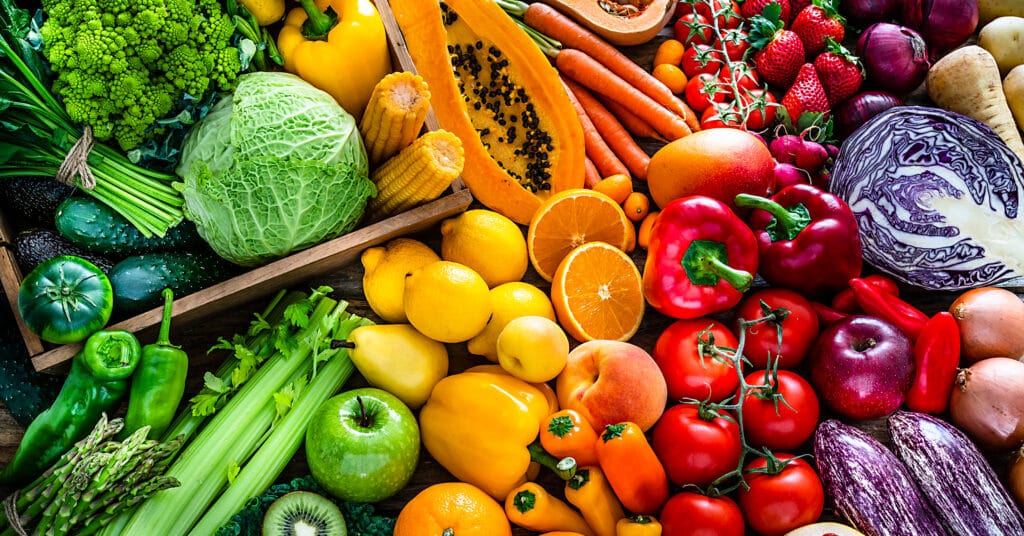
Adopting a plant-based diet has become increasingly popular in recent years, and for good reason. Not only does it have a positive impact on the environment and animal welfare, but it also offers numerous health benefits. By focusing on whole, plant-based foods, individuals can improve their overall well-being and reduce the risk of chronic diseases.
In this blog post, we will explore the various benefits of adopting a plant-based diet for your health. We will discuss how this diet can help with weight management, reduce the risk of heart disease and certain types of cancer, improve digestion, boost energy levels, and enhance overall longevity. Additionally, we will provide tips and resources for those looking to transition to a plant-based lifestyle and offer insights into the potential challenges and how to overcome them. So if you’re curious about the benefits of a plant-based diet and how it can positively impact your health, keep reading!
Increased intake of nutrients
A plant-based diet can greatly increase your intake of essential nutrients. Fruits, vegetables, whole grains, legumes, nuts, and seeds are all rich sources of vitamins, minerals, and antioxidants that are important for maintaining good health.
By adopting a plant-based diet, you can ensure that you are getting a wide variety of nutrients that are often lacking in a typical Western diet. Some of the key nutrients that are abundant in plant-based foods include:
Vitamin C:
Fruits and vegetables such as oranges, strawberries, bell peppers, and broccoli are excellent sources of vitamin C, which is essential for a strong immune system, collagen production, and the absorption of iron.
Vitamin A:
Leafy greens, carrots, and sweet potatoes are packed with vitamin A, which is important for healthy vision, immune function, and cell growth.
Fiber:
Whole grains, legumes, and fruits and vegetables are all high in fiber. A high-fiber diet can help regulate digestion, lower cholesterol levels, and control blood sugar levels.
Antioxidants:
Plant-based foods are rich in antioxidants, which help protect your cells from damage caused by free radicals. Berries, dark chocolate, and green tea are particularly high in antioxidants.
By increasing your intake of these nutrients through a plant-based diet, you can support your overall health and well-being.
Lower risk of chronic diseases
Adopting a plant-based diet can significantly lower your risk of chronic diseases. Studies have shown that individuals following a plant-based diet have a reduced risk of developing conditions such as heart disease, high blood pressure, type 2 diabetes, and certain types of cancer.
This is primarily because plant-based diets are typically low in saturated fat, cholesterol, and processed foods, while being rich in fiber, antioxidants, vitamins, and minerals. These nutrients play a crucial role in maintaining a healthy body and preventing the onset of chronic diseases.
By eliminating or minimizing the consumption of animal products and focusing on whole, plant-based foods, you can improve your overall health and well-being.
Weight management
Another benefit of adopting a plant-based diet is its positive impact on weight management. Plant-based foods tend to be lower in calories and higher in fiber compared to their animal-based counterparts.
Fiber-rich foods help promote feelings of fullness and satiety, which can prevent overeating and aid in weight loss or weight maintenance. Additionally, plant-based diets are typically less energy-dense, meaning you can eat larger portions while consuming fewer calories.
Studies have shown that individuals following a plant-based diet tend to have lower body mass indexes (BMIs) and lower rates of obesity compared to those who consume a diet high in animal products.
Improved digestion
A plant-based diet can also improve digestion and promote a healthy gut. Plant foods are naturally rich in fiber, which adds bulk to the stool and helps regulate bowel movements.
Fiber also acts as a prebiotic, providing nourishment for beneficial gut bacteria. A healthy gut microbiome is essential for optimal digestion, nutrient absorption, and overall gut health.
Incorporating a variety of plant-based foods into your diet, such as fruits, vegetables, whole grains, legumes, and nuts, can help support a diverse and thriving gut microbiota.
Reduced inflammation
Inflammation is a natural response of the immune system, but chronic inflammation can contribute to the development of various diseases, including heart disease, arthritis, and certain types of cancer.
Plant-based diets have been shown to have anti-inflammatory effects on the body. The high levels of antioxidants and phytochemicals found in plant foods help reduce inflammation and oxidative stress.
By adopting a plant-based diet, you can potentially reduce inflammation in your body and improve your overall health.
Environmental sustainability
Aside from the health benefits, adopting a plant-based diet also has positive effects on the environment. Animal agriculture is a significant contributor to greenhouse gas emissions, deforestation, water pollution, and biodiversity loss.
By reducing or eliminating animal products from your diet, you can significantly reduce your carbon footprint and contribute to a more sustainable planet.
Overall, adopting a plant-based diet offers numerous benefits for your health, well-being, and the environment. It is a compassionate and sustainable choice that can lead to a healthier and more fulfilling lifestyle.
Improved digestion and gut health
Adopting a plant-based diet can have numerous benefits for your digestion and gut health. By eliminating animal products and focusing on whole, plant-based foods, you are providing your body with a wealth of fiber, vitamins, and minerals that promote a healthy digestive system.
Fiber, found abundantly in fruits, vegetables, whole grains, legumes, and nuts, plays a crucial role in maintaining regular bowel movements and preventing constipation. It adds bulk to the stool and helps to sweep waste products through the digestive tract more efficiently.
Furthermore, a plant-based diet is naturally rich in prebiotics, which are types of fiber that feed the beneficial bacteria in your gut. These bacteria help to break down food, produce essential nutrients, and support a strong immune system. By nourishing these beneficial bacteria, a plant-based diet can promote a healthy gut microbiome and improve overall gut health.
Additionally, plant-based diets are typically low in saturated fats and cholesterol, which can contribute to digestive issues such as inflammation and gallstones. By reducing your intake of these harmful substances, you can help alleviate digestive discomfort and support optimal gut function.
In summary, adopting a plant-based diet can improve digestion and gut health by providing ample fiber, promoting a healthy gut microbiome, and reducing the intake of harmful substances. It is a natural and effective way to support your overall health and well-being.
Enhanced energy levels and mood
A plant-based diet can greatly enhance your energy levels and improve your mood. By consuming a variety of fruits, vegetables, whole grains, legumes, and nuts, you provide your body with essential nutrients and antioxidants that promote overall well-being.
Firstly, the high fiber content in plant-based foods helps regulate blood sugar levels, preventing energy crashes and providing a steady source of energy throughout the day. This can result in increased productivity, better concentration, and improved mental clarity.
Additionally, plant-based diets are rich in vitamins, minerals, and phytochemicals that support brain health and neurotransmitter production. For example, foods like leafy greens, avocados, and berries are abundant in antioxidants and omega-3 fatty acids, which have been linked to a lower risk of depression and improved mood.
Moreover, plant-based diets are typically low in saturated fat and cholesterol, which can contribute to the development of cardiovascular diseases. By reducing the intake of these harmful substances, you can improve blood flow and oxygen delivery to the brain, resulting in enhanced cognitive function and a better overall mood.
So, if you’re looking to boost your energy levels and improve your mood, adopting a plant-based diet can be a great choice.
Weight management and satiety
One of the key benefits of adopting a plant-based diet is its impact on weight management and satiety. By focusing on consuming whole, plant-based foods, you can effectively manage your weight and feel satiated for longer periods of time.
Plant-based diets are typically lower in calories and higher in fiber compared to diets that include animal products. This means that you can consume a larger volume of plant-based foods while still keeping your calorie intake in check. The high fiber content in plant-based foods also helps to slow down digestion and keep you feeling full for longer, reducing the likelihood of overeating.
In addition, plant-based diets are generally rich in nutrient-dense foods, such as fruits, vegetables, whole grains, legumes, nuts, and seeds. These foods are packed with essential vitamins, minerals, antioxidants, and phytochemicals that promote overall health and well-being.
Moreover, plant-based diets are often associated with lower body mass index (BMI) and reduced risk of obesity. Studies have shown that individuals who follow a plant-based diet tend to have lower BMI values and are less likely to develop obesity-related health conditions, such as heart disease, type 2 diabetes, and certain types of cancer.
Overall, adopting a plant-based diet can be an effective strategy for weight management and promoting satiety. By focusing on whole, plant-based foods, you can nourish your body with nutrient-dense options while also supporting a healthy weight and overall well-being.
Reduced inflammation in the body
Adopting a plant-based diet can have numerous benefits for your health and well-being. One of the key advantages is the potential for reduced inflammation in the body.
Inflammation is a natural response by the immune system to protect the body against injury and infection. However, chronic inflammation can contribute to the development of various health conditions, including heart disease, diabetes, and certain types of cancer.
A plant-based diet, rich in fruits, vegetables, whole grains, legumes, and nuts, is naturally high in antioxidants and phytochemicals. These compounds have anti-inflammatory properties, helping to reduce chronic inflammation in the body.
By replacing processed and animal-based foods with plant-based alternatives, you can lower your intake of pro-inflammatory substances such as saturated fats and cholesterol. This dietary shift can lead to a decrease in inflammatory markers in the blood and a reduction in overall inflammation levels.
Furthermore, plant-based diets are typically higher in fiber, which has been shown to have anti-inflammatory effects. Fiber promotes healthy digestion and helps regulate blood sugar levels, both of which are important for managing inflammation.
Moreover, a plant-based diet is associated with a healthier body weight, which can also play a role in reducing inflammation. Excess weight, especially around the abdomen, is known to promote inflammation in the body.
In summary, adopting a plant-based diet can help reduce inflammation in the body due to its high content of antioxidants, phytochemicals, and fiber. By making this dietary switch, you can potentially lower your risk of developing chronic diseases and improve your overall health and well-being.
Environmental sustainability and conservation
Adopting a plant-based diet not only has numerous benefits for your health and well-being, but it also plays a crucial role in promoting environmental sustainability and conservation.
Reduced carbon footprint
By consuming plant-based foods, you significantly reduce your carbon footprint. Animal agriculture is a major contributor to greenhouse gas emissions, deforestation, and water pollution. Choosing plant-based options helps combat climate change and preserve our natural resources.
Preserves water resources
Animal agriculture requires a vast amount of water for animal feed production and livestock maintenance. By shifting to a plant-based diet, you help conserve water resources as it takes significantly less water to produce plant-based foods compared to animal products.
Protects biodiversity
The expansion of animal agriculture leads to deforestation, which destroys habitats and threatens biodiversity. By adopting a plant-based diet, you contribute to the preservation of ecosystems and protect endangered species.
Reduces pollution
Animal agriculture produces significant amounts of waste, including manure and chemical runoff, which contaminate water sources and contribute to air pollution. By choosing plant-based options, you help reduce pollution and promote cleaner and healthier environments.
Conserves energy
Producing animal-based foods requires more energy compared to plant-based alternatives. By consuming plant-based meals, you contribute to the conservation of energy resources and reduce the demand for fossil fuels.
Supports sustainable farming practices
Plant-based diets encourage the adoption of more sustainable farming practices such as organic farming, regenerative agriculture, and permaculture. These practices promote soil health, biodiversity, and the overall sustainability of our food systems.
By adopting a plant-based diet, you not only improve your own health but also contribute to the well-being of the planet and future generations. Embracing plant-based options is a powerful step towards a more sustainable and environmentally conscious lifestyle.
Frequently Asked Questions
1. What is a plant-based diet?
A plant-based diet is a dietary approach that focuses on consuming mostly or exclusively foods derived from plants, such as fruits, vegetables, grains, legumes, nuts, and seeds.
2. Why should I adopt a plant-based diet?
Adopting a plant-based diet can have numerous health benefits, including lower risk of chronic diseases, improved digestion, weight management, and increased energy levels.
3. Can I get all the necessary nutrients from a plant-based diet?
Yes, a well-planned plant-based diet can provide all the necessary nutrients, including protein, vitamins, minerals, and essential fatty acids. It is important to ensure a diverse and balanced intake of plant foods.
4. Is a plant-based diet suitable for everyone?
A plant-based diet can be suitable for people of all ages, including children, teenagers, adults, and older adults. It is important to consult with a healthcare professional or registered dietitian to ensure that your nutritional needs are being met.