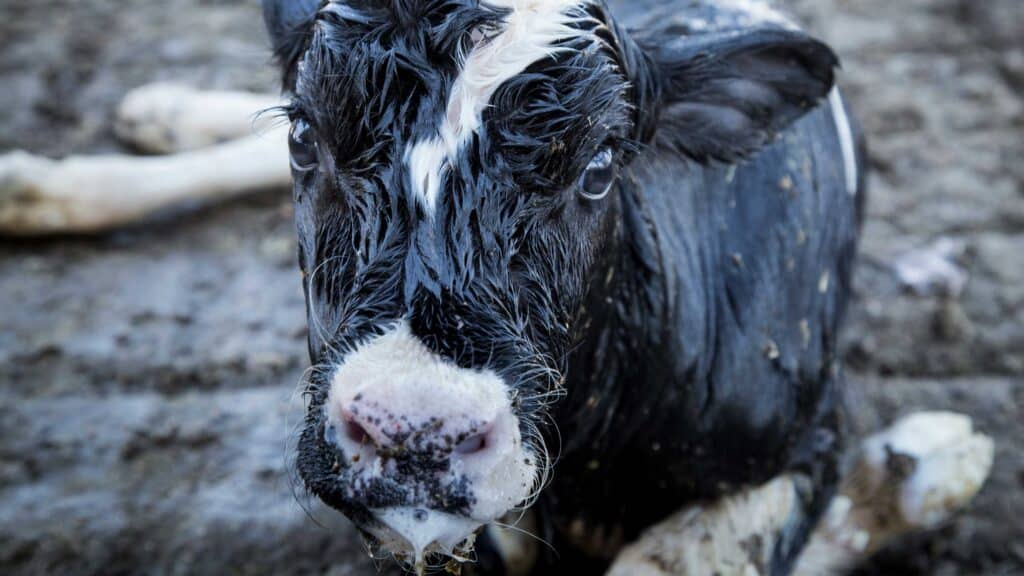
Animal agriculture has become a significant contributor to environmental degradation and climate change. The mass production of meat, dairy, and eggs has led to deforestation, water pollution, greenhouse gas emissions, and loss of biodiversity. As the demand for animal products continues to rise, it is crucial to understand the environmental impact of our dietary choices and explore sustainable alternatives.
In this blog post, we will delve into the environmental consequences of animal agriculture and the reasons why adopting a vegan lifestyle can help mitigate these issues. We will discuss the link between animal agriculture and deforestation, the water footprint of animal products, the role of livestock in greenhouse gas emissions, and the impact on biodiversity. Additionally, we will explore the benefits of a plant-based diet, such as reduced carbon footprint, conservation of water resources, and preservation of ecosystems. By understanding the environmental impact of animal agriculture, we can make informed choices that align with our values and contribute to a more sustainable future.
Reduce greenhouse gas emissions
Animal agriculture is a major contributor to greenhouse gas emissions, which are one of the leading causes of climate change. By going vegan, you can significantly reduce your carbon footprint and help mitigate the environmental impact of animal agriculture.
How does animal agriculture contribute to greenhouse gas emissions?
Animal agriculture is responsible for the production of methane and nitrous oxide, two potent greenhouse gases that contribute to global warming. Methane is released by livestock during digestion and manure management, while nitrous oxide is emitted from the use of synthetic fertilizers and manure.
According to the United Nations Food and Agriculture Organization, animal agriculture is responsible for approximately 14.5% of global greenhouse gas emissions, which is more than the emissions from the entire transportation sector combined.
What are the environmental benefits of going vegan?
By adopting a vegan lifestyle, you can make a positive impact on the environment in several ways:
- Reduced carbon footprint: The production of plant-based foods generally requires less land, water, and energy compared to animal-based foods, resulting in lower greenhouse gas emissions.
- Conservation of natural resources: Animal agriculture is a resource-intensive industry that requires large amounts of water, land, and feed. By choosing plant-based alternatives, you can help conserve these valuable resources.
- Preservation of biodiversity: Animal agriculture is a leading driver of deforestation, habitat destruction, and species extinction. By reducing the demand for animal products, you can help protect ecosystems and preserve biodiversity.
- Water conservation: Animal agriculture is a major water consumer, with vast amounts of water used for animal drinking, irrigation of feed crops, and processing. By opting for plant-based foods, you can help reduce water usage and conserve this precious resource.
Going vegan is a powerful choice that can have a significant positive impact on the environment. By reducing greenhouse gas emissions and promoting sustainability, you can contribute to a more sustainable future for our planet.
Preserve water resources
Animal agriculture is a major contributor to water scarcity and pollution. By going vegan, you can help preserve water resources.
Water Scarcity
Animal agriculture requires massive amounts of water for various purposes, such as watering the animals, growing their feed, and cleaning their living spaces. This excessive water usage puts a strain on freshwater resources, leading to water scarcity.
By choosing a vegan lifestyle, you reduce the demand for animal products, which in turn decreases the need for water-intensive animal agriculture. This helps conserve water and ensure its availability for other essential needs, such as drinking, sanitation, and crop irrigation.
Water Pollution
Animal agriculture also contributes to water pollution through the release of manure and chemical runoff from factory farms. These pollutants contaminate rivers, lakes, and groundwater, posing risks to aquatic ecosystems and human health.
Veganism can help reduce water pollution by eliminating the need for intensive animal farming practices. Plant-based diets require significantly less water and produce minimal waste compared to animal agriculture.
By making the choice to go vegan, you are actively contributing to the preservation of water resources and helping to mitigate the environmental impact of animal agriculture.
Prevent deforestation and habitat loss
Animal agriculture is a major contributor to deforestation and habitat loss worldwide. The demand for land to raise livestock and grow animal feed crops has led to the destruction of large areas of forests and natural habitats.
By choosing to go vegan, individuals can help prevent deforestation and protect the habitats of countless species. When we eliminate the need for vast amounts of land for animal agriculture, we can reduce the pressure to clear forests and make room for livestock or crops.
Why is deforestation harmful?
Deforestation has severe environmental consequences. Trees play a crucial role in regulating the Earth’s climate by absorbing carbon dioxide and releasing oxygen through photosynthesis. The loss of forests contributes to the accumulation of greenhouse gases in the atmosphere, leading to global warming and climate change.
Furthermore, deforestation disrupts entire ecosystems and threatens biodiversity. Forests are home to countless species of plants, animals, and microorganisms. When their habitats are destroyed, these species lose their homes and are often driven to extinction.
The impact of animal agriculture on deforestation
Animal agriculture is a leading cause of deforestation in many parts of the world. Large-scale livestock farming requires vast amounts of land to raise animals and grow feed crops like soybeans and corn. As a result, forests are cleared to make way for grazing pastures or to cultivate animal feed.
In regions such as the Amazon rainforest, the expansion of cattle ranching is a major driver of deforestation. The Amazon, often referred to as the «lungs of the Earth,» is being cleared at an alarming rate to create pastureland for cattle. This destruction not only contributes to climate change but also threatens the incredible biodiversity of the region.
Choosing veganism as a solution
By adopting a vegan lifestyle, individuals can directly reduce their contribution to deforestation and habitat loss. Plant-based diets require significantly less land, water, and resources compared to animal-based diets. When we choose to eat fruits, vegetables, legumes, and grains instead of animal products, we can help conserve forests and protect wildlife habitats.
Going vegan also reduces the demand for animal feed crops, which are often grown on land that was once covered in forests. By consuming plant-based alternatives, we can alleviate the pressure on agricultural land and contribute to the preservation of natural ecosystems.
- Preventing deforestation: Choosing vegan options reduces the need for land to raise livestock or grow animal feed crops, helping to protect forests and their inhabitants.
- Preserving biodiversity: By reducing habitat destruction, veganism helps safeguard the incredible diversity of plant and animal species.
- Combatting climate change: Forests are vital in regulating the Earth’s climate, and by preventing deforestation, veganism can contribute to mitigating global warming.
- Supporting sustainable land use: Vegan diets require less land, water, and resources, promoting more sustainable and efficient use of our limited natural resources.
In conclusion, choosing to go vegan is an effective way to contribute to the prevention of deforestation and habitat loss. By making conscious dietary choices, we can make a positive impact on the environment and help protect the planet for future generations.
Decrease land and water pollution
Animal agriculture is a major contributor to land and water pollution, making it crucial to consider the environmental impact of our food choices. By going vegan, we can significantly decrease these negative effects.
1. Reducing water pollution:
Animal agriculture is responsible for a significant amount of water pollution due to the enormous amount of manure produced by factory farms. This waste often ends up in nearby water sources, contaminating rivers, lakes, and groundwater.
By adopting a vegan lifestyle, we can help reduce water pollution as plant-based agriculture requires significantly less water compared to animal agriculture. This means fewer resources are needed to grow crops, reducing the overall stress on water sources.
2. Mitigating land degradation:
Animal agriculture is a leading cause of deforestation, as vast areas of land are cleared to make way for livestock grazing and growing animal feed crops. This deforestation leads to habitat loss, soil erosion, and the release of carbon dioxide into the atmosphere.
By choosing a vegan diet, we can help mitigate land degradation. Plant-based agriculture uses land more efficiently, allowing for reforestation efforts and the restoration of natural habitats. Additionally, consuming plant-based foods reduces the demand for animal feed crops, which in turn reduces the need for more land to be cleared.
3. Minimizing greenhouse gas emissions:
The livestock sector is a major contributor to greenhouse gas emissions, particularly methane and nitrous oxide. These gases have a significant impact on climate change, trapping heat in the atmosphere and contributing to global warming.
By going vegan, we can help minimize greenhouse gas emissions. Plant-based diets have a lower carbon footprint as they require fewer resources and emit fewer greenhouse gases compared to animal-based diets. This reduction in emissions can help mitigate the effects of climate change.
4. Preserving biodiversity:
Animal agriculture contributes to the loss of biodiversity through habitat destruction, pollution, and the introduction of invasive species. Livestock farming often requires large amounts of land, leading to the destruction of natural habitats and the displacement of native species.
Choosing a vegan lifestyle can help preserve biodiversity. By reducing the demand for animal products, we can decrease the pressure on ecosystems and allow for the restoration of natural habitats. This, in turn, helps protect a wide range of plant and animal species.
In conclusion, by going vegan, we can make a significant positive impact on the environment. From reducing water pollution and mitigating land degradation to minimizing greenhouse gas emissions and preserving biodiversity, adopting a plant-based diet is a powerful choice for the health of our planet.
Improve public health and nutrition
One of the key reasons to consider going vegan is the positive impact it can have on public health and nutrition. Animal agriculture is a major contributor to various health issues, including heart disease, obesity, and certain types of cancer. By eliminating animal products from your diet and opting for a plant-based approach, you can significantly reduce your risk of developing these conditions and improve your overall well-being.
Reduced risk of heart disease
A plant-based diet that is low in saturated fats and cholesterol can help lower the risk of heart disease. Animal products, such as meat and dairy, are high in saturated fats, which can raise cholesterol levels and contribute to the development of heart-related conditions. By focusing on whole foods like fruits, vegetables, legumes, and whole grains, you can maintain a healthier heart.
Lower obesity rates
Obesity is a major health concern worldwide, and animal products can often be high in calories and unhealthy fats. By adopting a vegan diet, which is typically lower in calories and higher in fiber, you can manage your weight more effectively. Plant-based foods are generally less calorie-dense, meaning you can consume larger portions without consuming excessive calories, helping to prevent obesity.
Reduced risk of certain types of cancer
Studies have shown a correlation between the consumption of animal products and an increased risk of certain types of cancer, such as colorectal, breast, and prostate cancer. Plant-based diets, on the other hand, are rich in antioxidants, vitamins, and minerals that can help protect against cancer. By choosing a vegan lifestyle, you can reduce your risk of developing these diseases.
- Increased nutrient intake: Plant-based diets can provide a wide range of essential nutrients, including vitamins, minerals, and antioxidants. By incorporating a variety of fruits, vegetables, whole grains, legumes, nuts, and seeds into your diet, you can ensure that you’re getting all the nutrients your body needs to thrive.
- Improved digestion: Plant-based foods are typically higher in fiber, which can promote healthy digestion and prevent constipation. The fiber content in a vegan diet can also help regulate blood sugar levels and improve overall gut health.
- Lower risk of foodborne illnesses: Animal products are more likely to be contaminated with harmful bacteria, such as E. coli and Salmonella. By eliminating these products from your diet, you can significantly reduce your risk of foodborne illnesses.
In conclusion, switching to a vegan diet can have a positive impact on your health and nutrition. By eliminating animal products and embracing a plant-based lifestyle, you can reduce the risk of heart disease, manage your weight more effectively, lower the risk of certain types of cancer, increase nutrient intake, improve digestion, and reduce the risk of foodborne illnesses. Consider going vegan for the sake of your own well-being and the environment.
Promote ethical treatment of animals
One of the key reasons to go vegan is to promote ethical treatment of animals. Animal agriculture has a significant impact on the environment, as well as on the animals themselves. By choosing to go vegan, you are actively taking a stand against the mistreatment and exploitation of animals for food.
Going vegan means refusing to support industries that confine animals to small, crowded spaces, subject them to cruel practices such as debeaking, tail docking, and castration without anesthesia, and ultimately lead them to a life of suffering. By adopting a vegan lifestyle, you are sending a powerful message that you believe in the inherent rights and well-being of all animals.
Furthermore, by going vegan, you are reducing the demand for animal products, which in turn decreases the number of animals bred and raised for slaughter. This can have a significant impact on improving the overall welfare of animals and creating a more compassionate society.
It is important to promote ethical treatment of animals not only for their sake but also for the sake of our planet. Animal agriculture is a major contributor to greenhouse gas emissions, deforestation, water pollution, and biodiversity loss. By choosing to go vegan, you are actively reducing your carbon footprint and contributing to a more sustainable future.
Benefits of Going Vegan for Animals:
- Prevents unnecessary suffering and cruelty towards animals.
- Reduces the demand for animal products, therefore reducing the number of animals bred and raised for slaughter.
- Promotes the idea that animals have inherent rights and deserve to be treated with respect.
- Creates a more compassionate society that values the well-being of all living beings.
Remember, by going vegan, you are not only making a positive impact on the lives of animals, but you are also contributing to a more sustainable and ethical future for our planet.
Support sustainable and resilient food systems
Animal agriculture has a significant impact on the environment, making it imperative for us to consider sustainable and resilient food systems. By choosing to go vegan, you can contribute to the preservation of our planet and help mitigate the environmental consequences caused by animal agriculture.
Reduced greenhouse gas emissions
Animal agriculture is a major source of greenhouse gas emissions, contributing to climate change. Livestock, especially cows, produce methane, a potent greenhouse gas that traps heat in the atmosphere. By adopting a vegan lifestyle, you can significantly reduce your carbon footprint and help combat global warming.
Preservation of water resources
Animal agriculture requires massive amounts of water for animal feed production, drinking, and sanitation. The production of meat, dairy, and eggs consumes a substantial portion of our freshwater resources. By going vegan, you can conserve water and contribute to the sustainable management of this precious resource.
Protection of biodiversity
Animal agriculture is a leading cause of deforestation, habitat destruction, and species extinction. Large areas of land are cleared to make room for livestock farming and to grow animal feed crops. By choosing a vegan diet, you can help preserve natural habitats and protect biodiversity.
Reduction of pollution
Animal agriculture is responsible for water pollution, air pollution, and soil degradation. The excessive use of fertilizers and pesticides in feed crops contaminates water bodies, while animal waste and manure contribute to air and soil pollution. By going vegan, you can play a part in reducing pollution and promoting a cleaner environment.
Conservation of energy
The production of meat and animal products requires significant amounts of energy, from the cultivation of crops to the transportation and processing of animals. By adopting a vegan lifestyle, you can contribute to the conservation of energy resources and help reduce our reliance on fossil fuels.
By choosing to go vegan, you are taking a stand for the environment and supporting sustainable and resilient food systems. Your decision can make a positive impact on reducing greenhouse gas emissions, preserving water resources, protecting biodiversity, reducing pollution, and conserving energy. Together, we can create a more sustainable future for our planet.
Frequently Asked Questions
1. Why is animal agriculture harmful to the environment?
Animal agriculture contributes to deforestation, greenhouse gas emissions, and water pollution.
2. How does veganism help the environment?
Veganism reduces the demand for animal products, thereby decreasing the environmental impact caused by animal agriculture.
3. Can a vegan diet provide all necessary nutrients?
Yes, a well-planned vegan diet can provide all necessary nutrients, including protein, iron, and vitamins.
4. How does veganism benefit wildlife?
Veganism helps protect wildlife by reducing habitat destruction, water pollution, and the demand for animal products obtained through hunting or fishing.