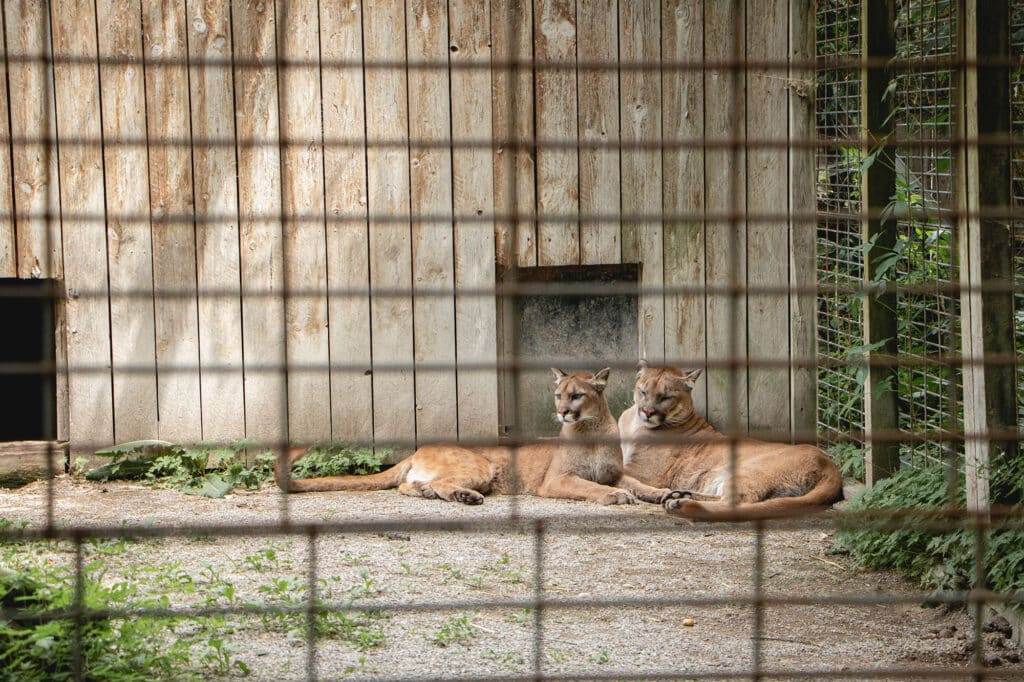
Over the years, zoos and captive animal entertainment have been a topic of debate and controversy. While they serve as popular attractions for people to learn about different species and get up close with animals they may never encounter in the wild, there are ethical concerns surrounding the confinement and exploitation of animals for human entertainment.
In this blog post, we will explore the various ethical considerations surrounding zoos and captive animal entertainment. We will discuss the arguments for and against keeping animals in captivity, the impact of confinement on animal welfare, and the potential alternatives and reforms that can be implemented to ensure a more ethical approach to wildlife conservation and education.
Promote ethical treatment of animals
One of the main focuses of the discussion surrounding zoos and captive animal entertainment is the promotion of ethical treatment of animals. It is crucial to ensure that animals in captivity are provided with a high standard of care and living conditions that mimic their natural habitats as closely as possible.
1. Encouraging conservation efforts: Zoos and captive animal entertainment should actively participate in conservation programs and contribute to the protection of endangered species. This can include breeding programs, habitat restoration, and education initiatives to raise awareness about the importance of preserving biodiversity.
2. Providing adequate living conditions: Animals in captivity should be given spacious and enriched enclosures that allow them to engage in natural behaviors. These enclosures should include appropriate shelter, access to clean water, proper nutrition, and opportunities for social interaction with conspecifics.
3. Implementing strict animal welfare standards: Zoos and captive animal entertainment establishments should adhere to strict animal welfare guidelines and regulations. This includes regular veterinary check-ups, proper nutrition, and the prevention of unnecessary stress or harm to the animals.
4. Educating the public: Zoos and captive animal entertainment can play a crucial role in educating the public about the importance of animal conservation and welfare. This can be done through informative displays, guided tours, and interactive programs that promote understanding and empathy towards animals.
5. Collaborating with research institutions: Zoos and captive animal entertainment establishments can collaborate with research institutions to conduct studies on animal behavior, health, and conservation. This research can contribute to improving the welfare of captive animals and informing conservation efforts in the wild.
By promoting ethical treatment of animals, zoos and captive animal entertainment establishments can serve as important platforms for conservation, education, and research. It is crucial for these institutions to prioritize the well-being and welfare of the animals under their care, ensuring that they lead fulfilling lives while also contributing to the preservation of their species and ecosystems.
Implement strict animal welfare regulations
Implementing strict animal welfare regulations is crucial in order to ensure the ethical treatment of animals in zoos and captive animal entertainment. These regulations should prioritize the physical and psychological well-being of the animals, aiming to provide them with a habitat that closely resembles their natural environment.
One important aspect of these regulations is the size and quality of enclosures. Animals should be provided with ample space to move around and engage in natural behaviors. Enclosures should also be designed to mimic the natural habitat of the animals as much as possible, including elements such as trees, rocks, and water features.
In addition, it is essential to provide animals with proper nutrition and healthcare. Zoos and captive animal entertainment facilities should have qualified veterinarians on staff to monitor the health of the animals and provide necessary medical treatment. Diets should be carefully planned to meet the nutritional needs of each species, taking into account their natural feeding habits.
Another important aspect of animal welfare regulations is the prevention of unnecessary stress and harm to the animals. This includes measures such as limiting visitor interaction to minimize disturbance, providing appropriate enrichment activities to keep animals mentally stimulated, and avoiding practices that may cause physical harm or distress.
Regular inspections and audits should be conducted to ensure compliance with these regulations. Independent organizations and authorities should be involved to guarantee transparency and accountability in the treatment of animals in zoos and captive animal entertainment facilities.
By implementing strict animal welfare regulations, we can work towards creating a more ethical and responsible approach to the keeping and exhibition of animals in zoos and captive animal entertainment. This will not only ensure the well-being of the animals but also educate the public about the importance of respecting and protecting wildlife.
Provide spacious and enriching habitats
When it comes to zoos and captive animal entertainment, one of the most important ethical considerations is the provision of spacious and enriching habitats for the animals. It is crucial to prioritize the well-being and quality of life of the animals in captivity.
In order to ensure that the animals have adequate space to roam and exhibit natural behaviors, zoos should prioritize the creation of large enclosures that mimic the animals’ natural habitats as closely as possible. This means providing enough space for animals to move around, explore, and engage in natural behaviors such as running, climbing, and swimming.
Additionally, it is important to provide environmental enrichment for the animals. This can include the addition of natural elements such as trees, rocks, and water features, as well as the provision of toys, puzzles, and other objects that encourage the animals to engage in mentally stimulating activities. Enrichment helps prevent boredom and allows animals to express their natural instincts and behaviors.
Furthermore, it is crucial for zoos and captive animal facilities to regularly assess and evaluate the adequacy of the habitats they provide. This involves monitoring the animals’ behavior, health, and overall well-being to ensure that their needs are being met. If any deficiencies or issues are identified, corrective measures should be taken promptly to improve the animals’ living conditions.
In conclusion, providing spacious and enriching habitats for animals in zoos and captive animal entertainment is an essential ethical responsibility. By prioritizing the well-being and quality of life of the animals, we can ensure that they are able to live in environments that are conducive to their natural behaviors and needs.
Offer educational programs on wildlife conservation
Offer educational programs on wildlife conservation
One of the key ethical considerations surrounding zoos and captive animal entertainment is their role in educating the public about wildlife conservation. Zoos have the unique opportunity to serve as educational institutions, offering programs that teach visitors about the importance of conserving and protecting endangered species.
These educational programs can take various forms, such as guided tours led by knowledgeable staff members, interactive exhibits that highlight conservation efforts, and informational sessions where experts share their knowledge and insights. By providing these educational opportunities, zoos can help raise awareness about the challenges facing wildlife and inspire visitors to take action to protect the natural world.
Furthermore, zoos can collaborate with conservation organizations and researchers to develop and deliver these educational programs. This partnership can ensure that the information provided is accurate, up-to-date, and aligned with the latest scientific research. By working together, zoos and conservation organizations can maximize their impact and create a more informed and engaged public.
It is important for zoos to prioritize the educational aspect of their operations and ensure that the information shared is unbiased and objective. This means presenting a balanced view of the challenges faced by captive animals and the ethical considerations surrounding their captivity. By providing visitors with a comprehensive understanding of the issues, zoos can empower them to make informed decisions and take meaningful action in support of wildlife conservation.
In conclusion, offering educational programs on wildlife conservation is a vital aspect of zoos and captive animal entertainment. By providing accurate and engaging information, zoos can play a crucial role in raising awareness and inspiring action to protect endangered species and their habitats.
Support research and conservation projects
Zoos and captive animal entertainment facilities play a crucial role in supporting research and conservation projects around the world. These institutions serve as important hubs for scientists and researchers to study and learn from captive animals, ultimately contributing to our understanding of their behavior, biology, and conservation needs.
By supporting research in zoos, we are able to gather valuable data and insights that can help inform conservation efforts in the wild. For example, studying captive animals can provide scientists with a better understanding of their natural habitats, social structures, and reproductive behaviors. This knowledge can then be applied to develop effective conservation strategies to protect wild populations and their ecosystems.
In addition to research, zoos also actively participate in conservation projects aimed at preserving endangered species. Many zoos have dedicated breeding programs for endangered animals, with the ultimate goal of reintroducing them into their natural habitats. These programs not only help ensure the survival of endangered species but also contribute to the overall biodiversity of our planet.
Furthermore, zoos often collaborate with local communities and conservation organizations to support initiatives such as habitat restoration, anti-poaching efforts, and public awareness campaigns. By raising awareness about the plight of endangered species and the importance of conservation, zoos can inspire visitors to take action and make a positive impact on the environment.
In conclusion, supporting research and conservation projects in zoos and captive animal entertainment facilities is essential for the preservation of wildlife and the ecosystems they inhabit. By visiting and contributing to these institutions, we can actively participate in efforts to protect and conserve endangered species, while also expanding our knowledge and understanding of the natural world.
Encourage responsible breeding programs
Responsible breeding programs play a crucial role in the ethics of zoos and captive animal entertainment. These programs ensure that animals in captivity are not taken from the wild, but rather bred in controlled environments. This helps to preserve the genetic diversity of endangered species and contributes to their long-term survival.
By encouraging responsible breeding programs, zoos and animal entertainment establishments can help prevent the exploitation of wild populations. Instead of capturing animals from their natural habitats, these institutions can focus on breeding animals in captivity to maintain healthy populations.
Furthermore, responsible breeding programs can also help to prevent inbreeding and genetic disorders among captive animals. By carefully selecting breeding pairs and implementing genetic diversity management plans, zoos can ensure the long-term health and well-being of the animals under their care.
It is important for zoos and captive animal entertainment establishments to be transparent about their breeding programs. They should provide information to the public about their breeding goals, methods, and success rates. This transparency helps to build trust and confidence among visitors, who can then support these institutions knowing that they are committed to responsible breeding practices.
Overall, responsible breeding programs are an essential component of ethical zoos and captive animal entertainment. They contribute to conservation efforts, prevent the exploitation of wild populations, and promote the long-term health and well-being of captive animals.
Advocate for the protection of endangered species
One of the key arguments in favor of zoos and captive animal entertainment is their role in advocating for the protection of endangered species. Zoos have the ability to raise awareness about the plight of these animals and educate the public about the importance of conservation efforts.
By showcasing rare and endangered species, zoos can capture the public’s attention and highlight the need for their protection. Through educational programs and exhibits, they can inform visitors about the threats these animals face in the wild, such as habitat loss, poaching, and climate change.
Moreover, zoos often participate in breeding programs to help boost the population of endangered species. These initiatives aim to reintroduce animals into their natural habitats and ensure their long-term survival. Through these efforts, zoos contribute to the preservation of biodiversity and the conservation of vulnerable species.
The educational impact of zoos
In addition to their role in conservation, zoos also have a significant educational impact. They provide an opportunity for people of all ages to learn about different species and ecosystems. Zoos often offer guided tours, educational programs, and interactive exhibits to engage visitors and provide them with a deeper understanding of the natural world.
Through these educational initiatives, zoos can inspire future generations to become passionate about wildlife conservation. By fostering a sense of connection and empathy towards animals, zoos can help cultivate a generation of environmentally conscious individuals who are committed to protecting the planet and its inhabitants.
The ethical considerations
Despite the positive aspects of zoos and captive animal entertainment, there are ethical considerations that need to be addressed. Critics argue that confining animals to small enclosures deprives them of their natural habitat and restricts their freedom of movement.
It is essential for zoos to prioritize the well-being of the animals in their care. This includes providing spacious and enriching environments that mimic their natural habitats as closely as possible. Zoos should also ensure that their animals receive proper veterinary care, a balanced diet, and opportunities for mental and physical stimulation.
Furthermore, transparency and accountability are crucial. Zoos should be transparent about their conservation efforts, breeding programs, and the conditions in which their animals are kept. Regular inspections and adherence to strict animal welfare standards are necessary to ensure the ethical treatment of captive animals.
In conclusion, while zoos and captive animal entertainment can play a vital role in advocating for the protection of endangered species and educating the public, it is crucial to address the ethical concerns associated with confining animals. By striking a balance between conservation efforts and animal welfare, we can work towards a more sustainable and ethical approach to zoos and captive animal entertainment.
Frequently Asked Questions
1. Are zoos ethical?
It is a controversial topic with varying opinions.
2. What is the purpose of zoos?
Zoos aim to educate, conserve and entertain.
3. Do zoos help in wildlife conservation?
Zoos play a role in conservation efforts, but their effectiveness is debated.
4. Do animals suffer in captivity?
Some argue that captivity can cause stress and harm to animals.