
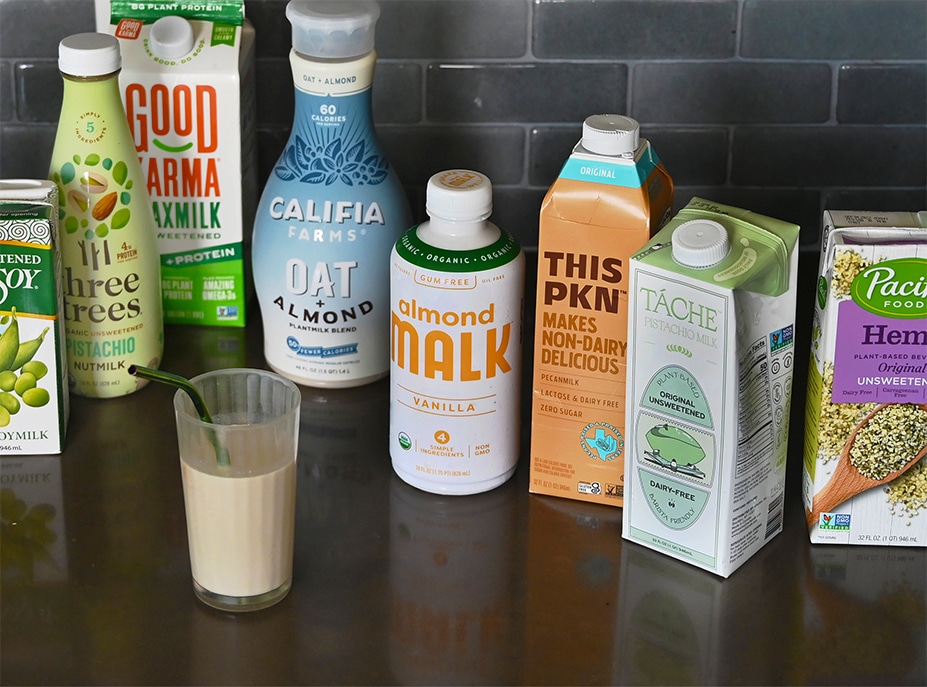
As more and more people choose to follow a vegan lifestyle, the demand for plant-based alternatives to traditional dairy products has skyrocketed. Whether it’s due to ethical reasons, health concerns, or environmental consciousness, individuals are seeking out dairy-free options that are just as delicious and versatile as their animal-based counterparts. Luckily, there are now numerous vegan alternatives available on the market that can satisfy cravings for cheese, milk, yogurt, and more.
In this blog post, we will explore some of the most popular vegan alternatives to traditional dairy products. We will discuss the various options available, their nutritional benefits, and how they can be used in a variety of recipes. Whether you’re a long-time vegan or simply looking to incorporate more plant-based options into your diet, this guide will help you navigate the world of dairy-free alternatives and discover new and exciting options for your favorite dishes.
Try plant-based milks like almond, soy, or oat
Plant-based milks have become increasingly popular as vegan alternatives to traditional dairy products. They offer a variety of flavors and textures that can be used in a wide range of recipes and beverages. Here are some popular options:
1. Almond Milk
Almond milk is made by blending almonds with water and then straining the mixture to remove any solids. It has a slightly nutty flavor and a creamy texture. Almond milk is a great option for baking, making smoothies, or simply enjoying on its own.
2. Soy Milk
Soy milk is made from soybeans that have been soaked, ground, and then boiled. It has a creamy texture and a slightly sweet taste. Soy milk is rich in protein and can be used in a variety of recipes, including coffee, tea, and baking.
3. Oat Milk
Oat milk is made by soaking oats in water, blending them, and then straining the mixture. It has a mild, slightly sweet flavor and a creamy consistency. Oat milk is a versatile option that can be used in coffee, tea, and smoothies.
When using plant-based milks as alternatives to dairy, it’s important to consider their nutritional profiles. Some plant-based milks are fortified with nutrients like calcium and vitamin D to mimic the nutritional content of dairy milk. However, others may be lower in protein and certain nutrients.
Experimenting with different plant-based milks can help you find the one that best suits your taste preferences and dietary needs. Whether you’re lactose intolerant, vegan, or simply looking to reduce your consumption of animal products, plant-based milks are a great option to consider.
Use coconut or cashew cream as a substitute for heavy cream
Coconut or cashew cream can be a great alternative to heavy cream in vegan recipes. These dairy-free options can provide a similar creamy consistency and rich flavor to your dishes. Here are some benefits and tips on how to use them:
Coconut Cream:
Coconut cream is made from the flesh of mature coconuts and has a thick, creamy texture. It is a versatile ingredient that can be used in both sweet and savory recipes. Here’s how you can use coconut cream as a substitute for heavy cream:
- Whipped Cream: Chill a can of coconut cream in the refrigerator overnight. Open the can and scoop out the solidified cream, leaving behind the liquid. Whip the cream with a mixer until it reaches a fluffy consistency. Use it as a topping for desserts or in recipes that call for whipped cream.
- Soups and Sauces: Add coconut cream to soups and sauces to give them a rich and creamy texture. It works particularly well in curries, creamy pasta sauces, and Thai-inspired dishes.
- Baking: Replace heavy cream with an equal amount of coconut cream in baking recipes. It will add moisture and richness to your cakes, muffins, and other baked goods.
Cashew Cream:
Cashew cream is made by blending soaked cashews with water until smooth and creamy. It has a mild flavor that works well as a substitute for heavy cream. Here’s how you can use cashew cream in your recipes:
- Alfredo Sauce: Cashew cream can be used as a base for a creamy vegan Alfredo sauce. Blend soaked cashews with garlic, nutritional yeast, lemon juice, and vegetable broth to create a flavorful sauce that can be used in pasta dishes.
- Dips and Dressings: Cashew cream can be used to make creamy dips and dressings. Blend it with herbs, spices, and other ingredients to create flavorful options for your salads, veggies, and snacks.
- Ice Cream: Cashew cream can also be used as a base for vegan ice cream. Blend it with frozen fruits, sweeteners, and flavorings of your choice, then freeze the mixture for a delicious dairy-free frozen treat.
Both coconut cream and cashew cream are versatile and delicious alternatives to heavy cream in vegan cooking. Experiment with these dairy-free options to create creamy and flavorful dishes without compromising your dietary preferences.
Opt for vegan cheese made from nuts or plant oils
Vegan cheese is a great alternative for those who follow a plant-based diet or have lactose intolerance. Made from nuts or plant oils, vegan cheese provides a similar texture and taste to traditional dairy cheese. Here are some popular options:
1. Cashew Cheese:
Cashew cheese is made from soaked and blended cashews mixed with nutritional yeast, lemon juice, and seasonings. It has a creamy and slightly tangy flavor, making it a versatile option for spreading on crackers or using in recipes.
2. Coconut Oil-based Cheese:
Cheeses made from coconut oil have a firm texture and a rich, buttery flavor. They can be sliced, grated, or melted, making them suitable for sandwiches, pizzas, or pasta dishes.
3. Almond Cheese:
Almond cheese is made from ground almonds mixed with spices, nutritional yeast, and lemon juice. It has a mild and slightly sweet taste, making it a great option for salads or as a topping for baked potatoes.
4. Soy-based Cheese:
Soy-based cheeses are another popular option, made from soy milk or tofu. They are available in various flavors and textures, including mozzarella, cheddar, and pepper jack.
When choosing vegan cheese, it’s essential to check the ingredient list for any potential allergens or additives. Additionally, keep in mind that the taste and texture of vegan cheese may differ from traditional dairy cheese, so it’s worth trying different brands and varieties to find your favorite.
Whether you’re vegan, lactose intolerant, or simply looking to reduce your dairy intake, vegan cheese provides a delicious and cruelty-free alternative to enjoy on sandwiches, pizzas, or any recipe that calls for cheese.
Replace butter with margarine or coconut oil
Butter is a common ingredient in many recipes, but if you’re looking for a vegan alternative, you can easily replace it with margarine or coconut oil. Margarine is made from vegetable oils and is typically dairy-free. Look for a brand that is specifically labeled as vegan to ensure it doesn’t contain any animal-derived ingredients.
Coconut oil is another great option for those who prefer a natural and plant-based alternative. It has a similar texture to butter and can be used in baking, cooking, or spreading on toast. Just keep in mind that coconut oil has a distinct flavor, so it may alter the taste of your dishes slightly.
Use nutritional yeast for a cheesy flavor
Nutritional yeast is a versatile ingredient that can be used as a vegan alternative for a cheesy flavor. It is a deactivated yeast that is rich in various nutrients, including B vitamins, protein, and fiber. Here are some ways you can incorporate nutritional yeast into your meals:
1. Vegan «Cheese» Sauce
Use nutritional yeast to make a creamy and cheesy sauce that can be used as a topping for pasta, nachos, or vegetables. Simply blend together nutritional yeast, plant-based milk, cashews, garlic, and spices until smooth and creamy. Heat the sauce on the stovetop until it thickens, and then pour it over your favorite dishes.
2. Vegan «Parmesan» Cheese
Sprinkle nutritional yeast on top of your pasta, salads, or roasted vegetables for a deliciously cheesy flavor. You can mix it with some garlic powder, salt, and ground nuts like cashews or almonds to create a vegan «Parmesan» cheese alternative.
3. Vegan «Cheesy» Popcorn
Toss freshly popped popcorn with melted vegan butter or olive oil and sprinkle nutritional yeast on top. Add some salt or other seasonings of your choice for a flavorful and healthier alternative to traditional cheesy popcorn.
4. Vegan «Cheese» Dressings
Blend nutritional yeast with plant-based yogurt or vegan mayonnaise to create a creamy and tangy dressing. Add some herbs, garlic, and lemon juice for extra flavor. This dressing can be used on salads, sandwiches, or as a dip for vegetables.
Remember, nutritional yeast is not the same as baking yeast or brewer’s yeast. Look for nutritional yeast flakes or powder in health food stores or online, and store it in a cool, dry place.
Make your own vegan yogurt using coconut milk
Yogurt is a beloved dairy product that many people enjoy as a snack, breakfast, or dessert. However, if you follow a vegan diet or have lactose intolerance, you may be looking for alternative options. Fortunately, you can easily make your own vegan yogurt using coconut milk.
Why coconut milk?
Coconut milk is a great base for vegan yogurt because it has a creamy texture and a mild, slightly sweet flavor. It also contains healthy fats and is naturally lactose-free. Plus, coconut milk is widely available in stores and can be easily found in both canned and carton forms.
What do you need?
To make your own vegan yogurt using coconut milk, you will need:
- 1 can of full-fat coconut milk
- 2 tablespoons of vegan yogurt starter or probiotic capsules
- A glass jar with a lid
- A thermometer
Instructions:
- Start by sterilizing your glass jar and lid by washing them with hot, soapy water and rinsing them thoroughly.
- Next, pour the can of coconut milk into a saucepan and heat it over medium heat until it reaches a temperature of 110°F (43°C). Stir occasionally to prevent scorching.
- Once the coconut milk reaches the desired temperature, remove it from the heat and let it cool to around 105°F (40°C).
- While the coconut milk is cooling, open the probiotic capsules and empty the contents into a small bowl. If you are using a vegan yogurt starter, follow the package instructions for the amount needed.
- When the coconut milk has cooled to the proper temperature, add the probiotic powder or vegan yogurt starter and whisk it gently to combine.
- Pour the mixture into the sterilized glass jar and cover it with the lid.
- Place the jar in a warm spot, such as an oven with the light turned on, and let it ferment for 12 to 24 hours. The longer it ferments, the tangier the yogurt will become.
- After the desired fermentation time, refrigerate the yogurt for at least 4 hours to allow it to set and thicken.
- Once chilled, your homemade vegan coconut milk yogurt is ready to be enjoyed! Serve it plain, with fruit, or use it as a substitute in your favorite yogurt-based recipes.
Note: Remember to save a small amount of your homemade vegan yogurt as a starter for your next batch!
Now that you know how to make your own vegan yogurt using coconut milk, you can enjoy this delicious and nutritious dairy-free alternative. Experiment with different flavors and toppings to create your perfect vegan yogurt experience!
Try tofu or tempeh as meat substitutes
When it comes to finding vegan alternatives to traditional dairy products, tofu and tempeh are great options to consider as meat substitutes.
Tofu
Tofu is a versatile ingredient made from soybeans, and it can be used in a variety of dishes as a meat replacement. It has a mild flavor that easily absorbs the flavors of the other ingredients in your recipe.
There are different types of tofu available, such as silken, soft, firm, and extra firm. The texture of these varies, with silken tofu being smooth and soft, while extra firm tofu has a denser texture that holds up well in stir-fries and grilling.
Some popular ways to use tofu include marinating and grilling it, adding it to stir-fries, blending it into creamy sauces, or even using it as a base for vegan desserts like puddings or cheesecakes.
Tempeh
Tempeh is another soy-based product that can be used as a meat alternative. It is made by fermenting whole soybeans, giving it a nutty and slightly earthy flavor.
Tempeh has a firm and chewy texture, which makes it a great option for dishes that require a meaty bite. It can be sliced, marinated, and grilled or baked, or crumbled and used as a ground meat substitute in recipes like tacos or chili.
One advantage of tempeh is its high protein content, making it a nutritious option for those following a vegan diet.
Remember, when using tofu or tempeh as meat substitutes, it’s important to season and flavor them well to enhance their taste and mimic the flavors of traditional meat dishes.
Whether you’re looking to reduce your consumption of animal products or simply exploring new culinary options, tofu and tempeh are delicious and versatile alternatives to traditional dairy products.
Frequently Asked Questions
What are some vegan alternatives to milk?
Some vegan alternatives to milk include almond milk, soy milk, and oat milk.
Are there vegan alternatives to cheese?
Yes, there are vegan alternatives to cheese such as cashew cheese, almond cheese, and nutritional yeast.
What can I use instead of butter in vegan baking?
Coconut oil, avocado, and mashed bananas can be used as alternatives to butter in vegan baking.
Are there vegan alternatives to yogurt?
Yes, there are vegan alternatives to yogurt such as coconut milk yogurt, almond milk yogurt, and soy milk yogurt.

