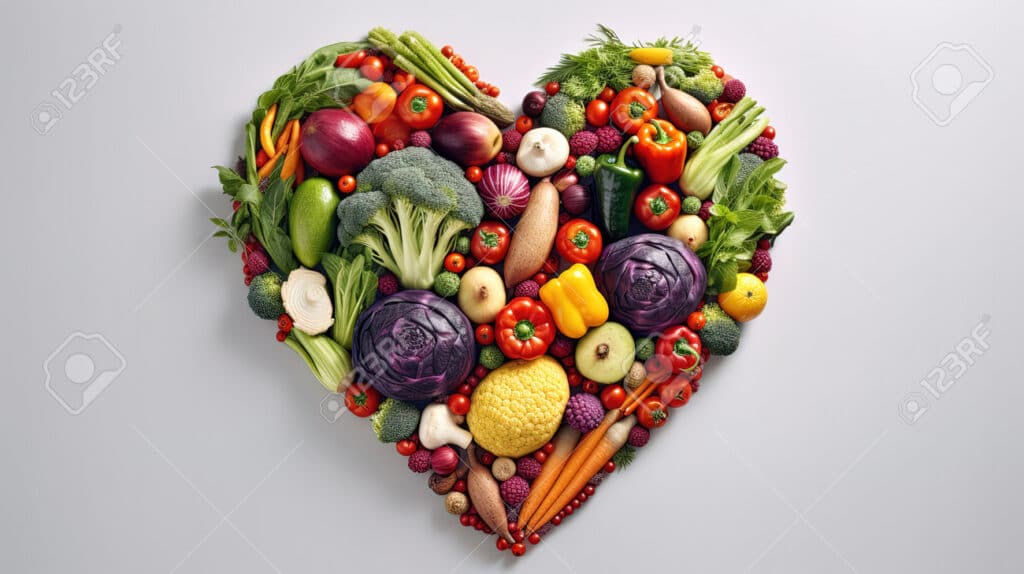
Heart disease is one of the leading causes of death worldwide, and it is often linked to lifestyle factors such as diet. While there is no one-size-fits-all solution, many studies suggest that adopting a vegan diet can have significant benefits for heart health.
In this blog post, we will explore the relationship between a vegan diet and heart disease risk, and discuss the potential mechanisms behind this association. We will also highlight some key nutrients that vegans should focus on to ensure a well-balanced and heart-healthy diet. Whether you are considering going vegan or simply interested in learning more about the impact of diet on heart health, this post will provide valuable insights and evidence-based information.
Yes, a vegan diet can help
Research has shown that adopting a vegan diet can indeed help in reducing the risk of heart disease. By eliminating animal products from your diet, you can improve various risk factors associated with heart disease and promote cardiovascular health.
Lower Cholesterol Levels
One of the main benefits of a vegan diet for heart health is its ability to lower cholesterol levels. Animal products, such as meat and dairy, are high in saturated fat and cholesterol, which can contribute to the development of plaque in the arteries. By avoiding these foods, vegans tend to have lower levels of total cholesterol, LDL cholesterol (often referred to as «bad» cholesterol), and triglycerides, all of which are risk factors for heart disease.
Reduced Blood Pressure
Following a vegan diet can also help in reducing blood pressure levels. Plant-based foods are naturally low in sodium and rich in potassium, fiber, and antioxidants, which can help lower blood pressure. Studies have shown that vegans generally have lower blood pressure levels compared to non-vegans, reducing their risk of developing hypertension and related heart problems.
Weight Management
Maintaining a healthy weight is crucial for heart health, and a vegan diet can be helpful in achieving and maintaining a healthy weight. Plant-based foods are generally lower in calories and higher in fiber, which can help you feel fuller for longer and reduce the risk of overeating. Additionally, a vegan diet promotes the consumption of whole, unprocessed foods, which are often associated with weight loss and improved metabolic health.
Improved Blood Sugar Control
A vegan diet can also contribute to better blood sugar control, which is important for reducing the risk of heart disease. Plant-based foods are typically low in refined sugars and high in complex carbohydrates, fiber, and antioxidants, which can help regulate blood sugar levels. Studies have shown that vegans tend to have lower fasting blood sugar levels and a reduced risk of developing type 2 diabetes, a condition that increases the risk of heart disease.
Conclusion
In conclusion, adopting a vegan diet can be beneficial for reducing the risk of heart disease. By eliminating animal products and focusing on whole, plant-based foods, you can lower cholesterol levels, reduce blood pressure, manage weight, and improve blood sugar control. However, it’s important to note that a well-planned vegan diet should include a variety of nutrient-dense foods to ensure adequate intake of essential nutrients, such as vitamin B12, iron, calcium, and omega-3 fatty acids.
Disclaimer: It’s always recommended to consult with a healthcare professional or registered dietitian before making any significant changes to your diet, especially if you have any pre-existing health conditions.
Plant-based foods promote heart health
A vegan diet can indeed help in reducing the risk of heart disease. By avoiding animal products and focusing on plant-based foods, individuals can improve their heart health and lower their risk of developing heart-related conditions.
Benefits of a vegan diet for heart health:
- Low in saturated fat: Animal products, such as meat and dairy, are high in saturated fat, which can increase cholesterol levels and contribute to heart disease. Vegan diets, on the other hand, are naturally low in saturated fat, reducing the risk of clogged arteries and heart problems.
- Rich in fiber: Plant-based foods, such as fruits, vegetables, whole grains, and legumes, are high in dietary fiber. Fiber helps lower cholesterol levels, regulate blood pressure, and improve overall heart health.
- Antioxidant-rich: Fruits, vegetables, nuts, and seeds are packed with antioxidants, which help reduce inflammation and oxidative stress in the body. This can protect the heart from damage and lower the risk of heart disease.
- Heart-healthy fats: While a vegan diet eliminates saturated fats, it includes heart-healthy fats from sources like avocados, nuts, and seeds. These fats, such as monounsaturated and polyunsaturated fats, can help lower LDL cholesterol levels and reduce the risk of heart disease.
- Lower blood pressure: Plant-based diets have been shown to lower blood pressure levels, which is essential for maintaining heart health. The high potassium, magnesium, and fiber content in plant-based foods contribute to this effect.
It’s important to note that simply following a vegan diet is not a guarantee of perfect heart health. Other lifestyle factors, such as regular exercise, stress management, and avoiding smoking and excessive alcohol consumption, also play a crucial role in reducing the risk of heart disease. Consulting with a healthcare professional or registered dietitian can provide personalized guidance and ensure a well-balanced vegan diet that meets all nutritional needs.
Remember, a vegan diet can be an excellent choice for heart health, but it’s essential to focus on a variety of nutrient-dense plant-based foods and maintain a healthy lifestyle overall.
It reduces cholesterol and inflammation
A vegan diet can indeed help in reducing the risk of heart disease. One of the main reasons for this is that it can help to reduce cholesterol levels and inflammation in the body.
Cholesterol Reduction
Animal products, such as meat, dairy, and eggs, are high in saturated and trans fats, which can raise cholesterol levels. By following a vegan diet, which eliminates these animal products, you can significantly reduce your intake of these unhealthy fats.
Additionally, plant-based foods are naturally low in cholesterol. They are also rich in fiber, which can help to reduce the absorption of dietary cholesterol in the body. This combination of factors can help to lower cholesterol levels and reduce the risk of heart disease.
Inflammation Reduction
Inflammation is a natural response of the body to injury or infection. However, chronic inflammation can contribute to the development of heart disease. Animal products have been found to promote inflammation in the body, while plant-based foods have been shown to have anti-inflammatory properties.
Plant-based foods are rich in antioxidants, which can help to reduce inflammation by neutralizing harmful free radicals in the body. They also contain phytochemicals, which have been shown to have anti-inflammatory effects. By following a vegan diet, you can help to reduce inflammation and lower the risk of heart disease.
In conclusion, a vegan diet can be an effective way to reduce the risk of heart disease. By eliminating animal products and focusing on plant-based foods, you can lower cholesterol levels and reduce inflammation in the body, both of which are important factors in maintaining heart health.
Focus on fruits and vegetables
When it comes to reducing the risk of heart disease, a vegan diet can be a great choice. One key aspect of this diet is the emphasis on consuming a variety of fruits and vegetables.
Fruits and vegetables are packed with essential nutrients and antioxidants that can help protect against heart disease. They are low in saturated fat and high in fiber, which can help lower cholesterol levels and maintain a healthy weight.
Benefits of fruits and vegetables:
- Nutrient-rich: Fruits and vegetables are rich in vitamins, minerals, and antioxidants that are beneficial for heart health. They provide important nutrients like vitamin C, vitamin E, potassium, and folate.
- High in fiber: Fiber helps to lower cholesterol levels by reducing the absorption of cholesterol from the digestive system. It also aids in maintaining a healthy weight and preventing obesity, which is a risk factor for heart disease.
- Low in saturated fat: Fruits and vegetables are naturally low in saturated fat, which is known to raise LDL cholesterol levels and increase the risk of heart disease.
- Antioxidant properties: Many fruits and vegetables are rich in antioxidants, which help to protect the heart from damage caused by harmful free radicals. Examples of antioxidant-rich fruits and vegetables include berries, spinach, kale, and broccoli.
To incorporate more fruits and vegetables into your vegan diet, try to include a variety of colors in your meals. Aim for at least five servings of fruits and vegetables per day. You can enjoy them fresh, steamed, roasted, or in smoothies.
Remember to always choose organic produce when possible to reduce exposure to pesticides. Additionally, try to include a mix of both raw and cooked fruits and vegetables to maximize their nutritional benefits.
In conclusion, focusing on fruits and vegetables is an important aspect of a vegan diet that can help reduce the risk of heart disease. By incorporating a wide variety of colorful fruits and vegetables into your meals, you can provide your body with the essential nutrients and antioxidants it needs to support heart health.
Include whole grains and legumes
A vegan diet can be beneficial in reducing the risk of heart disease, and one way to achieve this is by including whole grains and legumes in your meals.
Whole grains such as brown rice, quinoa, oats, and whole wheat bread are rich in fiber, which can help lower cholesterol levels and reduce the risk of heart disease. Legumes like lentils, chickpeas, and beans are also great sources of fiber and protein, making them an excellent addition to a vegan diet.
Additionally, whole grains and legumes are packed with nutrients such as vitamins, minerals, and antioxidants, which can further contribute to heart health. They can help regulate blood pressure, improve blood sugar control, and reduce inflammation, all of which are important factors in maintaining a healthy heart.
When incorporating whole grains and legumes into your vegan diet, it’s important to choose whole and minimally processed options. This means opting for whole grain bread instead of refined white bread and choosing whole grain pasta over regular pasta. For legumes, it’s best to go for dried or canned options without added salt or preservatives.
Here are some ideas to include whole grains and legumes in your meals:
1. Quinoa and black bean salad:
- Cook quinoa according to package instructions.
- Drain and rinse canned black beans.
- Combine cooked quinoa, black beans, diced vegetables (such as tomatoes, cucumbers, and bell peppers), and a dressing of your choice.
- Season with herbs and spices for added flavor.
2. Lentil curry with brown rice:
- Sauté onions, garlic, and spices in a pot.
- Add dried lentils and vegetable broth.
- Cook until lentils are tender.
- Serve with cooked brown rice and a side of steamed vegetables.
By incorporating these nutritious whole grains and legumes into your vegan diet, you can reduce the risk of heart disease and promote overall heart health.
Avoid processed and fried foods
When it comes to reducing the risk of heart disease, one of the key factors to consider is the type of food we consume. A vegan diet can indeed be beneficial in this regard, as it encourages the consumption of whole, plant-based foods that are rich in nutrients and low in unhealthy fats.
To effectively reduce the risk of heart disease, it is important to avoid processed and fried foods. These types of foods are typically high in trans fats, sodium, and added sugars, which can contribute to the development of heart disease. Instead, focus on consuming natural, unprocessed foods that are full of vitamins, minerals, and fiber.
Processed Foods to Avoid:
- Pre-packaged snacks
- Sugary cereals
- Soda and sugary drinks
- Fast food
- Frozen meals
- Canned soups and sauces
These foods often contain high levels of artificial ingredients, unhealthy fats, and excessive amounts of sodium, which can increase the risk of heart disease. It is important to read food labels and avoid products with long ingredient lists or those that contain ingredients that are difficult to pronounce.
Fried Foods to Avoid:
- French fries
- Deep-fried snacks
- Fried chicken
- Donuts
- Tempura
Fried foods are usually cooked in unhealthy oils that are high in saturated and trans fats. These fats can raise cholesterol levels and increase the risk of heart disease. Instead of frying, opt for healthier cooking methods such as baking, steaming, grilling, or sautéing using plant-based oils like olive oil.
Consult a healthcare professional for personalized advice
A vegan diet can indeed help in reducing the risk of heart disease. By eliminating animal products and focusing on plant-based foods, a vegan diet can provide numerous benefits for heart health.
Plant-based foods for heart health
Plant-based foods, such as fruits, vegetables, whole grains, legumes, nuts, and seeds, are rich in fiber, vitamins, minerals, and antioxidants. These nutrients have been shown to have a positive impact on heart health.
- Fruits and vegetables: These are packed with antioxidants that help reduce inflammation and oxidative stress, two contributors to heart disease.
- Whole grains: Whole grains like brown rice, quinoa, and whole wheat bread are high in fiber, which can help lower cholesterol levels and reduce the risk of heart disease.
- Legumes: Beans, lentils, and chickpeas are excellent sources of plant-based protein and contain little to no saturated fat, making them heart-healthy choices.
- Nuts and seeds: These are rich in heart-healthy fats, such as omega-3 fatty acids, which can help reduce the risk of heart disease.
Reducing cholesterol and blood pressure
A vegan diet can also help lower cholesterol levels and blood pressure, two significant risk factors for heart disease.
Animal products, especially those high in saturated fat, can raise cholesterol levels. By eliminating these foods from your diet, you can lower your cholesterol levels and reduce the risk of plaque buildup in your arteries.
Additionally, a vegan diet is typically lower in sodium, which can help lower blood pressure. High blood pressure puts strain on the heart and can lead to heart disease if left uncontrolled.
Other lifestyle factors
While a vegan diet can be beneficial for reducing the risk of heart disease, it’s important to remember that other lifestyle factors also play a role in heart health.
Regular physical activity, maintaining a healthy weight, managing stress levels, and avoiding smoking are all important for overall heart health.
Disclaimer: It’s important to consult a healthcare professional for personalized advice and to ensure that a vegan diet is suitable for your individual needs and health conditions.
Frequently Asked Questions
1. Can a vegan diet help in reducing the risk of heart disease?
Yes, a vegan diet can help reduce the risk of heart disease by lowering cholesterol levels and blood pressure.
2. Is it necessary to take supplements on a vegan diet?
It is recommended to supplement with vitamin B12 on a vegan diet, as it is not naturally found in plant-based foods.
3. Can a vegan diet provide enough protein?
Yes, a well-planned vegan diet can provide all the essential amino acids and meet protein needs.
4. Is it possible to get enough iron on a vegan diet?
A vegan diet can provide enough iron by including plant-based sources such as beans, lentils, tofu, and dark leafy greens.