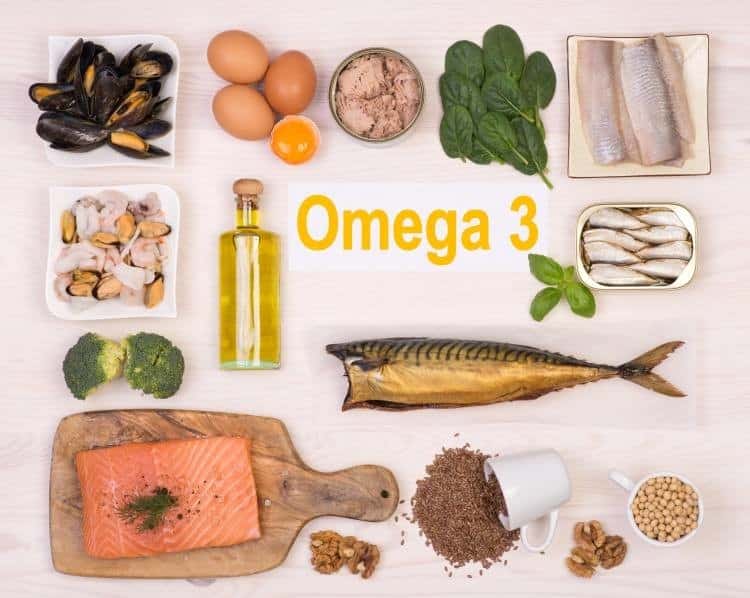
Omega-3 fatty acids are essential for our overall health and well-being. They play a crucial role in brain function, heart health, and reducing inflammation in the body. While fish and fish oil are commonly known as excellent sources of omega-3s, they are not suitable for vegans. So, how can vegans get omega 3? In this vegan guide to omega-3s, we will explore some plant-based sources that are rich in this essential nutrient.
Chia seeds
Chia seeds are tiny black seeds that are packed with omega-3 fatty acids. They are also a great source of fiber, protein, and antioxidants. Just one ounce (28 grams) of chia seeds contains approximately 4,915 mg of omega-3 fatty acids. That’s more than enough to meet your daily requirements!
There are many ways to incorporate chia seeds into your diet. You can sprinkle them on top of your morning oatmeal or yogurt, add them to smoothies, or use them as an egg substitute in baking recipes. Chia seeds have a mild, nutty flavor that pairs well with a variety of dishes.
Brussels sprouts
Brussels sprouts are not only delicious but also a fantastic source of omega-3 fatty acids. These mini cabbages are packed with nutrients and provide a wide range of health benefits. In addition to omega-3s, Brussels sprouts are rich in vitamins C and K, fiber, and antioxidants.
One cup (156 grams) of cooked Brussels sprouts contains approximately 135 mg of omega-3 fatty acids. While this may not be as high as some other sources, Brussels sprouts offer a variety of other nutrients that make them a valuable addition to a vegan diet.
Algal oil
Algal oil is derived from algae and is an excellent source of omega-3 fatty acids, specifically DHA (docosahexaenoic acid) and EPA (eicosapentaenoic acid). These are the same types of omega-3s found in fish oil. Algal oil is a popular choice for vegans who want to ensure they are getting enough omega-3s.
Algal oil is available in supplement form, making it easy to incorporate into your daily routine. It is important to choose a reputable brand that uses sustainable and high-quality sources of algal oil.
Hemp seeds
Hemp seeds are a nutritional powerhouse and an excellent source of omega-3 fatty acids. They are also rich in protein, fiber, and other essential nutrients. Just three tablespoons (30 grams) of hemp seeds contain approximately 3,000 mg of omega-3 fatty acids.
Hemp seeds have a mild, nutty flavor and can be sprinkled on top of salads, added to smoothies, or used in baking recipes. They can also be ground into a powder and used as a plant-based protein supplement.
Walnuts
Walnuts are not only delicious but also a great source of omega-3 fatty acids. They are also rich in antioxidants, fiber, and healthy fats. Just one ounce (28 grams) of walnuts contains approximately 2,542 mg of omega-3 fatty acids.
Walnuts can be enjoyed on their own as a snack or added to salads, oatmeal, or baked goods. They have a rich, buttery flavor that adds a delightful crunch to any dish.
Flaxseed
Flaxseed is one of the best plant-based sources of omega-3 fatty acids. They are also rich in fiber, protein, and lignans, which are beneficial plant compounds. Just one tablespoon (10 grams) of ground flaxseed contains approximately 1,597 mg of omega-3 fatty acids.
Flaxseed can be added to smoothies, sprinkled on top of yogurt or oatmeal, or used as an egg substitute in baking recipes. It is important to consume ground flaxseed as whole flaxseeds may pass through the digestive system undigested.
Perilla oil
Perilla oil is derived from the seeds of the Perilla frutescens plant and is commonly used in Asian cuisine. It is a rich source of omega-3 fatty acids, particularly ALA (alpha-linolenic acid). Perilla oil has a distinct flavor that adds a unique taste to dishes.
Perilla oil can be used in salad dressings, marinades, or drizzled over cooked vegetables. It is important to note that perilla oil should not be used for cooking at high temperatures as it has a low smoke point.
In conclusion, while fish and fish oil are not suitable for vegans, there are plenty of plant-based sources of omega-3 fatty acids. Incorporating chia seeds, Brussels sprouts, algal oil, hemp seeds, walnuts, flaxseed, and perilla oil into your diet can help ensure you are getting enough of this essential nutrient. Remember to consult with a healthcare professional or registered dietitian to determine your specific omega-3 needs and to ensure you are meeting them through your diet.