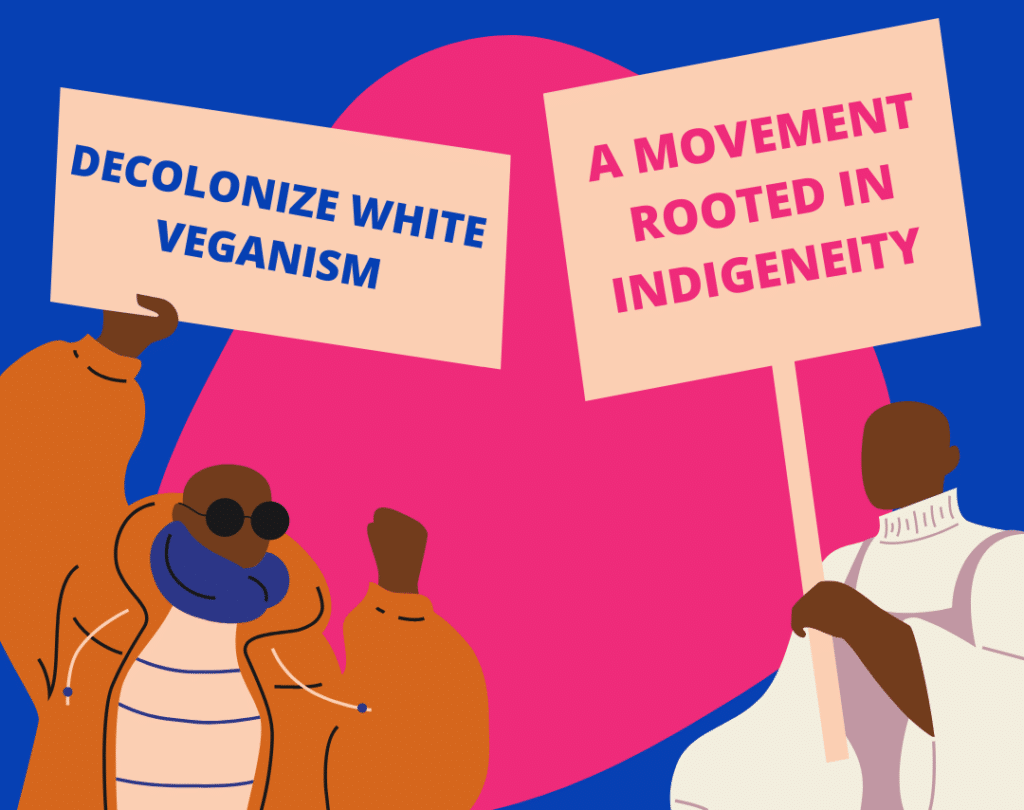
Veganism is a rapidly growing movement that has gained significant traction in recent years. It is often associated with animal rights and environmentalism, with many individuals choosing to adopt a vegan lifestyle to reduce their impact on the planet and to advocate for the ethical treatment of animals. However, despite its noble intentions, veganism has been criticized for promoting racism and perpetuating systems of oppression.
Veganism as a Growing Movement
Veganism has seen a surge in popularity in recent years, with more and more people choosing to adopt a plant-based diet and lifestyle. This growth can be attributed to various factors, including increased awareness of the environmental impact of animal agriculture, concerns about animal welfare, and a desire for improved personal health. However, as the vegan movement continues to expand, it is important to critically examine its impact on marginalized communities.
Veganism and Animal Rights
One of the primary motivations for adopting a vegan lifestyle is the belief in animal rights. Vegans argue that animals have the right to live free from harm and exploitation, and therefore, consuming animal products is morally wrong. While this perspective is commendable, it is essential to recognize that the animal rights movement has historically been dominated by white voices and perspectives.
Environmental Impact of the Meat and Dairy Industries
The meat and dairy industries have a significant environmental impact, contributing to air pollution, deforestation, and water scarcity. Animal agriculture is a leading cause of greenhouse gas emissions, with livestock production accounting for a substantial portion of global carbon dioxide emissions. By choosing to abstain from animal products, vegans aim to reduce their carbon footprint and mitigate the environmental damage caused by these industries.
Veganism as a White and Affluent Lifestyle
Despite its growing popularity, veganism is primarily recognized as a white and affluent lifestyle. This perception is reinforced by the media, which often portrays veganism as a trend embraced by celebrities and influencers. As a result, veganism is often associated with privilege and seen as inaccessible to marginalized communities.
Lack of Diversity and Representation in Veganism
One of the main criticisms of the vegan movement is its lack of diversity and representation. The voices and experiences of Black, Indigenous, and People of Color (BIPOC) are often overlooked and marginalized within the vegan community. This lack of representation perpetuates the notion that veganism is a white-centric movement and alienates BIPOC individuals who may be interested in adopting a vegan lifestyle.
BIPOC Advocacy for Environmental Justice and Veganism
Contrary to popular belief, BIPOC communities have been at the forefront of advocating for environmental justice and veganism. These communities are disproportionately affected by environmental issues, such as pollution and climate change, and have long recognized the interconnectedness of social justice and environmental sustainability. BIPOC activists and organizations have been working tirelessly to address these issues and promote veganism as a means of resistance and empowerment.
Disproportionate Impact of Climate Change on BIPOC
Climate change has a disproportionate impact on BIPOC communities. These communities are more likely to live in areas with higher levels of pollution, experience extreme weather events, and lack access to resources that can mitigate the effects of climate change. Veganism, with its focus on reducing greenhouse gas emissions and promoting sustainable practices, can play a crucial role in addressing these disparities and advocating for climate justice.
Veganism as Resistance for Marginalized Communities
For marginalized communities, veganism can be a form of resistance against systems of oppression. By rejecting the consumption of animal products, individuals can challenge the dominant narratives that perpetuate the exploitation of both animals and marginalized communities. Veganism can serve as a tool for empowerment and liberation, allowing individuals to reclaim their agency and challenge the status quo.
Challenges of Accessibility and Food Deserts
One of the challenges faced by marginalized communities in adopting a vegan lifestyle is the lack of accessibility to affordable and nutritious plant-based foods. Many low-income neighborhoods and Native reservations are considered food deserts, where access to fresh fruits, vegetables, and other plant-based alternatives is limited. This lack of accessibility further perpetuates the notion that veganism is a privilege reserved for the affluent.
Cultural Connection and Ancestral Values in Veganism
For many BIPOC individuals, veganism is not just a dietary choice but a way to connect with their cultural values and ancestral traditions. Many cultures have a long history of plant-based diets and a deep respect for animals and the environment. By embracing veganism, individuals can honor their cultural heritage and reclaim their traditional practices.
Cultural Colonialism and Imposition of Beliefs
However, the vegan movement is not without its flaws. White vegans often impose their beliefs and values on BIPOC cultures, leading to cultural colonialism. This imposition disregards the unique cultural practices and relationships that marginalized communities have with animals and the environment. It is essential to recognize and respect the diversity of perspectives within the vegan movement and avoid imposing a singular narrative.
Offensive Comparisons and Condemnation of Indigenous Practices
Another issue within the vegan movement is the offensive comparisons made between animal rights and civil rights or slavery. Such comparisons are harmful and dismissive of the unique struggles faced by Black communities. Additionally, white vegans often condemn hunting practices, including Indigenous American traditions, without understanding the cultural significance and sustainable practices associated with these traditions.
Indigenous Cultures and Respect for Animals and the Environment
Indigenous cultures have a deep respect for animals and the environment, rooted in their spiritual beliefs and traditional practices. Many Indigenous communities have sustainable hunting and fishing practices that prioritize the well-being of both animals and the ecosystem. It is crucial to recognize and respect these cultural practices and engage in meaningful dialogue that promotes understanding and collaboration.
Failure to Address Capitalism and Colonialism
One of the fundamental issues with the vegan movement is its failure to address the root causes of environmental degradation and animal exploitation, namely capitalism and colonialism. These systems perpetuate the exploitation of both humans and animals, and any meaningful solution must address these underlying structures. Veganism alone cannot dismantle these systems but must be part of a broader movement for social and environmental justice.
Support for «Green Capitalism» and Large Corporations
Another criticism of the vegan movement is its support for «green capitalism» and large corporations. Many vegan products are produced by multinational corporations that prioritize profit over ethics and sustainability. By supporting these companies, the vegan movement inadvertently perpetuates the same systems of exploitation it seeks to dismantle. It is essential to support local and sustainable alternatives that align with the principles of veganism and social justice.
Decolonization as a Prerequisite for Environmentalism
Decolonization is a prerequisite for any meaningful environmental and animal rights movement. By centering the voices and experiences of marginalized communities, we can challenge the dominant narratives and systems of oppression that perpetuate environmental degradation and animal exploitation. Decolonization requires us to recognize and dismantle the power structures that uphold white supremacy and prioritize the well-being of all beings.
Ancient Roots of Veganism in Dharmic Traditions
Veganism has ancient roots in Dharmic traditions, particularly Jainism and Buddhism. These traditions emphasize non-violence, compassion, and respect for all living beings. By acknowledging the non-white origins of veganism, we can challenge the dominant narrative that portrays veganism as a white-centric movement and recognize the diverse cultural practices that promote ethical and sustainable living.
Ignoring Non-White Origins of Veganism
Unfortunately, the white narrative dominates the perception of veganism, often erasing its non-white origins. By ignoring the contributions of BIPOC communities to the vegan movement, we perpetuate the marginalization and exclusion of these voices. It is crucial to acknowledge and celebrate the diversity of perspectives within the vegan movement and work towards a more inclusive and equitable future.
Prioritizing the Well-being of Marginalized Communities
In order to address the interconnectedness of veganism and racism, it is essential to prioritize the well-being of marginalized communities. This includes addressing issues of accessibility, representation, and cultural respect within the vegan movement. By centering the voices and experiences of BIPOC individuals, we can create a more inclusive and effective movement that challenges systems of oppression and promotes social and environmental justice.
Addressing the Interconnectedness of Veganism and Racism
Veganism and racism are interconnected issues that cannot be addressed in isolation. By recognizing the ways in which veganism can perpetuate racism and oppression, we can work towards a more inclusive and equitable movement. This requires us to challenge our own biases, listen to marginalized voices, and actively work towards dismantling the systems of oppression that perpetuate both animal exploitation and racial injustice.