There has been a growing interest in veganism and animal rights in recent years, as more and more people are becoming aware of the ethical and environmental impact of their food choices. Whether you are already a vegan or just curious about the lifestyle, reading books on the subject can provide valuable insights, inspiration, and guidance.
In this blog post, we will explore a selection of must-read books for those interested in veganism and animal rights. These books cover a wide range of topics, from the ethical considerations of animal agriculture to the health benefits of a plant-based diet. They also delve into the history of the animal rights movement and provide practical tips on how to transition to a vegan lifestyle. Whether you are looking for a comprehensive introduction to veganism or want to deepen your understanding of the issues at hand, these books are sure to offer valuable perspectives and information.
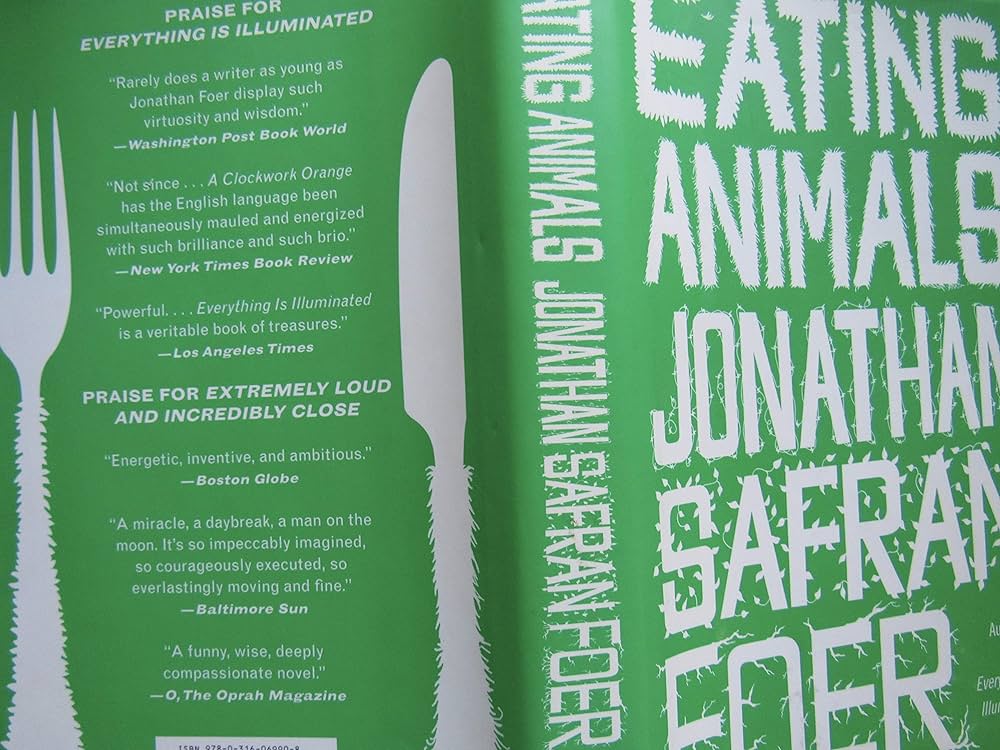
«Eating Animals» by Jonathan Safran Foer
«Eating Animals» by Jonathan Safran Foer is a thought-provoking and informative book that delves into the ethical and environmental implications of consuming animal products. In this book, Foer explores his own personal journey towards vegetarianism and provides an in-depth examination of factory farming and its effects on animals, the environment, and human health.
Through compelling storytelling and extensive research, Foer challenges readers to critically evaluate their own dietary choices and the impact they have on the world around them. He raises important questions about the ethics of eating animals, the conditions in which they are raised, and the consequences of our food choices on global sustainability.
In addition to exploring the moral and environmental aspects of veganism, «Eating Animals» also delves into the cultural and social aspects of food. Foer examines the role of food in our lives and the narratives that shape our understanding of what is considered acceptable to eat.
By sharing personal anecdotes, interviews with farmers, activists, and industry experts, Foer presents a well-rounded and comprehensive view of the complex issues surrounding animal agriculture and veganism. He challenges readers to consider the full scope of the impacts of their food choices and provides valuable insights into the potential for change.
Key Takeaways from «Eating Animals»
- Factory farming has significant ethical, environmental, and health implications.
- There are viable alternatives to consuming animal products that are more sustainable and compassionate.
- Food choices are deeply intertwined with cultural, social, and personal beliefs.
- Personal narratives and storytelling can be powerful tools for promoting awareness and change.
In conclusion, «Eating Animals» is a must-read for anyone interested in veganism and animal rights. It provides a well-researched and compelling exploration of the ethical, environmental, and social aspects of our food choices. This book challenges readers to reconsider their dietary habits and consider the impact they have on animals, the planet, and their own well-being.
«The World Peace Diet» by Will Tuttle
«The World Peace Diet» by Will Tuttle is a groundbreaking book that explores the connections between our food choices, spirituality, and the global impacts of our dietary habits. Tuttle argues that by adopting a vegan lifestyle, we can not only improve our own health but also contribute to the well-being of animals and the environment.
In this book, Tuttle delves deep into the ethical, environmental, and health implications of animal agriculture, offering a compelling case for why veganism is not just a personal choice but a necessary step towards creating a more compassionate and sustainable world.
Key Takeaways from «The World Peace Diet»
- Interconnectedness: Tuttle emphasizes the interconnectedness of all beings and highlights the importance of recognizing the inherent value and rights of animals.
- Cultural conditioning: The book explores how our cultural conditioning shapes our beliefs and behaviors towards animals, encouraging readers to question societal norms and make conscious choices.
- Health benefits: Tuttle discusses the numerous health benefits of a plant-based diet, including reduced risk of chronic diseases such as heart disease, diabetes, and certain types of cancer.
- Environmental impact: The author provides compelling evidence on how animal agriculture contributes to deforestation, climate change, water pollution, and other environmental issues, urging readers to consider the environmental consequences of their food choices.
- Spiritual growth: «The World Peace Diet» explores the spiritual aspects of veganism, highlighting the potential for personal growth, compassion, and empathy that comes with aligning our actions with our values.
Overall, «The World Peace Diet» is a thought-provoking and eye-opening book that challenges readers to reevaluate their relationship with food, animals, and the planet. It offers a compelling argument for adopting a vegan lifestyle and provides practical guidance for transitioning to a plant-based diet.
Whether you are already vegan or just starting to explore the topics of veganism and animal rights, «The World Peace Diet» is a must-read book that will inspire and empower you to make conscious choices that align with your values and contribute to a more compassionate world.
«Animal Liberation» by Peter Singer
«Animal Liberation» by Peter Singer is a seminal book in the realm of veganism and animal rights. In this thought-provoking work, Singer argues for the ethical treatment of animals and questions the morality of using animals for human purposes. He presents a compelling case for extending moral consideration to all sentient beings, challenging the prevalent belief that animals exist solely for human use and exploitation.
Key points:
- Singer introduces the concept of speciesism, which refers to the unjust discrimination against individuals based on their species.
- He explores various ethical theories, such as utilitarianism, and applies them to the treatment of animals.
- The book delves into the conditions in which animals are raised and slaughtered for food, highlighting the ethical implications of factory farming.
- Singer discusses the controversial topic of animal experimentation and the use of animals in scientific research.
- He also addresses the issue of animals used for entertainment purposes, such as circuses and zoos, and advocates for their liberation.
«Animal Liberation» is a comprehensive and thought-provoking book that challenges readers to reevaluate their attitudes towards animals and consider the ethical implications of their choices. It has been instrumental in shaping the animal rights movement and continues to inspire individuals to adopt a vegan lifestyle and advocate for animal welfare.»
«Veganomicon» by Isa Chandra Moskowitz
«Veganomicon» by Isa Chandra Moskowitz is a must-read book for anyone interested in veganism and animal rights. This comprehensive cookbook offers a wide range of delicious and satisfying plant-based recipes that will inspire and delight even the most skeptical of eaters.
With over 250 recipes covering everything from breakfast to dessert, «Veganomicon» is a treasure trove of culinary delights. Whether you’re a seasoned vegan or just starting out on your plant-based journey, this book has something for everyone.
Why «Veganomicon» is a must-read:
- Variety of recipes: From comforting classics like mac and cheese to adventurous dishes like tempeh moussaka, «Veganomicon» offers a diverse range of recipes to suit all tastes.
- Easy-to-follow instructions: The book provides clear and concise instructions, making it accessible to both beginner and experienced cooks.
- Ingredient substitutions: «Veganomicon» offers helpful tips for ingredient substitutions, making it easy to adapt recipes to suit dietary restrictions or personal preferences.
- Informative chapters: In addition to the recipes, the book includes informative chapters on essential cooking techniques, pantry staples, and tips for meal planning.
Whether you’re looking to expand your vegan recipe repertoire or simply want to learn more about the benefits of a plant-based lifestyle, «Veganomicon» is a valuable resource that belongs on every vegan’s bookshelf.
«Why We Love Dogs, Eat Pigs, and Wear Cows» by Melanie Joy
«Why We Love Dogs, Eat Pigs, and Wear Cows» by Melanie Joy is a thought-provoking book that explores the psychological and social mechanisms that allow us to love certain animals while consuming others. Dr. Melanie Joy, a psychologist and animal rights activist, coined the term «carnism» to describe the belief system that conditions us to eat certain animals.
In this book, Joy delves into the reasons behind our inconsistent behavior towards animals and provides valuable insights into the hidden ideologies that underpin our food choices. She examines the cultural, psychological, and social factors that perpetuate the consumption of some animals while considering others as companions or even family members.
By exposing the mechanisms that sustain carnism, Joy challenges readers to reflect on their own beliefs and question the societal norms that dictate our relationship with animals. She encourages readers to develop a more compassionate and conscious approach towards animals and offers guidance on how to navigate a vegan lifestyle.
Key Points:
- Carnism as a belief system that conditions us to eat certain animals.
- Cultural, psychological, and social factors that perpetuate carnism.
- Reflection on our own beliefs and societal norms regarding animals.
- Developing a compassionate and conscious approach towards animals.
- Guidance on transitioning to a vegan lifestyle.
«Why We Love Dogs, Eat Pigs, and Wear Cows» is a must-read for anyone interested in understanding the complex dynamics surrounding veganism, animal rights, and our relationship with animals. Joy’s insightful analysis challenges conventional thinking and inspires readers to make more ethical choices.
«The Sexual Politics of Meat» by Carol J. Adams
«The Sexual Politics of Meat» by Carol J. Adams is a groundbreaking book that explores the intersection of feminism, vegetarianism, and animal rights. In this powerful and thought-provoking work, Adams examines the ways in which the oppression of animals is connected to the oppression of women, and how both are rooted in systems of patriarchal power. Through a feminist lens, she exposes the ways in which meat consumption and the objectification of animals perpetuate gender inequality and violence.
Adams delves into the cultural and societal norms that contribute to the objectification of animals, drawing parallels between the treatment of animals and the objectification and devaluation of women. By challenging the dominant narratives surrounding meat consumption and animal exploitation, she encourages readers to critically examine their own beliefs and attitudes towards animals.
Key Points:
- Explores the intersection of feminism, vegetarianism, and animal rights
- Highlights the connection between the oppression of animals and the oppression of women
- Examines the role of patriarchal power in perpetuating animal exploitation
- Challenges societal norms and narratives surrounding meat consumption
- Encourages readers to critically examine their own beliefs and attitudes towards animals
Why you should read it:
This book is a must-read for anyone interested in the ethical implications of animal rights and veganism. It provides a unique perspective on the interconnectedness of different forms of oppression, shedding light on the ways in which we can work towards a more compassionate and just world for all beings. Adams’ writing is engaging and thought-provoking, making this book an essential addition to any reading list on veganism and animal rights.
«Sistah Vegan» edited by A. Breeze Harper
«Sistah Vegan» edited by A. Breeze Harper is a must-read book for anyone interested in veganism and animal rights. This groundbreaking anthology features essays and personal narratives from diverse women of color who are committed to both veganism and social justice. The book explores the intersections of race, gender, and veganism, shedding light on the unique experiences and perspectives of black women in the vegan movement.
The contributors in «Sistah Vegan» share their personal stories, struggles, and successes in adopting a vegan lifestyle while navigating issues of identity, culture, and community. Through their narratives, they challenge the mainstream vegan movement’s tendency to focus solely on animal welfare and environmental concerns, highlighting the importance of addressing racism, sexism, and other forms of oppression within the movement.
Key topics covered in «Sistah Vegan» include:
- Intersectionality: Exploring the interconnectedness of various forms of oppression and how they relate to veganism
- Awareness: Examining the ways in which race, gender, and class impact access to vegan food, resources, and information
- Identity: Navigating the complexities of being a person of color in predominantly white vegan spaces
- Community: Building inclusive and supportive networks within the vegan movement
- Empathy: Understanding the connections between animal liberation and social justice
In addition to thought-provoking essays, «Sistah Vegan» also includes recipes and practical tips for incorporating veganism into everyday life. This book serves as a powerful resource for individuals seeking to explore the intersection of veganism, race, and gender, and offers valuable insights into how we can create a more inclusive and compassionate world for all living beings.
Whether you are already vegan, considering a vegan lifestyle, or simply interested in learning more about the experiences of women of color in the vegan movement, «Sistah Vegan» is a must-read book that will challenge and inspire you.
Frequently Asked Questions
1. What is veganism?
Veganism is a lifestyle that avoids the use of animal products, including in diet, clothing, and other areas of life.
2. Why do people choose to become vegan?
People choose to become vegan for various reasons, including ethical concerns for animals, environmental sustainability, and health benefits.
3. Is it possible to get all necessary nutrients on a vegan diet?
Yes, a well-planned vegan diet can provide all necessary nutrients, including protein, iron, calcium, and vitamins, through plant-based sources.
4. Are there any health risks associated with a vegan diet?
When properly planned, a vegan diet can be nutritionally adequate and offer health benefits. However, it is important to ensure a variety of foods to meet nutrient needs.