
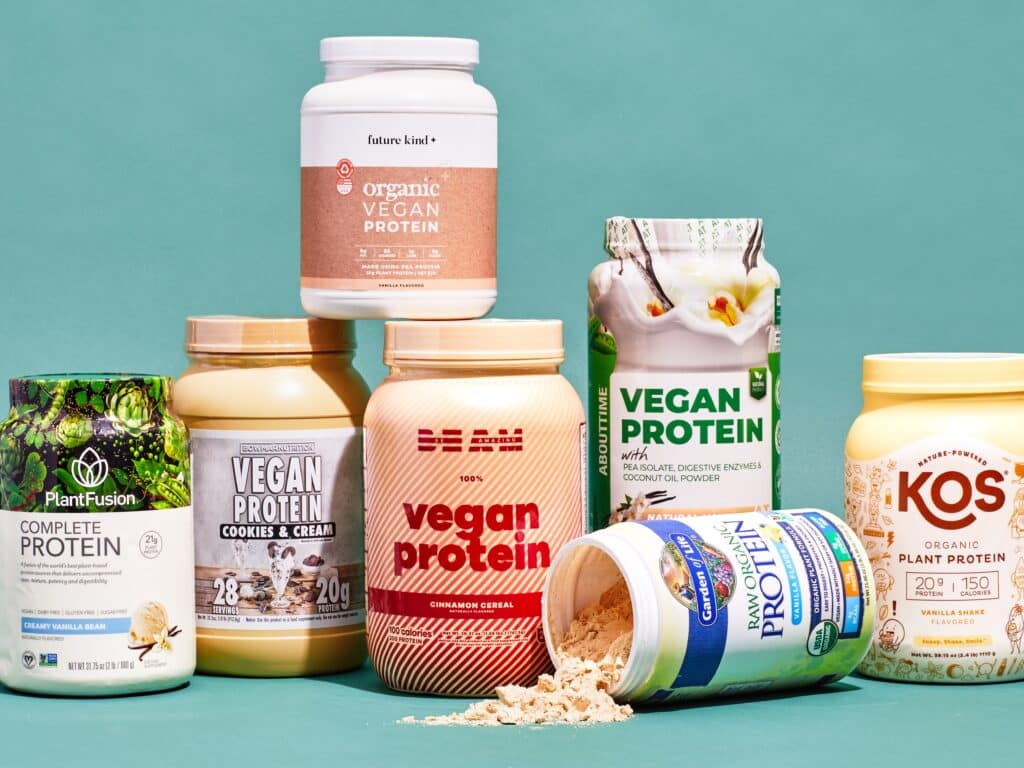
Protein is an essential macronutrient that plays a crucial role in the body. It is the building block for muscles, organs, hair, skin, nails, and other tissues. Without adequate protein intake, the body cannot function optimally. This raises the question: should vegans take protein powder to meet their protein needs?
Protein’s Role in Muscle Building and Repair
Protein is well-known for its role in muscle building and repair. When we engage in physical activity, especially resistance training, our muscles undergo stress and micro-tears. Protein helps to repair and rebuild these muscles, leading to muscle growth and strength.
For vegans who engage in regular exercise, ensuring an adequate protein intake is crucial for optimal muscle recovery and growth. While it is possible to meet protein needs through a well-planned plant-based diet, some individuals may find it challenging to consume enough protein solely from food sources.
Protein’s Role in Strengthening the Immune System
Protein also plays a vital role in strengthening the immune system. It helps to produce antibodies, enzymes, and other immune system components that protect the body against infections and diseases.
For vegans, who may have a higher risk of certain nutrient deficiencies, ensuring sufficient protein intake is essential for maintaining a strong immune system. Protein powders can be a convenient way to boost protein intake and support immune function.
Recommended Protein Intake
The recommended protein intake varies depending on factors such as age, sex, weight, and activity level. The standard recommendation for protein consumption is 0.8 grams per kilogram of body weight or 0.36 grams per pound of body weight.
However, for individuals who engage in moderate to intense physical activity, such as athletes or those who regularly exercise, the protein needs may be higher. It is generally recommended to consume about 0.5 to 1.0 grams of protein per pound of body weight for optimal muscle recovery and growth.
Meeting Protein Requirements on a Plant-Based Diet
Contrary to popular belief, meeting protein requirements on a plant-based diet is entirely possible. There are numerous plant-based sources of protein that can provide all the essential amino acids needed by the body.
Plant-based sources of protein include lentils, beans, legumes, soy products, nuts, seeds, and certain vegetables. By incorporating a variety of these foods into their diet, vegans can easily meet their protein needs without relying on protein powders.
Plant-Based Sources of Protein
Here are some examples of plant-based foods that are rich in protein:
- Lentils: 18 grams of protein per cooked cup
- Chickpeas: 15 grams of protein per cooked cup
- Black beans: 15 grams of protein per cooked cup
- Tofu: 20 grams of protein per 3.5 ounces
- Tempeh: 20 grams of protein per 3.5 ounces
- Quinoa: 8 grams of protein per cooked cup
- Almonds: 6 grams of protein per ounce
- Chia seeds: 4 grams of protein per ounce
- Spinach: 5 grams of protein per cooked cup
These are just a few examples, and there are many more plant-based foods that are excellent sources of protein.
Protein Powders as a Convenient Option
While it is possible to meet protein requirements on a plant-based diet without protein powder, some individuals may find it challenging to consume enough protein solely from food sources. This is where protein powders can be a convenient option.
Protein powders are typically made from plant-based sources such as peas, rice, hemp, or soy. They are highly concentrated sources of protein and can provide a quick and easy way to boost protein intake, especially for those with busy lifestyles or limited access to plant-based protein sources.
Protein Powders Should Supplement a Healthy Diet
It’s important to note that protein powders should be viewed as a supplement and not a replacement for a healthy diet. While they can be a convenient way to increase protein intake, they should not be relied upon as the sole source of nutrition.
Whole foods contain a wide range of nutrients, including vitamins, minerals, fiber, and antioxidants, that are essential for overall health and well-being. Protein powders, on the other hand, are highly processed and may lack these additional nutrients.
Therefore, it is recommended to prioritize whole, plant-based foods as the main source of protein and nutrients, and use protein powders as a supplement when needed.
Considerations When Buying Protein Powder
When buying protein powder, there are a few considerations to keep in mind:
- Look for protein powders that are specifically labeled as vegan or plant-based.
- Check the ingredient list to ensure that there are no animal-derived ingredients.
- Opt for protein powders that are minimally processed and free from artificial additives.
- Consider the taste and texture of the protein powder, as it can vary between brands and types.
- Look for third-party certifications, such as the Certified for Sport seal from NSF International, which ensures that the product has been tested for quality and safety.
It’s important to note that protein powders are not regulated by the FDA, so it’s essential to choose reputable brands that prioritize quality and transparency.
Getting Protein from Food is Ideal
While protein powders can be a helpful addition to a vegan diet, it is always ideal to get protein from whole, plant-based foods whenever possible. These foods not only provide protein but also a wide range of other nutrients that are essential for overall health.
By incorporating a variety of plant-based protein sources into meals and snacks, vegans can ensure that they are meeting their protein needs while also enjoying a diverse and nutritious diet.
Protein Powder as a Helpful Addition
In conclusion, should vegans take protein powder? While it is possible to meet protein requirements on a plant-based diet without protein powder, it can be a helpful addition for those who struggle to consume enough protein from food sources alone.
Protein powders can provide a convenient and concentrated source of protein, especially for individuals with higher protein needs or limited access to plant-based protein sources. However, it’s important to remember that protein powders should supplement a healthy diet and not replace whole, plant-based foods.
By prioritizing a variety of plant-based protein sources and incorporating protein powders when needed, vegans can easily meet their protein needs and enjoy the benefits of a well-rounded, plant-based diet.

