Animal testing has long been a controversial issue, especially when it comes to the beauty industry. While some argue that it is necessary for ensuring the safety of cosmetic products, others believe it is a cruel and unnecessary practice. The ethical implications of animal testing in the beauty industry have sparked heated debates and have led to increased scrutiny and demands for alternative testing methods.
In this blog post, we will delve into the ethical concerns surrounding animal testing in the beauty industry. We will explore the arguments made by both sides of the debate, examining the justifications for and against this practice. Additionally, we will discuss the current regulations and efforts being made to reduce or eliminate animal testing in the beauty industry. By shedding light on this complex issue, we hope to contribute to the ongoing dialogue and encourage more ethical and sustainable practices in the beauty industry.
Explore alternative testing methods
When it comes to the ethical implications of animal testing in the beauty industry, it is important to explore alternative testing methods that can replace or reduce the need for animal testing. These alternative methods are not only more humane but also more scientifically advanced and reliable.
In vitro testing
In vitro testing involves conducting experiments on cells, tissues, or organs in a controlled laboratory environment. This method allows scientists to study the effects of chemicals and substances on human cells, without the need for animal testing. In vitro testing can provide more accurate results that are specific to human physiology, making it a valuable alternative to animal testing.
Computer modeling
Computer modeling, also known as in silico testing, uses computer simulations to predict the biological effects of chemicals and substances. By inputting data on the properties of the chemical and its interaction with human cells, scientists can simulate the effects without the need for animal testing. Computer modeling is not only cost-effective but also allows for the testing of a larger number of substances in a shorter period of time.
Human-based clinical studies
Human-based clinical studies involve testing products directly on human volunteers under controlled conditions. This method provides the most accurate representation of how a product will interact with human skin or body, without the need for animal testing. Human-based clinical studies can include patch testing, where small amounts of the product are applied to the skin, or controlled ingestion studies, where volunteers consume the product in a controlled manner.
It is important for the beauty industry to invest in and prioritize the development and utilization of these alternative testing methods in order to minimize the ethical concerns associated with animal testing.
By embracing these alternatives, we can ensure that the beauty products we use are safe, effective, and cruelty-free. It is our collective responsibility to support brands that prioritize ethical practices and choose not to test on animals.
Support cruelty-free beauty brands
Supporting cruelty-free beauty brands is a crucial step towards ethical beauty practices. Animal testing in the beauty industry has raised numerous ethical concerns over the years, and by choosing to purchase products from brands that do not engage in animal testing, we can contribute to a more compassionate and ethical beauty industry.
Why choose cruelty-free beauty brands?
There are several reasons why choosing cruelty-free beauty brands is important:
- Animal welfare: Animal testing involves subjecting animals to harmful procedures and potentially causing them pain and suffering. By supporting cruelty-free brands, we can help promote the well-being of animals and prevent unnecessary harm.
- Alternative testing methods: Advances in technology have provided alternative methods for testing the safety and efficacy of beauty products without the need for animal testing. Many cruelty-free brands utilize these alternative methods, such as in vitro testing, computer modeling, and human volunteer studies.
- Consumer demand: By choosing cruelty-free brands, we are sending a message to the beauty industry that animal testing is not acceptable. Increasing consumer demand for ethical beauty products can encourage more brands to adopt cruelty-free practices and ultimately lead to a shift in industry standards.
How to identify cruelty-free beauty brands
Identifying cruelty-free beauty brands can sometimes be challenging. Here are some tips to help you:
- Look for certifications: Many cruelty-free brands obtain certifications from organizations such as Leaping Bunny or PETA’s Beauty Without Bunnies program. These certifications ensure that the brand does not test on animals.
- Check for animal testing policies: Visit the brand’s website or contact them directly to inquire about their animal testing policies. Look for clear statements that confirm they do not test on animals.
- Research parent companies: Some brands may claim to be cruelty-free, but their parent companies may engage in animal testing. Research the ownership and affiliations of the brand to ensure they align with your values.
By taking these steps and consciously choosing cruelty-free beauty brands, we can contribute to a more ethical and compassionate beauty industry. Together, we can make a difference and support a future where animal testing is no longer a part of the beauty industry.
Advocate for stricter regulations
As a concerned consumer and advocate for animal rights, I strongly believe that stricter regulations are necessary in the beauty industry to address the ethical implications of animal testing. The current practices in the industry not only raise serious moral concerns but also pose potential risks to the environment and human health.
First and foremost, it is crucial to recognize that animals used in cosmetic testing suffer immensely. They are subjected to painful procedures, such as skin irritation tests, eye irritation tests, and lethal dose tests, which often lead to their injury, illness, or death. This unnecessary cruelty is fundamentally unethical and goes against the principles of compassion and respect for all living beings.
Furthermore, the beauty industry’s reliance on animal testing has significant environmental consequences. The vast number of animals used in these experiments contributes to the depletion of natural resources, such as water and food, and increases the production of waste and pollutants. These practices are unsustainable and contribute to the degradation of our planet.
From a consumer perspective, it is essential to understand that animal testing does not guarantee product safety. Many alternative testing methods exist, such as in vitro testing using human cell cultures, computer modeling, and the use of existing ingredients with established safety records. These alternatives are not only more humane but also more accurate in predicting human reactions. By advocating for stricter regulations, we can encourage the beauty industry to invest in these alternative testing methods and prioritize the well-being of both humans and animals.
One possible solution is the implementation of a complete ban on animal testing in the beauty industry, similar to what has been done in the European Union. This would provide a clear and enforceable framework that ensures the development and availability of cruelty-free products. In addition, companies should be required to provide transparent information about their testing practices, allowing consumers to make informed choices and support brands that align with their values.
In conclusion, advocating for stricter regulations in the beauty industry is crucial to address the ethical implications of animal testing. By raising awareness, supporting cruelty-free brands, and urging policymakers to take action, we can contribute to a future where animal testing is no longer a part of the beauty industry’s practices.
Educate consumers about ethical choices
One of the key ethical implications of animal testing in the beauty industry is the lack of transparency and awareness among consumers. Many people are unaware of the testing methods used in the production of their favorite beauty products and the impact it has on animal welfare. As a blogger, it is important to educate consumers about the ethical choices they can make and the alternatives available.
Understanding animal testing in the beauty industry
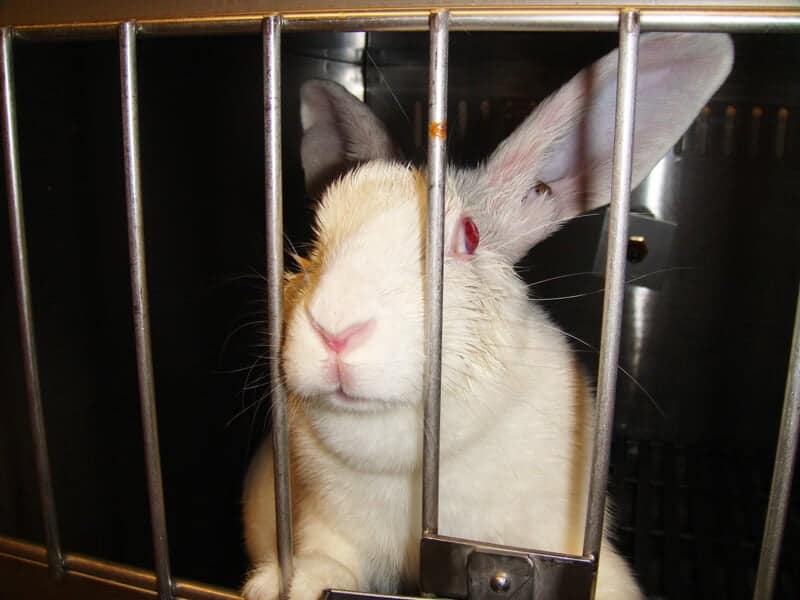
Animal testing in the beauty industry involves conducting experiments on animals to assess the safety and effectiveness of cosmetic products. This often includes testing for skin irritation, eye irritation, and toxicity levels. Animals such as rabbits, guinea pigs, and mice are commonly used for these tests. It is important to highlight that these animals are subjected to pain, distress, and even death during the testing process.
The ethical concerns
There are several ethical concerns associated with animal testing in the beauty industry:
- Animal welfare: Testing on animals involves subjecting them to unnecessary suffering and harm. Animals are confined to small cages, injected with substances, and exposed to potentially harmful chemicals. This raises questions about the ethical treatment of animals and their rights.
- Availability of alternatives: With advancements in technology, there are now alternative methods available for testing cosmetic products. These methods include in vitro testing, human tissue models, and computer simulation. By educating consumers about these alternatives, we can encourage them to choose products that are cruelty-free.
- Misleading marketing: Some companies may claim to be cruelty-free or use terms like «not tested on animals» without providing complete transparency about their testing methods. This can mislead consumers who are seeking to make ethical choices. It is important to encourage consumers to look for certifications such as the Leaping Bunny or PETA’s Beauty Without Bunnies to ensure the products they purchase are truly cruelty-free.
How consumers can make ethical choices
As consumers, we have the power to make ethical choices and support cruelty-free beauty brands. Here are some actions consumers can take:
- Read labels and do research: Look for products that are certified cruelty-free or have labels indicating they are not tested on animals. Take the time to research brands and their testing policies to ensure they align with your ethical values.
- Support cruelty-free brands: Choose to purchase from brands that are committed to cruelty-free practices. By supporting these brands, you are sending a message to the industry that animal testing is not acceptable.
- Spread awareness: Share your knowledge about the ethical implications of animal testing in the beauty industry with friends, family, and on social media. Encourage others to make informed choices and support cruelty-free brands.
By educating consumers about the ethical choices they can make, we can create a demand for cruelty-free beauty products and ultimately push the industry towards more ethical practices. Together, we can make a difference in the lives of animals and promote a more compassionate beauty industry.
Promote transparency in product labeling
One of the key ethical implications of animal testing in the beauty industry is the lack of transparency in product labeling. Many consumers are unaware of the fact that their favorite skincare or makeup products have been tested on animals.
This lack of transparency not only misleads consumers but also denies them the opportunity to make informed choices about the products they purchase. Therefore, it is crucial to promote transparency in product labeling to address this ethical issue.
One way to promote transparency is by requiring beauty companies to clearly state on their product labels whether or not the product has been tested on animals. This information should be easily visible and easily understandable for consumers.
Additionally, it is essential that the labels provide detailed information about the specific tests conducted on animals, the number of animals involved, and the conditions in which they were tested. This will allow consumers to make more informed decisions and support companies that align with their ethical values.
Moreover, it is important to encourage third-party certifications and seals of approval that indicate whether a product is cruelty-free or not. These certifications can be granted by organizations such as PETA or Leaping Bunny, which have strict criteria for cruelty-free products.
By promoting transparency in product labeling, consumers will have the necessary information to make ethical choices and support beauty brands that prioritize animal welfare.
Encourage funding for non-animal research
One of the key ways to address the ethical implications of animal testing in the beauty industry is to encourage funding for non-animal research. By allocating resources to alternative methods that do not involve animal testing, we can promote the development and use of more ethical and reliable testing methods.
Non-animal research methods, such as in vitro testing, computational modeling, and human volunteers, have shown promising results in predicting the safety and efficacy of cosmetic products. These methods can provide more accurate and relevant data without causing harm to animals.
By supporting and funding non-animal research, we can create a shift in the beauty industry towards more ethical practices. This investment can help develop innovative technologies and approaches that prioritize human health and safety while reducing the dependence on animal testing.
1. Encourage collaboration: Facilitating collaboration between scientists, researchers, and industry professionals can foster the sharing of knowledge and resources. This collaboration can lead to the development of new non-animal testing methods and the refinement of existing alternatives.
2. Increase research funding: Governments, regulatory agencies, and organizations should allocate more funding towards non-animal research. This financial support will enable scientists to explore and validate alternative testing methods, ultimately reducing the need for animal testing in the beauty industry.
3. Promote regulatory acceptance: Encouraging regulatory bodies to accept and recognize non-animal testing methods as valid alternatives is crucial. This recognition will foster the widespread adoption of alternative methods by cosmetic companies, making them a standard practice in the industry.
4. Educate consumers: Raising awareness among consumers about the ethical implications of animal testing can influence their purchasing decisions. By choosing cruelty-free and vegan-certified products, consumers can support companies that prioritize ethical testing methods and contribute to the demand for non-animal research.
5. Advocate for policy changes: Engaging in advocacy and lobbying efforts can bring about policy changes that require the use of non-animal testing methods in the beauty industry. By working together, we can influence legislation and regulations to prioritize the ethical treatment of animals and promote the use of alternative testing methods.
By implementing these strategies, we can encourage funding for non-animal research and drive the beauty industry towards more ethical practices. Together, we can create a future where animals are not harmed for the sake of beauty.
Engage in ethical consumer activism
When it comes to the beauty industry, one of the most controversial topics is animal testing. The ethical implications of this practice have sparked heated debates among consumers, activists, and industry professionals.
Animal testing involves subjecting animals to various tests and experiments in order to assess the safety and efficacy of cosmetic products. While it has been a common practice for many years, it has also faced widespread criticism due to the moral concerns it raises.
The arguments against animal testing in the beauty industry
Those who oppose animal testing argue that it is unethical to subject animals to unnecessary suffering for the sake of human vanity. They believe that animals have rights and should not be used as mere tools for testing cosmetic products.
Furthermore, opponents argue that animal testing is not always reliable or accurate in predicting human reactions. Many tests conducted on animals may produce different results in humans, leading to questionable scientific validity.
Additionally, there is a growing awareness of alternative testing methods that do not involve animals. These methods, such as in vitro testing and computer modeling, are considered more humane and scientifically advanced.
How to engage in ethical consumer activism
If you are concerned about the ethical implications of animal testing in the beauty industry, there are several actions you can take as a consumer:
- Read labels and do your research: Look for beauty products that are labeled as «cruelty-free» or «not tested on animals.» Do thorough research to ensure that the brand you are supporting aligns with your ethical values.
- Support cruelty-free brands: Choose to purchase from companies that have committed to not testing their products on animals. By supporting these brands, you are sending a message to the industry that ethical practices are important to consumers.
- Spread awareness: Share information about the ethical implications of animal testing in the beauty industry with your friends, family, and social media followers. Encourage others to make informed choices and support cruelty-free brands.
- Support legislation: Stay informed about proposed legislation related to animal testing in the beauty industry. Support efforts to ban or minimize animal testing by contacting your local representatives and signing petitions.
By engaging in ethical consumer activism, you can contribute to the movement towards a more compassionate and cruelty-free beauty industry. Your choices as a consumer have the power to make a difference and create positive change.
Frequently Asked Questions
1. What is animal testing in the beauty industry?
Animal testing in the beauty industry refers to the practice of using animals to test the safety and efficacy of cosmetic products.
2. Why is animal testing controversial?
Animal testing is controversial due to ethical concerns regarding the treatment of animals and the availability of alternative testing methods.
3. Are there alternatives to animal testing in the beauty industry?
Yes, there are alternative testing methods such as in vitro testing, computer models, and human volunteer studies.
4. What is the impact of animal testing on animals?
Animal testing can result in harm, suffering, and death for the animals involved in the experiments.