As veganism continues to gain popularity and more people adopt a plant-based lifestyle, there are still many misconceptions and myths surrounding this dietary choice. Some people believe that a vegan diet lacks essential nutrients, is expensive, or lacks flavor. In this blog post, we will debunk these common myths and provide evidence-based information to help you make informed decisions about your dietary choices.
Myth 1: Vegan diets are nutritionally deficient
One of the most common misconceptions about veganism is that it is difficult to get all the necessary nutrients on a plant-based diet. However, with proper planning and a varied diet, it is entirely possible to meet all your nutritional needs as a vegan. Plant-based foods are rich in vitamins, minerals, and antioxidants, and can provide all the essential nutrients your body needs. We will explore the different sources of key nutrients, such as protein, iron, calcium, and omega-3 fatty acids, to show that a well-planned vegan diet can be nutritionally balanced.
Plant-based diets provide complete nutrition
Plant-based diets have long been criticized for not providing complete nutrition. However, this is a common misconception that needs to be debunked. It is absolutely possible to obtain all the necessary nutrients from a well-planned plant-based diet.
Protein
One of the biggest concerns when it comes to plant-based diets is protein intake. Contrary to popular belief, there are plenty of plant-based sources of protein that can meet your daily requirements. Foods such as tofu, tempeh, lentils, chickpeas, quinoa, and hemp seeds are all excellent sources of protein.
Calcium
Another myth is that plant-based diets lack calcium, which is crucial for strong bones and teeth. However, there are plenty of plant-based sources of calcium available. Foods such as kale, broccoli, bok choy, almonds, and fortified plant-based milk alternatives are all rich in calcium.
Iron
Iron deficiency is often associated with a plant-based diet, but there are also many plant-based sources of iron. Foods like spinach, lentils, tofu, quinoa, and chia seeds are all great sources of iron. Pairing iron-rich foods with vitamin C-rich foods can also enhance iron absorption.
Vitamin B12
Vitamin B12 is commonly found in animal products, leading to the belief that plant-based diets lack this essential nutrient. However, fortified plant-based milk alternatives, breakfast cereals, and nutritional yeast are all good sources of vitamin B12 for those following a plant-based diet.
It’s important to note that while plant-based diets can provide complete nutrition, it is crucial to plan meals carefully and ensure a variety of foods are included to meet all nutrient needs. Consulting with a registered dietitian or nutritionist can also be helpful in ensuring proper nutrient intake.
In conclusion, the myth that plant-based diets do not provide complete nutrition is unfounded. By including a wide range of plant-based foods, it is possible to obtain all the necessary nutrients for a healthy and balanced diet.
Vegan food can be delicious
One of the most common myths about veganism is that vegan food is bland and tasteless. However, this couldn’t be further from the truth!
Exploring Flavorful Vegan Cuisine
Veganism offers a wide range of delicious and flavorful dishes that can satisfy any palate. From hearty plant-based burgers to mouthwatering vegan desserts, there is no shortage of tasty options to choose from.
Plant-Based Ingredients That Pack a Punch
Vegan chefs and food enthusiasts have mastered the art of using plant-based ingredients to create incredible flavors. By harnessing the natural goodness of fruits, vegetables, grains, legumes, nuts, and seeds, they are able to create dishes that are not only nutritious but also bursting with taste.
Spices and Herbs to Elevate Your Vegan Dishes
Another way to enhance the flavors of vegan food is by using a variety of spices and herbs. From aromatic spices like cumin and turmeric to fragrant herbs like basil and cilantro, these ingredients can take your vegan dishes to a whole new level.
Exploring Global Vegan Cuisine
Veganism is a global movement, and as a result, vegan cuisine has been influenced by culinary traditions from all around the world. Whether you’re craving Mexican tacos, Indian curries, or Mediterranean mezze, you can find vegan versions of these dishes that are just as delicious as their non-vegan counterparts.
So, if you’re still skeptical about vegan food being delicious, it’s time to give it a try and discover the incredible flavors that await you!
Animal agriculture contributes to climate change
It is a common misconception that animal agriculture is a major contributor to climate change. However, this claim is not entirely accurate.
While it is true that certain aspects of animal agriculture can have environmental impacts, such as deforestation for pastureland or methane emissions from livestock, it is important to consider the full picture.
Deforestation:
One of the arguments often made is that animal agriculture leads to deforestation, particularly in the Amazon rainforest. While it is true that some deforestation occurs for livestock production, it is not the sole driver. In fact, the majority of deforestation in the Amazon is due to other factors such as logging and land conversion for crop production.
Methane emissions:
Another claim is that animal agriculture is a significant source of methane emissions, a potent greenhouse gas. While livestock do produce methane through enteric fermentation (digestion), it is important to note that methane is a short-lived gas that breaks down within a decade. In contrast, carbon dioxide (CO2) emissions from burning fossil fuels can remain in the atmosphere for centuries.
Furthermore, it is worth mentioning that not all livestock contribute equally to methane emissions. Ruminant animals like cows and sheep produce more methane compared to monogastric animals like pigs and chickens. Additionally, advancements in livestock management and feed additives can help reduce methane emissions from animal agriculture.
Conclusion:
While it is important to address the environmental impacts of animal agriculture, it is essential to have accurate information and avoid oversimplifications. Animal agriculture is a complex industry with varying practices and impacts. It is crucial to consider sustainable farming practices, such as regenerative agriculture and improved resource management, rather than demonizing the entire industry.
Plant-based protein sources are plentiful
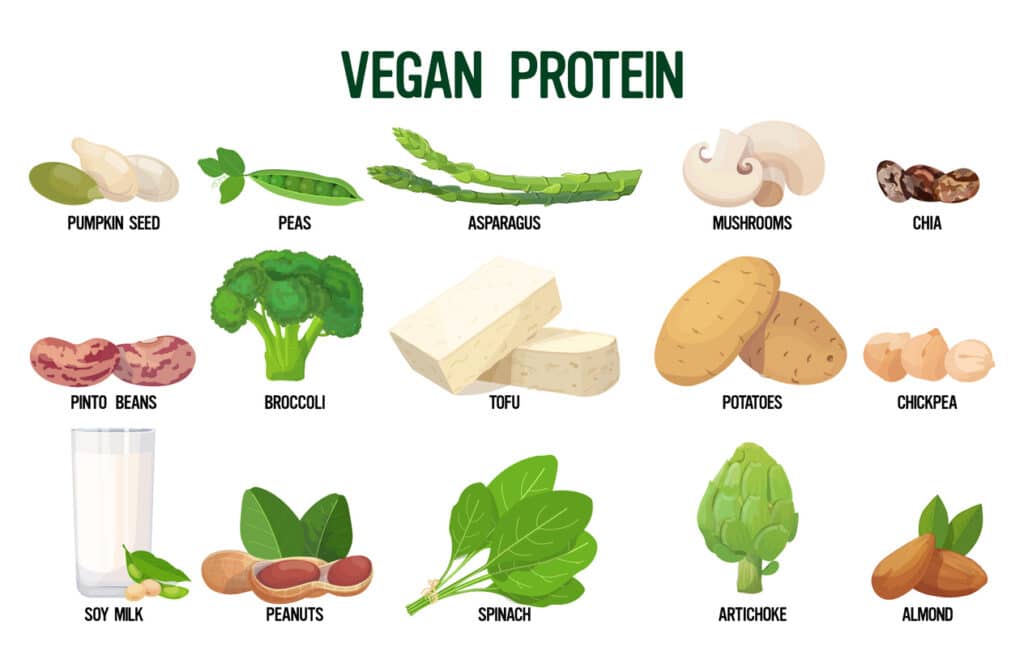
There is a common misconception that it is difficult for vegans to meet their protein needs because they are not consuming animal products. However, this is far from the truth. Plant-based protein sources are actually quite plentiful and can easily provide all the essential amino acids that our bodies need.
Here are some examples of plant-based protein sources:
- Legumes: Beans, lentils, chickpeas, and peas are all excellent sources of protein. They are also high in fiber, vitamins, and minerals.
- Tofu and tempeh: These soy-based products are not only rich in protein but also contain other beneficial nutrients like iron, calcium, and omega-3 fatty acids.
- Nuts and seeds: Almonds, walnuts, chia seeds, flaxseeds, and hemp seeds are all packed with protein and healthy fats.
- Quinoa: This grain-like seed is a complete protein, meaning it contains all nine essential amino acids. It is also a good source of fiber and other nutrients.
- Seitan: Also known as wheat meat, seitan is made from gluten and has a high protein content. It is commonly used as a meat substitute in vegan dishes.
By incorporating these plant-based protein sources into your diet, you can easily meet your protein requirements as a vegan. It is important to note that variety is key to ensure you are getting all the essential amino acids. Mixing different protein sources throughout the day can help you achieve this.
So, don’t let the myth about plant-based protein sources being scarce discourage you from adopting a vegan lifestyle. With a little planning and knowledge, you can easily obtain all the protein your body needs while enjoying a delicious and nutritious plant-based diet.
Veganism can improve cardiovascular health
There are several myths surrounding the impact of veganism on cardiovascular health. Let’s debunk these misconceptions and shed light on the actual benefits.
Myth 1: Vegan diets lack essential nutrients for heart health
This is a common misconception. A well-planned vegan diet can provide all the necessary nutrients for a healthy heart. Plant-based foods like fruits, vegetables, whole grains, legumes, and nuts are rich in vitamins, minerals, and antioxidants that support cardiovascular health.
Myth 2: Vegans don’t get enough protein for a healthy heart
Contrary to popular belief, it is possible to meet protein requirements on a vegan diet. Plant-based sources such as lentils, beans, tofu, tempeh, and seitan are excellent sources of protein. Incorporating a variety of these foods can easily provide the recommended protein intake for a healthy heart.
Myth 3: Vegan diets are high in carbohydrates, leading to heart issues
While vegan diets can include carbohydrates, it’s important to note that not all carbs are created equal. Whole grains, fruits, and vegetables are complex carbohydrates that provide essential nutrients and fiber, which can actually help lower the risk of heart disease.
Myth 4: Vegans lack omega-3 fatty acids, essential for heart health
Although omega-3 fatty acids are commonly associated with fish, they can also be obtained from plant-based sources. Foods like flaxseeds, chia seeds, walnuts, and hemp seeds are rich in omega-3 fatty acids and can be included in a vegan diet to support heart health.
Myth 5: Vegan diets are not sustainable for long-term heart health
Studies have shown that well-planned vegan diets can provide long-term benefits for heart health. By incorporating a variety of plant-based foods, individuals can meet their nutritional needs while reducing the risk of cardiovascular diseases.
It’s important to note that any diet, including a vegan one, should be well-balanced and include a variety of foods to ensure optimal heart health. Consulting with a registered dietitian can help design a personalized vegan meal plan that meets individual needs and supports cardiovascular health.
Vegan options are becoming more accessible
As the demand for vegan options continues to grow, more and more restaurants, cafes, and grocery stores are catering to the needs of vegan individuals. This accessibility is not limited to big cities or trendy neighborhoods anymore; vegan options can be found in various locations, making it easier than ever to follow a vegan lifestyle.
1. «Vegan food is boring and tasteless.»
This is a common misconception that couldn’t be further from the truth. Vegan cuisine has come a long way in recent years, with chefs and food enthusiasts getting creative with plant-based ingredients. From flavorful curries and spicy stir-fries to mouthwatering burgers and decadent desserts, there is a wide variety of delicious vegan dishes to explore.
2. «Vegan diets lack essential nutrients.»
Contrary to popular belief, it is entirely possible to meet all your nutritional needs on a vegan diet. With proper planning and a balanced approach, a vegan diet can provide all the necessary nutrients, including protein, iron, calcium, and omega-3 fatty acids. Plant-based sources such as legumes, tofu, nuts, seeds, and leafy greens can easily fulfill these requirements.
3. «Vegans don’t get enough protein.»
This is one of the most common myths surrounding veganism. While animal products are often associated with protein, there are plenty of plant-based sources that are rich in protein. Foods like lentils, quinoa, chickpeas, tempeh, and seitan are excellent sources of protein that can easily meet the recommended daily intake.
4. «Vegan diets are expensive.»
While it’s true that some vegan specialty products can be a bit pricey, a vegan diet can actually be quite affordable. Staples such as rice, beans, pasta, fruits, vegetables, and whole grains are budget-friendly and widely available. By focusing on whole, unprocessed foods, you can maintain a healthy vegan diet without breaking the bank.
5. «Vegans don’t get enough calcium.»
Many people believe that dairy products are the only reliable source of calcium. However, there are plenty of plant-based sources that can provide adequate amounts of calcium. Foods like kale, broccoli, bok choy, fortified plant milks, and tofu are rich in calcium and can help meet your daily requirements.
By addressing these common misconceptions, we can debunk the myths surrounding veganism and help others understand the benefits and accessibility of a plant-based lifestyle. Whether you’re considering going vegan or just curious about the options available, it’s important to have accurate information and dispel any misinformation.
Transitioning to veganism is possible
Transitioning to veganism is not only possible, but also a rewarding and fulfilling lifestyle choice. Despite common misconceptions, it is entirely feasible to adopt a vegan diet and embrace a cruelty-free lifestyle. Here, we will address some of the most prevalent myths surrounding veganism and debunk them with factual information and evidence.
Myth 1: Vegan diets lack essential nutrients
This is a common misconception often fueled by concerns about protein, iron, calcium, and vitamin B12 deficiencies. However, with proper planning and a varied diet, vegans can easily meet their nutritional needs.
- Protein: Plant-based protein sources such as legumes, tofu, tempeh, seitan, and quinoa are rich in protein.
- Iron: Iron can be obtained from plant-based sources like dark leafy greens, lentils, beans, and fortified cereals.
- Calcium: Fortified plant-based milk, tofu, tahini, and leafy greens like kale and broccoli are excellent sources of calcium.
- Vitamin B12: While vitamin B12 is mainly found in animal products, vegans can get it from fortified foods like plant-based milks, breakfast cereals, and nutritional yeast or take a supplement.
Myth 2: Vegan diets are expensive
Contrary to popular belief, a vegan diet can be affordable. Staples like grains, legumes, fruits, vegetables, and nuts are often cheaper than animal products. Planning meals, buying in bulk, and cooking at home can significantly reduce costs.
Myth 3: Vegan diets lack taste and variety
Vegan diets are incredibly diverse and offer a wide range of flavors and textures. With creativity and exploration, you can discover an abundance of plant-based ingredients and recipes that are both delicious and satisfying.
Myth 4: Veganism is an all-or-nothing lifestyle
Adopting a vegan lifestyle doesn’t have to be an all-or-nothing decision. Many people choose to gradually transition by incorporating more plant-based meals into their diet and gradually eliminating animal products. Every step towards reducing animal consumption and embracing plant-based options makes a positive impact.
Myth 5: Veganism is inconvenient and challenging
While it may require some adjustments at first, veganism can be convenient and accessible with the increasing availability of vegan products in supermarkets and restaurants. With a little planning and preparation, maintaining a vegan lifestyle becomes second nature.
Myth 6: Veganism is only about food
Veganism is not solely about dietary choices. It is a philosophy and way of life that seeks to reduce harm to animals and the environment. It extends to avoiding animal-derived products in clothing, cosmetics, and other aspects of daily life.
In conclusion, the myths surrounding veganism often stem from misconceptions and misinformation. Transitioning to a vegan lifestyle is not only possible, but it also offers numerous health, ethical, and environmental benefits. By addressing these common misconceptions, we hope to encourage more people to consider veganism as a viable and compassionate choice.
Frequently Asked Questions
1. Is a vegan diet healthy?
Yes, a well-planned vegan diet can provide all the necessary nutrients.
2. Can you get enough protein on a vegan diet?
Yes, plant-based foods like legumes, tofu, and tempeh are excellent sources of protein.
3. Do vegans lack essential vitamins and minerals?
No, a balanced vegan diet can provide all the essential vitamins and minerals, including iron, calcium, and vitamin B12.
4. Is it expensive to follow a vegan lifestyle?
No, a vegan diet can be affordable and cost-effective, especially when focusing on whole plant-based foods.