
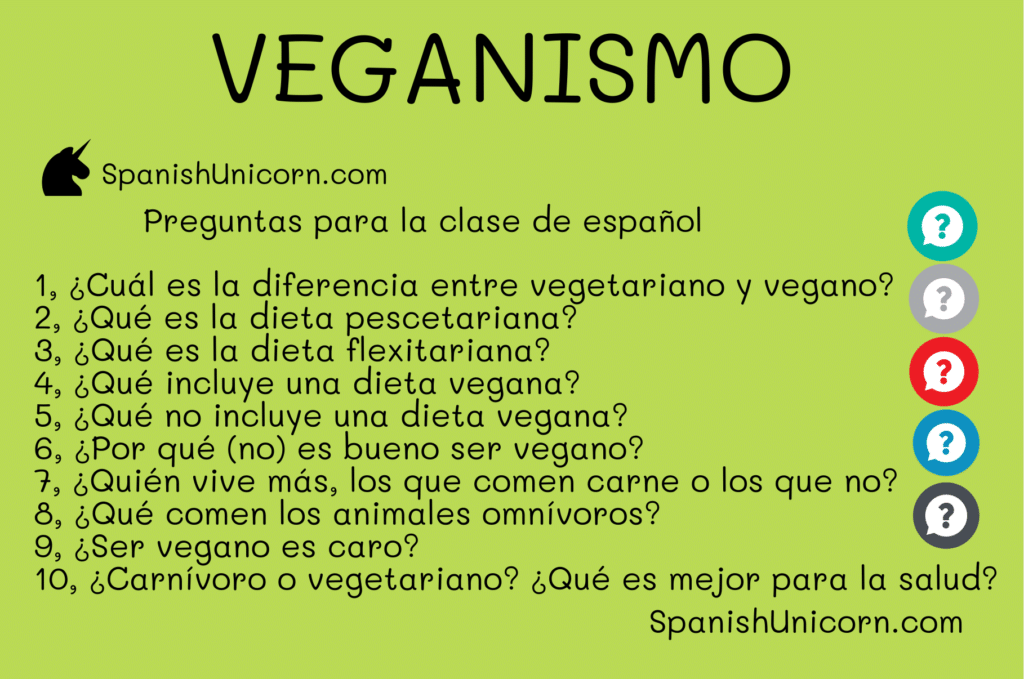
Veganism has gained significant popularity in recent years, with more and more people choosing to adopt a plant-based lifestyle. However, there are still many misconceptions and beliefs that prevent some individuals from fully embracing veganism. In this article, we will debunk common beliefs about why veganism doesn’t work and shed light on the truth behind these misconceptions.
Lack of understanding about the nutritional adequacy of a vegan diet
One of the main reasons why people believe veganism doesn’t work is due to a lack of understanding about the nutritional adequacy of a vegan diet. Many individuals mistakenly believe that a vegan diet is inherently deficient in essential nutrients. However, with proper planning and knowledge, a vegan diet can provide all the necessary nutrients for optimal health.
Concerns about protein deficiency
Protein deficiency is a common concern when it comes to veganism. However, it is entirely possible to meet protein needs on a vegan diet. Plant-based sources such as legumes, tofu, tempeh, seitan, and quinoa are all excellent sources of protein. Additionally, a well-balanced vegan diet can provide all the essential amino acids needed for protein synthesis.
Belief that humans are naturally omnivorous
Another belief that often arises is the idea that humans are naturally omnivorous and therefore require animal products for optimal health. While it is true that humans have historically consumed animal products, it is important to note that our nutritional needs can be met through a well-planned vegan diet. Many health organizations, including the American Dietetic Association, have stated that a well-planned vegan diet is suitable for all stages of life.
Cultural and societal norms around meat consumption
Meat consumption is deeply ingrained in many cultures and societies, making it challenging for some individuals to consider a vegan lifestyle. However, cultural and societal norms should not dictate our dietary choices. It is essential to question and challenge these norms to make informed decisions about our health and the well-being of animals and the planet.
Perception that veganism is restrictive and limits food choices
One common misconception about veganism is that it is restrictive and limits food choices. While it is true that certain foods are off-limits on a vegan diet, there is still a wide variety of plant-based options available. Fruits, vegetables, whole grains, legumes, nuts, and seeds offer a diverse range of flavors and textures that can be enjoyed in countless delicious recipes.
Skepticism about the environmental impact of veganism
Some individuals question the environmental impact of veganism, believing that it may not be as sustainable as it claims to be. However, numerous studies have shown that animal agriculture is a significant contributor to greenhouse gas emissions, deforestation, and water pollution. By adopting a vegan lifestyle, individuals can significantly reduce their carbon footprint and contribute to a more sustainable future.
Belief that veganism is a privileged lifestyle choice
There is a misconception that veganism is a privileged lifestyle choice that is only accessible to those with higher incomes. While it is true that some vegan products can be more expensive, a plant-based diet can be affordable and accessible to people of all socioeconomic backgrounds. Staples such as grains, legumes, fruits, and vegetables are often more affordable than animal products.
Misconceptions about the availability and affordability of vegan options
Related to the previous point, there is a misconception that vegan options are not widely available or affordable. However, the demand for vegan products has been steadily increasing, leading to a significant expansion of vegan options in grocery stores, restaurants, and even fast-food chains. Additionally, cooking plant-based meals at home can be cost-effective and allows for greater control over ingredients.
Fear of missing out on certain flavors and textures associated with animal products
Many people fear that by adopting a vegan lifestyle, they will miss out on the flavors and textures associated with animal products. However, with the growing popularity of veganism, there are now countless plant-based alternatives that mimic the taste and texture of animal-based products. From vegan burgers and sausages to dairy-free cheeses and ice creams, there are options available for every craving.
Concerns about the difficulty of maintaining a balanced diet without animal products
Some individuals believe that it is challenging to maintain a balanced diet without animal products. However, a well-planned vegan diet can provide all the necessary nutrients for optimal health. It is important to focus on consuming a variety of plant-based foods to ensure an adequate intake of vitamins, minerals, and other essential nutrients.
Perception that veganism requires extensive meal planning and preparation
Another belief is that veganism requires extensive meal planning and preparation. While it is true that some level of planning is necessary to ensure a well-balanced diet, this is not exclusive to veganism. Planning meals in advance can be beneficial for anyone looking to maintain a healthy lifestyle, regardless of dietary preferences.
Belief that veganism is a fad or trend that will eventually fade away
Some individuals view veganism as a passing fad or trend that will eventually fade away. However, the growing body of scientific evidence supporting the health and environmental benefits of a vegan lifestyle suggests otherwise. Veganism is more than just a trend; it is a movement towards a more compassionate and sustainable world.
Skepticism about the health benefits of a vegan diet
There is skepticism about the health benefits of a vegan diet, with some individuals believing that it may lead to nutrient deficiencies or other health issues. However, numerous studies have shown that a well-planned vegan diet can provide numerous health benefits, including a reduced risk of heart disease, type 2 diabetes, and certain types of cancer.
Influence of industry propaganda and marketing promoting animal products
The influence of industry propaganda and marketing promoting animal products is another factor that contributes to the belief that veganism doesn’t work. The meat and dairy industries have invested significant resources in promoting their products, often misleading consumers about the health and environmental impacts of animal agriculture. It is essential to critically evaluate the information we receive and seek out unbiased sources.
Attachment to cultural and family traditions centered around animal-based foods
Many individuals have a strong attachment to cultural and family traditions centered around animal-based foods. These traditions can make it challenging to consider a vegan lifestyle. However, it is possible to adapt traditional recipes and create plant-based versions that honor cultural heritage while aligning with ethical and environmental values.
Perception that veganism is extreme or radical
Veganism is sometimes perceived as extreme or radical, which can deter individuals from embracing this lifestyle. However, veganism is simply a commitment to living in alignment with one’s values of compassion, sustainability, and justice. It is a personal choice that can have a positive impact on animals, the environment, and human health.
Concerns about the social implications of being vegan, such as dining out or attending social events
Some individuals worry about the social implications of being vegan, such as dining out or attending social events. While it is true that these situations may require some additional planning and communication, many restaurants now offer vegan options, and friends and family can be accommodating with advance notice. It is important to remember that social change often starts with individual choices.
Belief that veganism is incompatible with athletic performance and muscle building
There is a belief that veganism is incompatible with athletic performance and muscle building due to concerns about protein intake. However, numerous vegan athletes have proven that it is entirely possible to excel in sports and build muscle on a plant-based diet. Plant-based protein sources, combined with proper training and recovery, can support athletic performance and muscle growth.
Skepticism about the long-term sustainability of a vegan lifestyle
Some individuals question the long-term sustainability of a vegan lifestyle, believing that it may be challenging to maintain over time. However, with the increasing availability of vegan options and the growing awareness of the environmental and ethical implications of animal agriculture, veganism is becoming more accessible and sustainable than ever before.
Perception that veganism is a personal choice and not a solution to larger systemic issues
While veganism is a personal choice, it is also a solution to larger systemic issues such as animal cruelty, environmental degradation, and public health concerns. By choosing a vegan lifestyle, individuals can contribute to a more compassionate and sustainable world and inspire others to do the same.
Fear of judgment or criticism from others for adopting a vegan lifestyle
Some individuals fear judgment or criticism from others for adopting a vegan lifestyle. While it is unfortunate that some people may react negatively, it is important to remember that our choices are ultimately our own. Surrounding ourselves with supportive and like-minded individuals can help alleviate these concerns.
Belief that veganism is a form of deprivation or self-denial
There is a belief that veganism is a form of deprivation or self-denial, as it requires giving up certain foods and products. However, many vegans find that adopting a plant-based lifestyle opens up a whole new world of flavors and culinary experiences. It is not about what is being given up, but rather the positive impact that is being made.
Skepticism about the ethical arguments for veganism and animal rights
Some individuals are skeptical about the ethical arguments for veganism and animal rights, believing that animals are meant to be consumed by humans. However, the ethical arguments for veganism are based on the principles of compassion, justice, and respect for all sentient beings. It is essential to question our assumptions and consider the ethical implications of our choices.
Perception that veganism is a form of dietary dogma or ideology
Veganism is sometimes perceived as a form of dietary dogma or ideology, with individuals believing that it imposes strict rules and restrictions. However, veganism is simply a commitment to living in alignment with one’s values and making choices that minimize harm to animals and the environment. It is a personal journey that can be tailored to individual needs and preferences.
Concerns about the potential for nutrient deficiencies, such as vitamin B12 or iron
Concerns about nutrient deficiencies, such as vitamin B12 or iron, are often raised when discussing veganism. While it is true that certain nutrients may require additional attention on a vegan diet, these concerns can be easily addressed through proper planning and, if necessary, supplementation. Many fortified plant-based foods and supplements are available to ensure adequate nutrient intake.
Belief that veganism is a difficult or unrealistic dietary approach for children or pregnant women
There is a belief that veganism is a difficult or unrealistic dietary approach for children or pregnant women, as they have higher nutrient needs. However, numerous studies have shown that a well-planned vegan diet can meet the nutritional needs of individuals at all stages of life, including children and pregnant women. It is important to consult with healthcare professionals and registered dietitians to ensure proper nutrient intake.
Skepticism about the ability to meet nutritional needs without relying on supplements
Some individuals are skeptical about the ability to meet nutritional needs on a vegan diet without relying on supplements. While it is true that certain nutrients may require supplementation, this is not exclusive to veganism. Many individuals, regardless of dietary preferences, may benefit from supplements to ensure optimal nutrient intake. However, a well-planned vegan diet can provide the majority of essential nutrients without the need for supplementation.
Perception that veganism is a personal preference rather than a moral imperative
While veganism is a personal choice, it is also a moral imperative for many individuals who believe in the ethical treatment of animals and the preservation of the environment. Veganism goes beyond personal preference; it is a commitment to living in alignment with one’s values and making choices that reflect compassion and justice.
Concerns about the impact of veganism on local economies and traditional food systems
Some individuals express concerns about the impact of veganism on local economies and traditional food systems, particularly in regions where animal agriculture plays a significant role. While it is true that a shift towards plant-based diets may have economic implications, it is important to consider the long-term benefits of a more sustainable and compassionate food system.
Belief that veganism is a privileged lifestyle choice that ignores the realities of food insecurity and poverty
There is a belief that veganism is a privileged lifestyle choice that ignores the realities of food insecurity and poverty. While it is true that access to affordable and nutritious food can be a challenge for many individuals, veganism can also be an affordable and accessible option. Plant-based staples such as grains, legumes, fruits, and vegetables are often more affordable than animal products and can provide essential nutrients.
Skepticism about the ability to sustain a vegan diet while traveling or in certain cultural contexts
Some individuals are skeptical about the ability to sustain a vegan diet while traveling or in certain cultural contexts where vegan options may be limited. While it may require some additional planning and flexibility, it is entirely possible to maintain a vegan lifestyle in various situations. Researching local vegan-friendly options, carrying snacks, and communicating dietary needs can help navigate these challenges.
Perception that veganism is a form of dietary extremism or orthorexia
Veganism is sometimes perceived as a form of dietary extremism or orthorexia, with individuals believing that it promotes an unhealthy obsession with food and purity. However, veganism is simply a commitment to living in alignment with one’s values and making choices that minimize harm to animals and the environment. It is important to prioritize overall well-being and maintain a balanced approach to food and lifestyle.
Concerns about the potential for social isolation or exclusion as a vegan
Some individuals worry about social isolation or exclusion as a vegan, fearing that their dietary choices may set them apart from others. While it is true that being vegan may require some adjustments in social situations, it can also be an opportunity to connect with like-minded individuals and build a supportive community. It is important to focus on shared values and find common ground with others.
Belief that veganism is an unrealistic solution to global food security and hunger issues
There is a belief that veganism is an unrealistic solution to global food security and hunger issues, as it may require significant changes in agricultural practices and food distribution systems. While it is true that addressing global food security requires a multifaceted approach, reducing animal agriculture and promoting plant-based diets can play a significant role in creating a more sustainable and equitable food system.
Skepticism about the ability to maintain a healthy weight and body composition on a vegan diet
Some individuals are skeptical about the ability to maintain a healthy weight and body composition on a vegan diet. However, numerous studies have shown that a well-planned vegan diet can support weight management and promote a healthy body composition. By focusing on whole, plant-based foods and incorporating regular physical activity, individuals can achieve and maintain their desired weight and body composition.
Perception that veganism is a personal preference that should not be imposed on others
While veganism is a personal choice, it is also a movement towards a more compassionate and sustainable world. While it is important to respect individual choices, it is equally important to raise awareness about the ethical, environmental, and health implications of animal agriculture. By sharing information and leading by example, individuals can inspire others to consider a vegan lifestyle.
In conclusion, the belief that veganism doesn’t work is often based on misconceptions and a lack of understanding about the nutritional adequacy, environmental impact, and ethical arguments for veganism. By debunking these common beliefs and shedding light on the truth behind them, we can encourage a more informed and compassionate approach to food choices and lifestyle decisions.

