As more and more people are adopting a vegan lifestyle, the demand for vegan-friendly beauty products has been on the rise. However, it can be challenging to navigate through the sea of beauty product labels and decipher which ingredients are vegan and which are not. Understanding how to read beauty product labels is essential for those who want to ensure that the products they are using align with their vegan values.
In this blog post, we will provide you with a comprehensive guide on how to read beauty product labels to identify vegan and non-vegan ingredients. We will break down the most common animal-derived ingredients found in beauty products and offer tips on how to spot them on the labels. Additionally, we will discuss the various vegan certifications and symbols to look out for when shopping for vegan beauty products. By the end of this post, you will have the knowledge and tools to make informed choices and confidently select beauty products that are cruelty-free and vegan-friendly.
Look for the «vegan» label
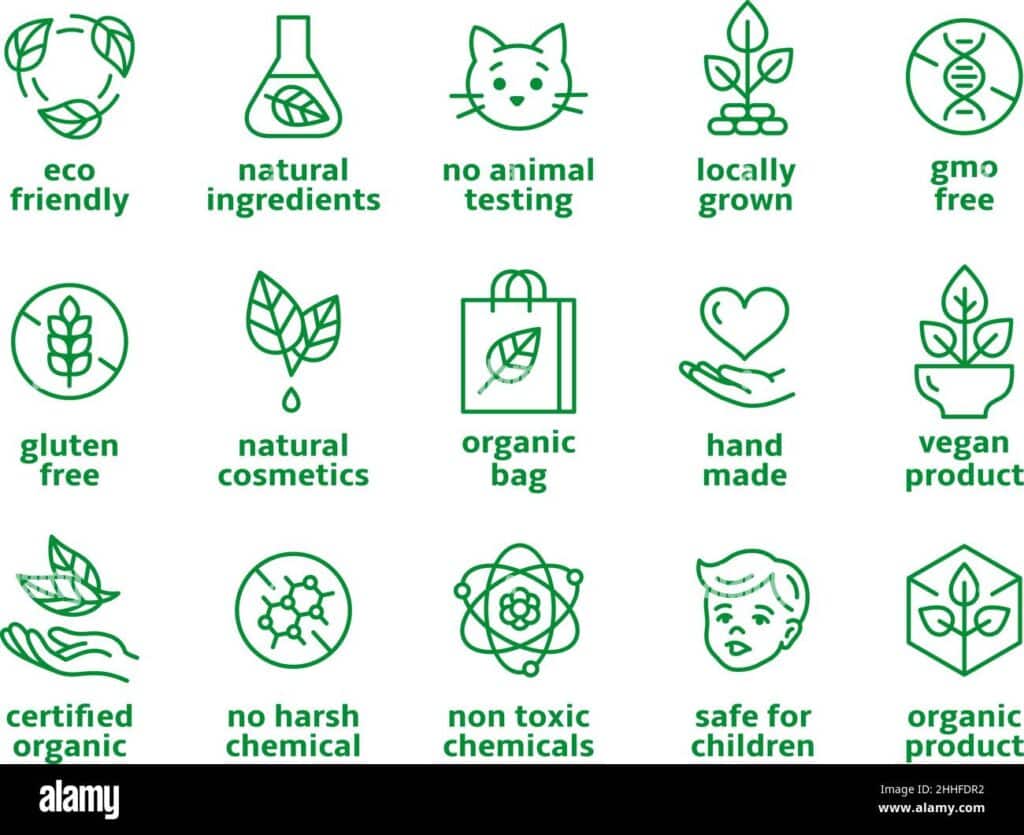
When it comes to identifying vegan and non-vegan ingredients in beauty products, one of the easiest ways is to look for the «vegan» label. Many beauty brands now proudly display this label on their packaging to indicate that the product is free from any animal-derived ingredients or by-products. So, if you see the «vegan» label, you can be confident that the product is suitable for vegans.
However, not all brands use this label, so it’s important to know how to read beauty product labels to identify vegan and non-vegan ingredients even if the label is not present. Here are some key tips to keep in mind:
Scan the ingredients list
The ingredients list is usually found on the back of the product packaging. Take a close look at this list and look for any ingredients that are derived from animals or their by-products. Some common non-vegan ingredients to watch out for include:
- Beeswax
- Honey
- Lanolin
- Carmine
- Gelatin
- Squalene (unless specified as plant-based)
If any of these ingredients are listed, it’s safe to say that the product is not vegan-friendly.
Look for cruelty-free certifications
In addition to checking for the «vegan» label, you can also look for cruelty-free certifications. These certifications indicate that the product has not been tested on animals. While cruelty-free does not necessarily mean vegan, it’s a good sign that the product does not contain any animal-derived ingredients.
Some common cruelty-free certifications to look out for include:
- Leaping Bunny
- PETA’s Beauty Without Bunnies
- Certified Vegan
By checking for these certifications, you can feel more confident about the vegan-friendly status of the product.
Remember, it’s always important to do your own research and read the labels carefully to ensure that the beauty products you choose align with your vegan lifestyle. With these tips, you’ll be able to navigate beauty product labels more effectively and make informed choices.
Avoid ingredients derived from animals
When it comes to reading beauty product labels to identify vegan and non-vegan ingredients, it’s important to be aware of certain ingredients that may be derived from animals. These ingredients are commonly found in various beauty and personal care products, and by avoiding them, you can ensure that your choices align with your vegan lifestyle.
Common non-vegan ingredients to look out for:
- Collagen: This protein is derived from animal connective tissues, such as bones, skin, and tendons.
- Beeswax: A natural wax produced by bees, commonly used in lip balms, lotions, and creams.
- Carmine: Also known as cochineal or carminic acid, it is a red dye derived from crushed female cochineal insects.
- Lanolin: A waxy substance obtained from sheep’s wool, often used in moisturizers and lip products.
- Gelatin: Derived from animal collagen, it is commonly found in haircare products, nail polish, and some skincare products.
Look for vegan alternatives:
Fortunately, there are many vegan alternatives available for these non-vegan ingredients. Look for products that proudly display vegan certifications or labels. Additionally, you can search for plant-based and cruelty-free brands that prioritize using only vegan-friendly ingredients.
Check the ingredient list:
Always check the ingredient list on beauty product labels carefully. Look for key terms like «vegan,» «plant-based,» «cruelty-free,» or «certified vegan» to ensure that the product does not contain any animal-derived ingredients. It’s also helpful to familiarize yourself with common vegan ingredients, such as plant oils, extracts, and butters.
By being diligent in reading beauty product labels, you can make informed choices that align with your vegan values and support brands that prioritize ethical and sustainable practices.
Check for common animal-derived ingredients
When reading beauty product labels to identify vegan and non-vegan ingredients, it’s important to check for common animal-derived ingredients. These ingredients are often derived from animals and can indicate that a product is not suitable for vegans. Here are some key ingredients to look out for:
1. Collagen
Collagen is a protein that is commonly derived from animal sources, such as the skin, bones, and connective tissues of cows, pigs, and fish. It is often used in skincare products to promote firmness and elasticity. If you’re looking for vegan options, make sure to avoid products that contain collagen.
2. Lanolin
Lanolin is a waxy substance that is derived from the glands of sheep. It is commonly used in skincare products as a moisturizer and emollient. If you’re following a vegan lifestyle, it’s best to steer clear of products that contain lanolin.
3. Beeswax
Beeswax is a natural wax produced by bees. It is commonly used in lip balms, lotions, and creams to provide a protective barrier on the skin. However, beeswax is not vegan-friendly, so if you’re looking for vegan options, make sure to avoid products that contain this ingredient.
4. Carmine
Carmine, also known as cochineal or carminic acid, is a red pigment derived from the crushed bodies of female cochineal insects. It is commonly used as a colorant in cosmetics, including lipsticks, blushes, and eyeshadows. If you’re vegan, it’s important to check the ingredient list for carmine or any other red colorants derived from insects.
5. Gelatin
Gelatin is a protein obtained from the skin, bones, and connective tissues of animals, usually cows and pigs. It is commonly used as a thickening agent in skincare and haircare products. If you want to avoid animal-derived ingredients, it’s best to avoid products that contain gelatin.
By being mindful of these common animal-derived ingredients, you can make more informed choices when it comes to selecting beauty products that align with your vegan lifestyle. Remember to always read the ingredient labels carefully and look for products that are certified vegan or cruelty-free to ensure they do not contain any animal-derived ingredients.
Research unfamiliar ingredients for animal sources
When it comes to identifying vegan and non-vegan ingredients in beauty products, it’s important to research any unfamiliar ingredients that may potentially come from animal sources. Many cosmetic and skincare ingredients can be derived from animals, so it’s crucial to be well-informed.
Here are a few steps you can follow:
- Check for common animal-derived ingredients: Some ingredients like lanolin, carmine, and beeswax are known to come from animals. Look for these names in the ingredient list and consider them non-vegan.
- Look for plant-based alternatives: Many animal-derived ingredients have plant-based alternatives. For instance, instead of lanolin, look for ingredients like shea butter or cocoa butter.
- Consult reputable resources: There are various online resources and apps that can help you identify vegan and non-vegan ingredients. Websites like Vegan Beauty Review or apps like «Cruelty-Free» can provide valuable information.
- Reach out to the brand: If you’re unsure about a specific ingredient, consider reaching out to the brand directly. Many companies have customer service teams that can provide clarification on their product’s vegan status.
Remember, it’s always a good idea to double-check and stay informed about the ingredients used in beauty products to ensure they align with your vegan values. By taking these steps, you’ll be better equipped to read beauty product labels and make informed choices.
Use online databases for guidance
When it comes to reading beauty product labels to identify vegan and non-vegan ingredients, using online databases can be a great tool for guidance. These databases compile information about various ingredients and categorize them as vegan or non-vegan, making it easier for consumers to make informed choices.
One popular online database is Vegan Beauty Review. This website provides a comprehensive list of beauty products that are vegan-friendly, along with detailed ingredient information. You can search for specific products or browse through different categories to find cruelty-free and vegan options.
Another useful database is Cruelty-Free Kitty. This website not only provides information on whether a product is vegan or not, but also lists other helpful details such as whether a brand tests on animals or if it is owned by a parent company that conducts animal testing.
Check for common non-vegan ingredients
While using online databases can be a helpful starting point, it’s also important to educate yourself about common non-vegan ingredients. Here are a few to look out for:
- Carmine: This red pigment is derived from crushed cochineal insects and is commonly used in cosmetics and skincare products.
- Beeswax: A natural wax produced by bees, beeswax is often used as a binder or emollient in beauty products.
- Lanolin: This ingredient is derived from sheep’s wool and is commonly found in skincare products due to its moisturizing properties.
- Gelatin: Derived from animal collagen, gelatin is often used as a thickening agent in beauty products such as shampoos and body washes.
Look for vegan certifications
In addition to checking ingredient lists, another way to identify vegan beauty products is by looking for vegan certifications. Some popular certifications include:
- Leaping Bunny: The Leaping Bunny certification ensures that a product is cruelty-free and not tested on animals.
- Vegan Action: Products with the Vegan Action logo are certified to be free of animal ingredients and not tested on animals.
- PETA’s Beauty Without Bunnies: The Beauty Without Bunnies logo indicates that a product is cruelty-free and vegan.
By using online databases, checking for common non-vegan ingredients, and looking for vegan certifications, you can become more confident in identifying vegan and non-vegan ingredients in beauty products. This knowledge empowers you to make conscious choices that align with your values and support cruelty-free and vegan-friendly brands.
Contact the manufacturer for clarification
When it comes to deciphering beauty product labels to identify vegan and non-vegan ingredients, sometimes the best way to get accurate information is to contact the manufacturer directly. While labels can provide some helpful information, they may not always be complete or clear.
By reaching out to the manufacturer, you can ask specific questions about the ingredients used in their products and whether or not they are vegan-friendly. This direct communication can provide you with the most up-to-date and accurate information, as companies may update their formulas or sourcing practices.
To contact the manufacturer, you can usually find their contact information on the product packaging or their website. Send them an email or give them a call, explaining your concerns and requesting clarification on the vegan status of their products.
When contacting the manufacturer, it can be helpful to have specific questions in mind. Here are a few examples:
1. Are any animal-derived ingredients used in this product?
Ask if the product contains any ingredients derived from animals, such as beeswax, lanolin, or carmine (a red pigment derived from crushed insects).
2. Are any animal by-products used in the manufacturing process?
Some products may not contain animal-derived ingredients, but they may be processed using animal by-products such as gelatin or bone char. Ask if any animal by-products are used in the manufacturing process.
3. Are any animal tests conducted on the finished product or its ingredients?
Find out if the company conducts any animal testing on their products or if they rely on third-party testing. Look for companies that are certified cruelty-free by reputable organizations like Leaping Bunny or PETA.
Remember to be polite and respectful when reaching out to the manufacturer. They may not always have the information readily available, but expressing your interest in vegan-friendly products can encourage them to provide more transparency.
By contacting the manufacturer, you can ensure that the beauty products you use align with your vegan lifestyle and values. Taking this extra step allows you to make informed choices and support companies that prioritize animal-friendly practices.
Seek products certified by vegan organizations
When trying to identify vegan and non-vegan ingredients in beauty products, one of the easiest ways is to look for products that are certified by vegan organizations. These organizations have strict guidelines and standards in place to ensure that the products they certify are free from any animal-derived ingredients or by-products.
By choosing products with a vegan certification, you can have peace of mind knowing that the product has been thoroughly vetted and meets the criteria for being vegan-friendly.
Some of the most widely recognized vegan certifications include:
- Leaping Bunny: This certification ensures that the product is cruelty-free and does not test on animals.
- Vegan Action: Products with this certification are free from any animal-derived ingredients and are not tested on animals.
- PETA’s Beauty Without Bunnies: This certification indicates that the product is cruelty-free and does not contain any animal-derived ingredients.
When shopping for beauty products, keep an eye out for these certifications. They can help you quickly identify products that align with your vegan values.
Frequently Asked Questions
1. What are the common non-vegan ingredients in beauty products?
Common non-vegan ingredients in beauty products can include beeswax, lanolin, collagen, and carmine.
2. How can I identify vegan ingredients on beauty product labels?
To identify vegan ingredients, look for labels that state «vegan,» «cruelty-free,» or «no animal-derived ingredients.»
3. Are synthetic ingredients always vegan?
No, synthetic ingredients can be derived from both plant and animal sources, so it’s important to check if they are specifically labeled as vegan.
4. What should I do if a beauty product label is unclear about its vegan status?
If a product label is unclear, it’s best to reach out to the brand directly for clarification on their ingredients and manufacturing processes.