
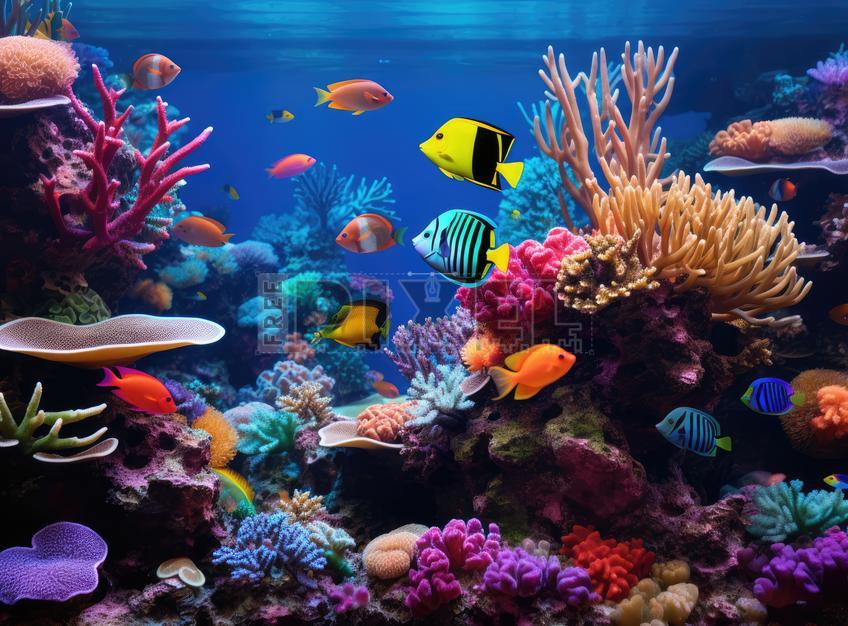
Veganism has become increasingly popular in recent years, with more and more people adopting a plant-based lifestyle for various reasons. While the environmental benefits of veganism are well-known, such as reducing greenhouse gas emissions and land use, its impact on ocean health and marine life is often overlooked. In this blog post, we will explore the connection between veganism and the well-being of our oceans.
In this post, we will discuss how the fishing industry contributes to ocean pollution and overfishing, and how adopting a vegan diet can help mitigate these issues. We will also delve into the devastating effects of bycatch and habitat destruction caused by commercial fishing practices. Additionally, we will explore the role of veganism in reducing plastic pollution and the preservation of marine ecosystems. By understanding the impact of our dietary choices on ocean health, we can make informed decisions and contribute to the conservation of marine life.
Reduce consumption of seafood
Reducing the consumption of seafood is one of the key ways to mitigate the impact of veganism on ocean health and marine life. By opting for plant-based alternatives instead of seafood, we can help alleviate the pressures on marine ecosystems.
Seafood consumption contributes to overfishing, which depletes fish populations and disrupts the delicate balance of marine ecosystems. This can lead to the collapse of fisheries and the extinction of certain species. By reducing our demand for seafood, we can give fish populations a chance to recover and maintain a healthy biodiversity in our oceans.
Moreover, the fishing industry often employs destructive fishing methods that harm marine life and degrade ocean habitats. Bottom trawling, for example, involves dragging heavy nets across the ocean floor, destroying coral reefs and other fragile ecosystems. By reducing seafood consumption, we can indirectly reduce the demand for these destructive fishing practices.
It is important to note that not all seafood is sustainably sourced or caught. Illegal, unreported, and unregulated (IUU) fishing is a significant problem worldwide, contributing to overfishing and the depletion of fish stocks. By avoiding seafood altogether, we can ensure that we are not inadvertently supporting these unsustainable and unethical practices.
By choosing plant-based alternatives and reducing our consumption of seafood, we can contribute to the preservation of ocean health and the protection of marine life. It’s a small but significant step towards a more sustainable future for our oceans.
Support sustainable fishing practices
Veganism has gained significant popularity in recent years, not only for its positive impact on animal welfare and global sustainability, but also for its potential to improve ocean health and protect marine life. One important aspect in achieving this goal is to support sustainable fishing practices.
Sustainable fishing practices aim to minimize the negative impact on the ocean ecosystem while ensuring the long-term availability of fish and other marine resources. By promoting sustainable fishing, we can contribute to the preservation of marine biodiversity and the overall health of our oceans.
Why is sustainable fishing important?
Sustainable fishing is crucial because overfishing and destructive fishing methods have led to a decline in fish populations and the destruction of marine habitats. This not only disrupts the delicate balance of marine ecosystems but also affects the livelihoods of communities that depend on fishing for their sustenance.
By supporting sustainable fishing practices, we can help prevent the depletion of fish stocks, protect endangered species, and maintain the health and productivity of the ocean. This ensures that future generations can continue to enjoy the benefits that oceans provide.
How can we support sustainable fishing?
There are several ways individuals can contribute to the promotion of sustainable fishing:
- Choose sustainable seafood: When buying seafood, look for labels or certifications that indicate the fish has been sustainably sourced. Avoid purchasing species that are overfished or caught using destructive methods, such as bottom trawling.
- Support local and small-scale fishermen: By buying fish directly from local fishermen or supporting small-scale fisheries, you can help sustain their livelihoods and encourage responsible fishing practices.
- Advocate for policy changes: Engage in advocacy efforts to promote sustainable fishing practices. Support initiatives that aim to implement stricter regulations on fishing methods, establish marine protected areas, and improve monitoring and enforcement measures.
- Spread awareness: Share information about sustainable fishing practices with your friends, family, and community. Encourage others to make informed choices when it comes to seafood consumption.
By actively supporting sustainable fishing practices, we can contribute to the conservation of our oceans and the well-being of marine life. Together, we can make a positive impact on the health of our planet.
Advocate for marine protected areas
One of the most effective ways to support the health of our oceans and marine life is to advocate for and support the creation of marine protected areas (MPAs). These are designated zones in the ocean where human activity and resource extraction are limited or prohibited, allowing marine ecosystems to thrive.
MPAs serve as sanctuaries for marine species, providing them with a safe haven to reproduce, feed, and grow. By establishing MPAs, we can help protect vulnerable and endangered species from overfishing, habitat destruction, and other human-induced threats.
When advocating for marine protected areas, it is important to raise awareness about their importance and the benefits they bring to our oceans and marine life. Here are a few key points to consider:
The Benefits of Marine Protected Areas
- Biodiversity conservation: MPAs help preserve and protect the rich biodiversity found in our oceans, including various species of fish, corals, turtles, and marine mammals.
- Habitat restoration: By limiting human activities such as fishing and boating, MPAs allow damaged habitats to recover and regenerate, ensuring healthier ecosystems.
- Fisheries management: MPAs can also help sustain fish populations by providing a safe environment for them to reproduce and grow, ultimately benefiting fisheries in the long run.
- Tourism and recreation: Well-managed MPAs can attract tourists and outdoor enthusiasts who are interested in experiencing and learning about the marine environment.
By advocating for the establishment of more marine protected areas, we can contribute to the overall conservation and preservation of our oceans and the diverse marine life that inhabits them. It is crucial to collaborate with organizations, government bodies, and local communities to ensure the successful implementation and management of these protected areas.
To make a significant impact, we can also support and participate in initiatives and campaigns that aim to create new MPAs or expand existing ones. Together, we can help safeguard our oceans and ensure a sustainable future for marine life.
Promote plant-based alternatives to seafood
One of the ways to reduce the impact of fishing on ocean health and marine life is by promoting plant-based alternatives to seafood. By encouraging the consumption of plant-based foods, we can help reduce the demand for fish and other marine animals.
Plant-based alternatives to seafood include a wide range of options such as tofu, tempeh, seitan, and various types of plant-based seafood substitutes made from ingredients like algae and seaweed. These alternatives not only provide a similar taste and texture to seafood but also offer a rich source of nutrients.
Switching to plant-based alternatives not only helps protect the ocean but also has several benefits for our health. Plant-based foods are typically lower in saturated fats and cholesterol compared to seafood, making them a healthier choice. They are also rich in essential nutrients like fiber, vitamins, and minerals.
By incorporating more plant-based alternatives into our diet, we can reduce the demand for seafood, which in turn helps to alleviate overfishing and the negative impacts it has on ocean health and marine life.
Raise awareness about overfishing
Veganism has been gaining popularity in recent years as a sustainable lifestyle choice that not only benefits animals and human health but also has a positive impact on the environment. One crucial aspect of veganism that often goes unnoticed is its contribution to ocean health and marine life. In this blog post, we will explore the impact of veganism on overfishing and how raising awareness about this issue can help restore the health of our oceans.
The Problem of Overfishing
Overfishing is a significant threat to marine ecosystems around the world. It occurs when fish are caught at a faster rate than they can reproduce, leading to the depletion of fish populations and imbalance in marine ecosystems. This unsustainable fishing practice not only affects the targeted species but also has far-reaching consequences for other marine life, including seabirds, marine mammals, and coral reefs.
Veganism as a Solution
By adopting a vegan lifestyle, individuals can significantly reduce their contribution to overfishing. This is because the majority of fish caught in the world’s oceans are not destined for direct human consumption but rather for fishmeal and fish oil used in animal agriculture. By eliminating animal products from our diets, we decrease the demand for fishmeal and fish oil, thus reducing the pressure on fish populations.
Raising Awareness
Raising awareness about the issue of overfishing is crucial to inspire change and promote sustainable fishing practices. As a blogger, you can play a vital role in spreading the word and educating your audience about the impact of overfishing on ocean health and marine life. Share statistics, case studies, and stories that highlight the consequences of overfishing, and emphasize the role veganism can play in mitigating the problem.
- Highlight the importance of sustainable seafood choices and certifications like the Marine Stewardship Council (MSC).
- Discuss the concept of bycatch and its impact on non-targeted species.
- Emphasize the role of marine protected areas in conserving fish populations and restoring the health of marine ecosystems.
By providing your readers with valuable information and practical tips, you can empower them to make informed choices and take action to protect our oceans and marine life.
Conclusion
Veganism offers a powerful solution to the problem of overfishing and its detrimental effects on ocean health and marine life. By raising awareness about overfishing and its connection to our dietary choices, we can encourage a shift towards more sustainable fishing practices and contribute to the restoration and preservation of our precious oceans for future generations.
Encourage responsible seafood sourcing
One of the key ways to have a positive impact on ocean health and marine life is to encourage responsible seafood sourcing. By making conscious choices about the seafood we consume, we can support sustainable fishing practices and help protect the delicate balance of marine ecosystems.
Educate Yourself: Before making any seafood choices, it’s important to educate yourself about sustainable fishing practices and the impact of certain fishing methods on marine life. Look for reliable sources of information, such as marine conservation organizations or sustainable seafood guides.
Choose Sustainable Seafood: When purchasing seafood, look for labels or certifications that indicate sustainable sourcing. These may include labels like «MSC-certified» (Marine Stewardship Council) or «Friend of the Sea.» These certifications ensure that the seafood has been caught or farmed using methods that minimize harm to the environment and protect fish populations.
Avoid Overfished Species: Overfishing is a major threat to marine life and can lead to the collapse of entire fish populations. Stay informed about which species are overfished and make a conscious effort to avoid consuming them. Sustainable seafood guides can provide information on overfished species to avoid.
Support Local Fishermen: Buying seafood from local fishermen who practice sustainable fishing methods can have a positive impact on both the environment and local economies. By supporting these fishermen, you are encouraging responsible fishing practices and helping to preserve marine ecosystems.
Reduce Seafood Consumption: Another way to have a positive impact on ocean health is to reduce your overall consumption of seafood. Consider incorporating more plant-based alternatives into your diet, such as tofu, tempeh, or plant-based seafood substitutes. By reducing the demand for seafood, we can help alleviate the pressure on marine ecosystems.
Spread the Word: Lastly, share your knowledge and passion for responsible seafood sourcing with others. Encourage friends, family, and your community to make informed choices about the seafood they consume. By raising awareness, we can collectively work towards a more sustainable future for our oceans and marine life.
Support organizations working to protect oceans
Supporting organizations that work to protect oceans is crucial in preserving ocean health and marine life. By contributing to these organizations, you can help fund research, conservation projects, and educational initiatives that aim to mitigate the impacts of human activities on marine ecosystems.
There are several reputable organizations that focus on ocean conservation:
- Oceana: Oceana is dedicated to protecting and restoring the world’s oceans. They work on campaigns to combat overfishing, prevent habitat destruction, and promote sustainable fishing practices.
- Marine Conservation Institute: This organization aims to safeguard marine ecosystems through the establishment of marine protected areas and the promotion of sustainable fishing practices.
- Surfrider Foundation: Surfrider Foundation focuses on protecting the world’s oceans, waves, and beaches. They work to reduce plastic pollution, preserve coastal ecosystems, and advocate for sustainable coastal development.
- Sea Shepherd Conservation Society: Sea Shepherd is known for its direct-action campaigns to defend marine wildlife and habitats. They actively intervene against illegal fishing activities and marine pollution.
By supporting these organizations through donations, volunteering, or spreading awareness about their work, you can play a significant role in preserving the health of our oceans and protecting marine life for future generations.
Frequently Asked Questions
1. How does veganism impact ocean health?
Veganism helps reduce overfishing and the pollution caused by fish farming.
2. What are the benefits of veganism for marine life?
Veganism reduces the destruction of marine habitats and the harm caused to marine species.
3. Does veganism contribute to the preservation of coral reefs?
Yes, veganism reduces the demand for coral-damaging fishing practices and protects coral reef ecosystems.
4. Can veganism help reduce plastic pollution in the oceans?
Yes, veganism promotes the use of sustainable and eco-friendly alternatives to single-use plastics.

