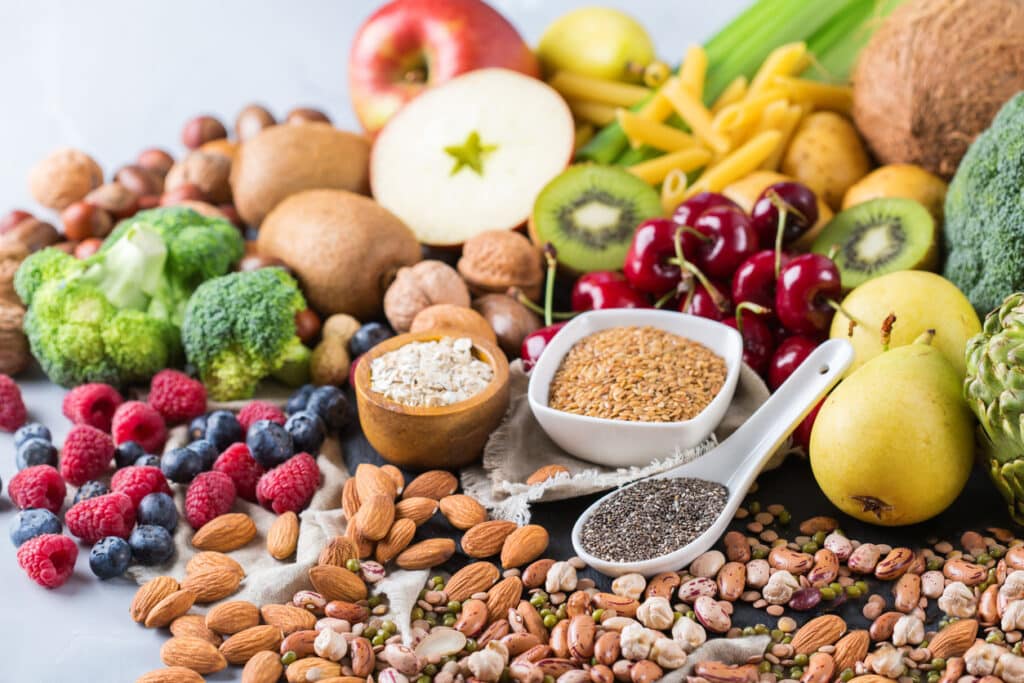
A vegan diet, which excludes all animal products, can be a healthy and sustainable way of eating. However, it is important for vegans to pay attention to their nutrient intake, as certain nutrients may be lacking in the absence of animal-based foods. This is where supplements can play a crucial role in ensuring that vegans meet their nutritional needs.
In this blog post, we will explore the specific nutrients that vegans should be mindful of and the role that supplements can play in filling these nutritional gaps. We will discuss key nutrients such as vitamin B12, iron, omega-3 fatty acids, and calcium, and explain why they are important for vegans. Additionally, we will provide recommendations for vegan-friendly supplements and discuss how to incorporate them into a vegan diet effectively. By being informed about the potential nutrient deficiencies and the benefits of supplements, vegans can optimize their health and well-being while following a plant-based lifestyle.
Ensure a varied plant-based diet
When following a vegan diet, it is important to ensure that you have a varied plant-based diet to meet your nutritional needs. While a well-planned vegan diet can provide all the necessary nutrients, there are a few key nutrients that vegans need to pay attention to.
Vitamin B12
Vitamin B12 is essential for the production of red blood cells and the functioning of the nervous system. It is found almost exclusively in animal products, so it is important for vegans to supplement with B12 or consume fortified foods.
Iron
Iron is important for the production of red blood cells and oxygen transport in the body. Plant-based sources of iron include legumes, tofu, spinach, and fortified cereals. However, iron from plant-based sources is not as well absorbed as iron from animal products, so it is important for vegans to consume iron-rich foods regularly and consider taking an iron supplement if needed.
Calcium
Calcium is important for strong bones and teeth. While dairy products are a common source of calcium, vegans can obtain calcium from plant-based sources such as fortified plant milks, tofu, leafy greens, and fortified cereals. It is important to ensure an adequate intake of calcium through diet or supplementation.
Omega-3 Fatty Acids
Omega-3 fatty acids are important for brain health and heart health. While fish is a common source of omega-3s, vegans can obtain these essential fatty acids from plant-based sources such as flaxseeds, chia seeds, walnuts, and algae-based supplements.
Iodine
Iodine is important for thyroid function and the production of thyroid hormones. Vegans can obtain iodine from iodized salt, seaweed, and iodine-fortified foods. However, it is important to be mindful of iodine intake, as excessive or inadequate levels can have negative health effects.
Zinc
Zinc is important for immune function, growth, and development. Plant-based sources of zinc include legumes, whole grains, nuts, and seeds. However, the bioavailability of zinc from plant-based sources may be lower than from animal products, so it may be necessary for vegans to ensure an adequate intake of zinc through diet or supplementation.
Remember, it is always a good idea to consult with a healthcare professional or registered dietitian to ensure you are meeting your nutritional needs on a vegan diet and to discuss any necessary supplements.
Include fortified foods and beverages
When following a vegan diet, it’s important to ensure you’re getting all the necessary nutrients for optimal health. While a well-planned vegan diet can provide most of the essential nutrients, there are a few key ones that may require attention.
Vitamin B12
Vitamin B12 is primarily found in animal-based foods, which makes it a nutrient of concern for vegans. It plays a crucial role in nerve function, DNA synthesis, and red blood cell production. To meet your B12 needs, include fortified foods and beverages in your diet, such as plant-based milks, cereals, and nutritional yeast. Additionally, you may consider taking a B12 supplement to ensure adequate intake.
Omega-3 Fatty Acids
Omega-3 fatty acids are important for heart health and brain function. While they are commonly found in fatty fish, vegans can obtain them from plant-based sources like flaxseeds, chia seeds, and walnuts. However, the conversion of these plant-based omega-3s to the active forms (EPA and DHA) is inefficient in the body. Therefore, it may be beneficial to include an algae-based omega-3 supplement in your diet.
Iron
Iron is crucial for oxygen transport and overall energy production. While plant-based foods like legumes, tofu, and spinach contain iron, the type of iron (non-heme iron) is not as readily absorbed as heme iron found in animal products. To enhance iron absorption, consume plant-based iron sources along with foods rich in vitamin C, such as citrus fruits, tomatoes, and bell peppers. If needed, consult with a healthcare professional to determine if an iron supplement is necessary.
Calcium
Calcium is essential for strong bones and teeth. While dairy products are commonly associated with calcium, vegans can obtain this mineral from plant-based sources like fortified plant milks, tofu, leafy greens, and almonds. If you’re concerned about meeting your calcium needs, consider incorporating a calcium supplement into your routine.
Zinc
Zinc is involved in numerous bodily processes, including immune function, DNA synthesis, and wound healing. Plant-based sources of zinc include legumes, whole grains, nuts, and seeds. However, the absorption of zinc from these sources may be hindered by phytates, compounds naturally present in plant foods. To ensure adequate zinc intake, consider including a zinc supplement or focusing on zinc-rich plant-based foods.
Iodine
Iodine is essential for proper thyroid function, which regulates metabolism. It can be found in iodized salt, seaweed, and some plant-based milks. However, the iodine content of plant-based foods can vary, so it may be necessary to use iodized salt or consider an iodine supplement.
Remember, it’s always best to consult with a healthcare professional or registered dietitian before starting any supplements to ensure they are appropriate for your individual needs.
Consider taking vitamin B12 supplements
Vitamin B12 is an essential nutrient that is primarily found in animal-based foods. Since a vegan diet excludes animal products, it can be challenging to obtain enough vitamin B12 solely through food sources. Therefore, it is highly recommended for vegans to consider taking vitamin B12 supplements.
Vitamin B12 plays a crucial role in the formation of red blood cells, DNA synthesis, and proper nerve function. A deficiency in vitamin B12 can lead to fatigue, weakness, anemia, and neurological problems.
When choosing a vitamin B12 supplement, it is important to look for a reliable brand that provides methylcobalamin or cyanocobalamin, which are the two most common forms of vitamin B12. The recommended daily intake of vitamin B12 for adults is 2.4 micrograms.
In addition to supplements, some fortified plant-based foods and beverages, such as breakfast cereals, plant-based milks, and nutritional yeast, may also contain vitamin B12. However, it is essential to check the labels and ensure that they provide an adequate amount of vitamin B12.
To ensure that you are meeting your vitamin B12 needs, it is advisable to consult with a healthcare professional or registered dietitian who can assess your specific dietary requirements and recommend the appropriate supplement dosage.
Monitor iron and calcium intake
Iron and calcium are two crucial nutrients that vegans should pay special attention to in their diet. While it is possible to obtain these nutrients from plant-based sources, it is important to monitor their intake to ensure adequate levels.
Iron
Iron is essential for the production of hemoglobin, which carries oxygen to all parts of the body. Vegans can obtain iron from plant-based sources such as beans, lentils, tofu, spinach, and fortified cereals. However, it is important to note that the iron derived from plant-based sources is less easily absorbed compared to iron from animal products. Therefore, it is recommended to consume iron-rich foods along with vitamin C-rich foods like citrus fruits, bell peppers, or tomatoes, as vitamin C enhances iron absorption.
It is also a good idea to avoid drinking tea or coffee with meals, as these beverages can inhibit iron absorption. Additionally, cooking in cast-iron cookware can increase the iron content of the food.
Calcium
Calcium is essential for strong bones and teeth, as well as proper muscle and nerve function. Vegans can obtain calcium from plant-based sources such as fortified plant milks, tofu, almonds, kale, and broccoli. It is important to ensure that you are consuming enough calcium-rich foods to meet your daily requirements.
It is worth noting that the body’s ability to absorb calcium is influenced by factors such as vitamin D levels and the presence of oxalates and phytates in certain foods. Therefore, it is important to make sure you are getting enough vitamin D through sun exposure or supplementation and to consider soaking, fermenting, or cooking certain plant-based foods to reduce the levels of oxalates and phytates.
Overall, monitoring iron and calcium intake is crucial for vegans to ensure they are meeting their nutritional needs. By incorporating a variety of iron and calcium-rich foods into their diet and considering factors that may affect absorption, vegans can maintain a well-balanced and nutrient-rich eating plan.
Incorporate sources of omega-3 fatty acids
Omega-3 fatty acids are essential for a healthy vegan diet. While they are commonly found in fish, there are also plant-based sources that vegans can incorporate into their meals.
Flaxseeds and Chia Seeds
Flaxseeds and chia seeds are excellent sources of omega-3 fatty acids. These tiny seeds can be easily added to smoothies, oatmeal, or baked goods. Just a tablespoon of either of these seeds provides a good amount of omega-3s.
Walnuts
Walnuts are not only delicious but also a great source of omega-3s. They can be enjoyed as a snack or sprinkled on top of salads, oatmeal, or yogurt for an extra boost of healthy fats.
Hemp Seeds
Hemp seeds are another plant-based source of omega-3 fatty acids. They have a nutty flavor and can be added to smoothies, sprinkled on top of salads, or used as a topping for avocado toast.
It’s important to note that while these plant-based sources of omega-3s are beneficial, they provide a different form of omega-3s called alpha-linolenic acid (ALA) compared to the eicosapentaenoic acid (EPA) and docosahexaenoic acid (DHA) found in fish. The body needs to convert ALA into EPA and DHA, which may not be as efficient. Therefore, it’s recommended for vegans to consider taking an algae-based omega-3 supplement to ensure they are meeting their needs.
By incorporating these plant-based sources of omega-3 fatty acids into your vegan diet and considering an algae-based supplement, you can ensure you are getting the necessary nutrients for a balanced and healthy lifestyle.
Consult with a registered dietitian
Consulting with a registered dietitian is crucial when following a vegan diet and considering the use of supplements. They have the expertise to assess your individual nutritional needs and help you determine which nutrients you may need to watch out for.
A registered dietitian will consider factors such as your age, gender, activity level, and any specific health conditions or dietary restrictions you may have. They will also take into account the nutrients that are typically lower in a vegan diet.
Working with a registered dietitian will ensure that you are getting the right balance of nutrients and that you are not missing out on any essential vitamins or minerals.
Stay informed about vegan nutrition
Today, more and more people are adopting a vegan lifestyle for various reasons – ethics, health, or environmental concerns. While a well-planned vegan diet can provide all the necessary nutrients, there are a few key nutrients that vegans should pay extra attention to.
Vitamin B12
Vitamin B12 is primarily found in animal-based foods, making it a vital nutrient for vegans to supplement. This vitamin is crucial for the production of red blood cells and the proper functioning of the nervous system. Vegans can obtain vitamin B12 through fortified foods like plant-based milk, breakfast cereals, or nutritional yeast. However, it is recommended to also take a B12 supplement to ensure adequate intake.
Iron
Iron is essential for transporting oxygen throughout the body. While plant-based sources of iron exist, they are not as easily absorbed by the body as the iron found in animal products. To enhance iron absorption, it’s advisable to consume iron-rich plant foods such as legumes, tofu, spinach, and fortified cereals, alongside vitamin C-rich foods like citrus fruits or peppers.
Omega-3 fatty acids
Omega-3 fatty acids play a crucial role in brain health and reducing inflammation. While fish is a common source of omega-3s, vegans can obtain them from plant-based sources such as flaxseeds, chia seeds, hemp seeds, or walnuts. However, the conversion of these plant-based omega-3s into the most active form (EPA and DHA) is not very efficient in the body. Therefore, it may be beneficial for vegans to consider an algae-based omega-3 supplement.
Calcium
Calcium is essential for maintaining strong bones and teeth. While dairy products are a well-known source of calcium, vegans can obtain it from plant-based sources such as fortified plant milks, tofu, tempeh, leafy greens (kale, broccoli, bok choy), and calcium-set tofu. It’s important to ensure an adequate intake of calcium through a varied diet or consider a calcium supplement if needed.
Zinc
Zinc is involved in various bodily processes, including immune function and wound healing. Plant-based sources of zinc include legumes, whole grains, nuts, and seeds. However, the bioavailability of zinc from plant-based sources is lower compared to animal-based sources. To ensure sufficient zinc intake, it may be beneficial to include fortified foods or consider a zinc supplement.
Remember, while supplements can be helpful, they should not replace a well-balanced and varied diet. It’s always a good idea to consult with a healthcare professional or registered dietitian to assess your individual nutrient needs and determine the most appropriate supplementation plan for you.
Frequently Asked Questions
1. What nutrients are commonly found in animal products that may be lacking in a vegan diet?
Vitamin B12, iron, calcium, and omega-3 fatty acids.
2. Can a vegan diet provide enough protein?
Yes, a well-planned vegan diet can provide all the essential amino acids and meet protein needs.
3. Should vegans take supplements for vitamin B12?
Yes, it is recommended for vegans to take a vitamin B12 supplement or consume fortified foods.
4. What plant-based sources can provide enough calcium for vegans?
Foods such as tofu, fortified plant-based milk, leafy greens like kale and broccoli, and almonds.