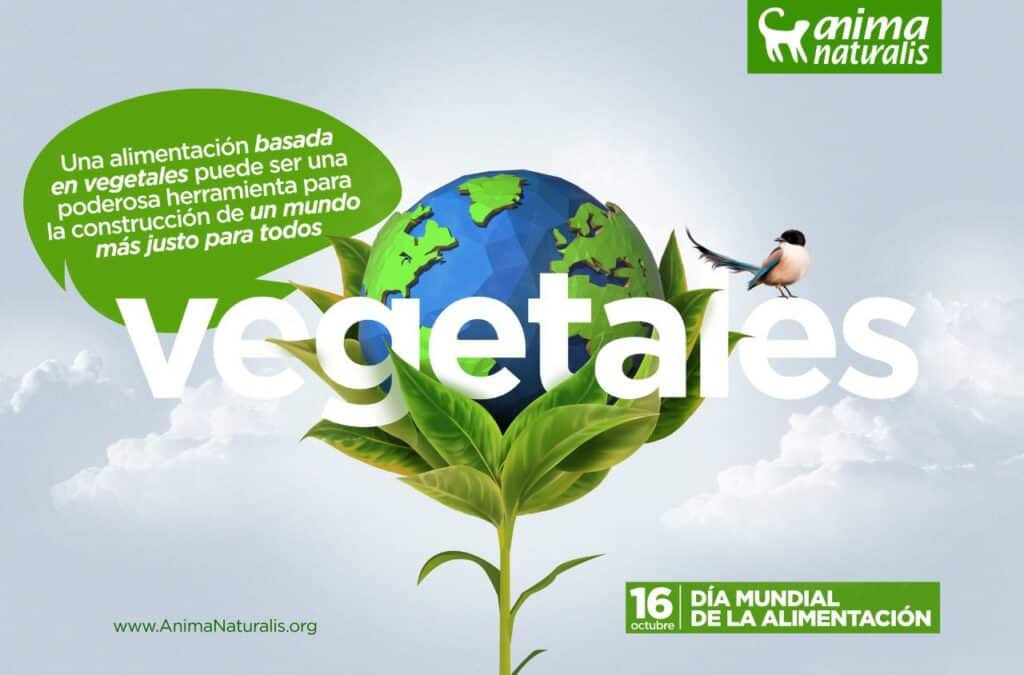
Veganism as a Philosophy and Way of Living
Veganism is not just a diet, but a philosophy and way of living that seeks to exclude all forms of exploitation and cruelty to animals. It is a lifestyle choice that aims to minimize harm to animals and promote compassion and respect for all living beings. Veganism goes beyond dietary choices and extends to other aspects of life, including clothing, cosmetics, and entertainment.
Excluding Exploitation and Cruelty to Animals
At its core, veganism is about excluding the exploitation and cruelty of animals. This means avoiding any products or practices that involve the use of animals for human benefit. It is a conscious decision to live in a way that minimizes harm to animals and respects their rights to live free from suffering.
Avoiding Animal Products in Food, Clothing, and More
One of the key aspects of veganism is avoiding the use of animal products in food, clothing, and any other purpose. This means not consuming meat, dairy, eggs, or honey, as well as avoiding products that contain animal-derived ingredients or by-products. Veganism extends to clothing choices, where vegans opt for alternatives to leather, fur, wool, and silk.
Promoting Animal-Free Alternatives
Vegans actively promote the development and use of animal-free alternatives. This includes supporting and purchasing products that are cruelty-free, vegan-friendly, and made without the use of animal-derived materials. By choosing vegan options, individuals contribute to the demand for more sustainable and ethical alternatives.
Dietary Restrictions: No Meat, Dairy, Eggs, or Honey
One of the most well-known aspects of veganism is the dietary restrictions. Vegans do not consume meat, including beef, pork, poultry, and seafood. They also avoid dairy products, such as milk, cheese, and yogurt, as well as eggs and honey. Instead, vegans rely on plant-based foods, including fruits, vegetables, nuts, grains, seeds, beans, and pulses, to meet their nutritional needs.
Avoiding Animal-Derived Materials and Animal Testing
Vegans also avoid using products that are made from animal-derived materials, such as leather, fur, wool, and silk. They opt for alternatives that are cruelty-free and made from synthetic or plant-based materials. Additionally, vegans actively seek out products that are not tested on animals, supporting companies that prioritize ethical and sustainable practices.
Avoiding Places that Use Animals for Entertainment
As part of their commitment to animal welfare, vegans also avoid places that use animals for entertainment purposes. This includes circuses, marine parks, and any other establishments that exploit animals for human amusement. Instead, vegans support and promote animal-friendly alternatives, such as wildlife sanctuaries and nature reserves.
Ethical and Environmental Reasons for Choosing Veganism
People choose veganism for various reasons, including ethical and environmental concerns. Ethically, veganism aligns with the belief that animals have the right to live free from harm and exploitation. By adopting a vegan lifestyle, individuals can actively contribute to reducing animal suffering and promoting a more compassionate world.
From an environmental perspective, animal agriculture is a significant contributor to greenhouse gas emissions, deforestation, and water pollution. By choosing plant-based alternatives, vegans help reduce their carbon footprint and support more sustainable practices that are better for the planet.
Support from The Vegan Society
The Vegan Society, founded in 1944, is a registered charity that provides support and resources for individuals on their vegan journey. They offer guidance, information, and practical advice to help people transition to a vegan lifestyle. The Vegan Society also advocates for vegan-friendly policies and works to raise awareness about the benefits of veganism.
The Evolution of the Definition of Veganism
The definition of veganism has evolved over time. Originally coined by Donald Watson in 1944, veganism was defined as «the doctrine that man should live without exploiting animals.» However, as the movement grew, the definition expanded to include not just dietary choices but also the avoidance of animal-derived materials and products tested on animals.
A Diverse Range of Vegan Foods and Recipes
Veganism offers a diverse range of foods and recipes that are both nutritious and delicious. With a focus on plant-based ingredients, vegans can enjoy a wide variety of fruits, vegetables, grains, legumes, nuts, and seeds. From hearty stews and stir-fries to decadent desserts and baked goods, there is no shortage of options for vegan meals.
Avoiding Animal Products in Accessories, Clothing, and Cosmetics
Vegans extend their commitment to animal welfare beyond food choices. They also avoid using animal products in accessories, clothing, and cosmetics. This means opting for cruelty-free and vegan-friendly alternatives, such as faux leather, synthetic fibers, and plant-based cosmetics. By making conscious choices, vegans can align their values with their everyday purchases.
Affordable and Easily-Sourced Vegan Alternatives
Contrary to popular belief, vegan alternatives are not only accessible but also affordable. With the growing demand for plant-based products, there is a wide range of vegan options available in supermarkets, health food stores, and online retailers. From plant-based milks and cheeses to meat substitutes and vegan-friendly snacks, there are plenty of choices for those following a vegan lifestyle.
The Vegan Trademark and Supportive Resources
The Vegan Society operates the Vegan Trademark, a symbol that helps consumers identify products that are free from animal ingredients and not tested on animals. Over 65,000 products and services are registered with the Vegan Trademark, making it easier for vegans to make informed choices. The Vegan Society also provides supportive resources, such as the VeGuide app and an online shop, to assist individuals in their vegan journey.
Considerations for Medicine and Animal Testing
While veganism aims to avoid the use of animal products and animal testing, there are considerations when it comes to medicine. In the UK, medicine is currently tested on animals as part of the regulatory process. However, vegans are encouraged to ask for alternatives whenever possible and to support medical research charities that actively seek alternative methods to animal testing.
Avoiding Zoos, Aquariums, and Animal Racing
Vegans also avoid visiting zoos, aquariums, and participating in activities such as dog or horse racing, as these establishments and events often involve the exploitation and confinement of animals for human entertainment. Instead, vegans support and promote animal sanctuaries, where animals are provided with a safe and compassionate environment.
Supporting Animal Sanctuaries
Animal sanctuaries play a crucial role in providing a compassionate alternative to exploitative practices. These sanctuaries rescue and care for animals that have been abused, neglected, or abandoned. By supporting animal sanctuaries through donations or volunteering, vegans can contribute to the well-being and protection of animals in need.
Information and Support through The Vegan Pledge
For those interested in exploring veganism, The Vegan Pledge offers a supportive program that provides information, resources, and community support. The pledge encourages individuals to commit to a vegan lifestyle for a set period, typically 30 days, to experience the benefits and challenges of vegan living. The Vegan Pledge provides guidance and support throughout the pledge period.
A Growing Global Movement of Vegans
Veganism is a growing global movement, with hundreds of thousands of individuals choosing to embrace a vegan lifestyle. This collective effort is creating a stronger voice for animal rights, environmental sustainability, and ethical living. As more people become aware of the impact of their choices, veganism continues to gain momentum and inspire positive change.