As more and more people adopt a vegan lifestyle, there is a growing concern about whether a vegan diet can adequately provide enough protein for athletes and active individuals. Protein is essential for muscle repair, growth, and overall performance, making it a crucial nutrient for those who engage in regular physical exercise. However, many believe that plant-based diets may lack the necessary protein content to meet the demands of an active lifestyle.
In this blog post, we will explore the protein sources available to vegans and discuss their efficacy in meeting the protein needs of athletes and active individuals. We will also address common misconceptions surrounding plant-based protein and provide practical tips for optimizing protein intake on a vegan diet. By the end of this post, you will have a better understanding of how a vegan diet can indeed provide enough protein to support athletic performance and fitness goals.
Yes, a vegan diet can provide enough protein
Contrary to popular belief, a vegan diet can indeed provide sufficient protein for athletes and active individuals. While animal products are traditionally associated with high protein content, there are plenty of plant-based sources that can meet the protein needs of a vegan athlete.
Plant-based protein sources for vegan athletes:
- Lentils: Lentils are a fantastic source of protein, with approximately 18 grams of protein per cup. They are also rich in fiber and other essential nutrients.
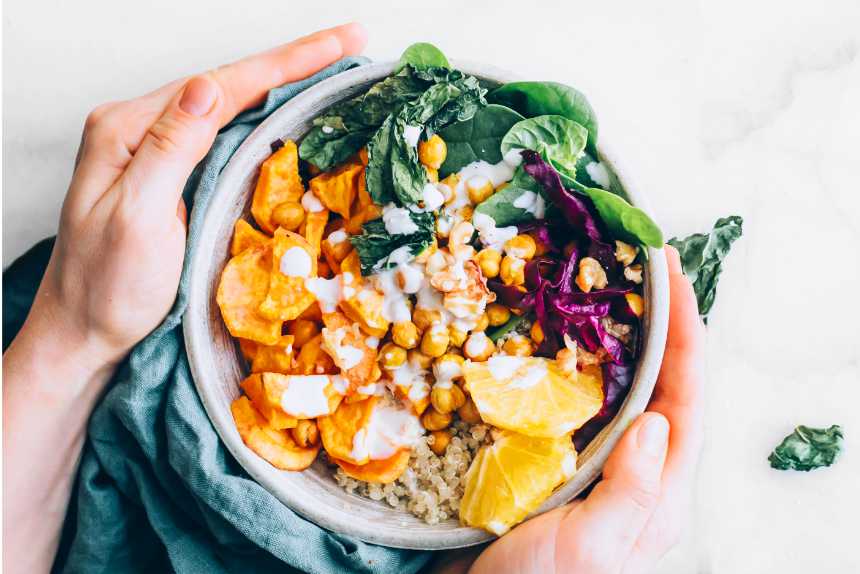
- Quinoa: Quinoa is a complete protein, meaning it contains all nine essential amino acids. It provides about 8 grams of protein per cup and is also a good source of fiber and carbohydrates.
- Chickpeas: Chickpeas, also known as garbanzo beans, are packed with protein, offering around 15 grams per cup. They are versatile and can be used in various dishes, such as salads, soups, and stews.
- Tofu: Tofu is a popular plant-based protein source, providing about 20 grams of protein per cup. It is made from soybeans and is a great option for vegans looking to increase their protein intake.
- Seitan: Seitan, also known as wheat meat or wheat gluten, is a high-protein food made from gluten. It contains around 25 grams of protein per 3.5 ounces and is commonly used as a meat substitute in vegan recipes.
It is important for vegan athletes to consume a variety of plant-based protein sources to ensure they are getting all the essential amino acids. By incorporating a combination of legumes, whole grains, nuts, seeds, and soy products into their diet, vegan athletes can easily meet their protein requirements.
Additionally, it’s worth noting that vegan athletes may need slightly higher protein intake compared to their non-vegan counterparts due to the lower bioavailability of plant-based proteins. Consulting with a registered dietitian or sports nutritionist can help vegan athletes create a well-rounded diet plan that meets their specific protein needs.
In conclusion, a vegan diet can absolutely provide enough protein for athletes and active individuals. With the right combination of plant-based protein sources, vegan athletes can meet their protein requirements and excel in their chosen sports or activities.
Focus on plant-based protein sources
When it comes to a vegan diet and protein intake for athletes and active individuals, it is important to focus on incorporating a variety of plant-based protein sources into your meals. While animal products are typically high in protein, there are plenty of plant-based options that can provide adequate protein for your needs.
Legumes and Beans
Legumes and beans are great sources of protein for vegans. They include options such as lentils, chickpeas, black beans, and soybeans. These can be easily incorporated into meals like salads, soups, and stir-fries, or even used to make plant-based burgers or meatballs.
Nuts and Seeds
Nuts and seeds are not only a good source of healthy fats but also provide protein. Almonds, walnuts, chia seeds, and flaxseeds are just a few examples. They can be sprinkled on top of salads, added to smoothies, or used in baking recipes to boost the protein content.
Whole Grains
Whole grains like quinoa, brown rice, oats, and barley also contain protein. These can be used as a base for meals or as a side dish to complement other protein sources. Additionally, whole grains provide important nutrients and fiber that can support an active lifestyle.
Tofu and Tempeh
Tofu and tempeh are soy-based products that are rich in protein and versatile in cooking. They can be used in stir-fries, curries, or marinated and grilled as a meat substitute. Tofu and tempeh are also great sources of other nutrients like calcium and iron.
Plant-Based Protein Powders
If needed, plant-based protein powders can be a convenient way to supplement protein intake, especially for athletes with higher protein requirements. Options like pea protein, brown rice protein, and hemp protein are widely available and can be added to smoothies or used in baking recipes.
Remember to consult with a registered dietitian or nutritionist to ensure you are meeting your individual protein needs and to discuss any specific concerns or dietary restrictions.
Include legumes, tofu, and tempeh
Legumes, such as beans, lentils, and chickpeas, are excellent sources of protein for athletes and active individuals following a vegan diet. They are not only rich in protein but also provide essential nutrients like fiber, iron, and magnesium. Including a variety of legumes in your meals can help meet your protein needs.
Tofu and tempeh are also great options for vegans looking to increase their protein intake. Tofu, made from soybeans, is a versatile ingredient that can be used in various dishes. It is a complete protein, meaning it contains all essential amino acids. Tempeh, made from fermented soybeans, is another protein-rich option that also provides probiotics, which are beneficial for gut health.
By incorporating legumes, tofu, and tempeh into your meals, you can ensure that you are getting enough protein to fuel your athletic performance and support muscle recovery.
Quinoa and chia seeds are also good options
Quinoa and chia seeds are two excellent options for athletes and active individuals following a vegan diet.
Quinoa is a complete protein, meaning it contains all nine essential amino acids that the body needs for optimal functioning. It is also rich in fiber, magnesium, and iron, making it a great choice for athletes looking to fuel their workouts and aid in recovery.
Chia seeds, on the other hand, are not only a good source of protein but also packed with omega-3 fatty acids, antioxidants, and fiber. These tiny seeds can be easily incorporated into your diet by adding them to smoothies, oatmeal, or yogurt.
Both quinoa and chia seeds are versatile ingredients that can be used in a variety of dishes, such as salads, stir-fries, and baked goods.
Other plant-based protein sources for athletes and active individuals include:
- Legumes: Lentils, chickpeas, black beans, and edamame are all excellent sources of protein. They are also high in fiber, vitamins, and minerals.
- Tofu and tempeh: These soy-based products are not only a great source of protein but also provide essential amino acids, calcium, and iron.
- Seitan: Made from wheat gluten, seitan is a popular meat substitute among vegans. It is high in protein and can be used in a variety of dishes, such as stir-fries and sandwiches.
- Plant-based protein powders: For individuals who need an extra protein boost, there are many plant-based protein powders available on the market. Look for ones made from pea, hemp, or rice protein.
It is important for athletes and active individuals following a vegan diet to ensure they are getting enough protein to support their training and recovery. By incorporating a variety of plant-based protein sources like quinoa, chia seeds, legumes, tofu, and tempeh into their diet, they can meet their protein needs and thrive on a vegan lifestyle.
Consider protein supplements if needed
When following a vegan diet, it is important to ensure that you are getting enough protein, especially if you are an athlete or have an active lifestyle. While it is possible to meet your protein needs through a well-planned vegan diet, some individuals may find it challenging to consume enough protein solely from plant-based sources.
If you are struggling to meet your protein needs through food alone, you may consider incorporating protein supplements into your routine. There are various vegan protein powders available on the market, such as pea protein, hemp protein, and rice protein, which can help you reach your protein goals.
However, it is important to note that supplements should not replace whole food sources of protein. They should be used as a complement to a balanced diet. It is always best to consult with a registered dietitian or healthcare professional to determine if protein supplementation is necessary for your specific needs.
Remember, meeting your protein needs is essential for muscle recovery and growth, as well as overall athletic performance. Aim to consume a variety of plant-based protein sources, such as legumes, tofu, tempeh, seitan, quinoa, and nuts, to ensure you are getting a wide range of essential amino acids.
In conclusion, while a vegan diet can provide enough protein for athletes and active individuals, some may need to consider incorporating protein supplements to meet their specific needs. It is always best to consult with a healthcare professional or registered dietitian to determine the best approach for you.
Consult a dietitian for personalized advice
When it comes to following a vegan diet as an athlete or active individual, one of the main concerns is whether it can provide enough protein to support performance, muscle growth, and recovery. While it is true that plant-based sources of protein may be less concentrated than animal-based sources, with proper planning and a varied diet, it is absolutely possible to meet your protein needs on a vegan diet.
Understanding Protein Needs
Protein is an essential macronutrient that plays a crucial role in building and repairing tissues, as well as in various physiological processes. The recommended dietary allowance (RDA) for protein is 0.8 grams per kilogram of body weight for sedentary adults. However, athletes and active individuals may have higher protein requirements to support their training and recovery.
Consulting a dietitian who specializes in sports nutrition can help you determine your specific protein needs based on factors such as your body weight, training intensity, and goals.
Plant-Based Protein Sources
Vegan athletes and active individuals can obtain protein from a variety of plant-based sources. Some excellent sources of plant-based protein include:
- Lentils
- Beans (such as black beans, chickpeas, and kidney beans)
- Tofu and tempeh
- Quinoa
- Chia seeds
- Hemp seeds
- Seitan
- Peas and pea protein powder
- Nuts and nut butters
- Whole grains (such as brown rice, oats, and barley)
By incorporating a variety of these protein-rich foods into your diet, you can ensure that you are meeting your protein needs as a vegan athlete or active individual.
Protein Combining
While individual plant-based protein sources may not always provide all the essential amino acids (the building blocks of protein) in the same proportions as animal-based proteins, you can still obtain all the essential amino acids by combining different plant-based protein sources throughout the day.
For example, combining grains (such as rice or quinoa) with legumes (such as beans or lentils) creates a complete protein with all the essential amino acids. Other combinations can include tofu with whole grains or nuts with seeds.
It is important to note that you don’t necessarily have to combine proteins in the same meal, as long as you consume a variety of protein sources throughout the day.
Supplementation
In some cases, athletes and active individuals may find it challenging to meet their protein needs solely through food sources. In such instances, protein supplementation, such as vegan protein powders, can be a convenient option to ensure adequate protein intake.
However, it is always recommended to prioritize whole foods as the main source of nutrients and consult with a dietitian before incorporating supplements into your routine.
Final Thoughts
A vegan diet can provide enough protein for athletes and active individuals, as long as it is well-planned and includes a variety of protein-rich plant-based foods. Consulting a dietitian who specializes in sports nutrition can help you create a personalized meal plan that meets your protein needs and supports your athletic performance.
Stay consistent with your nutrition
When it comes to maintaining a vegan diet while being an athlete or leading an active lifestyle, one of the most important things is to stay consistent with your nutrition. It’s essential to ensure that you are getting enough protein to support your body’s needs.
Understanding protein needs for athletes
Protein is crucial for athletes and active individuals as it helps repair and build muscle tissues, supports immune function, and aids in recovery after intense workouts. The recommended daily protein intake for athletes varies depending on factors such as body weight, training intensity, and goals.
A general guideline is to consume around 1.2 to 2 grams of protein per kilogram of body weight per day. For example, if you weigh 70 kilograms, your protein intake should be between 84 to 140 grams per day. However, it’s important to consult with a registered dietitian or sports nutritionist to determine the exact protein needs based on your individual circumstances.
Sources of vegan protein
Contrary to popular belief, it is absolutely possible to meet your protein needs on a vegan diet. There are plenty of plant-based protein sources that can provide all the essential amino acids required by the body.
- Legumes: Foods like lentils, chickpeas, black beans, and tofu are excellent sources of protein.
- Quinoa: This grain-like seed is a complete protein source and is also packed with essential nutrients.
- Nuts and seeds: Almonds, walnuts, chia seeds, and hemp seeds are rich in protein and healthy fats.
- Soy products: Soy milk, tempeh, and edamame are all great sources of protein.
- Whole grains: Brown rice, oats, and whole wheat bread provide protein along with other important nutrients.
It’s important to vary your protein sources and include a combination of different plant-based foods to ensure you are getting all the essential amino acids. This will help meet your protein needs and support optimal athletic performance.
Optimizing protein absorption
In addition to consuming an adequate amount of protein, it’s also important to optimize its absorption. This can be done by pairing plant-based protein sources with foods high in vitamin C, such as citrus fruits, bell peppers, and strawberries. Vitamin C enhances iron absorption, which is important for athletes, as iron helps transport oxygen to muscles.
Furthermore, spreading your protein intake throughout the day and consuming small, frequent meals can also aid in protein absorption and utilization by the body.
Conclusion
So, can a vegan diet provide enough protein for athletes and active individuals? Absolutely! By staying consistent with your nutrition, understanding your protein needs, and including a variety of plant-based protein sources in your diet, you can meet your protein requirements and thrive on a vegan diet while excelling in your athletic pursuits.
Frequently Asked Questions
1. Can a vegan diet provide enough protein for athletes and active individuals?
Yes, a well-planned vegan diet can provide all the necessary protein for athletes and active individuals.
2. Is it possible to meet all nutritional needs on a plant-based diet?
Yes, a well-balanced plant-based diet can meet all nutritional needs, including vitamins, minerals, and macronutrients.
3. Can a vegan diet provide enough iron and calcium?
Yes, a vegan diet can provide sufficient iron and calcium through plant-based sources such as legumes, tofu, nuts, seeds, and fortified foods.
4. Are there any potential deficiencies on a vegan diet?
While a vegan diet can be nutritionally adequate, it is important to monitor vitamin B12, omega-3 fatty acids, and iodine levels as they may require supplementation.