
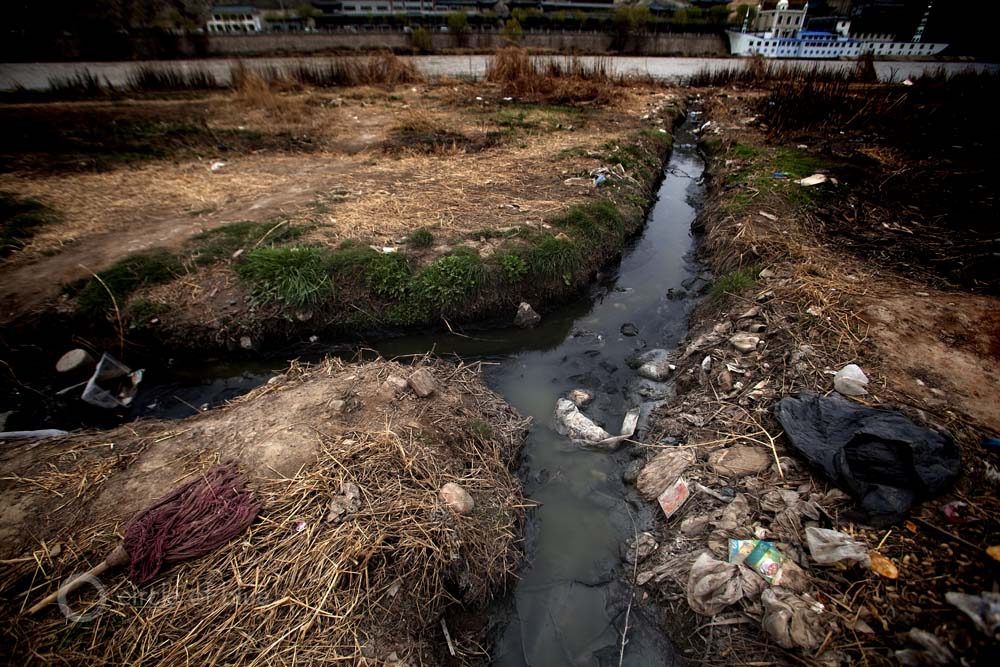
Factory farming, also known as intensive animal farming, has become a prevalent method of animal production worldwide. This approach involves raising large numbers of livestock in confined spaces, with the primary goal of maximizing output and profit. While factory farming has allowed for increased efficiency and affordability in the production of meat, dairy, and eggs, it has also had significant negative consequences for the environment.
In this blog post, we will explore the various ways in which factory farming impacts the environment. We will discuss how the concentration of animals in confined spaces leads to a range of environmental issues, such as water pollution, deforestation, and greenhouse gas emissions. Additionally, we will examine the use of antibiotics and hormones in factory farming and their contribution to environmental degradation. By understanding the environmental impact of factory farming, we can make more informed choices about our consumption patterns and advocate for more sustainable and ethical alternatives.
Reduce meat consumption
One of the most effective ways to mitigate the impact of factory farming on the environment is to reduce meat consumption. The meat industry is one of the largest contributors to greenhouse gas emissions, deforestation, and water pollution. By reducing our meat intake, we can significantly decrease the demand for factory-farmed products and alleviate the strain on the environment.
Benefits of reducing meat consumption:
- Reduced greenhouse gas emissions: Livestock production is responsible for a significant amount of methane and nitrous oxide emissions, which are potent greenhouse gases. By consuming less meat, we can lower these emissions and combat climate change.
- Preservation of natural resources: Factory farming requires vast amounts of land, water, and feed to sustain livestock. By reducing meat consumption, we can conserve these valuable resources and protect natural habitats from deforestation.
- Water conservation: Animal agriculture is a major consumer of water, both for livestock drinking and crop irrigation. By eating less meat, we can reduce the demand for water-intensive farming practices and alleviate pressure on freshwater sources.
- Improved public health: Excessive meat consumption has been linked to various health issues, including heart disease, obesity, and certain types of cancer. Embracing a more plant-based diet can lead to better overall health and well-being.
Tips for reducing meat consumption:
- Meatless Mondays: Start by committing to one day a week where you avoid consuming meat. Use this opportunity to explore vegetarian or vegan recipes.
- Experiment with plant-based alternatives: Try substituting meat with plant-based alternatives such as tofu, tempeh, seitan, or legumes like chickpeas and lentils.
- Opt for Meatless alternatives: Replace meat with vegetarian options when dining out or shopping for convenience foods. There are now a wide variety of plant-based alternatives available.
- Focus on whole foods: Incorporate more fruits, vegetables, whole grains, and nuts into your diet to ensure you’re getting all the necessary nutrients.
- Educate yourself: Learn about the environmental and ethical implications of factory farming to strengthen your commitment to reducing meat consumption.
By adopting a more plant-based diet and reducing our reliance on factory-farmed meat, we can make a positive impact on the environment and promote a sustainable future for generations to come.
Support local and organic farming
One of the most effective ways to mitigate the negative impact of factory farming on the environment is to support local and organic farming practices. By choosing to buy locally produced food, you can significantly reduce the carbon footprint associated with transportation and distribution.
Organic farming, on the other hand, avoids the use of synthetic chemicals and pesticides that not only harm the environment but also contribute to climate change. Supporting organic farming helps promote healthier soil, cleaner waterways, and biodiversity.
In addition to reducing the environmental impact, supporting local and organic farming also has numerous benefits for your health. Organic foods are free from harmful chemicals and pesticides, making them a healthier option for you and your family.
Benefits of supporting local and organic farming:
- Reduced carbon footprint: Buying locally produced food reduces the distance food travels, leading to lower greenhouse gas emissions.
- Promotes biodiversity: Organic farming practices support the preservation of diverse ecosystems and habitats.
- Protects water quality: Organic farming reduces the contamination of water sources with harmful chemicals and pesticides.
- Supports local economy: Buying from local farmers helps stimulate the local economy and supports small-scale farmers.
- Healthier food: Organic foods are free from synthetic chemicals and pesticides, making them a healthier choice for you and your family.
By supporting local and organic farming, you can play a crucial role in reducing the environmental impact of factory farming and promoting a more sustainable and healthier food system.
Promote sustainable agriculture practices
Factory farming, also known as intensive animal agriculture, has a significant impact on the environment. It is a system in which animals are raised in large-scale operations, often confined in small spaces and treated with antibiotics and growth hormones to maximize production.
One of the ways to mitigate the environmental impact of factory farming is to promote sustainable agriculture practices. These practices prioritize the well-being of animals, the environment, and human health. Here are some key strategies:
1. Encourage organic farming
Organic farming avoids the use of synthetic fertilizers, pesticides, and genetically modified organisms (GMOs). It promotes soil health, biodiversity, and reduces water pollution. By supporting organic farming methods, we can reduce the negative impact of conventional farming practices on the environment.
2. Implement rotational grazing
Rotational grazing involves moving livestock to different pastures at regular intervals. This allows the land to rest and regenerate, reducing soil erosion and promoting healthier grass growth. It also prevents overgrazing and improves animal welfare by providing them with fresh forage.
3. Support regenerative agriculture
Regenerative agriculture focuses on restoring and improving soil health, which is essential for sustainable food production. It involves practices like cover cropping, crop rotation, and minimal tillage. By adopting regenerative agriculture techniques, we can enhance soil fertility, sequester carbon, and reduce greenhouse gas emissions.
4. Promote responsible water management
Factory farming contributes to water pollution through the excessive use of antibiotics, hormones, and chemical fertilizers. Promoting responsible water management involves reducing water usage, implementing wastewater treatment systems, and conserving water resources. This helps protect aquatic ecosystems and ensures clean water for both humans and animals.
5. Educate consumers about sustainable food choices
Informing consumers about the environmental impact of factory farming can empower them to make more sustainable food choices. Encouraging the consumption of plant-based diets or reducing meat consumption can help decrease the demand for factory-farmed products and promote a more sustainable food system.
In conclusion, promoting sustainable agriculture practices is crucial for mitigating the negative environmental impact of factory farming. By adopting organic farming, rotational grazing, regenerative agriculture, responsible water management, and educating consumers, we can contribute to a more sustainable and environmentally-friendly food system.
Advocate for stricter regulations and enforcement
Advocating for stricter regulations and enforcement is crucial in addressing the detrimental impact of factory farming on the environment. By implementing and enforcing stricter regulations, we can ensure that factory farms adhere to sustainable practices that minimize their negative effects.
One way to advocate for stricter regulations is by supporting organizations and initiatives that aim to improve animal welfare and environmental standards in factory farming. These organizations often work towards lobbying for policy changes and raising public awareness about the negative consequences of factory farming.
Additionally, it is important to encourage transparency and accountability within the industry. By demanding that factory farms disclose information about their practices, such as their waste management systems and use of antibiotics, we can hold them accountable for their environmental impact.
Benefits of stricter regulations and enforcement:
- Reduced pollution: Stricter regulations can help minimize the pollution caused by factory farming, such as water and air contamination from animal waste and chemical runoff.
- Conservation of natural resources: By implementing sustainable practices, factory farms can help conserve natural resources like land and water, which are often overused and depleted in conventional farming.
- Improved animal welfare: Stricter regulations can lead to better living conditions and treatment for animals in factory farms, reducing their suffering.
- Protection of biodiversity: Sustainable farming practices can help preserve biodiversity by reducing habitat destruction and the use of harmful pesticides and fertilizers.
In conclusion, advocating for stricter regulations and enforcement is crucial in mitigating the environmental impact of factory farming. By supporting organizations, demanding transparency, and raising awareness, we can work towards a more sustainable and ethical agricultural industry.
Educate others about the issues
One of the most important things we can do to address the impact of factory farming on the environment is to educate others about the issues. By spreading awareness and knowledge, we can encourage more people to make informed choices and take action to promote sustainable and ethical alternatives.
Here are some key points to consider when educating others about the impact of factory farming on the environment:
1. Pollution and Water Contamination
Factory farming operations produce vast amounts of waste, including manure, chemicals, and antibiotics. This waste often ends up in nearby water sources, leading to pollution and contamination. Educate others about how this pollution affects local ecosystems, wildlife, and human health.
2. Deforestation and Land Degradation
Factory farming requires large amounts of land for animal feed production and animal confinement. This leads to deforestation, as forests are cleared to make way for crops like soybeans and corn. The excessive use of land for farming also contributes to soil erosion and degradation. Share information about the impact of deforestation and land degradation on biodiversity and climate change.
3. Greenhouse Gas Emissions
Factory farming is a major contributor to greenhouse gas emissions, particularly methane and nitrous oxide. These gases have a significant impact on global warming and climate change. Explain how the intensive raising of livestock and the use of chemical fertilizers contribute to these emissions, and the importance of reducing our reliance on factory farming for a more sustainable future.
4. Animal Welfare and Ethical Considerations
Factory farming often involves inhumane practices, such as overcrowding, confinement, and the use of antibiotics and growth hormones. Discuss the ethical considerations of supporting such practices and the importance of choosing alternatives that prioritize the well-being of animals.
5. Sustainable and Ethical Alternatives
Finally, highlight the importance of supporting sustainable and ethical alternatives to factory farming. Encourage others to choose organic, locally sourced, and plant-based foods whenever possible. Discuss the benefits of regenerative agriculture, agroecology, and other sustainable farming practices that prioritize the health of the environment, animals, and communities.
By educating others about the impact of factory farming on the environment, we can inspire change and promote a more sustainable and ethical food system.
Encourage plant-based diets
One of the most effective ways to mitigate the environmental impact of factory farming is to encourage plant-based diets. By promoting and adopting a diet that is predominantly plant-based, individuals can significantly reduce their carbon footprint and contribute to a more sustainable future.
Benefits of plant-based diets:
- Reduced greenhouse gas emissions: Livestock farming is responsible for a significant amount of greenhouse gas emissions, particularly methane and nitrous oxide. By reducing the demand for animal products, we can decrease the amount of emissions released into the atmosphere.
- Conservation of water resources: Factory farming requires vast amounts of water for animal drinking, cleaning, and irrigation of feed crops. By opting for plant-based alternatives, we can conserve water resources and alleviate the strain on freshwater ecosystems.
- Preservation of biodiversity: Animal agriculture is a major driver of deforestation and habitat destruction. By choosing plant-based options, we can help protect natural habitats and preserve biodiversity.
- Reduction of pollution: Factory farming produces large amounts of waste, including manure and chemical runoff, which pollute air, soil, and water. By reducing the demand for animal products, we can minimize pollution and its detrimental effects on the environment.
- Improved land use: Livestock farming requires vast amounts of land for grazing and growing animal feed. By transitioning to plant-based diets, we can free up land for reforestation, wildlife conservation, and sustainable agriculture.
Transitioning to a plant-based diet can be a gradual process, and every step towards reducing animal product consumption makes a difference. By incorporating more fruits, vegetables, grains, legumes, and plant-based proteins into our meals, we can not only improve our health but also positively impact the environment.
Invest in alternative protein sources
Investing in alternative protein sources is crucial for mitigating the negative impact of factory farming on the environment. By diversifying our protein consumption, we can reduce the demand for animal products produced in intensive farming systems.
One alternative protein source that shows great promise is plant-based proteins. These proteins are derived from plants such as legumes, soy, and peas, and they can provide the necessary nutrients without the environmental drawbacks of animal farming.
Another emerging alternative is cultured meat, also known as lab-grown meat or cell-based meat. This innovative technology involves growing meat from animal cells in a laboratory, eliminating the need for traditional animal farming. Cultured meat has the potential to reduce greenhouse gas emissions, land use, and water consumption associated with conventional meat production.
Investing in research and development of these alternative protein sources is essential. It can help improve their taste, texture, and affordability, making them more accessible to a wider population. Additionally, supporting companies and startups that are working on these technologies can accelerate their commercialization and adoption.
The benefits of investing in alternative protein sources include:
- Reduced greenhouse gas emissions: Plant-based proteins and cultured meat have a significantly lower carbon footprint compared to traditional animal farming.
- Preservation of natural resources: By reducing the demand for animal products, we can conserve land, water, and energy resources.
- Biodiversity conservation: Factory farming contributes to deforestation and habitat destruction. Investing in alternatives can help protect ecosystems and preserve biodiversity.
- Healthier food options: Plant-based proteins are generally lower in saturated fats and cholesterol, making them a healthier choice for consumers.
In conclusion, investing in alternative protein sources is a sustainable and responsible choice. By shifting our consumption patterns and supporting innovative solutions, we can reduce the environmental impact of factory farming and build a more sustainable food system for the future.
Frequently Asked Questions
1. What is factory farming?
Factory farming is a system of intensive animal agriculture that prioritizes high production output over animal welfare.
2. How does factory farming impact the environment?
Factory farming contributes to deforestation, water pollution, greenhouse gas emissions, and biodiversity loss.
3. What are the main environmental concerns associated with factory farming?
The main environmental concerns associated with factory farming include excessive water usage, soil degradation, and air pollution.
4. Can factory farming be sustainable?
While it is challenging, implementing sustainable practices in factory farming can help minimize its environmental impact.

