Sustainable fashion has become a hot topic in recent years as people are becoming more conscious about the environmental impact of the fashion industry. Fast fashion, characterized by cheaply made garments and rapid turnover, has led to excessive waste and pollution. As a result, many individuals are now opting for sustainable fashion options that are eco-friendly and ethically produced.
In this blog post, we will explore how you can make your own sustainable fashion items right at home. We will discuss different DIY techniques and materials that you can use to create unique and eco-friendly pieces. Whether you’re a beginner or an experienced crafter, there will be something for everyone in this guide. Get ready to unleash your creativity and contribute to a more sustainable fashion industry!
Upcycle old clothes into new designs
One great way to make your own sustainable fashion items at home is by upcycling old clothes into new designs. Not only does this help reduce waste, but it also allows you to get creative and give new life to clothes that you may no longer wear.
Choose the clothes to upcycle
Start by going through your wardrobe and selecting clothes that you no longer wear or that need some refreshing. Look for items with interesting patterns, textures, or fabrics that can be transformed into something new.
Plan your design
Before you start cutting or sewing, take some time to plan out your design. Think about how you can alter the piece to create something unique and stylish. You can sketch out your design or create a mood board for inspiration.
Get the right tools
To successfully upcycle your old clothes, you’ll need a few basic tools such as scissors, a sewing machine (or needle and thread), and some basic sewing supplies like pins and measuring tape. Make sure you have everything you need before you get started.
Start cutting and sewing
Once you have your design and tools ready, it’s time to start cutting and sewing. Carefully measure and mark where you want to make your cuts and alterations. Remember to try on the piece as you go to ensure a proper fit.
Add embellishments and personal touches
To make your upcycled fashion item even more unique, consider adding embellishments and personal touches. This could be anything from embroidery and appliques to fabric paint or patches. Get creative and let your personal style shine through.
Show off your creation
Once you’ve finished upcycling your old clothes, don’t forget to show off your creation! Wear it proudly and share it on social media or with friends and family. You never know, you might inspire others to try their hand at sustainable fashion too!
Use natural and biodegradable materials
When it comes to making your own sustainable fashion items at home, one of the first steps is to choose natural and biodegradable materials. These materials not only have a lower impact on the environment but also provide a healthier and more ethical alternative to synthetic fabrics.
Choose organic cotton
One of the most popular natural materials for sustainable fashion is organic cotton. Unlike conventional cotton, organic cotton is grown without the use of harmful pesticides and fertilizers, making it better for the planet and the people involved in its production. Look for organic cotton fabrics when making your own clothing or accessories.
Opt for hemp
Hemp is another great natural material for sustainable fashion. It is a fast-growing plant that requires little water and no pesticides to grow. Hemp fibers are strong and durable, making them perfect for creating long-lasting garments. Consider using hemp fabrics for your DIY fashion projects.
Explore natural dyes
Instead of using synthetic dyes, try experimenting with natural dyes made from plants and other organic materials. Natural dyes are not only eco-friendly but also give your creations a unique and beautiful color palette. Look for tutorials and recipes online to learn how to make your own natural dyes at home.
Reduce, reuse, and upcycle
In addition to using sustainable materials, another important aspect of making your own sustainable fashion items is to reduce waste and promote circularity.
Reuse old garments
Before purchasing new materials, take a look at your wardrobe and see if there are any old clothes that can be repurposed or upcycled. You can give new life to an old t-shirt by turning it into a tote bag or transform a pair of jeans into a stylish denim skirt. Get creative and think outside the box!
Shop secondhand
If you need additional materials for your DIY fashion projects, consider shopping secondhand. Thrift stores, vintage shops, and online platforms are great places to find unique and affordable fabrics and accessories. By giving pre-loved items a new purpose, you are reducing the demand for new products and minimizing your environmental footprint.
Embrace upcycling
Upcycling is the process of transforming old or discarded items into something new and useful. Get creative with your DIY projects and think of ways to repurpose materials that would otherwise end up in the landfill. For example, you can turn an old sweater into a cozy hat or transform scraps of fabric into a patchwork quilt. The possibilities are endless!
Support ethical and fair trade practices
Making your own sustainable fashion items is not only about the materials and techniques you use but also about supporting ethical and fair trade practices.
Choose suppliers with transparent supply chains
When purchasing materials for your DIY projects, look for suppliers that have transparent supply chains. This means that they provide information about where their materials come from and how they are produced. By choosing suppliers with ethical practices, you can ensure that your creations are made with materials that are sourced responsibly.
Support fair trade initiatives
Consider supporting fair trade initiatives when purchasing materials or finished products. Fair trade ensures that workers involved in the production of fashion items receive fair wages and are treated with respect. Look for fair trade certifications or labels when buying materials or supporting brands.
Educate yourself and others
Lastly, educate yourself and others about sustainable fashion practices. Share your knowledge and experiences through social media, blog posts, or workshops. By raising awareness and promoting sustainable fashion, you can inspire others to make conscious choices and contribute to a more sustainable future.
Learn basic sewing and mending skills
If you want to start making your own sustainable fashion items at home, learning basic sewing and mending skills is essential. These skills will allow you to repair and alter your clothes, as well as create new pieces from scratch.
Here are a few key skills to focus on:
1. Hand Stitching
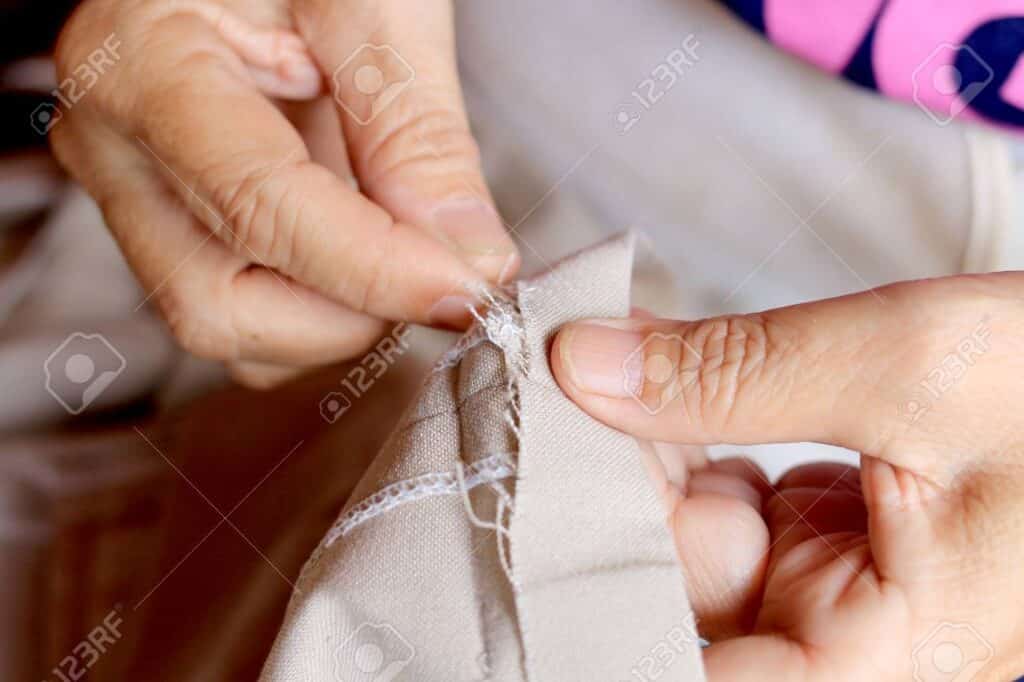
Hand stitching is a fundamental sewing skill that you’ll use in various projects. It involves sewing stitches by hand using a needle and thread. Practice different types of stitches such as running stitch, backstitch, and whipstitch.
2. Using a Sewing Machine
A sewing machine is a valuable tool for creating more complex garments. Learn how to thread the machine, wind a bobbin, and sew straight and zigzag stitches. Familiarize yourself with the different settings and functions of your machine.
3. Hemming
Hemming is the process of finishing the raw edges of fabric to prevent fraying. Master different hemming techniques, such as blind hemming, rolled hemming, and double-fold hemming. These techniques will come in handy when altering the length of skirts, pants, or dresses.
4. Basic Pattern Making
Understanding basic pattern making will allow you to create custom-fit garments. Start by learning how to take accurate body measurements and translate them onto paper. Practice making simple patterns for skirts, tops, and basic garments.
5. Alterations and Repairs
Being able to mend and alter your clothes is a crucial skill in sustainable fashion. Learn how to sew buttons, replace zippers, mend rips and tears, and take in or let out seams. These skills will help you extend the lifespan of your garments and reduce waste.
By mastering these basic sewing and mending skills, you’ll be well on your way to creating your own sustainable fashion items at home. Happy sewing!
Experiment with dyeing techniques
Experimenting with dyeing techniques is a great way to create your own sustainable fashion items at home. Not only is it a fun and creative process, but it also allows you to add a personal touch to your wardrobe while reducing waste.
1. Natural Dyeing
One sustainable dyeing technique is using natural materials to create beautiful and unique colors. You can use items such as fruits, vegetables, spices, and flowers to extract pigments for dyeing fabric. For example, onion skins can produce a lovely yellow color, while avocado pits and skins can create soft pink hues.
2. Shibori Tie-Dye
Shibori is a Japanese tie-dyeing technique that involves folding, twisting, and binding fabric before dyeing it. This method creates intricate patterns and designs on the fabric. You can experiment with different folding and binding techniques to achieve various results. The best part is that you can use natural or synthetic dyes for this technique.
3. Block Printing
Block printing is a traditional method of decorating fabric by hand. You can carve your own designs on a wooden block or use pre-made blocks to stamp patterns onto fabric. This technique allows you to create repetitive designs and motifs, giving your fashion items a unique and artistic touch.
4. Upcycling with Dip Dye
If you have old or plain clothing that needs a refresh, dip dyeing is a great option. This technique involves dipping the fabric partially into a dye bath to create a gradient effect. It’s a simple yet effective way to transform your clothing into trendy and sustainable fashion items.
5. Embroidery and Patchwork
Another way to make your own sustainable fashion items is by adding embroidery or patchwork to existing pieces. You can use embroidery thread to embellish a plain garment with intricate designs or patch small pieces of fabric onto clothing to create a unique and colorful look.
By exploring and experimenting with these dyeing techniques, you can create your own sustainable fashion items at home that reflect your personal style and values. Not only will you have one-of-a-kind pieces, but you’ll also contribute to reducing the environmental impact of the fashion industry.
Reduce waste by repurposing fabric scraps
Repurposing fabric scraps is a great way to reduce waste and create unique sustainable fashion items at home. Instead of throwing away those small pieces of fabric, you can give them a new life by turning them into something beautiful and useful.
1. Patchwork
One popular way to repurpose fabric scraps is by creating patchwork designs. Cut your fabric scraps into small shapes and sew them together to form a larger piece of fabric. This can be used to make quilts, pillows, or even clothing items like skirts or jackets.
2. Fabric jewelry
Another creative way to use fabric scraps is by making fabric jewelry. Cut your scraps into thin strips or small shapes and use them to create bracelets, necklaces, or earrings. You can add beads or other embellishments to make them even more unique.
3. Fabric accessories
Fabric scraps can also be used to make various accessories. You can make hair accessories like scrunchies or headbands, or even create small pouches or wallets. Get creative and experiment with different shapes and sizes.
4. Fabric art
If you’re feeling artistic, you can use fabric scraps to create beautiful fabric art. Cut your scraps into different shapes and arrange them on a canvas or a piece of cardboard. Glue them in place and create a unique design or pattern.
5. Fabric gift wrapping
Instead of using traditional wrapping paper, you can use fabric scraps to wrap gifts. Cut your scraps into squares or rectangles and use them to wrap small presents. Tie them with a ribbon or a piece of twine for a more sustainable and stylish gift wrapping option.
By repurposing fabric scraps, you not only reduce waste but also create one-of-a-kind sustainable fashion items. Get creative and have fun experimenting with different ways to use your fabric scraps!
Support local and ethical brands
Support local and ethical brands
Supporting local and ethical brands is one of the most effective ways to promote sustainable fashion. By purchasing from these brands, you are not only investing in high-quality and unique items but also contributing to a more sustainable and fair fashion industry.
When choosing to support local and ethical brands, keep the following tips in mind:
1. Research and discover local brands
Take the time to research and discover local fashion brands in your area. Look for brands that prioritize sustainability, use ethical production practices, and support local artisans and communities. You can find these brands through online platforms, social media, local markets, or by asking for recommendations from friends and family.
2. Check for certifications and transparency
Look for brands that have certifications or transparent information about their supply chain and production process. Certifications such as Fair Trade, GOTS (Global Organic Textile Standard), and Oeko-Tex ensure that the brand follows specific environmental and social standards. Transparency about materials, sourcing, and manufacturing helps you make informed decisions about your purchases.
3. Consider the materials used
Pay attention to the materials used by the brands you support. Opt for natural and sustainable fibers such as organic cotton, linen, hemp, and Tencel, which have a lower environmental impact compared to synthetic materials. Avoid brands that heavily rely on materials like polyester and acrylic, as they contribute to microplastic pollution.
4. Quality over quantity
Choose quality over quantity when shopping for sustainable fashion items. Look for well-made pieces that are durable and timeless. Investing in high-quality items means they will last longer, reducing the need for frequent replacements and ultimately reducing waste.
5. Support local artisans and small businesses
Consider supporting local artisans and small businesses that prioritize sustainable and ethical practices. By purchasing from them, you directly contribute to the local economy and help these entrepreneurs thrive. Additionally, many local artisans create unique and one-of-a-kind pieces that add a special touch to your wardrobe.
By supporting local and ethical brands, you can make a positive impact on the fashion industry and contribute to a more sustainable future.
Educate yourself about sustainable fashion
One of the first steps to making your own sustainable fashion items at home is to educate yourself about sustainable fashion. Understanding the principles and practices of sustainable fashion will help you make informed decisions and create clothing that is both eco-friendly and ethical.
Why is sustainable fashion important?
Sustainable fashion is important because the fashion industry is one of the most polluting industries in the world. It has a significant impact on the environment, including water pollution, waste generation, and greenhouse gas emissions. By embracing sustainable fashion, you can contribute to reducing these negative impacts and promote a more sustainable and ethical fashion industry.
Learn about sustainable materials
One of the key aspects of sustainable fashion is using sustainable materials. Educate yourself about different types of sustainable fabrics such as organic cotton, hemp, linen, and bamboo. These materials are produced using eco-friendly processes and have a lower impact on the environment compared to conventional fabrics.
Understand the concept of upcycling
Upcycling is the process of transforming old or discarded materials into new products with a higher value. It is a great way to give new life to old clothing or fabric scraps. Learn different upcycling techniques like patchwork, appliqué, or using old garments to create new designs. Upcycling not only reduces waste but also adds uniqueness and creativity to your sustainable fashion items.
Master basic sewing skills
In order to make your own sustainable fashion items at home, it is essential to have basic sewing skills. Learn how to use a sewing machine, hand sew, and understand different sewing techniques like hemming, sewing seams, and attaching buttons. These skills will enable you to bring your design ideas to life and create well-crafted sustainable fashion pieces.
Start with simple projects
When beginning your journey into making sustainable fashion items at home, start with simple projects. This could include making a tote bag from an old t-shirt, turning a pair of jeans into shorts, or creating a headband from fabric scraps. Starting with smaller projects allows you to practice your skills and gain confidence before moving on to more complex designs.
Connect with like-minded individuals
Lastly, connect with like-minded individuals who are also interested in sustainable fashion. Join online communities or attend local workshops and events to meet people who share your passion. Sharing ideas, experiences, and resources with others can further enhance your knowledge and inspire you to continue your sustainable fashion journey.
In conclusion, educating yourself about sustainable fashion is the first step towards making your own sustainable fashion items at home. By learning about sustainable materials, upcycling, mastering basic sewing skills, starting with simple projects, and connecting with like-minded individuals, you can create clothing that is not only fashionable but also environmentally and socially responsible.
Frequently Asked Questions
1. What is sustainable fashion?
Sustainable fashion refers to clothing, accessories, and footwear that are produced and consumed in a way that is environmentally friendly, socially responsible, and ethically conscious.
2. Why is sustainable fashion important?
Sustainable fashion is important because it reduces the negative impact of the fashion industry on the environment and promotes fair and ethical practices throughout the supply chain.
3. How can I make my own sustainable fashion items at home?
You can make your own sustainable fashion items at home by upcycling old clothes, using organic or eco-friendly fabrics, and practicing zero-waste sewing techniques.
4. What are some examples of sustainable fashion items I can make at home?
Some examples of sustainable fashion items you can make at home include tote bags from old t-shirts, jewelry from recycled materials, and clothing alterations to give old garments a new life.