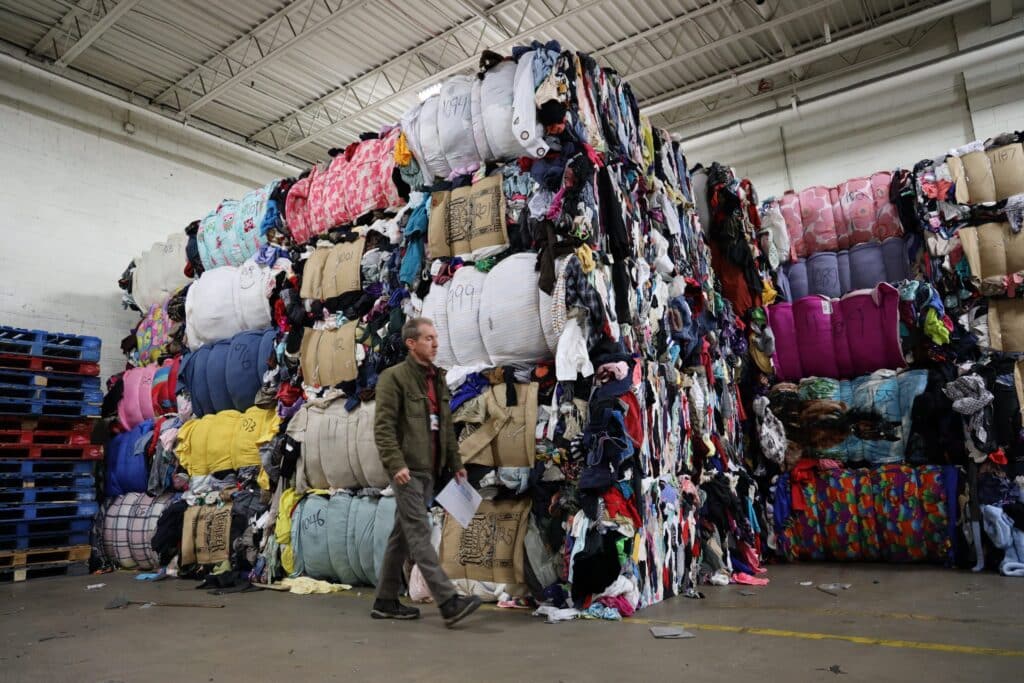
Sustainable fashion has gained increasing attention in recent years as consumers become more conscious of the social and environmental impact of the fashion industry. This movement focuses on creating clothing and accessories that are ethically produced and have a minimal negative impact on the planet. Fair trade practices, on the other hand, aim to ensure that producers in developing countries receive fair wages and working conditions for their labor. These two concepts, sustainable fashion and fair trade practices, are closely intertwined and can work together to create a more responsible and ethical fashion industry.
In this blog post, we will explore the relationship between sustainable fashion and fair trade practices. We will delve into how these two concepts intersect and complement each other in creating a more ethical and sustainable fashion industry. We will discuss the importance of fair trade in ensuring that garment workers are paid fair wages and have safe working conditions. Additionally, we will examine how sustainable fashion practices, such as using organic and recycled materials, can help minimize the environmental impact of the fashion industry. By understanding the relationship between sustainable fashion and fair trade practices, we can make more informed choices as consumers and support a fashion industry that prioritizes social and environmental responsibility.
Promotes ethical and transparent production
Sustainable fashion and fair trade practices go hand in hand when it comes to promoting ethical and transparent production in the fashion industry.
By adopting sustainable fashion practices, brands and designers prioritize the well-being of workers and the environment throughout the entire supply chain. This means ensuring fair wages, safe working conditions, and minimizing the use of harmful chemicals and pollutants.
Fair trade practices further emphasize the importance of transparency and accountability. They aim to create a system where workers are treated fairly and have access to better livelihoods. Fair trade certifications provide assurance that the products have been produced in accordance with these principles.
Together, sustainable fashion and fair trade practices empower both consumers and producers to make choices that align with their values. Consumers can support brands that prioritize ethical production, while producers can benefit from fair prices and stable markets.
Ensures workers receive fair wages
Fair trade practices in the fashion industry are crucial for ensuring that workers receive fair wages and are not exploited. By implementing fair trade principles, companies commit to paying workers a living wage, which is essential for their well-being and the overall sustainability of the fashion industry.
When workers are paid fair wages, they can afford to meet their basic needs, including food, shelter, healthcare, and education. This not only improves their quality of life but also helps to alleviate poverty and reduce inequality in the communities where they live and work.
Furthermore, fair trade practices promote transparency and accountability in the fashion supply chain. Companies that adhere to fair trade standards must provide detailed information about their production processes, including the wages and working conditions of the workers involved. This allows consumers to make informed choices and support brands that prioritize fair treatment and just compensation for workers.
By supporting sustainable fashion brands that practice fair trade, consumers play a vital role in creating a more equitable and ethical fashion industry. Through their purchasing decisions, they can help to create demand for fair trade products and encourage more companies to adopt fair trade practices.
In conclusion, fair trade practices in the fashion industry are essential for ensuring that workers receive fair wages. By supporting sustainable fashion brands that prioritize fair trade, consumers can contribute to a more just and sustainable future for the fashion industry.
Reduces environmental impact of fashion
Sustainable fashion and fair trade practices are closely related when it comes to reducing the environmental impact of the fashion industry.
One of the key aspects of sustainable fashion is the use of eco-friendly materials and production methods. By opting for materials such as organic cotton, hemp, or recycled fabrics, fashion brands can significantly reduce their carbon footprint and minimize the negative effects on the environment. These sustainable materials are often grown without the use of harmful pesticides and require less water and energy during the production process.
In addition, fair trade practices in the fashion industry ensure that workers are treated ethically and are provided with fair wages and safe working conditions. This includes ensuring that workers have access to clean water and proper sanitation facilities, as well as promoting gender equality and supporting local communities.
By combining sustainable fashion and fair trade practices, brands can actively contribute to reducing the environmental impact of the fashion industry while also improving the livelihoods of workers in the supply chain.
Supports local and artisanal communities
Sustainable fashion and fair trade practices go hand in hand when it comes to supporting local and artisanal communities.
When fashion brands prioritize sustainable practices, they often work directly with local artisans and communities, providing them with fair wages and decent working conditions. This not only helps to preserve traditional craftsmanship but also empowers these communities economically.
By investing in sustainable fashion, consumers are indirectly supporting these communities and helping to ensure that their skills and traditions are passed down to future generations.
Furthermore, sustainable fashion brands often prioritize sourcing materials locally, which reduces the environmental impact associated with transportation and supports local farmers and suppliers.
Overall, the relationship between sustainable fashion and fair trade practices is essential in promoting social and economic development in local communities while also protecting the environment.
Encourages responsible consumption habits
Sustainable fashion and fair trade practices go hand in hand when it comes to encouraging responsible consumption habits. By promoting sustainable fashion, we are encouraging consumers to make more conscious choices about the clothes they buy and wear.
One of the key aspects of sustainable fashion is the use of environmentally friendly materials and production processes. This means that the clothes are made from organic or recycled materials, reducing the negative impact on the environment. By choosing sustainable fashion, consumers are actively supporting the preservation of natural resources and reducing pollution.
Fair trade practices, on the other hand, ensure that the workers involved in the production of fashion items are treated fairly and receive fair wages. This means that the people who make our clothes are not exploited or forced to work in unsafe conditions. By supporting fair trade, consumers are promoting social justice and equality in the fashion industry.
When consumers make the conscious choice to support sustainable fashion and fair trade practices, they are sending a powerful message to the fashion industry. They are showing that they value ethical and responsible production methods over fast fashion trends and cheap labor.
Benefits of sustainable fashion and fair trade practices:
- Reduces environmental impact: Sustainable fashion uses materials and production processes that are less harmful to the environment.
- Supports ethical production: Fair trade practices ensure that workers are treated fairly and receive fair wages.
- Promotes social justice: By supporting fair trade, consumers are contributing to a more equitable fashion industry.
- Encourages conscious consumption: Sustainable fashion encourages consumers to make more conscious choices about the clothes they buy and wear.
- Preserves natural resources: By choosing sustainable fashion, consumers are supporting the preservation of natural resources.
In conclusion, the relationship between sustainable fashion and fair trade practices is crucial in promoting responsible consumption habits. By supporting these practices, consumers can make a positive impact on the environment, contribute to social justice, and encourage a more ethical fashion industry.
Fosters social and economic justice
Sustainable fashion and fair trade practices are closely intertwined, as both share a common goal of fostering social and economic justice. By promoting sustainable fashion and fair trade practices, we can create a more equitable and ethical fashion industry.
One of the key aspects of sustainable fashion is ensuring that the people involved in the production process are treated fairly and receive fair wages. Fair trade practices focus on creating opportunities for marginalized producers, often in developing countries, by guaranteeing fair prices and working conditions.
Through the implementation of fair trade practices, sustainable fashion brands can support local artisans and workers, providing them with a stable income and empowering them to improve their livelihoods. This not only helps to reduce poverty and inequality but also strengthens local economies.
Promotes ethical and environmentally friendly production
In addition to the social benefits, sustainable fashion and fair trade practices also prioritize ethical and environmentally friendly production methods. By using sustainable materials, such as organic cotton or recycled fabrics, and implementing eco-friendly production techniques, the fashion industry can reduce its negative impact on the environment.
Furthermore, fair trade practices encourage responsible sourcing and production, ensuring that the materials used in the fashion industry are ethically and sustainably produced. This includes avoiding the use of harmful chemicals, reducing waste, and minimizing carbon emissions.
Encourages conscious consumerism
By promoting sustainable fashion and fair trade practices, we also encourage conscious consumerism. Consumers are becoming more aware of the social and environmental issues associated with the fashion industry and are seeking out brands that align with their values.
Choosing to support sustainable fashion brands that adhere to fair trade practices allows consumers to make a positive impact with their purchasing decisions. By investing in ethically produced clothing, consumers can contribute to the demand for sustainable practices, pushing the industry towards a more responsible and sustainable future.
In conclusion, the relationship between sustainable fashion and fair trade practices is crucial for fostering social and economic justice. By promoting ethical production methods, supporting fair wages, and encouraging conscious consumerism, we can create a fashion industry that values people and the planet.
Drives innovation in sustainable fashion
One of the key aspects of sustainable fashion is its ability to drive innovation in the industry. By promoting fair trade practices, sustainable fashion encourages designers and brands to think outside the box and come up with new and creative ways to produce clothing that minimizes its impact on the environment and respects the rights of workers.
Through fair trade practices, sustainable fashion pushes for transparency and accountability in the supply chain. This means that companies are required to disclose information about the sourcing of materials, the production processes, and the working conditions of the people involved. By doing so, consumers can make informed choices and support brands that prioritize ethical and sustainable practices.
Additionally, sustainable fashion encourages the use of eco-friendly materials and production methods. This includes using organic and recycled fibers, reducing waste, and implementing energy-efficient technologies. By embracing these practices, designers and brands can create innovative and stylish clothing while minimizing their environmental footprint.
The role of fair trade practices
Fair trade practices play a crucial role in the relationship between sustainable fashion and ethical production. Fair trade ensures that workers are paid fair wages, have safe and healthy working conditions, and are treated with respect and dignity. This not only benefits the workers themselves but also contributes to the overall sustainability of the fashion industry.
By supporting fair trade practices, sustainable fashion helps to empower marginalized communities and promote social justice. It provides opportunities for artisans and workers in developing countries to earn a living wage and improve their livelihoods. This, in turn, contributes to poverty alleviation and sustainable development.
Consumer awareness and impact
Consumer awareness is key in driving the demand for sustainable fashion and fair trade practices. As more people become conscious of the social and environmental impacts of the fashion industry, they are actively seeking out brands that align with their values and prioritize sustainability.
By choosing to support sustainable fashion and fair trade practices, consumers have the power to make a positive impact on the industry. Their purchasing decisions can influence brands to adopt more ethical and sustainable practices, leading to a shift towards a more sustainable and fair fashion industry overall.
- Conclusion: The relationship between sustainable fashion and fair trade practices is a symbiotic one. Sustainable fashion drives innovation and promotes ethical production, while fair trade ensures the social and economic well-being of workers. By supporting sustainable fashion and fair trade, consumers can contribute to a more sustainable and equitable fashion industry.
Frequently Asked Questions
What is sustainable fashion?
Sustainable fashion refers to clothing and accessories that are produced in an environmentally and socially responsible manner.
What are fair trade practices?
Fair trade practices ensure that producers in developing countries are paid fair wages and work in safe conditions.
How are sustainable fashion and fair trade practices related?
Sustainable fashion often incorporates fair trade practices by sourcing materials and manufacturing garments in a socially responsible manner.
Why is the relationship between sustainable fashion and fair trade important?
The relationship is important because it promotes ethical and responsible practices in the fashion industry, benefiting both the environment and workers.